Manufacturing Plant Roofing in Mesquite, TX
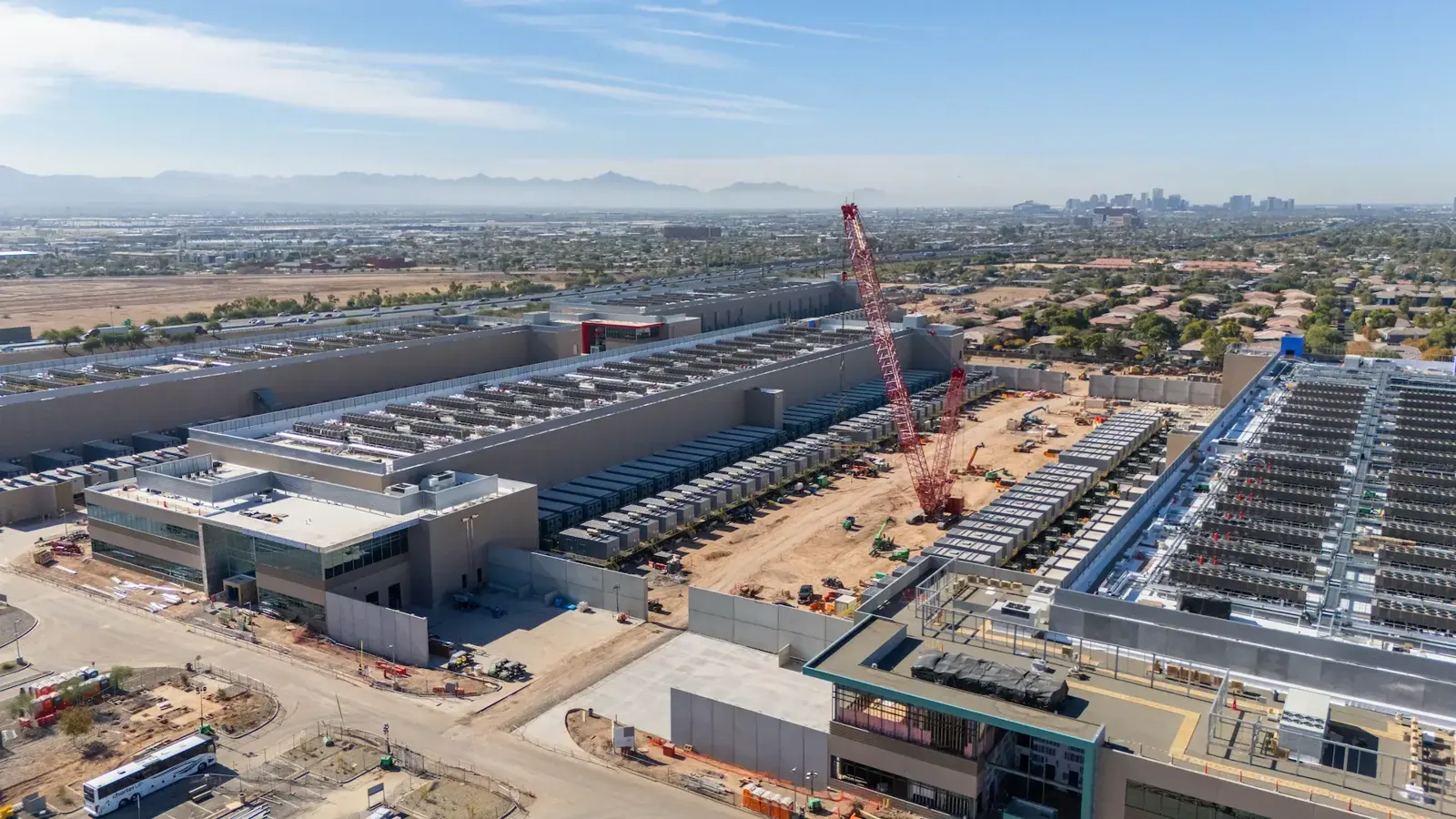
A production line below an open roof section needs protection before removal begins. We identify the affected area, control the work zone, and trace the failure path while the plant manager sets an approved operating window. Mesquite's local industry mix includes food processing, manufacturing, chemical products, production technology, and machinery. That mix does not tell us what any building makes. It does make equipment routes, ventilation, and production interruptions questions to settle before a roofing sequence is set.
A plant roof inspection records seams, curbs, drains, penetrations, and the insulation or deck condition that can change the repair limit. We separate temporary protection from permanent work. If production cannot pause, the proposal marks the roof section that can be closed safely before the next shift and the area that needs a separate approval.
What Must Stay Running Below the Roof?
Manufacturing work may rely on exhaust, process controls, and material movement that cannot share a temporary roof opening. We ask the site lead to mark those constraints on the roof plan and identify who can approve a short interruption. A curb near an intake, for example, may need a different closure sequence from a repair above a storage bay. The scope names the department, roof section, and release contact before mobilization.
Mesquite's Town East-Skyline Industrial District is a broad commercial setting with manufacturing, retail, and mixed-use properties. The Skyline Logistics Hub has a freight-oriented setting; neither district description tells us how a particular plant runs. A roof visit serving the Town East-Skyline area includes a site-specific review of truck access, personnel entry, and waste movement. We confirm each route with the facility and keep nearby properties' operating details out of its work plan.
Which Failure Reaches the Production Area?
Water can cross the deck before it appears over a machine or production lane. We begin with the plant's report and inspect uphill seams, curbs, and drainage transitions. A test or opening confirms the boundary; a ceiling mark alone cannot. The record pairs each suspected path with the affected equipment and notes what needs protection while the cause is investigated.
One area may show an opened lap while another has a puncture, displaced edge, or saturated insulation. We separate those observations instead of assigning a single cause to the entire roof. The site's maintenance lead can compare the evidence with work orders and any recent rooftop service. If hail damage is suspected, a separate hail-damage inspection documents visible impact separately from aging or unrelated wear, then returns the findings to the plant's production schedule.
How Should the Assembly Be Repaired?
Repair compatibility starts with the installed system and the surface beneath it. We inspect heat-welded laps, adhered sheets, asphaltic cap sheets, and metal panel joints using the applicable system details. A thermoplastic edge is prepared under its own instructions; an asphalt lap or standing seam requires a different treatment. A modified-bitumen assembly review can help when that is the material on site. The scope records the tested area and tie-in boundary.
If more than one section is affected, the owner can compare limited correction with recover or removal options. Test cuts may identify wet insulation or deck deterioration that changes the quantity. A recover evaluation checks layers, attachment, and roof height before another system is added. Where removal is necessary, the replacement scope marks work zones, disposal, substrate corrections, edge details, and the daily closure point. Each option is tied to the assembly evidence and the plant's production plan.
How Do Mesquite Weather and Code Affect Timing?
Ordinance 5215, approved by Mesquite in November 2025, applies local changes to the 2024 International Building Code. Before a plant alters roof height, fastening, or insulation, the design contact should establish the permit path and applicable provisions. We carry unresolved design points in the bid basis rather than release materials against an assumed detail. The production manager can then review the roof scope beside equipment supports, ventilation clearances, and planned line work.
Mesquite's industry mix includes food processing, chemical products, production technology, machinery, and other manufacturing activity. That describes the local business mix, not a specific plant's process. It gives us a reason to ask which production areas, exhaust routes, and material movements cannot be interrupted. The IH-20 Business Park is a local development-planning reference. We still verify the facility's own line layout, access rules, and roof assembly before drawing the work limit. The field report notes which questions need an engineer, which can be answered during inspection, and which remain an owner approval. That distinction helps a production manager keep roof decisions separate from process changes that belong to plant operations. The project schedule carries each unresolved item to the person responsible for clearing it.
What Record Helps the Next Shift?
Closeout lists the roof section, repair materials, work limit, photos, and any test performed. It also records the area left untouched or awaiting confirmation. The facility contact can check the repair status before production resumes below the work zone. If temporary protection remains, its location and next action are stated clearly. This keeps an urgent leak response from being mistaken for a completed permanent repair.
For a multi-building plant portfolio, keep each assembly and operating contact in its own roof-area register. A condition report with marked sections can compare repeat failures with other capital work. A warehouse roof assessment may involve storage and dock traffic rather than production controls, so the operating record stays separate. A distribution-center roof review can record dispatch constraints separately from a production line's access plan. We set the next inspection interval around the confirmed repair and any remaining moisture or attachment question.
Commercial Roofing Questions
Can roofing proceed without stopping production?
The plant's operating window determines which zone can be opened. We coordinate intake locations, equipment routes, interior protection, and shift timing before tear-off. A repair may be isolated while production continues elsewhere. If the work affects a critical room or ventilation path, the proposal identifies the shutdown or protection decision that must be approved first.
How do you keep water out if a roof section stays open overnight?
Each day's removal area is limited to what can be closed and protected safely. We set a dry-in boundary, check the forecast, and identify the person who confirms interior protection. If hidden conditions or weather change the sequence, the crew secures the opened area before leaving. Temporary measures are recorded apart from permanent completion.
When does a plant leak require more than a patch?
Wet insulation, failed attachment, repeated seam separation, or deck deterioration can extend beyond the visible opening. We inspect the surrounding assembly and use a test opening when it changes the scope. A local defect can remain a repair; broader failure can justify a replacement comparison. The report states which condition supports each option.
What details should the production team share before mobilization?
Provide the roof plan, leak timeline, process areas below the roof, shutdown rules, equipment access, and shift schedule. Identify material handling routes and any space that cannot receive debris or temporary water. We turn those limits into a marked work zone and a handoff contact for each phase.
Does a hail report establish damage to the plant roof?
No. A regional report identifies a reason to inspect, not a confirmed condition at the property. We check exposed seams, edge metal, rooftop units, and interior signs, then document what the field visit shows. The repair boundary follows observed damage and the assembly, with any uncertain area assigned a test or follow-up.
Set the Production and Roof Boundary
Send the leak timeline, roof plan, affected work area, equipment or loading schedule, and safe access window. We will map the failure path, identify temporary protection, and prepare a repair or replacement scope that fits the approved operating sequence.
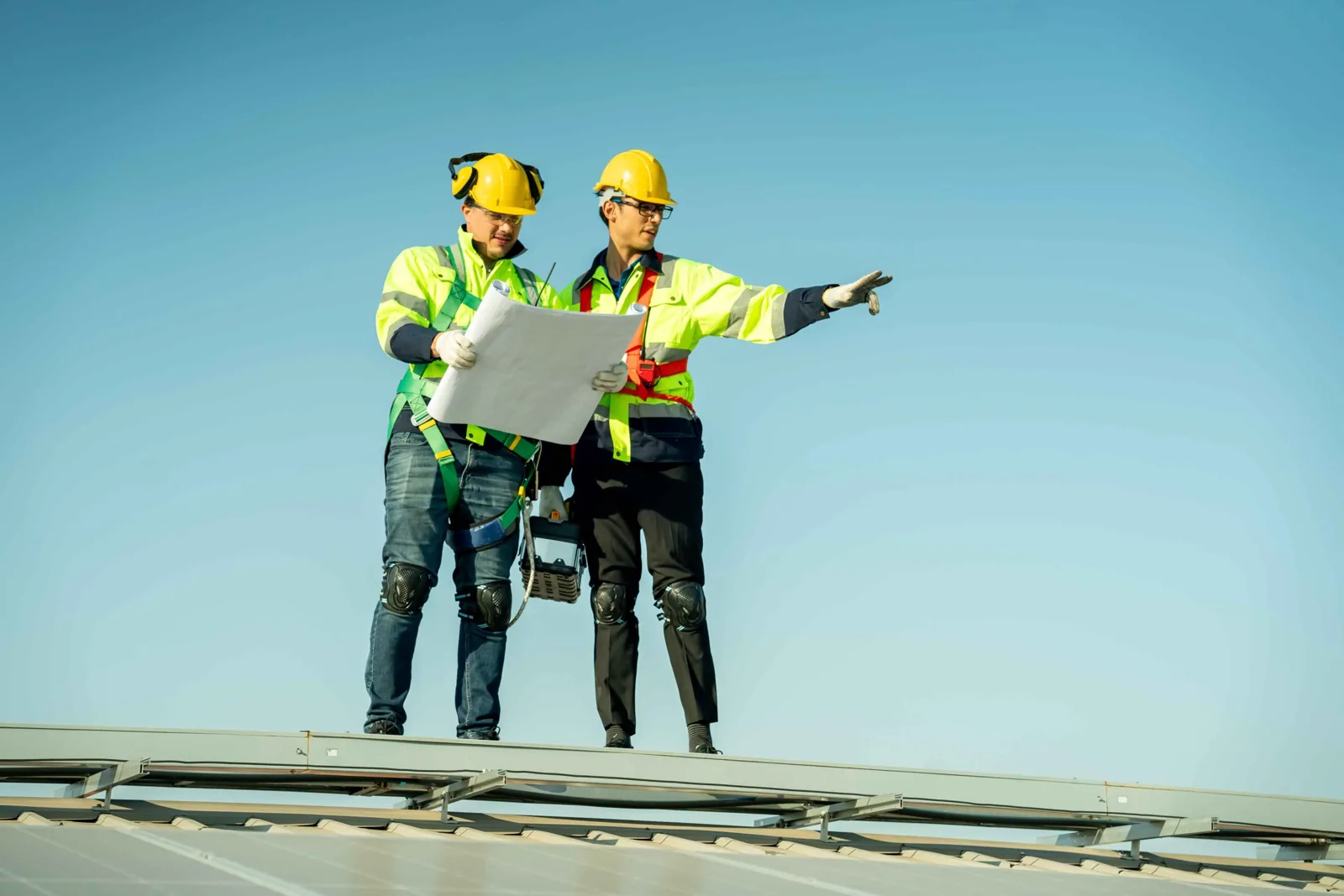
Roof conditions recorded with photos and written findings.
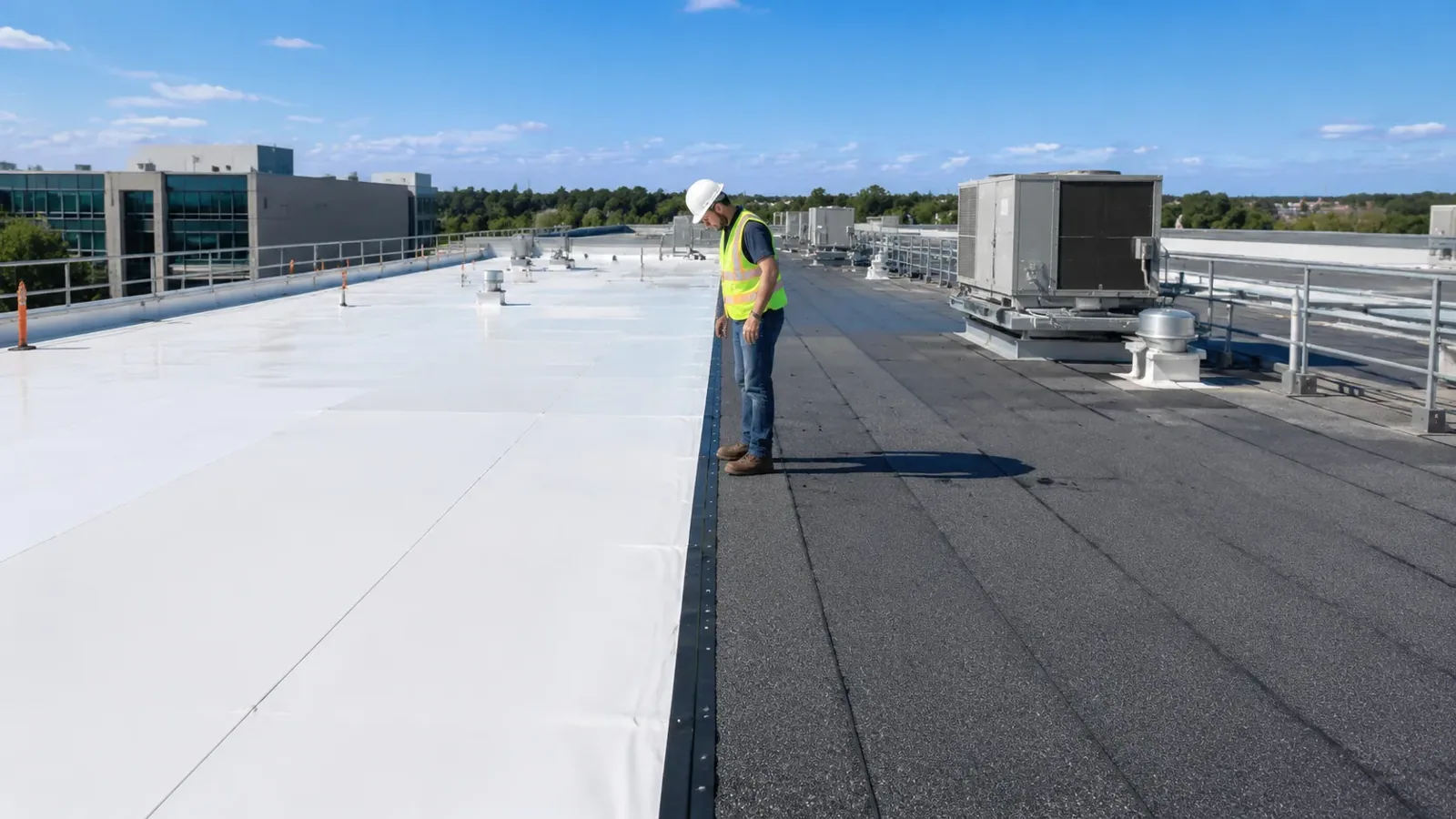
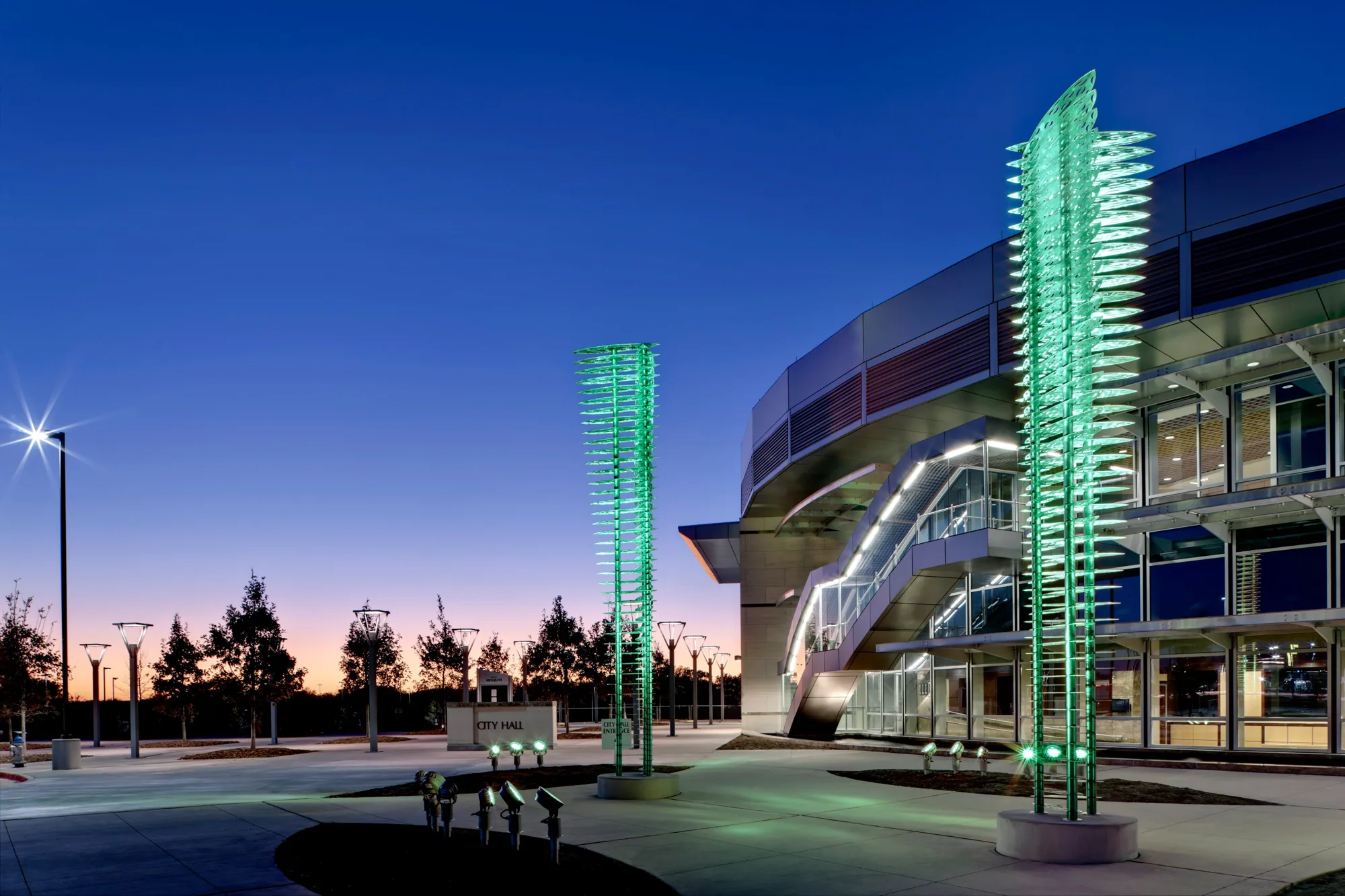
Work planned around the building and its daily operations.