Commercial Roofing for Property Managers in Mesquite, TX
A leak ticket becomes a portfolio problem when water crosses a tenant space, stockroom, or shared corridor before the next shift. We separate immediate protection from the permanent repair, then mark the roof section that needs attention. For a manager with several addresses, the first call should identify which building is affected, who can release roof access, and what activity sits below the leak. We inspect the membrane, seams, curbs, drains, and prior patches, then return a photo record tied to the building and repair boundary.
Mesquite's business mix includes manufacturing, logistics, retail, energy technology, furniture, and commercial development. Those uses create different access windows and interior risks. A service request near the Town East-Skyline industrial district may involve loading movement; a storefront in the Town East Retail and Restaurant Area may require customer-side protection. A warehouse manager can use the logistics portfolio to set a separate dispatch window. We do not treat those settings as interchangeable. Each roof gets its own inspection, work zone, and approval record.
Which Property Needs Attention First?
We rank a roof by active water, safety exposure, and what the affected area supports. Water over electrical equipment, inventory, or an occupied suite needs a protection decision before routine surface wear. We ask for the leak timeline, ceiling location, recent roof work, and any change in the symptom after rain. Those details guide the first roof walk. They do not replace it. The crew checks uphill from the interior mark because water can travel along insulation or a deck before becoming visible.
Mesquite's commercial properties sit across several separate business districts. A manager overseeing multiple addresses may face different dispatch and access conditions at each one. The emergency roof response addresses active entry and temporary protection; a scheduled roof inspection can then establish whether the issue is isolated or part of a broader condition. We document the two scopes separately so the urgent call does not decide the capital plan by itself.
How Do We Keep One Roof From Becoming a Portfolio Assumption?
Every property receives a separate roof-section map, photo set, condition note, and next action. Similar membrane types do not prove similar condition. We record observed seams, edge metal, drainage, penetrations, patches, and interior symptoms for the building inspected. If a portfolio has matching construction dates or repair histories, those records can help set a review sequence, but they do not confirm that an unseen roof has the same failure. The manager can compare findings without merging them into one unsupported conclusion.
Town East and Skyline include industrial property alongside retail and mixed-use commercial districts. That mix makes a single access procedure impractical across all assets. We note tenant notice, staging limits, roof access, and the area below each work zone. For a broader condition register, our multi-site roof program can organize inspections and repair status by address. A condition report adds section-level photos and priorities, leaving ownership with a usable record rather than a list of disconnected leak tickets.
What Belongs in the Repair Limit?
A repair should name the failed detail, surrounding material, and finish point. At a seam, we check whether the bond remains sound beyond the opening. At a curb, we inspect corners, flashing height, counterflashing, and movement at the equipment base. At a drain, we follow the flow path and check the bowl, clamping ring, and nearby low areas. If insulation feels soft or a moisture survey points beyond the visible defect, we mark the area for confirmation before closing the membrane.
Managers can approve work more clearly when the scope distinguishes patching, wet-insulation removal, drain correction, and temporary dry-in. A bounded defect may call for a commercial roof repair. Repeated failures, widespread moisture, or unstable attachment may lead to a replacement or recovery review instead. For a system-specific question, we can inspect a TPO roof assembly or another membrane without assuming the property uses that material. The recommendation follows the roof opened and tested, not the appearance of a neighboring building.
How Can Tenant Activity Stay in the Work Plan?
Occupied work needs a named contact, an approved roof-access window, and protection below the repair. We identify ladders, lift placement, delivery timing, noise limits, and any space that cannot be closed during business hours. A repair over a restaurant service area may need a different sequence from work above a warehouse aisle. Our crew can divide a larger scope into roof sections, secure exposed materials at the end of each shift, and leave the next work zone clear for the manager to release.
The Skyline industrial district includes shipping and distribution activity. At a building there, the property's dispatch calendar controls the work window; planning context does not replace the facility's own schedule. We confirm the loading lane, pedestrian route, and interior protection before staging materials. If water control cannot wait, occupied-building roofing can be sequenced around the operating plan while the permanent scope remains clear.
What Should Ownership Receive After the Visit?
The closeout should let a manager explain what was found, what was repaired, and what remains unresolved. We provide dated photos, roof-section references, material notes, and the completed repair limit. If a test cut is needed, the record states where it was made and how the opening was restored. If an area remains under observation, we identify the next check rather than calling it fixed. That distinction helps the property team set tenant expectations and avoid reopening a closed ticket without new evidence.
Mesquite includes schools and commercial development alongside manufacturing and logistics. Public-facing businesses and back-of-house facilities can both need a record that stands apart from a single work order. A school district managing several occupied buildings can use the same section-level discipline without assuming every roof has the same condition. For planned upkeep, preventive roof maintenance can document drains, seams, edges, and vulnerable transitions at agreed intervals. A roof replacement review can use the replacement scope to state tear-off depth, insulation work, edge details, and daily dry-in. The manager gets a decision record for each asset, with no assumption carried from one roof to another.
Commercial Roofing Questions
Can you respond to leaks at more than one managed building?
Yes. We log each address, reported area, access contact, and current water condition separately. Active entry gets a protection plan first. We then schedule a roof inspection for each property so the repair limit reflects that building's assembly and findings. A shared portfolio record can track status without treating one roof as evidence for another.
What should I send before the inspection?
A roof plan, prior repair notes, leak dates, interior photos, and the tenant's available access window help us choose the right first check. Include equipment or loading restrictions and identify who can approve work below the roof. We confirm the route and safety controls before the crew starts.
How do you distinguish a temporary fix from completed repair?
The closeout names temporary protection separately from permanent work. We photograph the condition before and after, identify the repaired seam or flashing, and state whether moisture or adjacent material still needs review. That record gives the manager a clear handoff for tenant communication and the next roof decision.
When does a recurring leak justify a larger scope?
A repeat symptom calls for another boundary check, not an automatic replacement. We compare prior repair locations with the roof condition, drainage path, attachment, and any confirmed wet insulation. If failures extend across a section or the assembly will not support a durable local repair, we price the next appropriate option and define its limit.
Can tenant operations continue while roof work is underway?
Usually the work can be divided into controlled zones, subject to safe access and the building's schedule. We agree on notice, staging, interior protection, and an end-of-shift dry-in before the crew mobilizes. The manager releases each work area when the conditions below are ready.
Set the First Roof Visit
Send the property address, leak timeline, roof plan if available, affected tenant area, and the next safe access window. We will inspect the reported section, protect active operations, and define the repair boundary before proposing the next scope.
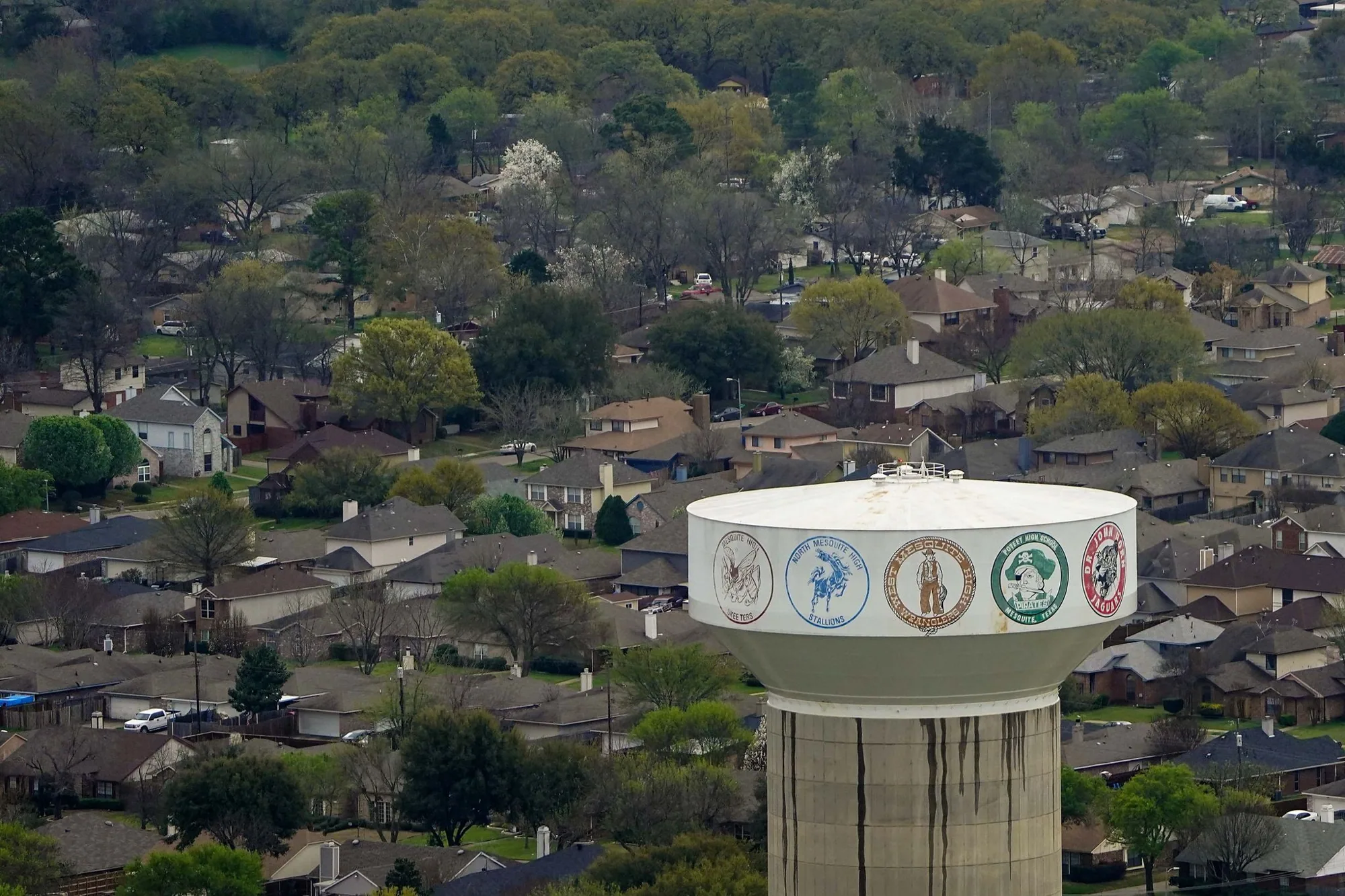
Scope, access and schedule reviewed before work begins.