

Commercial Roofing
Roof Damage Repair
Roof Damage Repair
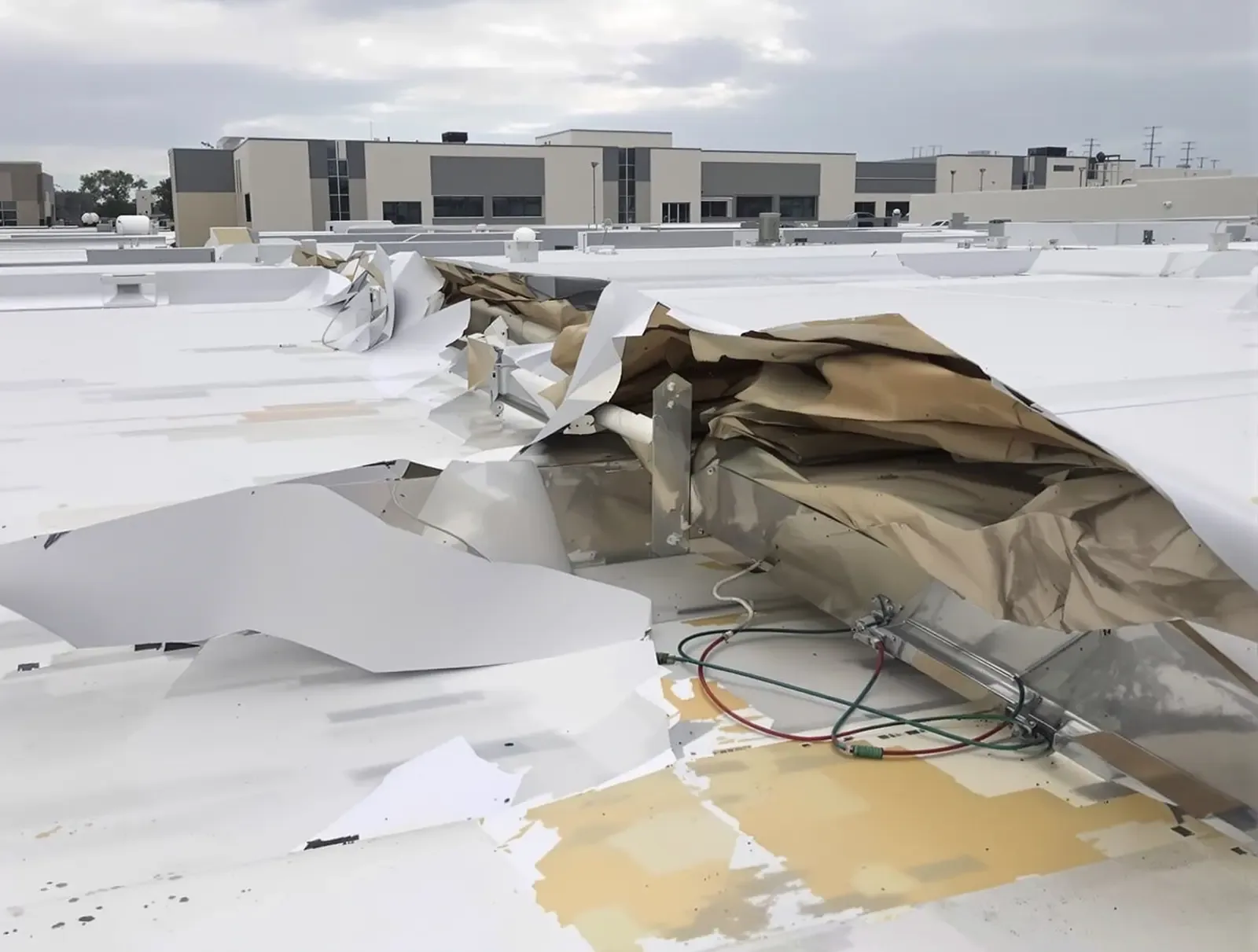
Commercial Wind Damage Roof Repair
Roof Damage Repair
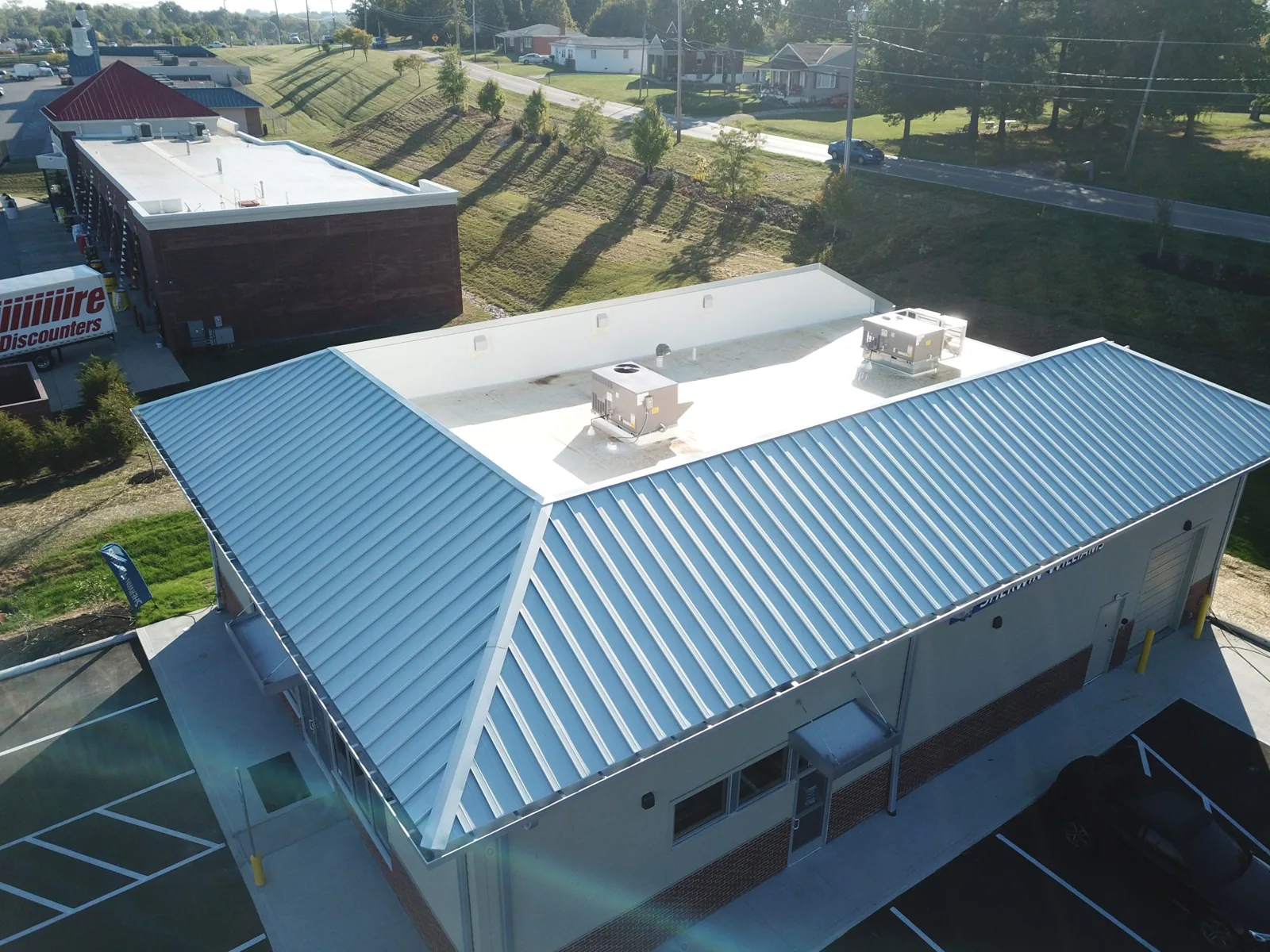
Commercial Ponding Water Roof Repair
Roof Damage Repair
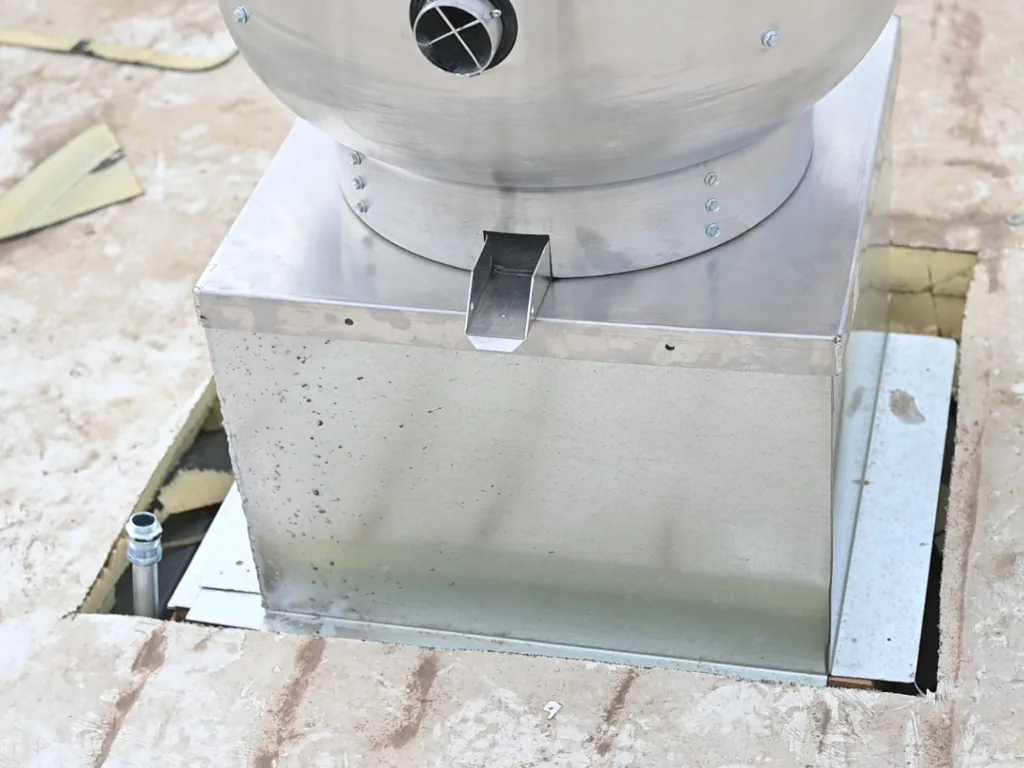
Commercial Flashing Failure Roof Repair
Roof Damage Repair
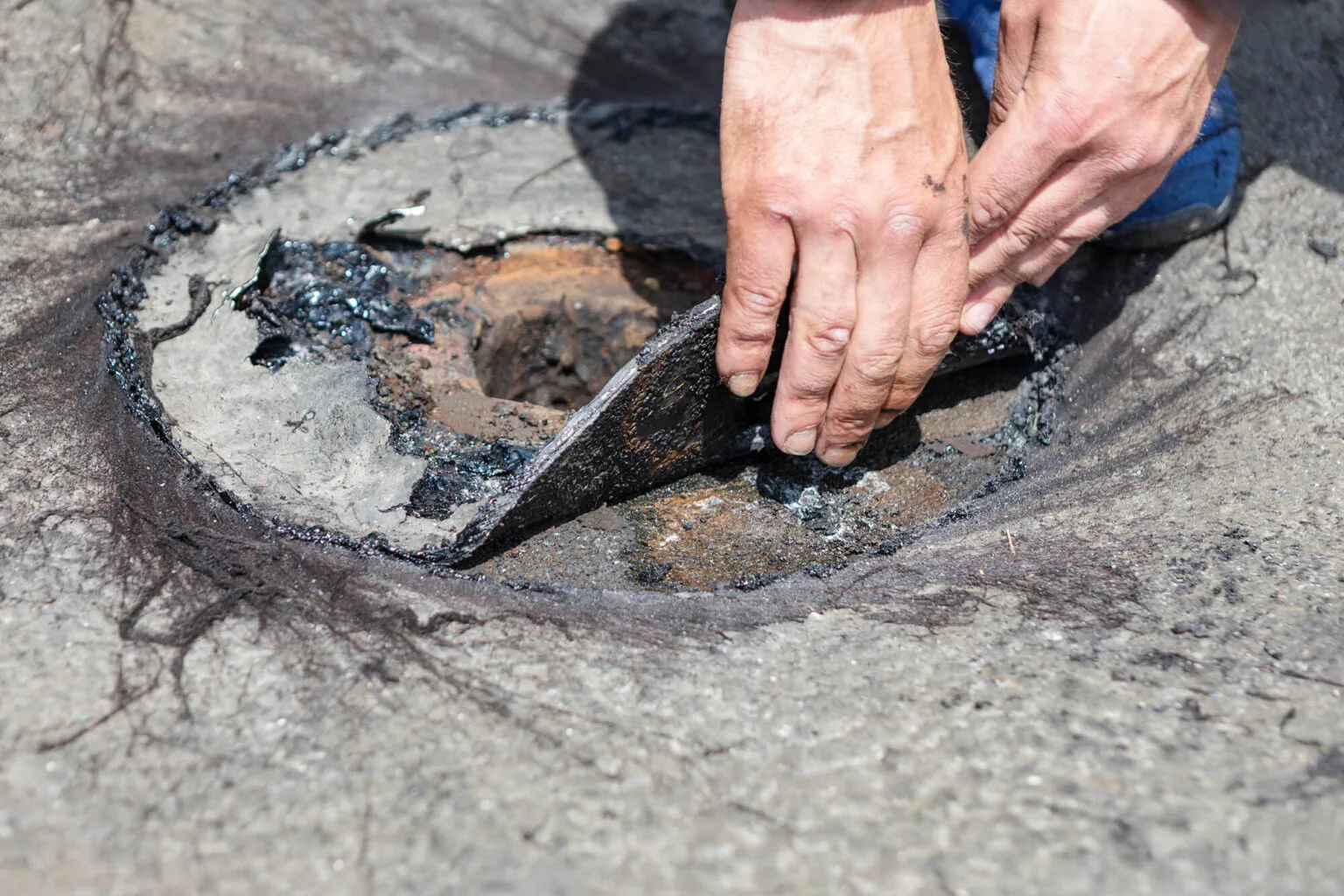
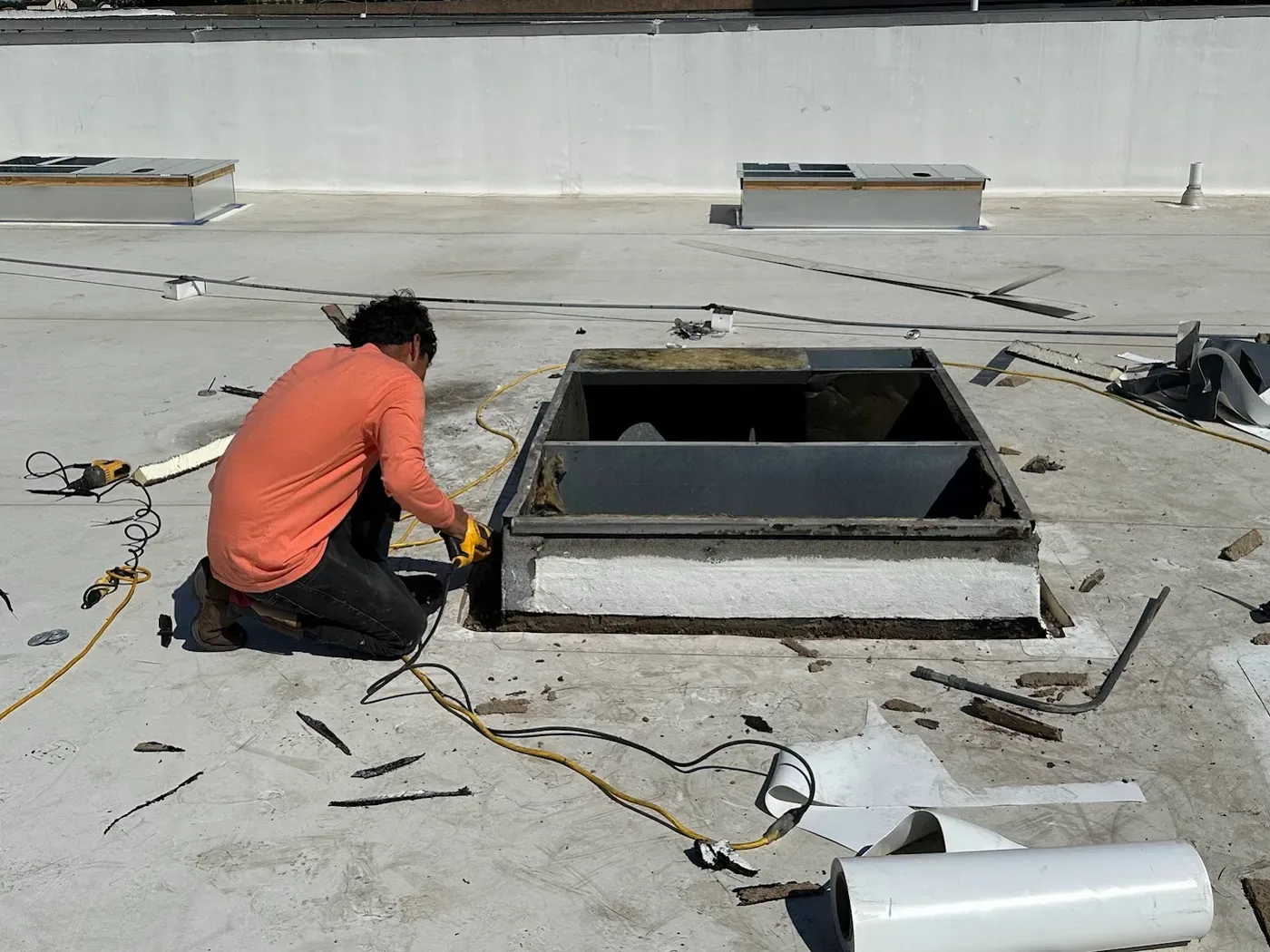
Commercial Roof Seam Failure Repair
Roof Damage Repair
Commercial Membrane Puncture Repair
Roof Damage Repair
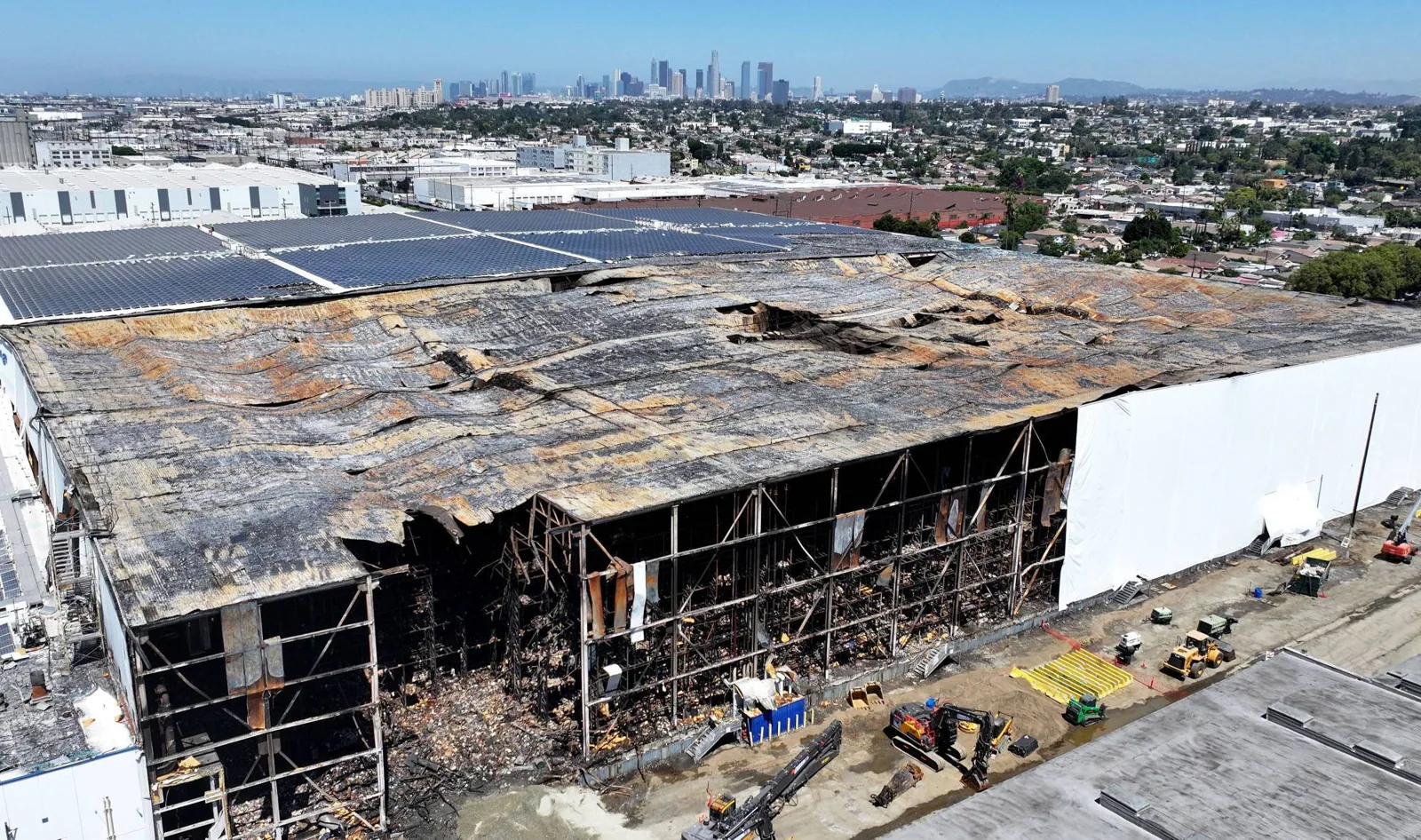
Commercial Fire Damage Roof Repair
Roof Damage Repair
Commercial Hail Damage Roof Repair
Roof Damage Repair
Commercial Tornado Damage Roof Repair
Roof Damage Repair
Commercial Heat and UV Roof Damage Repair
More About Roof Damage Repair
What Did the Roof Section Take?
Hail review checks punctures, fractured surfacing, damaged metal, and impact marks alongside the assembly's existing condition. Wind review checks perimeter metal, seams, fasteners, and membrane attachment. We photograph the condition and note whether it is consistent with the reported event or requires further testing.
Heavy rain can expose a drainage or flashing issue without identifying its cause. At the Skyline Logistics Hub and the Urban District 30 business park, we plan roof access around active operations, then inspect the individual property. The district name does not tell us the roof's age, system, or condition.
Where Is Water Moving Now?
An interior drip may sit downhill from a seam, curb, drain, or penetration. We map the symptom, inspect uphill transitions, and identify insulation that may need a test opening. Flashing repair addresses a failed transition; seam repair follows the membrane assembly and bonding method.
When the roof has standing water, a ponding-water review checks drains, slope, and the path to each outlet. A membrane puncture repair needs a compatible patch and sound surrounding material. We note temporary coverage separately from permanent repair.
How Is the Repair Limit Recorded?
Our inspection record ties photos to roof sections, observed defects, and next checks. Heat and ultraviolet exposure can age exposed materials, so heat and UV review looks at surface condition and vulnerable details. If fire has affected the assembly, fire-damage assessment identifies the damaged area and what requires replacement or testing.
Claim documentation can help organize observations and proposed work, but the insurer decides coverage. We keep the record factual: what was seen, what was protected, what was repaired, and what remains to be checked. The owner can use that record for operations and follow-up.
What Happens Before Permanent Work?
We confirm access, interior protection, loading periods, and equipment that must stay in service. The work zone is marked before the crew stages materials. If conditions change during the visit, we identify the safe temporary measure and return path for a permanent repair.
Send the event date, leak timeline, roof plan, prior repair notes, and photos from inside. We will inspect the affected section, record the boundary, and explain which work addresses immediate water movement versus lasting correction.
Commercial Roofing Questions
Does a hail report establish that my roof needs replacement?
No. We inspect the assembly, photograph observed conditions, and check for impacts or openings that affect performance. The extent of damage and the condition of insulation, seams, and details guide repair or replacement discussion.
Can emergency coverage count as the permanent repair?
Temporary protection limits immediate water entry when conditions allow. We document its coverage and limits, then inspect the assembly to set a permanent repair scope.
What records help after a wind or hail event?
The event date, leak timeline, roof plan, maintenance history, and interior photos help us focus the visit. We add dated roof photos and condition notes for the owner's records.
Will the inspection tell us what the insurer will approve?
Our report documents observed roof conditions and proposed work. Coverage and claim decisions belong to the insurer, so we keep field findings distinct from that determination.
Document the Roof Condition
Call with the event date, leak locations, roof plan, and facility schedule. We will identify the first protection step and inspect the affected sections.