
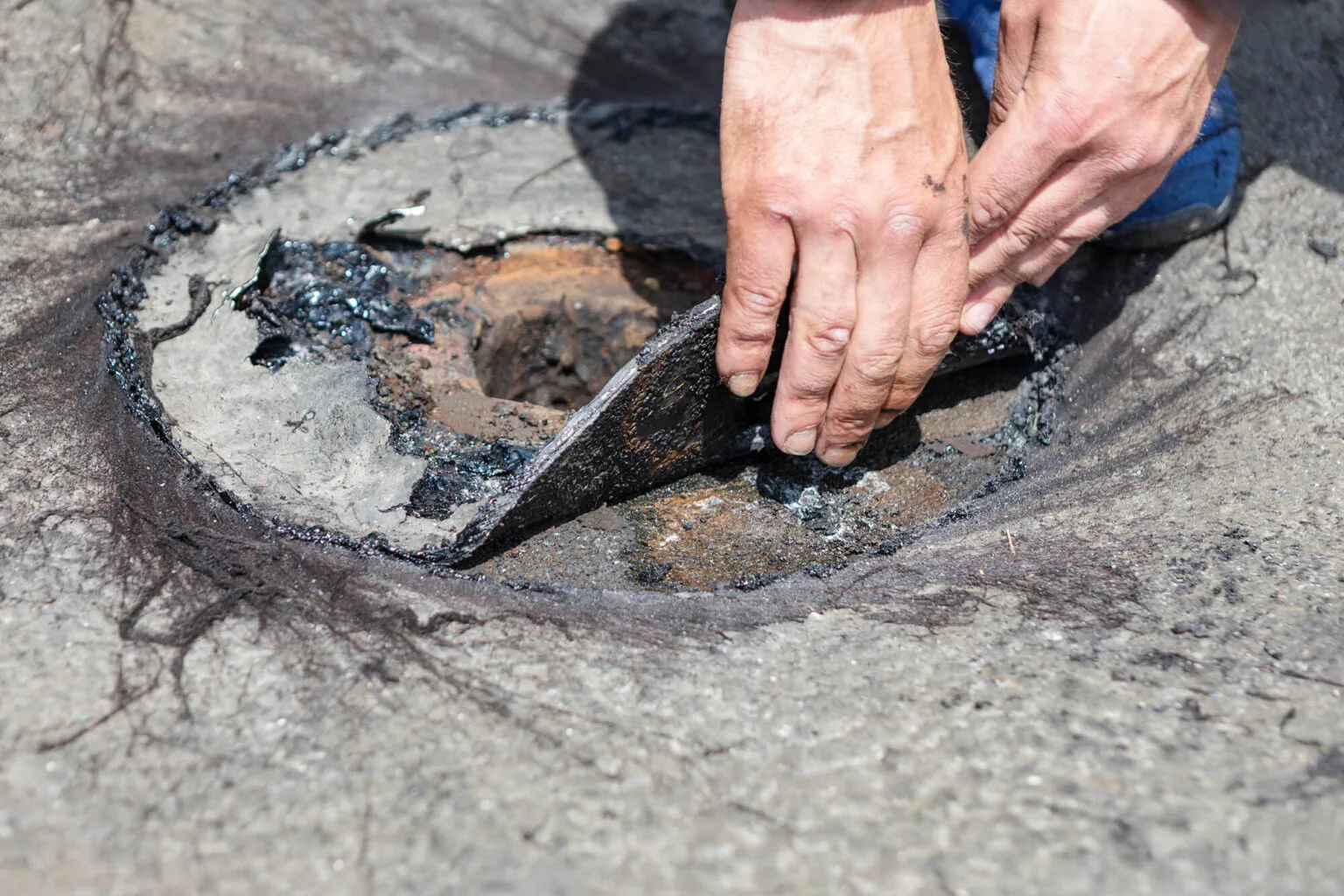
Commercial Roof Seam Failure Repair in Mesquite, TX
A seam opening above a production line or tenant space needs a verified tie-in before the next shift takes control. We identify the membrane, inspect the split, and trace water toward its source before setting the repair boundary. The Skyline Logistics Hub extends around Big Town and Town East Boulevards. A seam inspection still needs the property manager's access route and the roof section's own moisture evidence. The report identifies what is open, what is wet, and which adjacent area needs a test.
In DFW, spring brings the region's highest severe-weather activity. That seasonal risk can justify checking exposed laps, but an event report cannot identify a failed seam at one address. A commercial roof inspection in the Town East-Skyline area begins with field evidence at the property. The facility contact supplies the loading or occupancy window; our inspection establishes the repair limit.
What Opened Along the Lap?
We inspect the seam edge, weld or adhesive bond, contamination, patch history, and movement at nearby penetrations. A narrow split may extend farther beneath a patch than the surface shows. On a thermoplastic roof, a probe can identify an unbonded area, but the substrate and sheet condition still matter. On other membranes, the repair method changes with the installed system. We mark each defect and photograph its relationship to the roof section.
Water can enter at one point, then follow an insulation joint or deck flute before reaching the room below. We compare the ceiling report with the seam and nearby curbs, drains, and edges. A commercial roof inspection includes the adjacent details that could explain the same water path. If ponding remains near the opening, a ponding-water assessment can distinguish retained water from the seam failure itself.
Why Did the Seam Release?
Heat, moisture, poor preparation, incompatible repair material, movement, and attachment loss can contribute to seam failure. We look for a repeated pattern before deciding whether one opening is isolated. A repair installed over dirt or a damp surface may not hold. A loose perimeter or weak substrate can transfer movement into the lap. The inspection records which condition is visible and which still needs confirmation.
Mesquite's industry mix includes food processing, distribution, chemical products, production technology, and machinery. A roof over an active facility may have equipment routes, exhaust points, or shift limits that change how the seam can be opened and closed. We record those operational constraints beside the affected section. If wind also moved edge metal or panels, a wind-damage review documents those separate findings and avoids folding unrelated defects into one repair quantity.
Which Repair Can Hold at the Tie-In?
The material must match the existing membrane and the condition around the split. A TPO or PVC lap may need compatible sheet, cleaning, and controlled welding. An EPDM repair uses a different preparation and seam treatment. Modified bitumen and built-up roofs require their own cap-sheet or asphaltic detail. We test and prepare the surface under the applicable system instructions, then tie the correction into material that remains secure. A TPO seam review can help when that is the roof assembly on site.
If wet insulation or a weak deck extends beyond the visible opening, a surface patch would leave the underlying problem. We define removal depth, substrate correction, and the daily dry-in point. Where a wider section has repeated failures, the owner can compare local work with recover or replacement planning. The proposal separates confirmed work from concealed conditions and states who approves added removal if a test exposes more damage. We check the next seam segment before setting the repair endpoint. We also note whether rooftop service equipment, prior coatings, or an older patch affects surface preparation. That information helps the crew arrive with compatible material and a controlled closure plan rather than widening the opening without approval.
How Should a Mesquite Repair Window Be Set?
Dallas County tornado records extend from 1880 to the present. That long record supports keeping a safe-weather check in the work plan; it does not tell us whether a particular property has storm damage. We review the forecast before opening a seam and set temporary closure limits that can be completed within the approved shift. A roof visit near the Skyline Logistics Hub also needs the operator's route for lifts, tools, and debris.
For an occupied building near Downtown Mesquite, roof entry and the space below the repair may have separate release contacts. We list both, along with any equipment shutdown or loading restriction. If weather or access changes, the crew closes the work zone at the pre-agreed boundary and reports what remains. The facility director receives an updated status before the next shift resumes work around that section.
What Should the Seam Record Preserve?
Keep the roof area, membrane type, split location, preparation, material, and final tie-in in the repair file. Photos should show the seam before work and after the new edge is closed. We record moisture tests, removal limits, and any part not opened. A roof condition report can keep those observations with the roof plan and set a return check for the same lap.
A later maintenance visit can probe the repaired edge, inspect nearby transitions, and note whether the seam remains bonded. If a new split appears nearby, the record helps distinguish recurrence from another cause. A repair is complete only for the boundary inspected and approved. The owner receives a clear next step for any area left untested rather than a roof-wide statement based on one repair. The file also preserves splice width, photographs, and test results beside the exact roof-plan reference for the repaired lap.
Commercial Roofing Questions
Can an open seam be welded without replacing the whole roof?
A localized weld or compatible seam repair may work when the surrounding sheet remains sound and attached. We inspect the split, test the material, and check for wet insulation or movement before setting the boundary. If failures repeat across sections or the deck is compromised, a larger repair or replacement comparison may be more appropriate.
Why did a repaired seam open again?
The patch may have stopped at an unstable edge, used an incompatible material, or covered a section with moisture or attachment loss. We inspect the prior repair and test the adjacent membrane before preparing a new tie-in. The report identifies what is confirmed and what requires a small opening to establish the full limit.
Can rain enter through a seam that looks closed?
A surface may conceal a partial bond, lifted edge, or opening beneath an older patch. We probe the seam, inspect nearby transitions, and compare the roof detail with the interior leak location. If visible review cannot establish the path, a test cut or moisture scan can guide the next decision.
What changes the price of seam repair?
Membrane type, split length, access, substrate condition, wet insulation, and the amount of secure material available for a tie-in all affect scope. Work may also require a controlled opening and a protected dry-in period. We state the measured repair boundary and the approval point for concealed conditions before work begins.
What should we do if water is still coming inside?
Protect the affected room or equipment and mark where water appears. We can establish temporary control when access is safe, then trace the roof path and record the seam condition. The permanent scope follows after the membrane and any wet layers are checked. Temporary measures stay identified as temporary in the handoff.
Test the Seam Before Closing the Work Order
Share the leak location, roof plan, membrane records, prior repair photos, and operating window. We will inspect the lap, trace moisture, and define a compatible repair that ties into sound material.
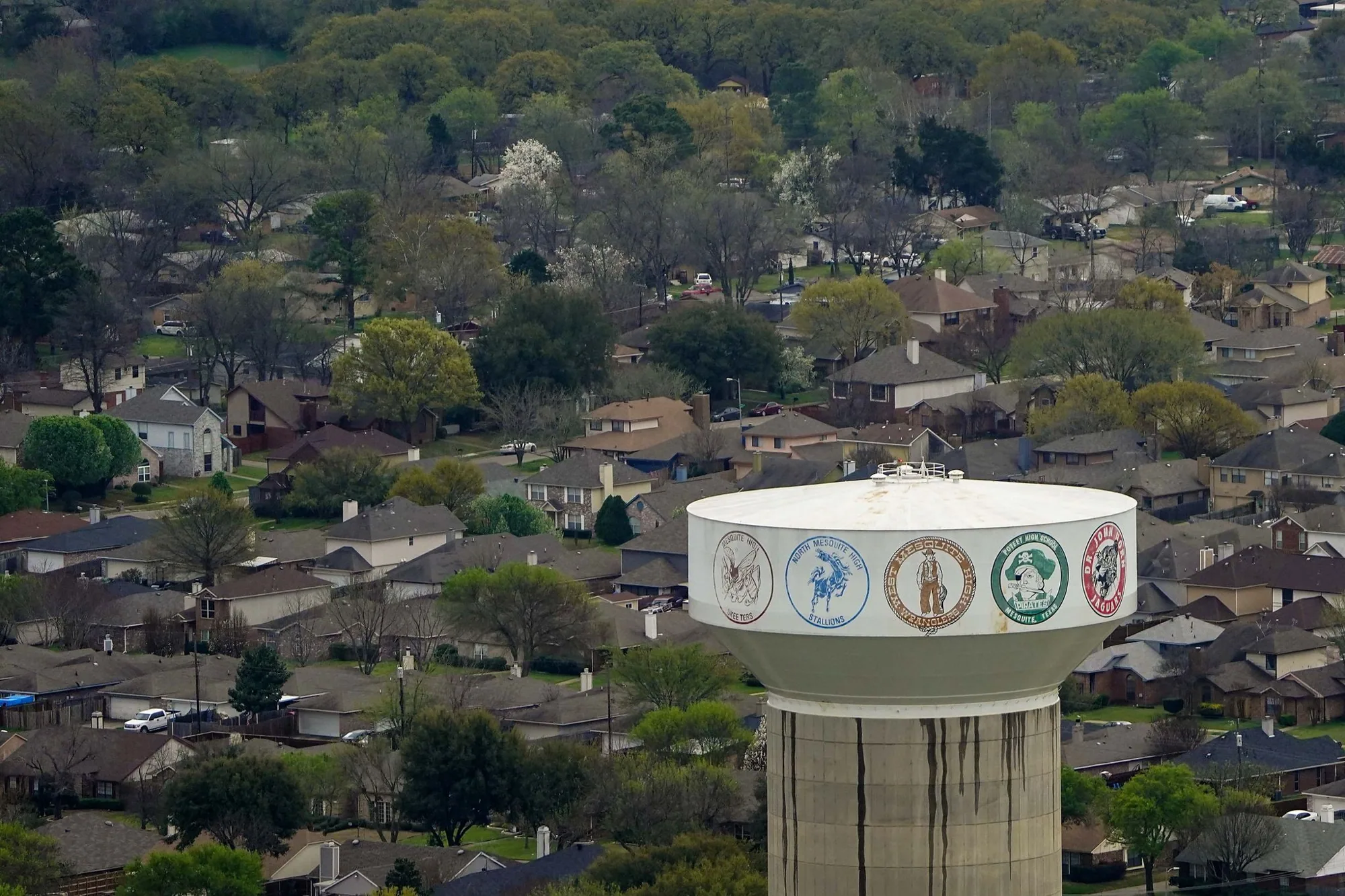
Scope, access and schedule reviewed before work begins.

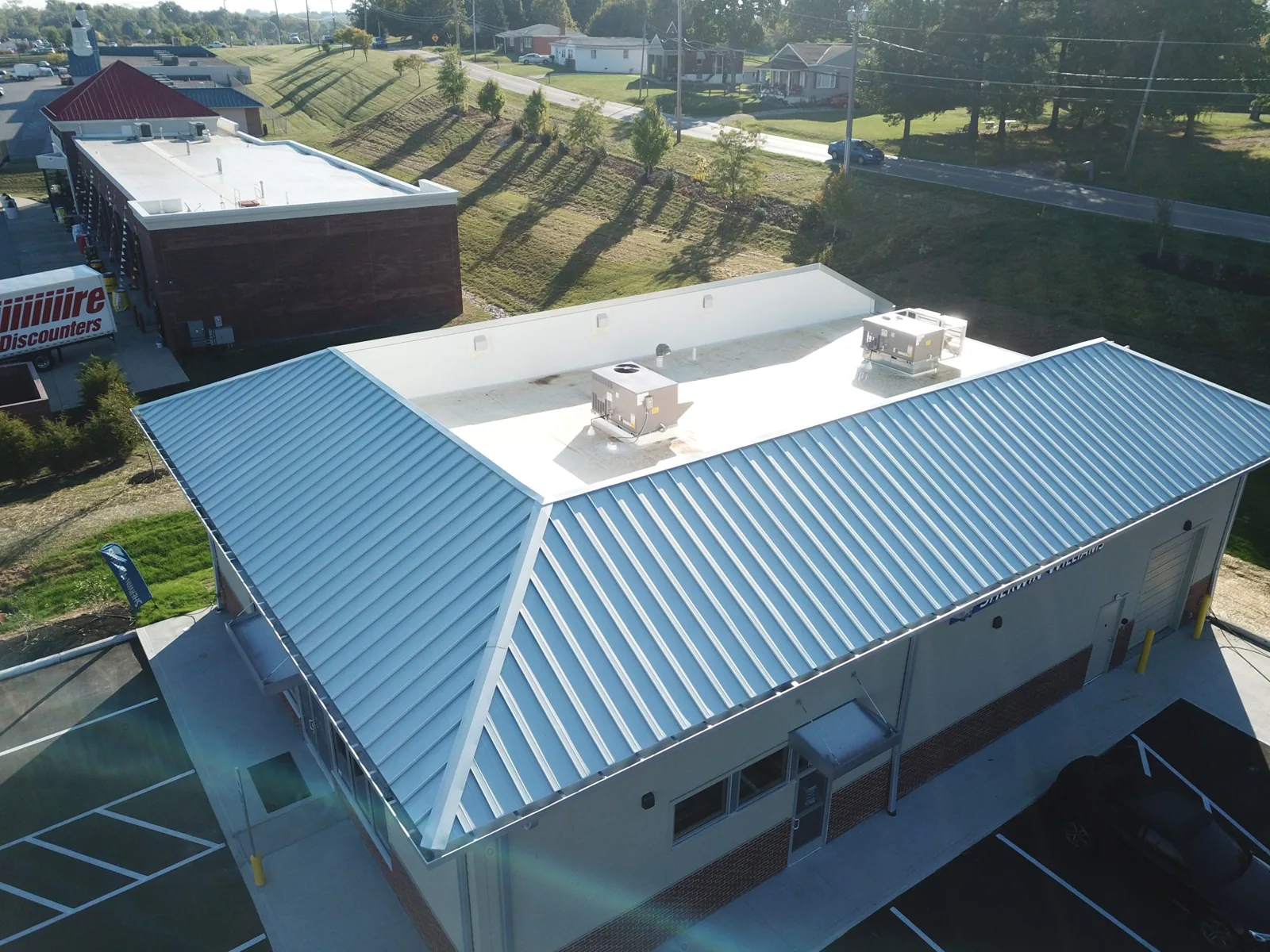
Work planned around the building and its daily operations.