
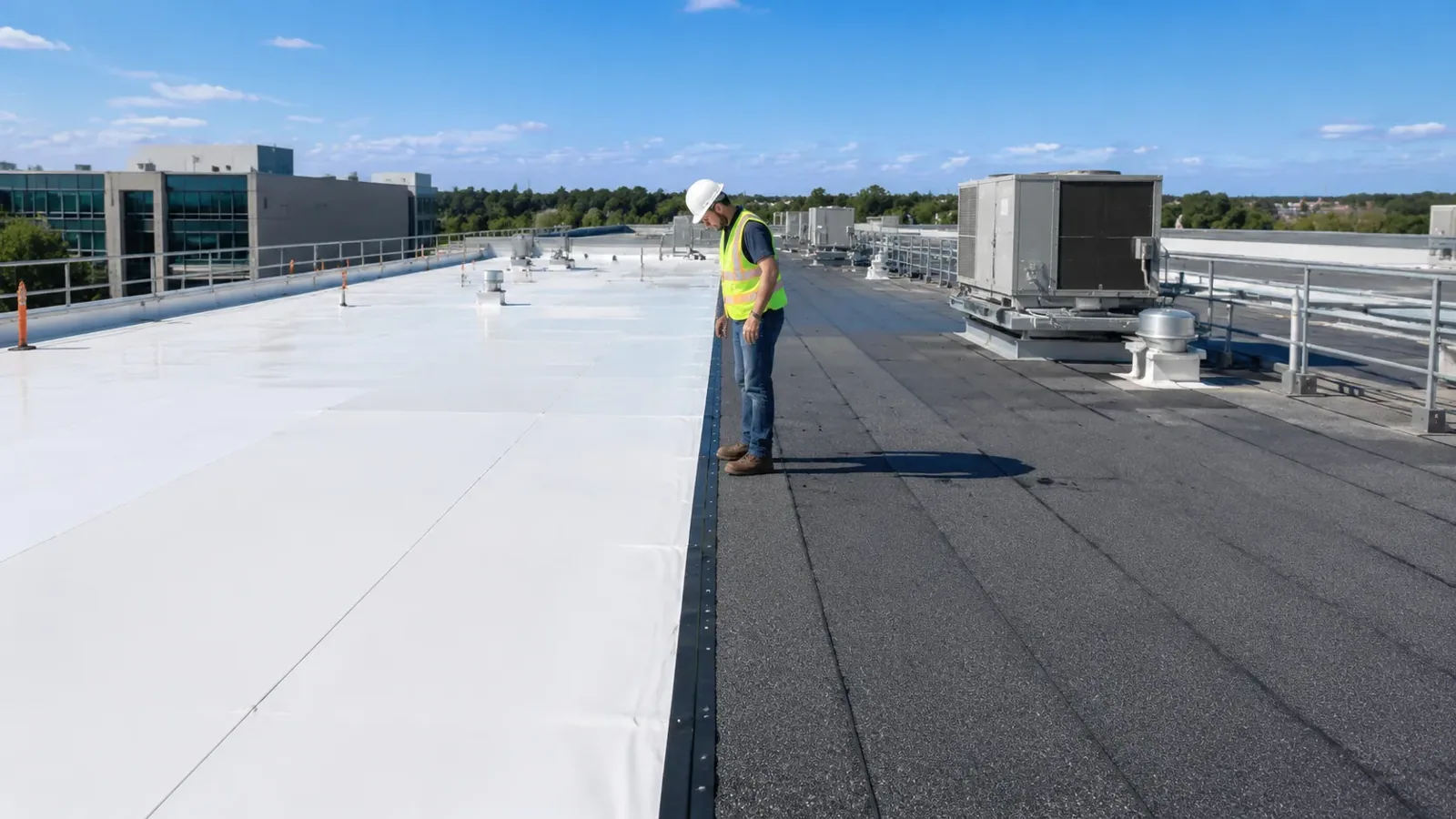
Commercial Modified Bitumen Roofing in Mesquite, TX
A split cap sheet or open lap can let water into a modified bitumen roof, but the failure may extend below the surface. We inspect the exposed layer, seams, flashing, surfacing, and drainage before choosing a repair. SBS and APP products differ, and the existing roof may contain several plies from more than one installation. We identify what is present and mark the repair boundary so the owner knows whether a patch can restore the section or whether removal is needed.
U.S. 80 links Mesquite's Skyline industrial planning area with Big Town and Town East districts. Garland's I-30 catalyst area is another visible commercial corridor toward Lake Ray Hubbard. Each area can involve different access and delivery needs, but the roof system must be verified at the building. A commercial roof inspection along U.S. 80 starts with the roof plan and the exposed membrane, not an assumption about the site's age or construction.
Which Layer Has Lost Its Bond?
Modified bitumen roofs use asphalt-based sheets with reinforcing layers. We check whether the cap sheet is split, granules have worn away, a lap is open, or water has reached the base ply. A surface crack can expose reinforcement, while a blister may indicate trapped moisture or loss of adhesion. We probe the area carefully and compare it with nearby sound material before cutting. If water has spread below the visible defect, the repair must include that affected layer.
The surface finish also changes how the roof should be inspected. Granule surfacing, coatings, and mineral or smooth finishes each show wear differently. A patch needs compatible materials and a prepared substrate. Applying a coating across a loose lap does not restore the bond between plies. If moisture remains uncertain, a roof moisture survey can select test points. The test opening confirms which plies are wet and where dry material begins.
How Does the Existing System Affect Repair?
Modified bitumen may be installed with heat welding, cold adhesive, or self-adhered sheets, depending on product and project requirements. We identify the application method before starting. A torch-applied repair needs a controlled work area and fire precautions. A cold-applied product still requires clean, dry surfaces and the correct adhesive. The repair detail should match the sheet and the roof's existing layers rather than combine products by convenience.
At a parapet, curb, or drain, the membrane turns up or connects with metal and other materials. We inspect corners, base flashing, termination bars, and the transition to the field. A drain and scupper repair can correct a low point that keeps water against a lap. Edge metal and coping work may be needed where the roof terminates at a wall. The built-up roof assembly uses multiple plies as well, but its surfacing and repair details are not identical.
Project access matters during adhesive or heat work. We confirm ventilation, fire watch requirements, and interior protection with the facility before staging material. No repair begins until the work zone and closeout method are clear.
Can a Local Repair Hold the Section?
A repair can be considered when the damage is limited, the surrounding plies are bonded, and the substrate is sound. Repeated blisters, widespread splits, saturated insulation, or multiple failed patches can point to a broader assembly problem. We map defects, check the deck and insulation where opened, and identify whether the cap sheet and base layers remain serviceable. That record supports a choice between a local repair, selective removal, recover, or replacement.
The U.S. 80 corridor has been considered for industrial, retail, restaurant, and entertainment development. Those area uses can change traffic and access, but they do not establish the composition of a roof. At the property, we confirm the actual assembly and any prior overlays. The Garland I-30 service area also includes changing commercial conditions, so we set staging and roof access with the site contact rather than presume a delivery window.
If the roof is dry and stable, an overlay may be evaluated against drainage, existing layers, and structural limits. A single-ply EPDM system is a different assembly, with different seams and flashing methods. The owner should compare those approaches only after the current roof has been documented.
What Changes During a Mesquite Summer?
Hot, humid DFW summers affect the surface temperature and handling of asphalt-based sheets. Application conditions and manufacturer instructions govern whether heat or adhesive work can proceed. We check the roof surface, wind, and surrounding operation before starting. Regional climate records do not tell us the temperature on a particular roof or prove a material defect. The field condition sets the next step.
Spring storms in the Dallas-Fort Worth region can bring heavy rain, hail, and damaging wind. We secure the roof at the end of each shift and keep a dry-in boundary around open work. A storm assessment can document actual punctures, displacement, or impact after conditions allow safe inspection. If water enters before permanent work can be completed, temporary roof protection can reduce interior exposure within the authorized access window.
The crew stages rolls and kettles, where applicable, away from drains and public routes. The facility confirms where deliveries can wait and which hours avoid peak traffic or occupancy. We coordinate any hot-work controls before material moves onto the roof.
What Should the Owner Keep After Repair?
The repair file should list the roof layers observed, application method, materials used, test cuts, photos, and repair limits. Mark drains, wall transitions, and any area not opened. If moisture or substrate damage remains outside the approved scope, note it so the next project does not treat the surface repair as a full assembly correction. The record gives maintenance staff a location and condition to revisit.
A follow-up inspection can check the repaired lap and adjacent details after weather exposure. Planned maintenance can track surfacing, seams, and drainage across roof sections. If failures continue, the owner has a basis for comparing targeted repair with replacement rather than repeating isolated patches.
Commercial Roofing Questions
How can you tell whether modified bitumen has more than one failed ply?
We inspect the surface, probe the lap, and open selected test areas where needed. The layers show whether moisture or loss of bond extends below the cap sheet. A visible crack does not establish the full repair boundary. We mark where the plies remain bonded and where material needs removal so the repair reaches a sound substrate.
Can you repair a torch-applied modified bitumen roof safely?
Heat work requires a controlled work zone, approved fire precautions, and suitable roof and weather conditions. We confirm facility controls, nearby combustible materials, access, and fire-watch requirements before selecting that method. If heat cannot be used safely or the product calls for another application, the crew follows a compatible alternative allowed by the project.
What causes blisters in a modified bitumen roof?
Trapped moisture, air, or loss of bond can contribute, but a blister should be inspected before it is cut or covered. We check the surface, nearby seams, and the layers below to determine whether it is dry and stable. The repair plan addresses the cause and the affected plies, not only the raised area.
Can a coating restore a worn cap sheet?
A coating may be considered only when the existing roof is suitable, dry, and prepared for the selected product. Loose plies, open laps, and wet insulation need correction first. We check adhesion and identify repairs before discussing restoration. If the assembly has broad damage, replacement or selective removal may be a better fit.
What should we document after a modified bitumen repair?
Keep the materials and application method, photos, opened layers, test locations, and limits of the repair. Mark any adjacent defect that remains outside scope. That lets the next inspection compare the same detail and determine whether a new symptom follows the repaired lap or another roof path.
Check the Layers Before Patching the Cap Sheet
Share the roof plan, repair history, leak location, and access schedule. We will inspect the plies, flashings, surfacing, and drainage, then set a repair or replacement boundary by section.

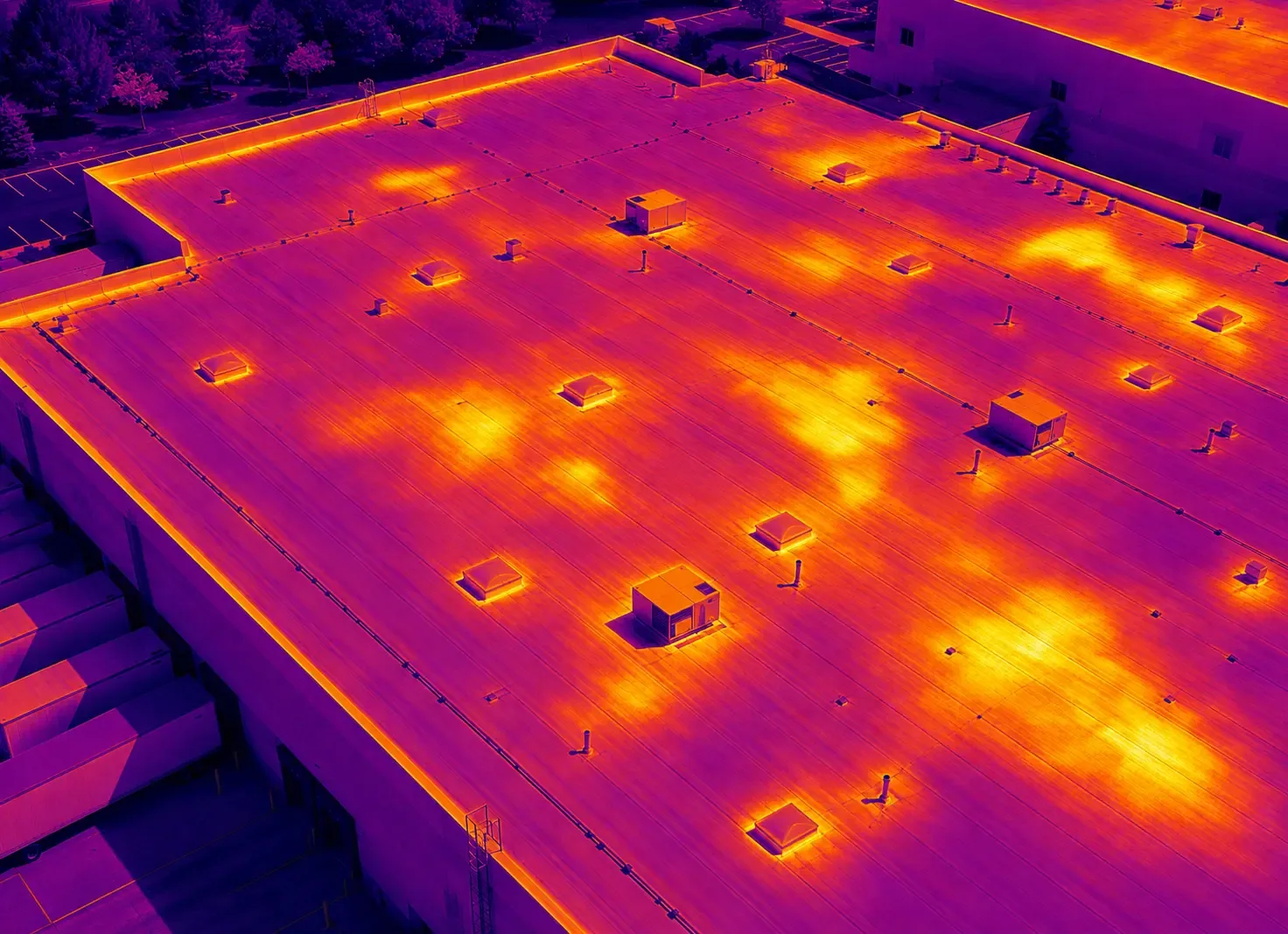
Roof conditions recorded with photos and written findings.
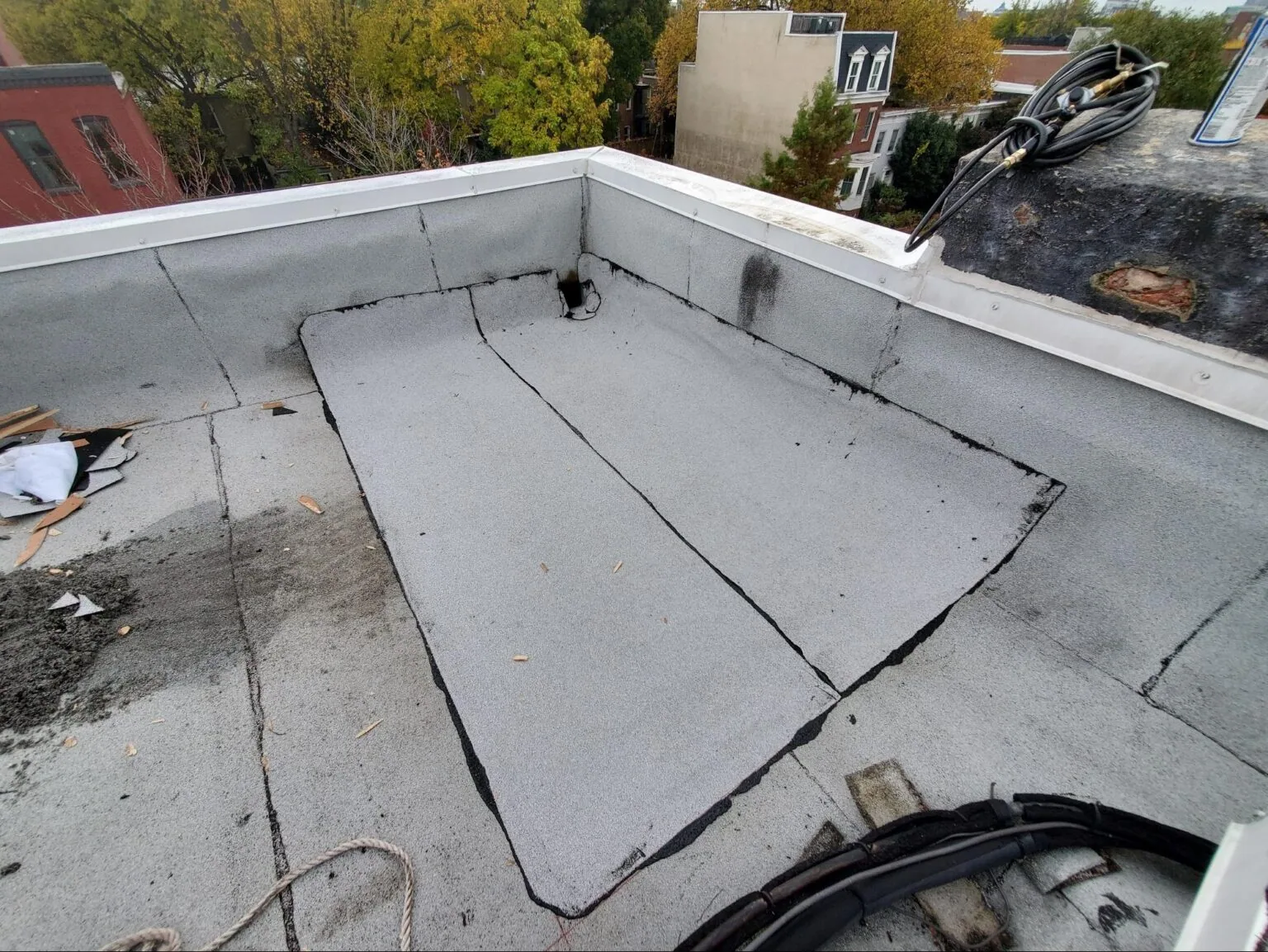
Work planned around the building and its daily operations.