
Commercial Roof Edge Metal and Gutters in Mesquite, TX
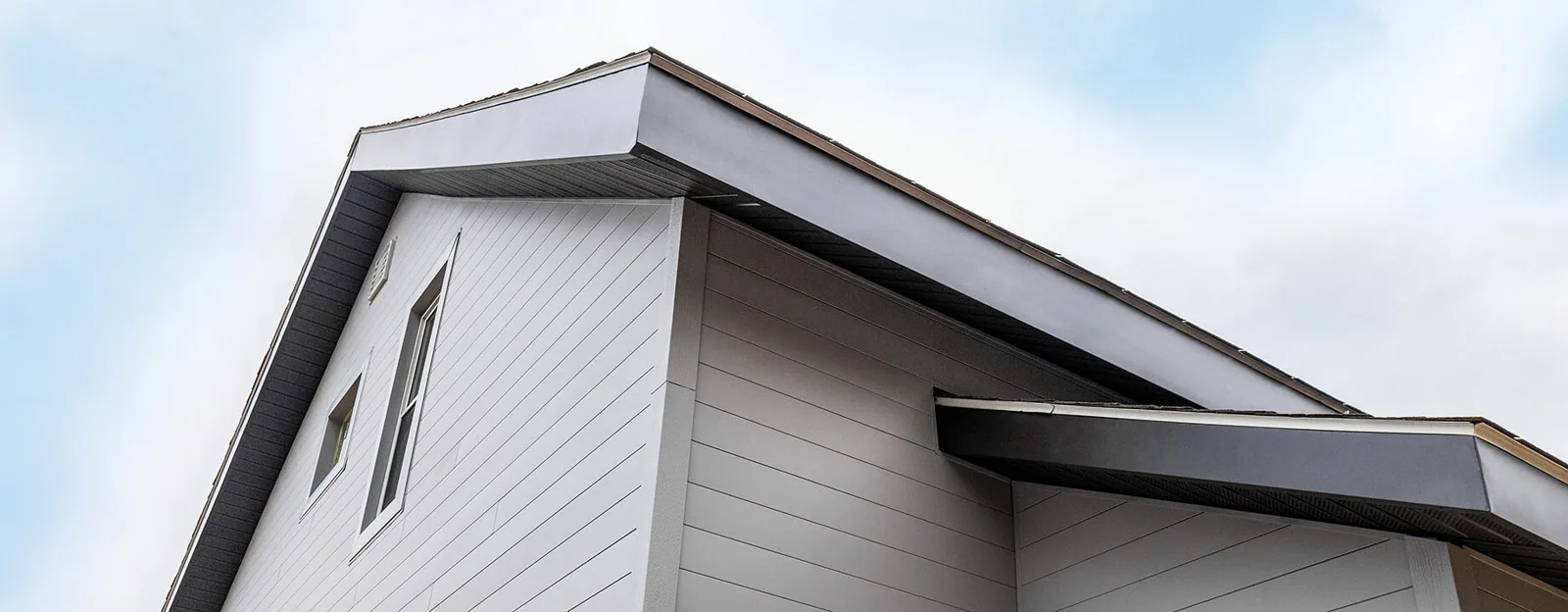
A loose edge can let wind and water reach the roof assembly from the perimeter. We inspect coping, fascia, gravel stops, gutters, and downspouts as connected details, not separate trim. The crew checks metal laps, cleats, fasteners, sealant, and membrane termination, then traces where runoff leaves the roof. A retail roof near Town East may discharge over entrances or canopies; an industrial building in the Skyline Logistics Hub area may have long gutter runs alongside loading. Work planning can also cover Urban District 30. We identify the failure and the water route before deciding whether to reseal, refasten, or replace metal.
North Texas storms can stress edge attachment, and heavy rain tests the gutter and downspout path. The Dallas-Fort Worth regional climate informs inspection priorities but does not show that a specific coping section has failed. We photograph the detail and compare it with prior work if records exist. A roof inspection in the Skyline Logistics Hub area can be coordinated around truck and facility access. If water is already entering at the perimeter, leak tracing can connect the interior symptom to the edge condition.
What Keeps the Edge in Place?
Edge metal must resist movement and remain tied into the roof system. We check cleats, fastener spacing, laps, joints, corners, and the condition of the substrate beneath the metal. A loose section can lift further under wind or pull at the membrane termination. Surface sealant may be cracked because the joint is moving, not because it needs another bead. We determine whether refastening, a new cleat, metal replacement, or membrane work is needed.
Coping at a parapet has to shed water onto the intended side and protect the wall top. We inspect seams, end dams, splice plates, and changes in wall height. If the metal is corroded or bent, the repair may require new sections with the right slope and attachment. We also look at roof-to-wall flashing below the coping. A secure cap does not fix a failed membrane transition. The flashing review can cover other penetrations where water crosses the roof plane.
Where Does the Runoff Go?
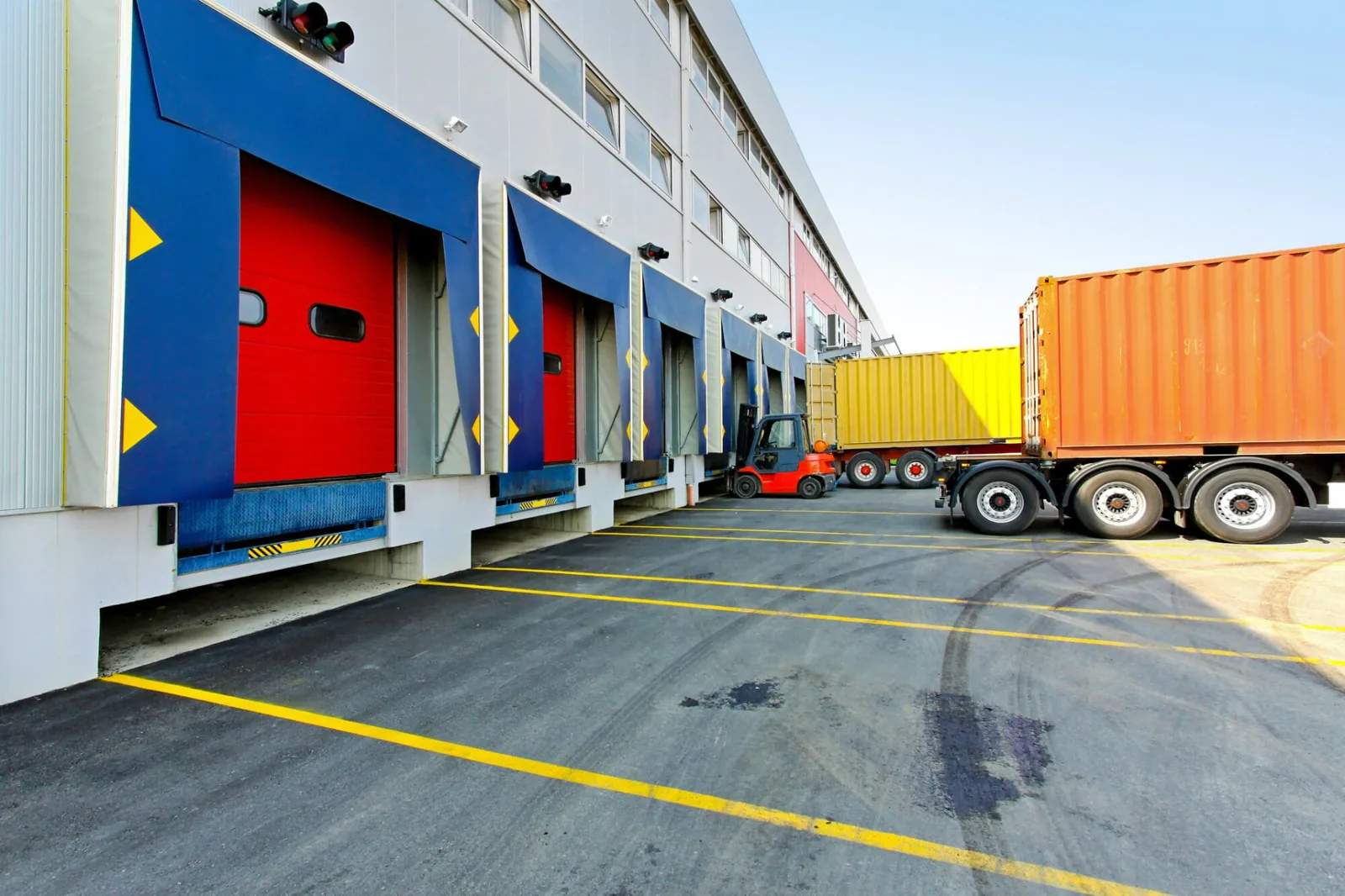
We follow water from the roof edge into the gutter, through the downspout, and away from the building. Debris, a sagging run, a separated joint, or an undersized outlet can spill water at the wall. A blocked downspout may send it backward beneath the edge. We inspect hangers, seams, outlets, splash blocks, and discharge points where accessible. If water reaches an entrance, dock, or pedestrian route, that condition becomes an operating and safety item in the repair plan.
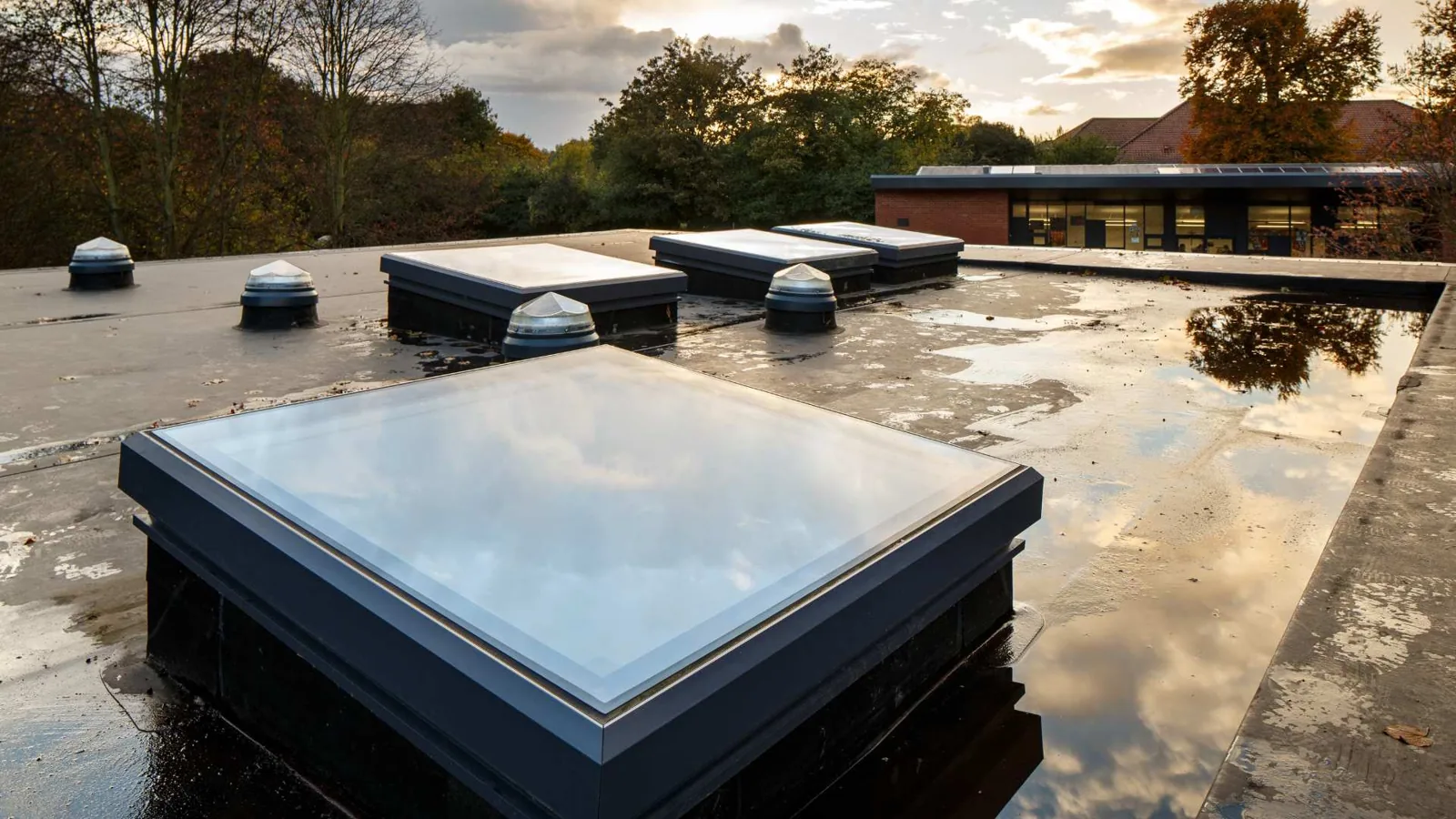
At a building with multiple roof elevations, runoff can arrive from an upper area and overload a lower gutter. We compare flow routes against the roof plan and look for outlets that terminate above another roof section. A scupper can be a primary drain or overflow, so it must remain open and discharge to a suitable path. The drain and scupper assessment can address outlets and slope beyond the perimeter metal. We show how each repair changes the water path before work begins.
How Should the Metal Connect to the Roof?
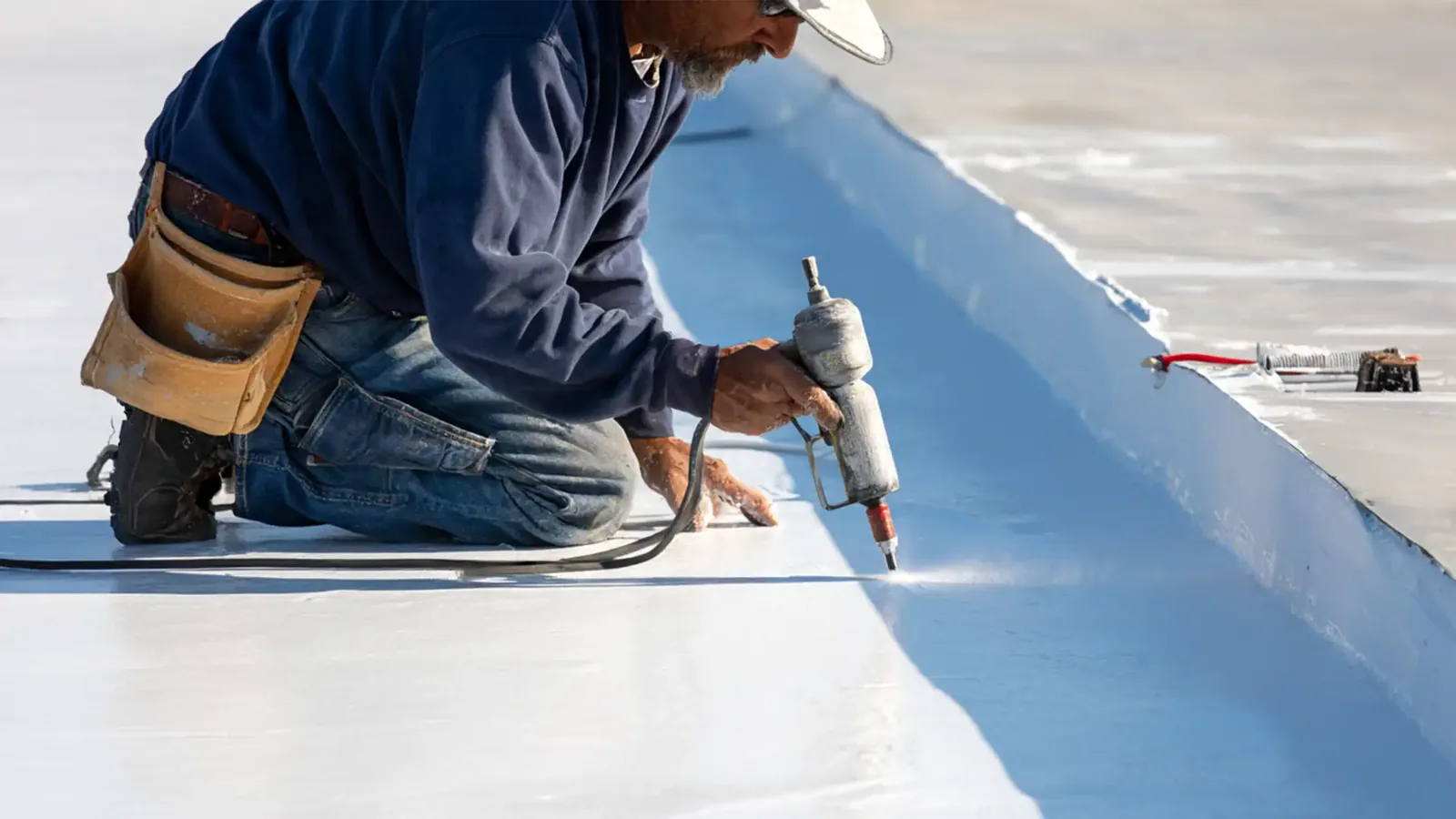
The metal detail has to match the membrane termination and the building's movement. We review substrate, metal thickness, joint location, corrosion, and the roof system before selecting replacement materials. A TPO or PVC membrane may use a different termination than EPDM, modified bitumen, or built-up roofing. The crew verifies that the membrane remains attached beneath the edge and that the new metal does not trap water. A standing-seam metal assembly also needs its own movement and fastening review.
Gutters and downspouts need room for thermal movement and a positive fall toward the outlet. Sealant joints should be accessible for inspection and not conceal a failed seam. We consider where runoff falls, how water leaves the wall, and whether splash or erosion threatens an entrance. A coating may not be the right correction if metal has lost section or attachment. We provide a repair boundary and identify any adjacent membrane work that must be completed at the same time.
Can the Work Fit the Building Schedule?
We set a work zone that accounts for ladders, lifts, overhead exposure, vehicle paths, and people below. In the Town East-Skyline district, manufacturing and distribution operations can set the best window for moving metal or closing a dock approach. Urban District 30, a master-planned industrial business park near Interstate 30 and Republic Parkway, also calls for edge repairs to be sequenced around roof drainage and active work areas. The facility contact identifies entrances that must remain open and any yard routes with truck movements. We protect the work area below, remove loose material, and leave the edge weather-tight at the end of the shift.
If a gutter run is long, work can be divided into sections so runoff stays controlled. We check temporary discharge and make sure open outlets do not send water toward a doorway. Wind may prevent safe handling of large metal panels. In that case, we secure materials and resume when conditions allow. For occupied properties, the occupied-building sequence can coordinate notices, access, and temporary protection. The owner receives updates when a work boundary changes.
What Should the Closeout Confirm?
The closeout records the repaired edge, coping joints, gutter fall, downspout connection, and membrane termination. We photograph corners and transitions, not only straight runs. If a discharge point remains outside the work scope, we identify it. The facility can then check the same locations after the next rain and see whether water follows the intended path. A written record also helps the next crew distinguish new movement from a previously repaired joint.
Where runoff has affected the roof field, we can combine the perimeter work with a roof condition inspection or a maintenance visit. A recurring failure may warrant a broader condition report so the owner can budget related details by section. Each recommendation stays tied to what was inspected. The goal is a secure edge, clear drainage, and a record of what the crew corrected.
Commercial Roofing Questions
Why does water enter at the roof edge?
A loose termination, failed coping joint, damaged gutter, blocked outlet, or weak membrane connection can let water move behind the edge. We inspect the metal and the membrane below it, then follow runoff to its discharge. The repair boundary includes the part that failed and the transition needed to return water to the intended path.
Can sealant repair loose coping?
Sealant closes a joint only when the metal and substrate remain stable. If a cleat has loosened or the cap is moving, a new bead will not restore attachment. We check laps, fasteners, corners, and substrate first. The repair may need refastening, a new cleat, metal replacement, or a compatible joint seal after movement is corrected.
How do you check whether a gutter is draining?
We inspect fall, hangers, seams, outlet size, downspout connection, and discharge point. Debris may explain one blockage, while a sag or undersized outlet can cause recurring overflow. A controlled flow check may help when conditions permit. The report identifies whether cleaning, adjustment, replacement, or a wider drainage review is needed.
Will a new coping cap stop a roof leak?
Only if the leak path runs through that detail and the membrane transition below it is also sound. Water can enter at a wall flashing or a nearby curb and travel to the interior. We trace the path and inspect the related assembly before setting the metal scope. The closeout shows which joint and transition were repaired.
What should we protect during edge repairs?
Keep people clear of overhead work and identify entrances, docks, and vehicle lanes below the edge. Share lift access rules and the times when each route must stay open. We set a controlled work boundary and plan how temporary runoff will be handled if rain occurs before the section is complete.
Trace the Edge and Runoff Path
Share roof plans, leak locations, gutter history, and access windows. We will inspect coping, edge attachment, membrane termination, and discharge points, then define the metal and drainage work by section.
Work planned around the building and its daily operations.