Emergency Commercial Roof Repair in Mesquite, TX
Water entering an operating building creates a sequence of urgent choices. First protect people, electrical systems, inventory, and equipment. Then find a safe way to limit the opening. We respond around the clock, every day of the week, including holidays, and separate immediate dry-in from permanent repair. A leak over an active dock in Mesquite needs coordination with loading, while a retail roof near Town East may require customer access to remain clear. The facility director sets the safe interior boundary; the crew checks roof access and current conditions before moving materials.
We ask where water is appearing, when it began, what changed, and which areas cannot be exposed. Photos from inside can help, but the roof walk establishes whether a seam, curb, drain, edge, or puncture is involved. North Texas spring storms can bring hail, wind, and heavy rain across the region. That context does not prove the cause at one building. We use a focused inspection to determine what needs temporary control now and what permanent work should follow. The Town East-Skyline area includes facilities with distinct loading and access needs.
What Should Happen Before the Crew Arrives?
Keep people away from a sagging ceiling, falling material, or standing water near electrical equipment. Move inventory only when the path is clear and safe. Do not send employees onto a wet roof. A facility contact should identify the affected rooms, active equipment, access point, roof ladder or hatch, and any escort or safety requirements. If a dock or production line cannot pause, share its operating window so the response can stage away from that route.
We confirm the risk below and the route above before selecting a temporary measure. A tarp or patch must be secured without blocking drains, creating wind uplift, or covering a weak surface. Temporary water control can reduce exposure, but it does not establish the full extent of wet insulation. The crew records the protected boundary and the condition that still needs inspection. That distinction helps the owner authorize urgent work without treating the first visit as a final repair specification.
How Do We Narrow the Roof Opening?
We start where the water appears, then inspect roof details uphill and beside the affected area. A curb, seam, skylight, edge, or drain can be the entry, but water may travel before it reaches the interior. We compare the leak timeline with wind direction, recent equipment work, and earlier repairs. A stain can be old while a new opening is elsewhere. The commercial leak-tracing visit maps the route and sets a repair limit that can be checked in the field.
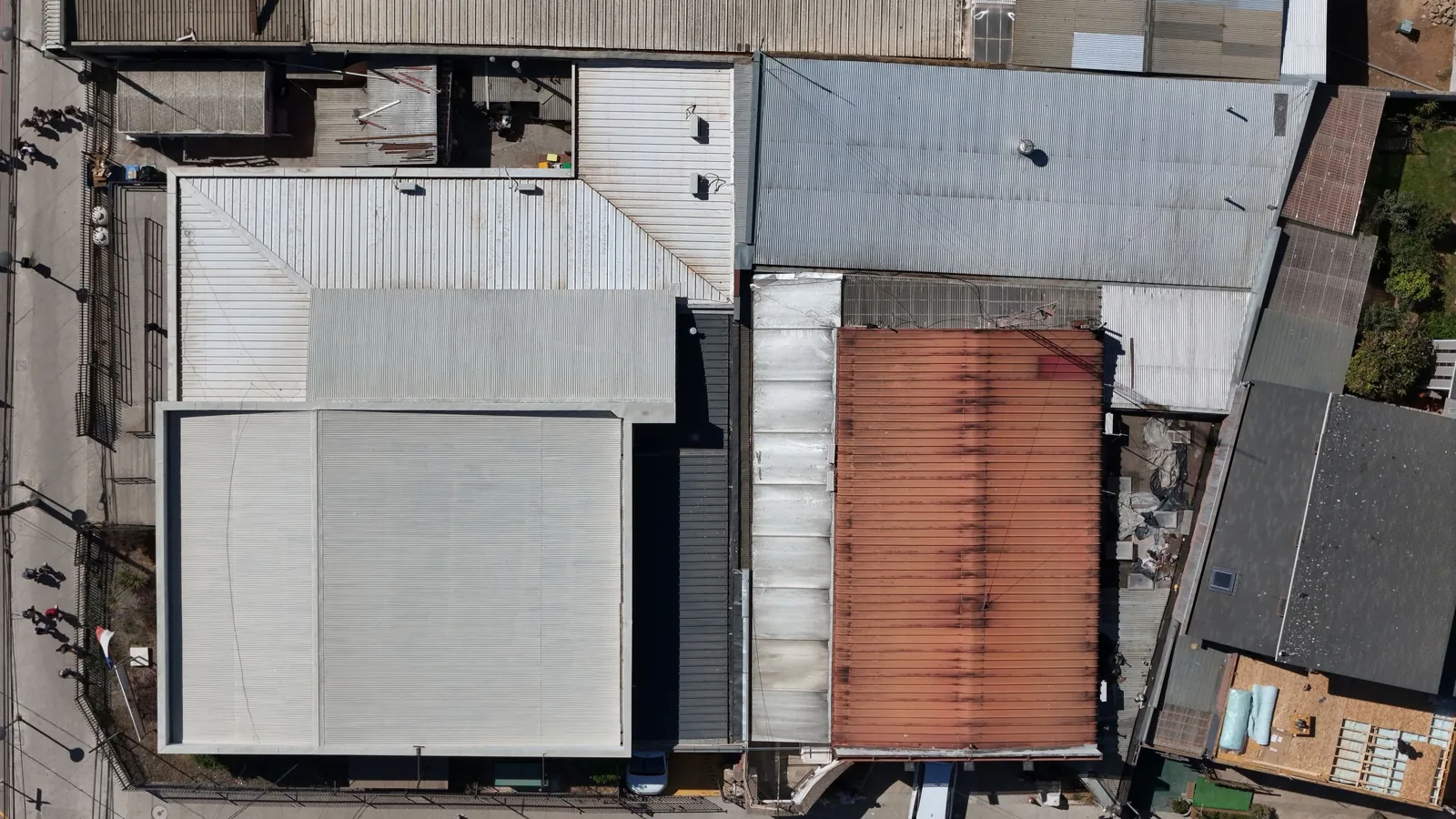
If the membrane hides wet material or the entry point remains uncertain, we may use a scan or small test cut. Each method answers a specific question. Infrared can indicate a temperature pattern; a test cut confirms the assembly directly. Neither is used as a substitute for judgment at the roof. We photograph the detail and nearby conditions so the owner can distinguish confirmed damage from areas that remain under review. Where a wide roof is difficult to inspect quickly, drone imaging can add a surface overview, with close field inspection still needed for repair decisions.
What Can Be Stabilized Tonight?
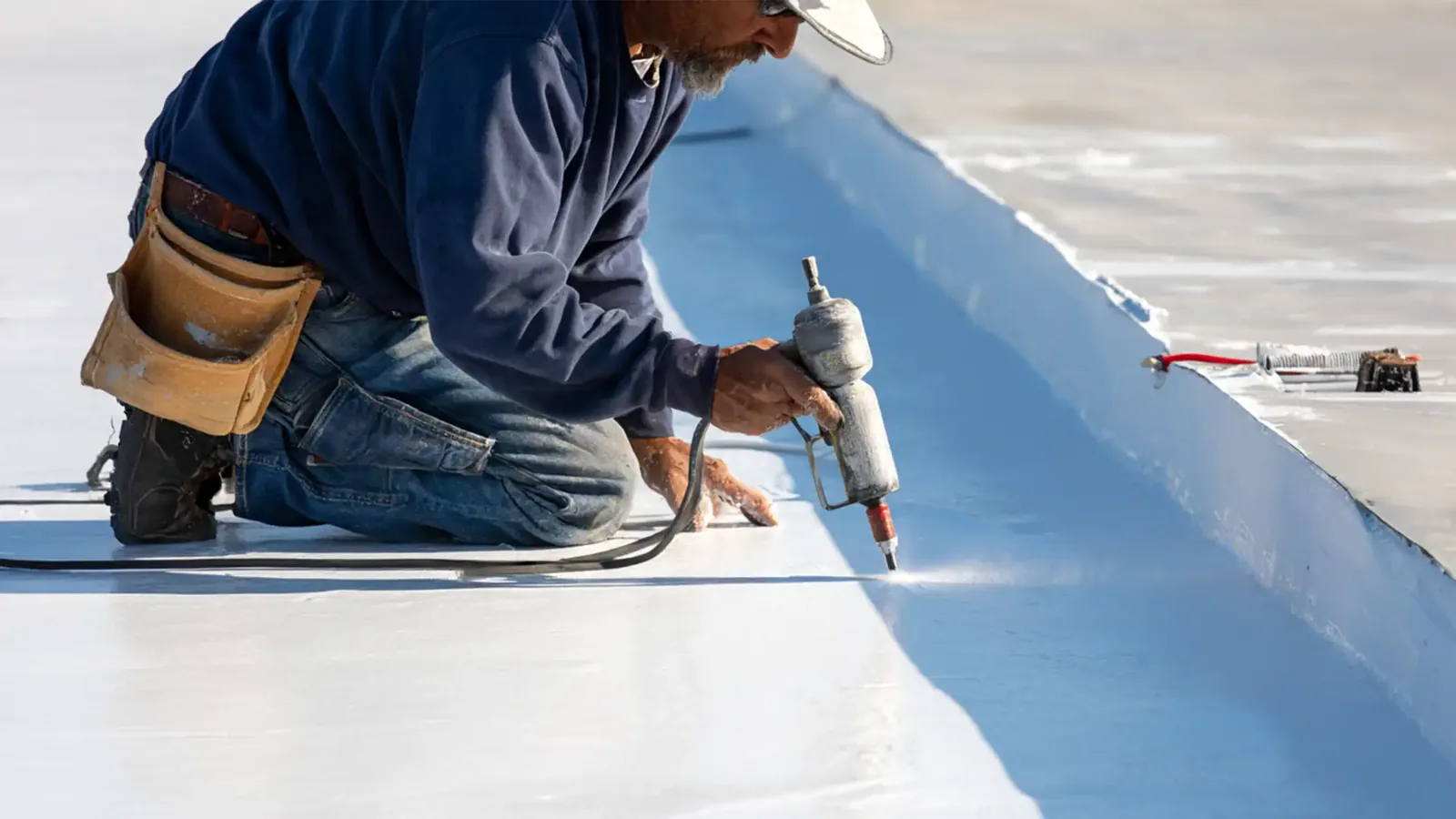
The temporary scope depends on roof access, wind, rain, and the condition of the substrate. We may install a compatible patch, secure temporary cover, or isolate the affected area until a permanent method is safe. A wet surface or unstable edge can make a repair unsafe or ineffective. We tell the contact what was stabilized and what cannot be closed under current conditions. If water is traveling toward electrical gear or sensitive equipment, we coordinate the interior response before entering the roof area.
At facilities along the IH-20 or I-30 corridors, truck movement and after-hours staffing can affect staging. We identify a material drop point and keep response routes separate from active equipment. Each temporary measure has a defined boundary and a return action. If the repair needs a compatible membrane detail, the crew plans that work for a dry surface and adequate preparation. A permanent repair scope can follow after the first-hour control and inspection are documented.
How Do We Protect an Active Facility?
We agree on a work zone before the crew crosses the roof. The site contact identifies loading doors, customer paths, employee entrances, ventilation intakes, and any area where overhead work cannot occur. The Skyline Logistics Hub overlay includes manufacturing and distribution uses around Big Town and Town East Boulevards. At those facilities, delivery cycles can matter as much as roof access. We stage gear and debris away from active lanes, then update the contact when the crew changes roof sections.
When the building stays occupied, interior protection and communication remain part of the response. We can isolate a room, protect equipment, or route people away from the leak area while the roof work is underway. A shift change or storm band may require the crew to pause, secure materials, and return under safer conditions. The plan keeps critical operations visible: who can grant roof access, who receives updates, and which areas require a final check before reopening. Emergency repair is rapid response, not uncontrolled work.
What Does the Emergency Record Show?
The closeout identifies the reported symptom, roof section inspected, temporary measure, and permanent repair still required. We include photos of the opening, nearby details, and the protected area. If test cuts or moisture checks were made, the record shows where and what they confirmed. We also note limitations, such as a storm that prevented a complete roof walk. The facility director can use that information to schedule the next visit and keep temporary protection in place until the roof is secure.
Once weather and access allow, we return to repair the assembly or recommend a wider replacement review. A repeated leak after emergency work should trigger a new assessment, not another cover over the same symptom. We can add the affected section to preventive maintenance or prepare a photo-based roof condition record for planned budgeting. The final note separates work completed from the remaining roof risk.
Commercial Roofing Questions
How fast can emergency roof service respond?
Emergency response is available all day and night, seven days a week, including holidays. Arrival depends on current conditions, safe access, and the location of the building. We confirm the immediate risk and access route first. The first visit focuses on protecting the interior and locating the likely opening; permanent repair follows after the roof and materials can be worked safely.
Should employees go onto the roof to find the leak?
No. A wet roof, wind, damaged edge, or hidden opening can make access hazardous. Keep staff clear of roof access and send the facility contact's entry instructions, roof plan, and affected room. We will confirm the safe route and inspect the assembly. Interior photos help identify the area but do not replace a roof inspection.
Will an emergency patch solve the full problem?
A temporary patch controls an immediate opening when conditions allow. It may not expose wet insulation, hidden deck damage, or a second entry point. The crew documents the measure and return work separately. We confirm the permanent scope after a closer review of the assembly and the area around the leak.
What details should we give dispatch?
Provide the building address privately to the service team, the affected interior area, start time, current water flow, roof access point, and any electrical or inventory risk. Add loading or production limits, escort instructions, and prior repair notes. Do not put sensitive access codes or exact third-party addresses in public website copy. The crew can coordinate those details directly with the site contact.
What if the roof is still wet when help arrives?
Safety and weather set the available scope. We may protect the interior or secure a temporary cover, then return when the roof surface and wind conditions allow a durable repair. The closeout identifies what was done and what remains. A rushed bond on a wet surface can fail, so permanent work waits until preparation is sound.
Start With the Safe Boundary
Call with the affected room, leak start time, roof access point, and operating restrictions. We will confirm immediate protection needs, inspect the likely entry area, and document the next permanent repair step.