
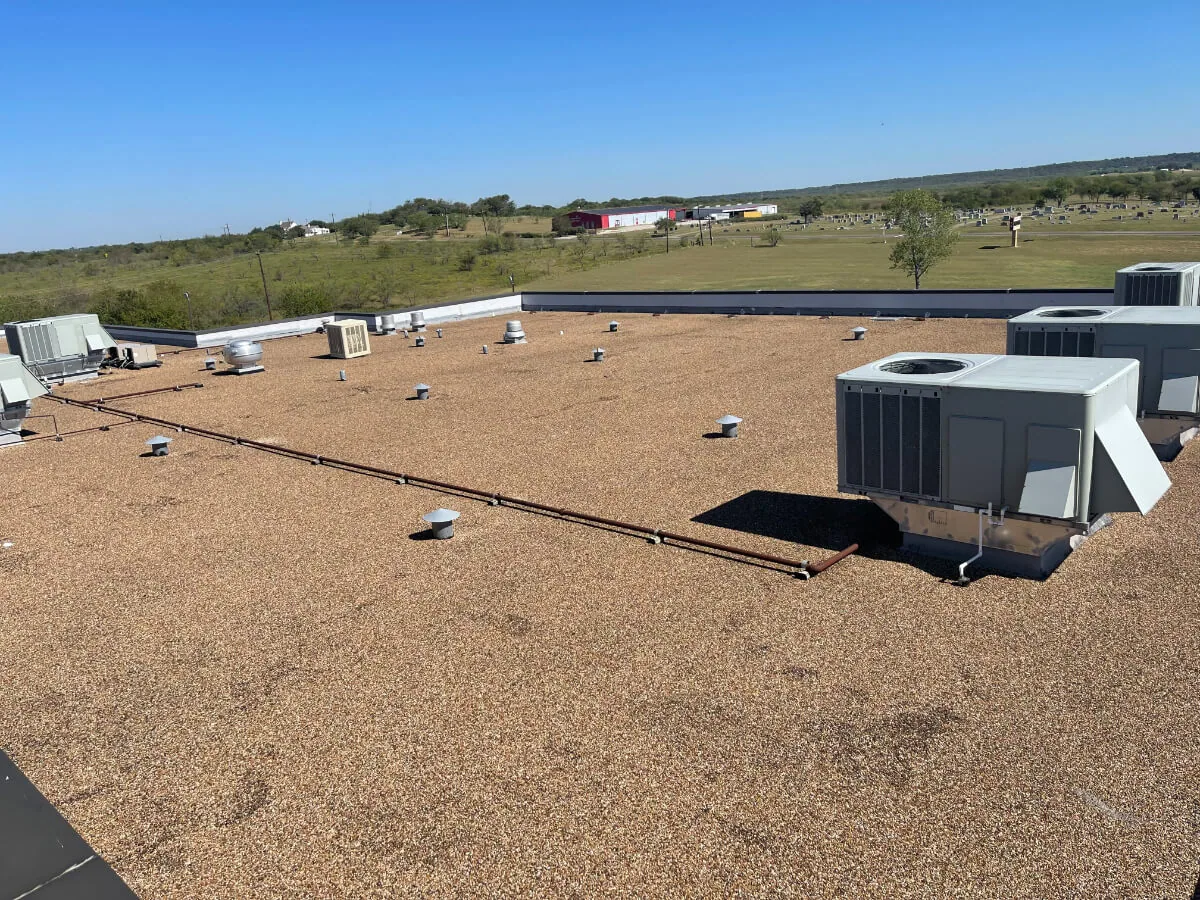
Commercial Built-Up Roofing in Mesquite, TX
A built-up roof can have several bitumen and reinforcement layers beneath aggregate or a smooth surface. A leak at the ceiling may involve the cap, an interply bond, or a transition at a drain or wall. We inspect the roof surface, probe suspect areas, and check the layers through controlled test openings when needed. The repair boundary follows the wet or failed material and reaches a sound tie-in, not just the visible crack.
Downtown Rowlett's strategic area includes the business core, DART station, and a light-industrial area to the north. The Towne Centre reinvestment district in Mesquite includes retail, office, industrial, and service activity. Those areas bring different access questions, but neither establishes a building's roof assembly. A commercial roof visit in Downtown Rowlett can be planned with the property contact around access and occupancy. A roof review in Towne Centre and Market East starts with the actual layers and drainage route.
What Is Happening Between the Plies?
We check for blisters, ridges, splits, exposed reinforcement, loose aggregate, and areas where the surface has separated. A blister may contain air or moisture; cutting it without inspection can widen the repair unnecessarily. We examine the surrounding material and use a test cut if it will confirm the layer condition. The opened assembly shows whether the problem is in the cap sheet, interply bond, insulation, or deck.
Built-up roofs can be surfaced with aggregate, coating, or another finish. Each changes how a defect appears. We identify where the surface has worn through or where water can reach a lap. The patch material and installation method must match the existing system and the substrate. A moisture survey can guide test locations when the wet area extends beyond the visible symptom. The crew records what the cut shows before installing a repair.
Where Does Water Sit on the Roof?
Water that remains against a seam or low area can keep a small defect active. We trace the roof slope to drains, scuppers, and overflows, then inspect the surface around each outlet. Aggregate can collect near a drain, and debris can block the opening. If the outlet is clear but water remains, the issue may involve slope, deflection, or a low point in the roof structure.
Spring storms across the Dallas-Fort Worth region can deliver intense rain and damaging wind. The regional pattern helps plan inspection timing, but the roof must be checked after the event to identify actual defects. A drain and scupper assessment can separate outlet maintenance from slope or membrane repairs. If a parapet or curb is wet, the edge and coping review can check related transitions where water crosses the roof perimeter.
We record the route water should take and identify where the repair can restore it. A patch over a low spot does not correct drainage. If a tapered system or structural correction is needed, that work is noted separately from the ply repair.
Can the Existing Roof Be Patched?
A localized patch may work when the plies remain bonded and the area around the defect is dry and stable. If layers are saturated, reinforcement is exposed over a broad section, or blisters recur, we compare selective replacement with a larger project. The roof plan shows what is confirmed and what remains untested. The owner can decide whether to extend investigation before committing to removal.
Built-up and modified bitumen share asphalt-based components, but the assemblies and details are not identical. A modified bitumen system review can help compare options when replacement is being considered. An EPDM assembly uses different seams and flashing. The system choice needs to account for the actual deck, roof height, drains, equipment, and facility use rather than a broad preference.
If insulation is wet, a cover board and insulation scope may accompany the repair. A roof inspection can document other defects and help rank the work by section. We keep the patch limit clear so a repaired spot is not mistaken for a full-roof restoration.
How Will the Repair Affect Building Access?
Aggregate removal, hot asphalt handling, and roof traffic need a controlled work area. We confirm the material route, roof hatch, lift location, and interior protection before work begins. A busy commercial core may need an adjusted delivery window. At Downtown Rowlett, the facility contact can identify public routes and the area available for staging. We do not block access paths needed for occupants or emergency response.
DFW summer heat can raise surface temperatures and affect crew timing. The actual conditions, system instructions, and safety limits govern whether work proceeds. Rain or wind may shorten the shift, so the crew stages a closeout that secures each exposed area. A roof repair plan can separate urgent protection from permanent ply replacement. If the building remains open, occupied-building sequencing can coordinate notices and work zones.
We protect drains from removed aggregate and bitumen debris. At shift end, the crew checks the work area, removes loose material, and confirms the temporary or permanent roof closure with the facility contact.
What Should the Built-Up Roof Record Show?
The record should show the observed layers, test openings, moisture boundary, patch materials, and repaired seams. Photos preserve the surface before and after work. Mark the roof plan with areas that were not opened, including any blisters or low points left for future review. That lets the next inspection return to the correct location without assuming the entire assembly was tested.
A written closeout can note the surfacing condition and drainage route as well as the repair. If similar defects appear elsewhere, the owner can compare them with the repaired location and choose whether to expand the work. The recommendation stays linked to the roof section, the plies observed, and the access limits of the completed shift.
Commercial Roofing Questions
How do you know how many layers a built-up roof has?
We review roof records and inspect an opening where needed. A test cut shows the surfacing, plies, insulation, and deck at that location. Construction can differ across additions or prior repairs, so one cut may not describe the whole roof. We mark each test point and use it to set the scope for nearby sections.
Can you repair a blister in a built-up roof?
First we determine whether it contains moisture, air, or a bond failure. The repair method depends on the layers below and the surrounding surface. Cutting a blister without checking can spread the opening or trap wet material under a patch. We confirm the condition, remove only what is unsound, and tie the repair into dry, bonded material.
What if aggregate is covering a leak or drain?
We clear a limited inspection area and protect the drain from debris. Aggregate may hide a lap or collect near the outlet, so we check the underlying cap sheet and water route. The work plan identifies whether the issue is surface maintenance, a failed ply, or a drainage problem. The closeout records what was exposed and repaired.
When should we consider replacing a built-up roof?
Repeated failures, widespread wet plies, poor attachment, or deteriorated insulation can make isolated patches less useful. We map defects and confirm the layers before comparing selective removal, recover, or replacement. The recommendation identifies sections that remain sound and the transitions that would change with a new assembly.
What should be checked after a built-up roof repair?
Check the marked patch, the nearest drain, and any wall or curb transition after rain. Keep the photos and test-cut locations with the roof file. If water returns, note its timing and the affected interior area. That helps the next inspection tell whether the repaired ply reopened or another path is involved.
Open the Assembly Before Extending the Patch
Send the roof plan, leak history, prior patch records, and access window. We will inspect the surfacing, plies, drainage, and moisture, then define the repair limit and any broader roof option.
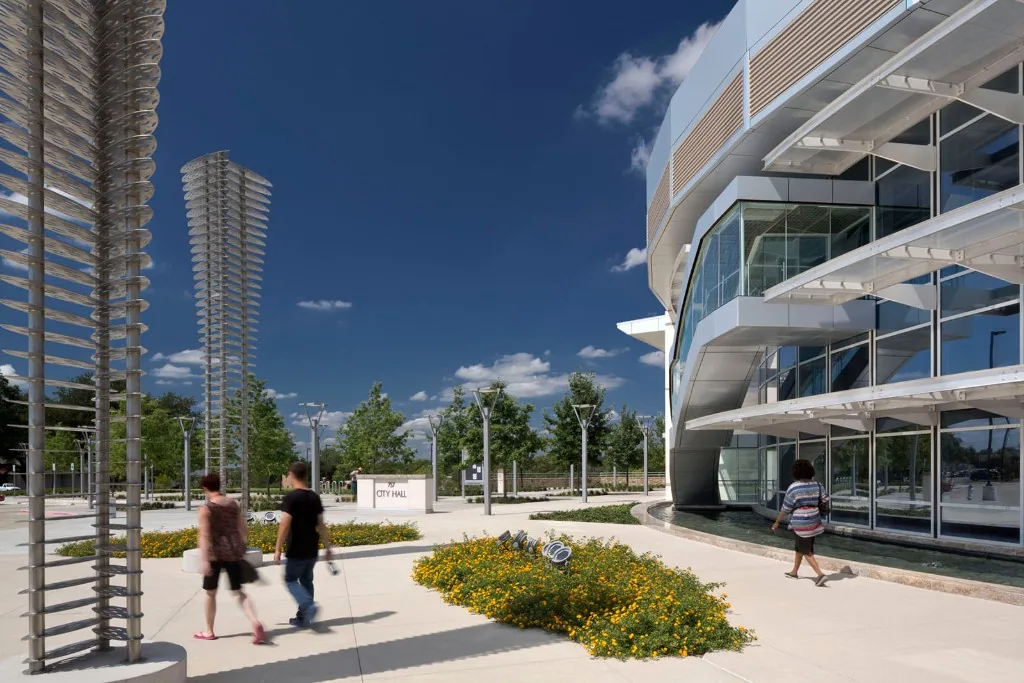
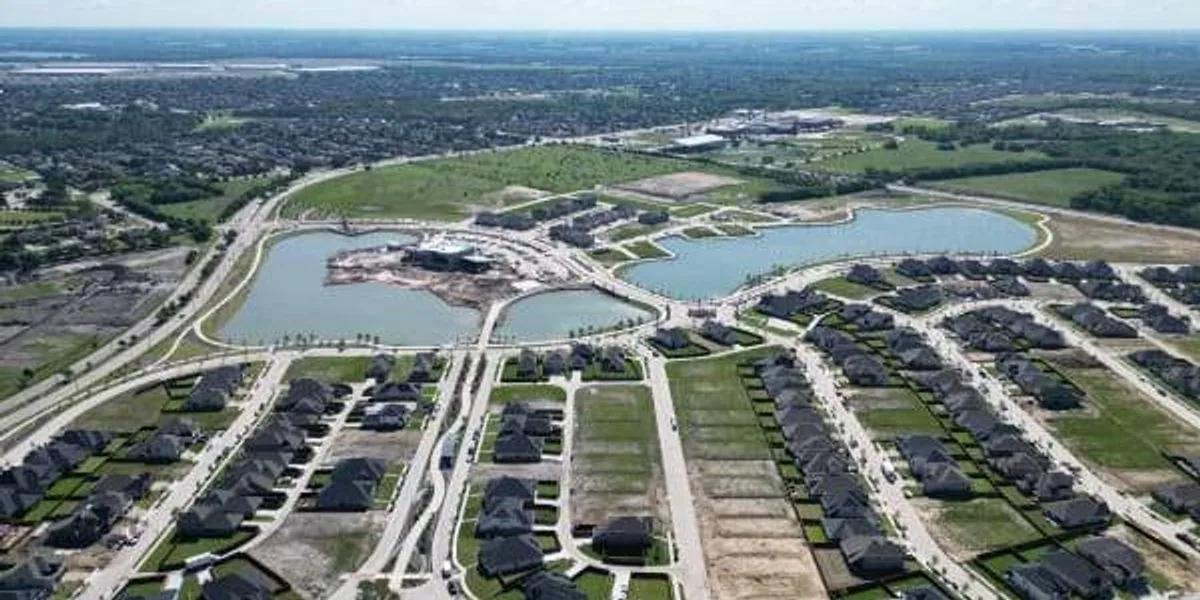
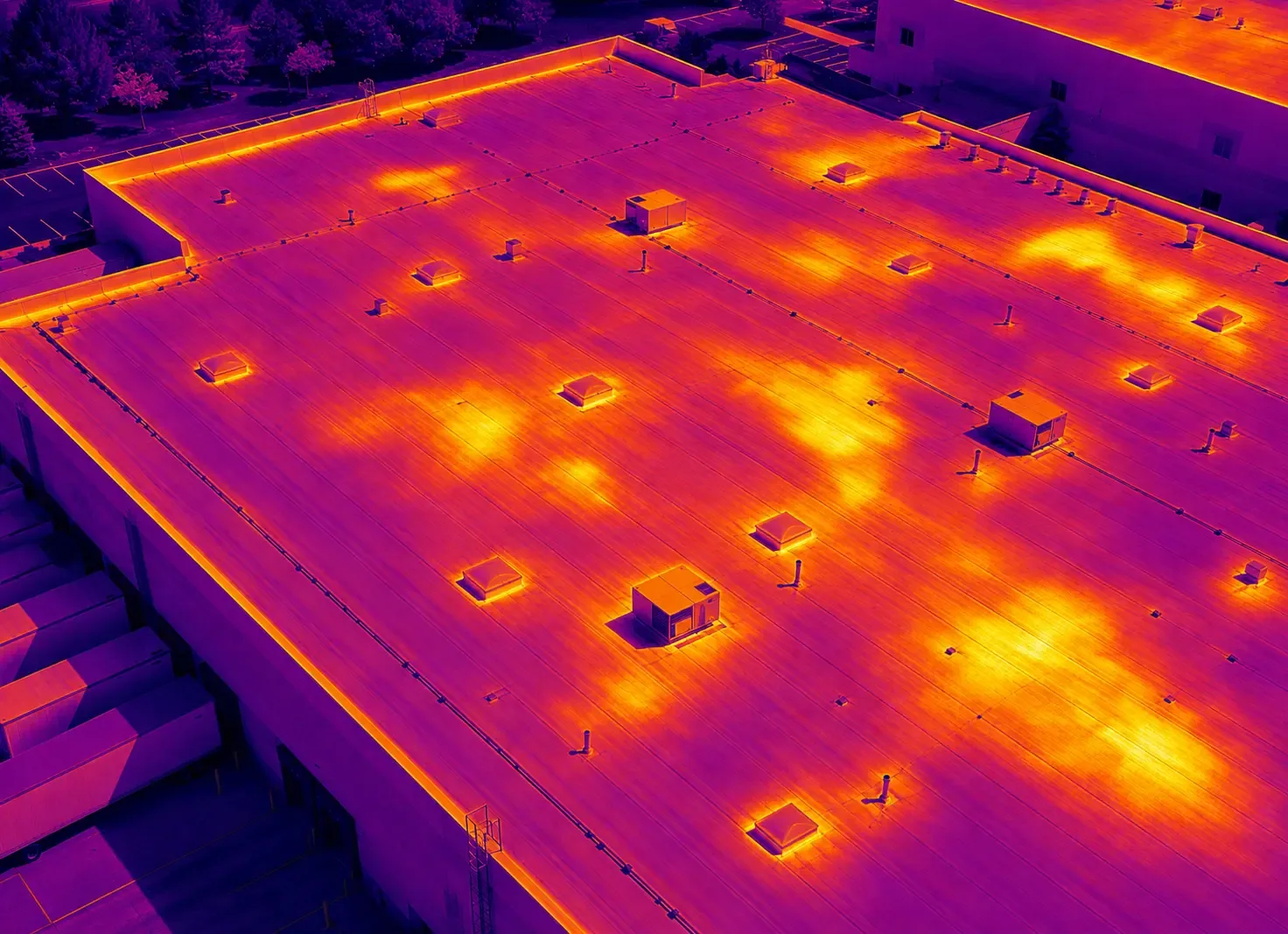
Work planned around the building and its daily operations.