Commercial Roof Inspection in Mesquite, TX
A roof walk has to answer a decision, not just collect photographs. We inspect the membrane, transitions, drains, edges, and rooftop equipment, then connect each finding to a repair or monitoring step. At an industrial building near the Skyline Logistics Hub, loading and equipment access can affect the inspection route. A retail roof in the Town East Retail area may have different penetrations and customer-side constraints. Work also reaches the Town East-Skyline district. The facility director receives a roof-section record that distinguishes observed condition from a suspected cause, so the next work order has a clear boundary.
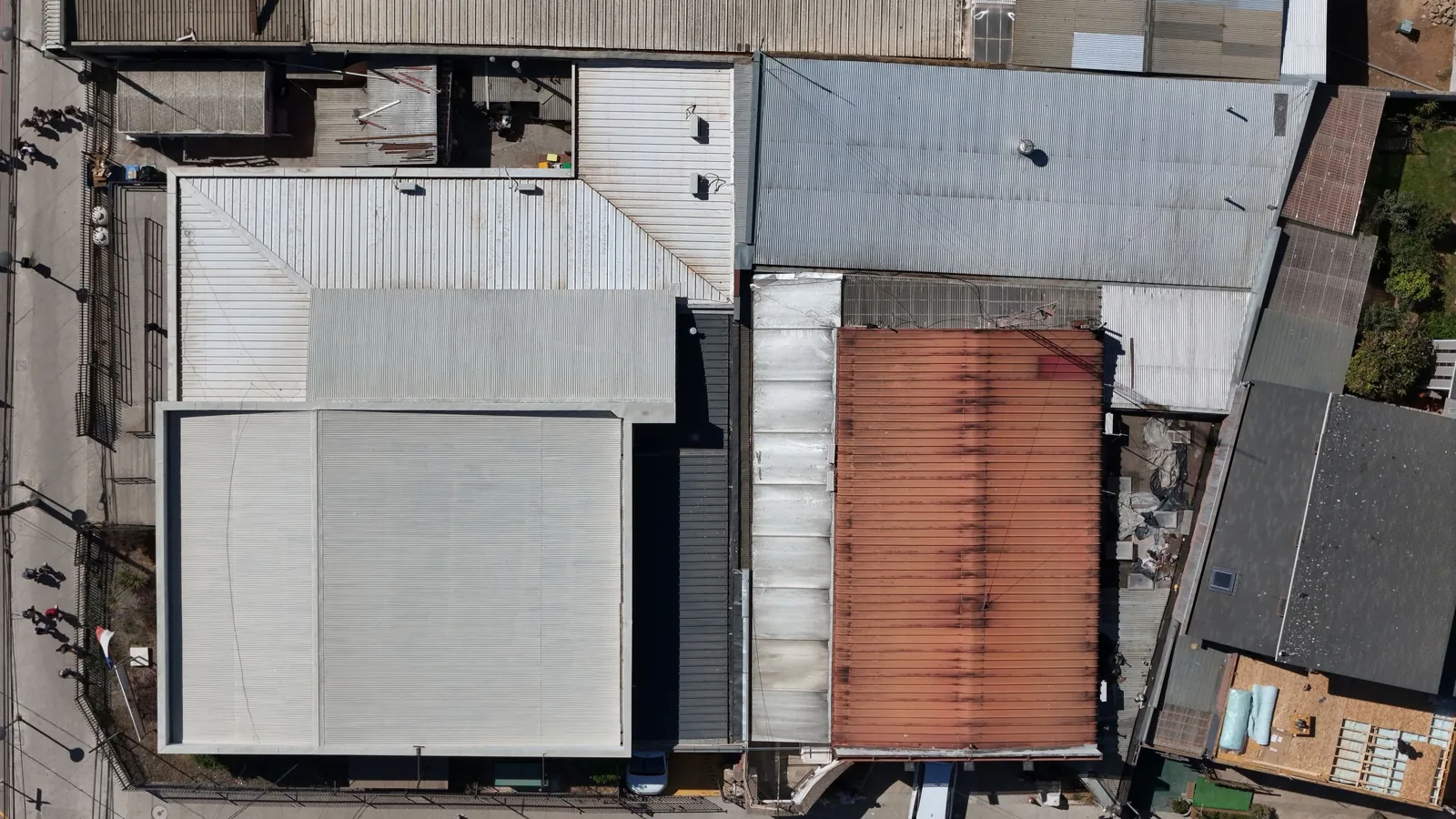
We review the roof plan, leak history, maintenance notes, and recent work before climbing. Hot North Texas summers, hail, wind, and heavy spring rain are relevant stressors, but they do not diagnose a particular roof. Our inspection looks for seam openings, loose terminations, punctures, drainage restrictions, wet insulation, and movement around equipment supports. If active water is present, leak tracing can be added to find the entry path. For a larger campus or hard-to-access section, drone imaging can supplement the field review.
What Does the Roof Walk Cover?
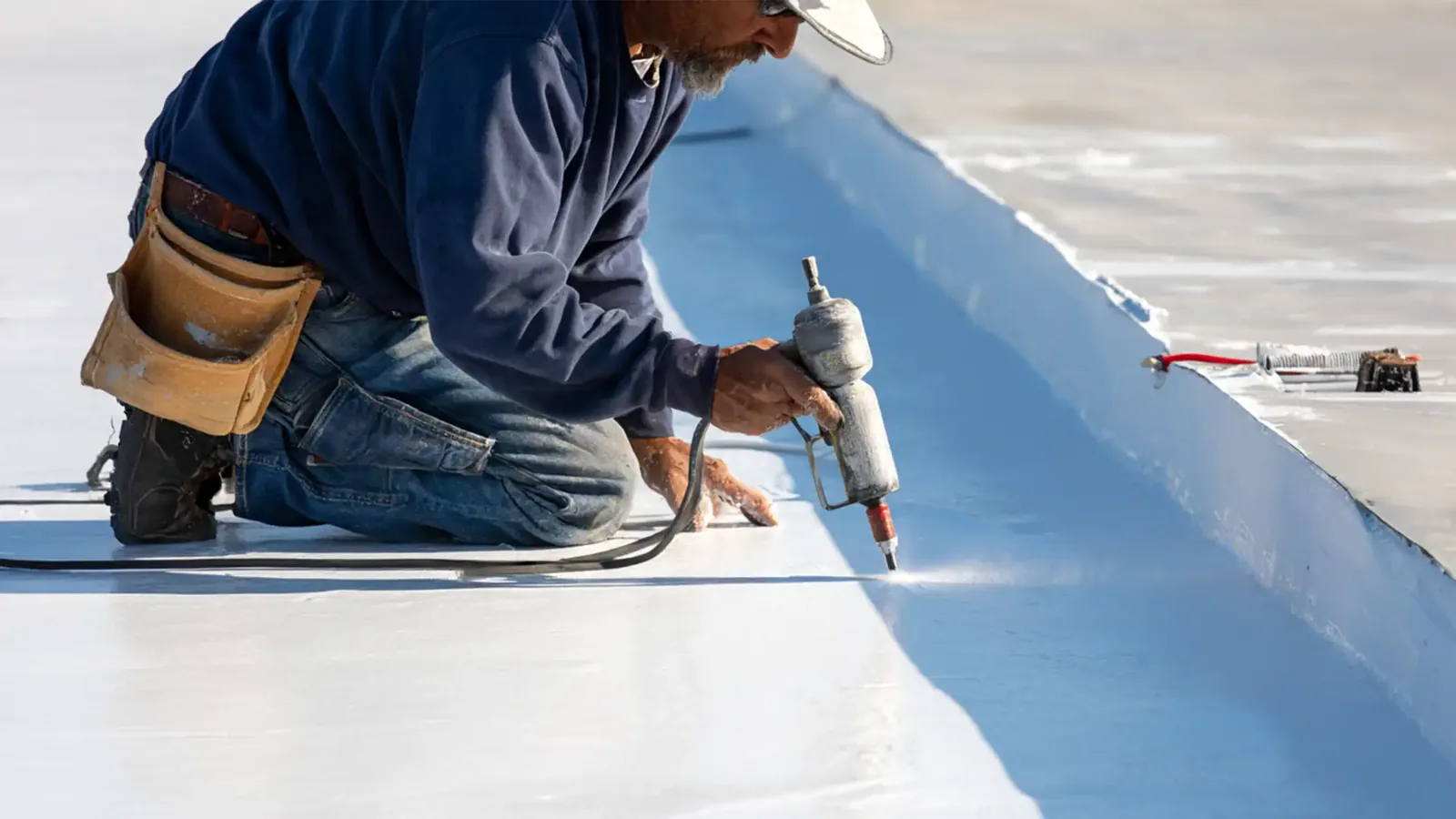
We move by roof section and record the system, access, slope changes, and visible repairs. At seams, we check whether edges remain bonded or welded and whether old patches have lifted. Around curbs and penetrations, we inspect flashing height, corners, counterflashing, and sealant that may have separated. At perimeters, we look for loose metal, fastener movement, and conditions that can admit wind-driven rain. The goal is to identify a cause that the repair scope can address, not to mark every aged surface as a failure.
Drainage gets a separate pass. We clear visual obstructions, trace flow toward drain bowls and scuppers, and note low areas or water marks. A blocked outlet may need cleaning; recurring ponding can require a slope or detail review. We inspect overflow paths and verify that equipment bases or prior repairs have not redirected water. Each observation is tied to its roof section and photo. If an interior symptom exists, we compare its location with the likely roof path rather than assuming a vertical line from ceiling to opening.
How Do We Separate a Finding From a Guess?
Every note uses a clear condition and next action. An open lap is different from a discolored surface; a loose termination is different from rust staining below an edge. We identify what we can see and what needs confirmation through a test cut, moisture survey, or follow-up during rain. If records show a leak but the roof surface looks intact, we note the unresolved path and recommend the right test. This keeps the owner from paying for repairs that chase a symptom instead of the entry point.
Infrared imaging can reveal temperature patterns that may be consistent with moisture, but it does not confirm wet insulation by itself. We check scan results against the roof assembly, recent weather, and test locations. The infrared moisture survey can target the next opening when a large surface needs screening. For budgeting, we prepare a photo-based roof condition report with marked sections, severity, repair options, and remaining questions. That record gives operations and ownership the same facts for the next decision.
Which Repairs Should Move First?
Priority follows water entry, safety, and exposure. Active leaks, loose edge metal, open flashing, and blocked drains may need prompt action. Surface wear without an opening may be monitored or handled during planned maintenance. We identify conditions that threaten inventory, electrical equipment, or an occupied area separately from cosmetic wear. The report states the next visit, the repair boundary, and any access limit that affects timing. For a roof with multiple issues, a short-term stabilization item can be separated from a capital project.
Facility use changes the sequence. A production line may need a narrow access window; a distribution dock may require a delivery-free time; a school or office may need work away from occupied hours. The Skyline district includes manufacturing and distribution operations, and major highways connect Mesquite business areas. We record roof access and staging needs with the condition findings, not in a separate note that can be missed. For multiyear decisions, capital planning by roof section can sequence repairs against condition and operating impact.
Does the Inspection Change by Roof Type?
Yes. A welded thermoplastic membrane requires a different seam check from EPDM, modified bitumen, built-up roofing, or standing seam metal. We identify the system before evaluating a patch, coating, or replacement. At metal roofs, we review fasteners, panel laps, clips, sealants, and movement points. On low-slope membranes, we inspect welded or adhered seams, edge restraint, drainage, and penetrations. If a coating is present, we check adhesion, thickness consistency, and whether repairs underneath remain sound.
We also inspect the details serving rooftop equipment. Curbs, pipe supports, condensate lines, and walk pads can affect the membrane and maintenance path. Where a unit was replaced, we look for disturbed flashing and debris that may have entered the drain. The report can identify a needed curb and equipment-support repair or schedule a separate maintenance visit. Each recommendation should name the roof detail, observed condition, and action that would resolve it.
What Will the Owner Receive?
We provide a written summary organized by roof section, with photographs and clear repair or monitoring items. The owner can see which conditions are confirmed, which require testing, and what access or operating limits apply. We note the inspection date, weather context when relevant, and any area that could not be safely reached. The record avoids vague grades with no supporting detail. It gives maintenance staff a usable map for repair, budget, and follow-up.
After urgent items are corrected, a recurring inspection can compare conditions over time. We can set review intervals around roof condition, major service work, and the owner’s maintenance program. The next inspection should revisit past repairs, drain performance, edge details, and rooftop equipment work. An updated record helps Mesquite facility teams direct labor to the roof sections that need action and avoid treating every surface mark as a leak.
Commercial Roofing Questions
What should we send before an inspection?
Share the roof plan, known membrane type, leak locations, repair history, equipment changes, and access instructions. Tell us which operations cannot pause and whether any space below the roof holds sensitive inventory or equipment. Those details focus the walk and help us photograph the right sections. If the plan is incomplete, we can map the roof during the visit.
Will an inspection find every hidden leak?
A visual walk can identify many openings but cannot confirm every concealed condition. We connect interior symptoms to roof details and recommend a scan, test cut, or follow-up when the assembly hides moisture. The report marks uncertainty clearly. That lets the owner authorize the test that answers the remaining question instead of assuming the whole roof is sound or failed.
Can you inspect a large roof without walking it all?
Aerial imaging can help review broad areas and plan field access, but it does not replace close inspection of seams, flashings, and drains. We combine images with a roof walk or targeted checks where the decision depends on a detail. The approach depends on height, access, surface conditions, and what the owner needs to know.
How do you rank the repair list?
We separate active water entry, safety exposure, and rapid deterioration from maintenance items that can be scheduled. Each finding includes a location, photo, recommended action, and urgency reason. Facility constraints such as dock schedules or occupied areas can affect sequence, but they do not erase the condition. The owner can then authorize immediate work and budget the remaining sections.
Does the report include replacement advice?
When findings point to broad wet insulation, repeated failures, or a weak assembly, we compare repair, recover, and replacement choices. We explain the evidence behind that boundary and identify items that still need confirmation. A report is useful only when the recommendation follows the inspected condition and the building's operating needs.
Get Findings You Can Schedule
Send the roof plan, leak history, prior repairs, and site access limits. We will inspect by roof section, photograph material conditions, and deliver repair priorities with the questions that still need confirmation.
Scope, access and schedule reviewed before work begins.