

Commercial Roofing
Roof Systems
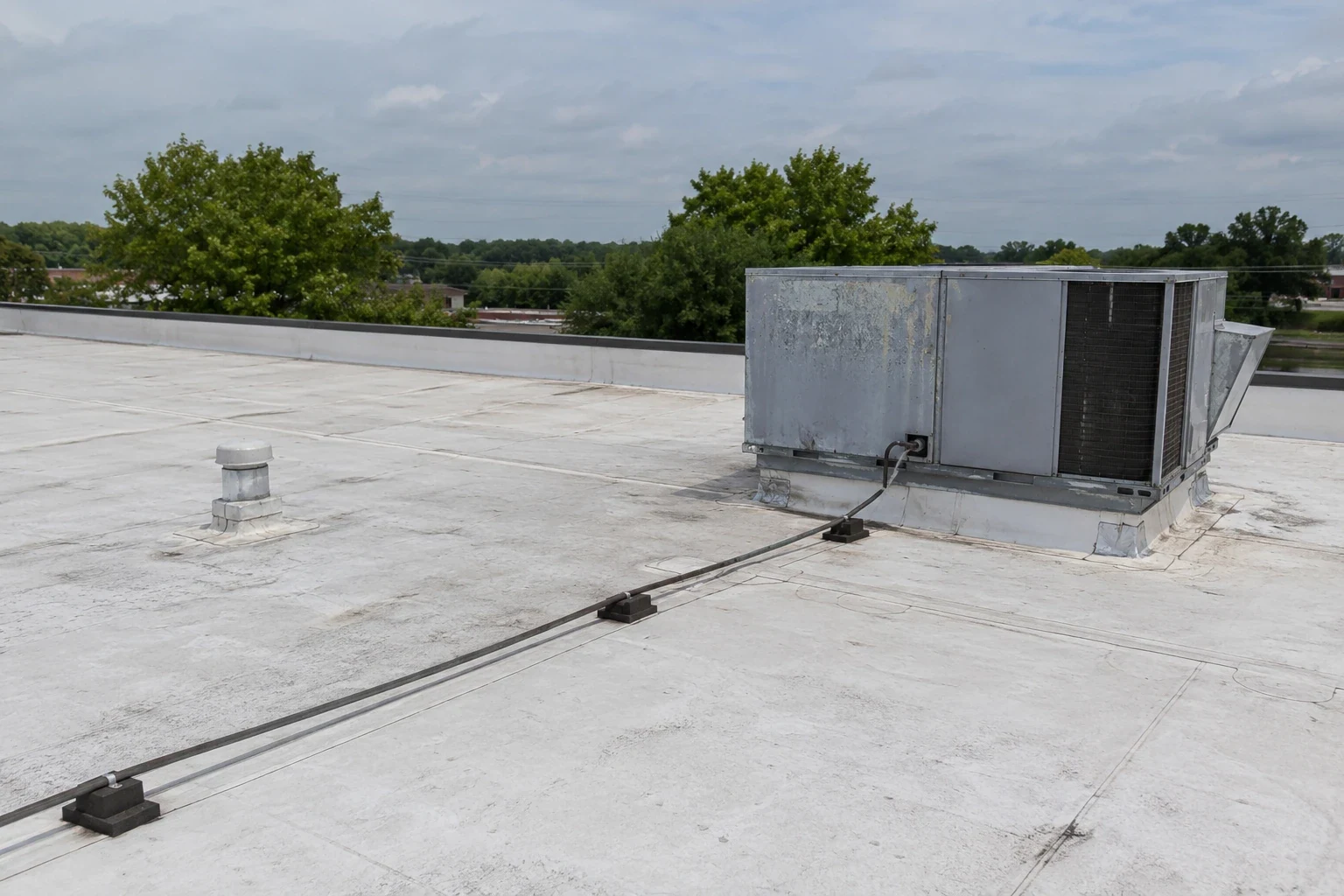
Roof System
Commercial TPO Roofing
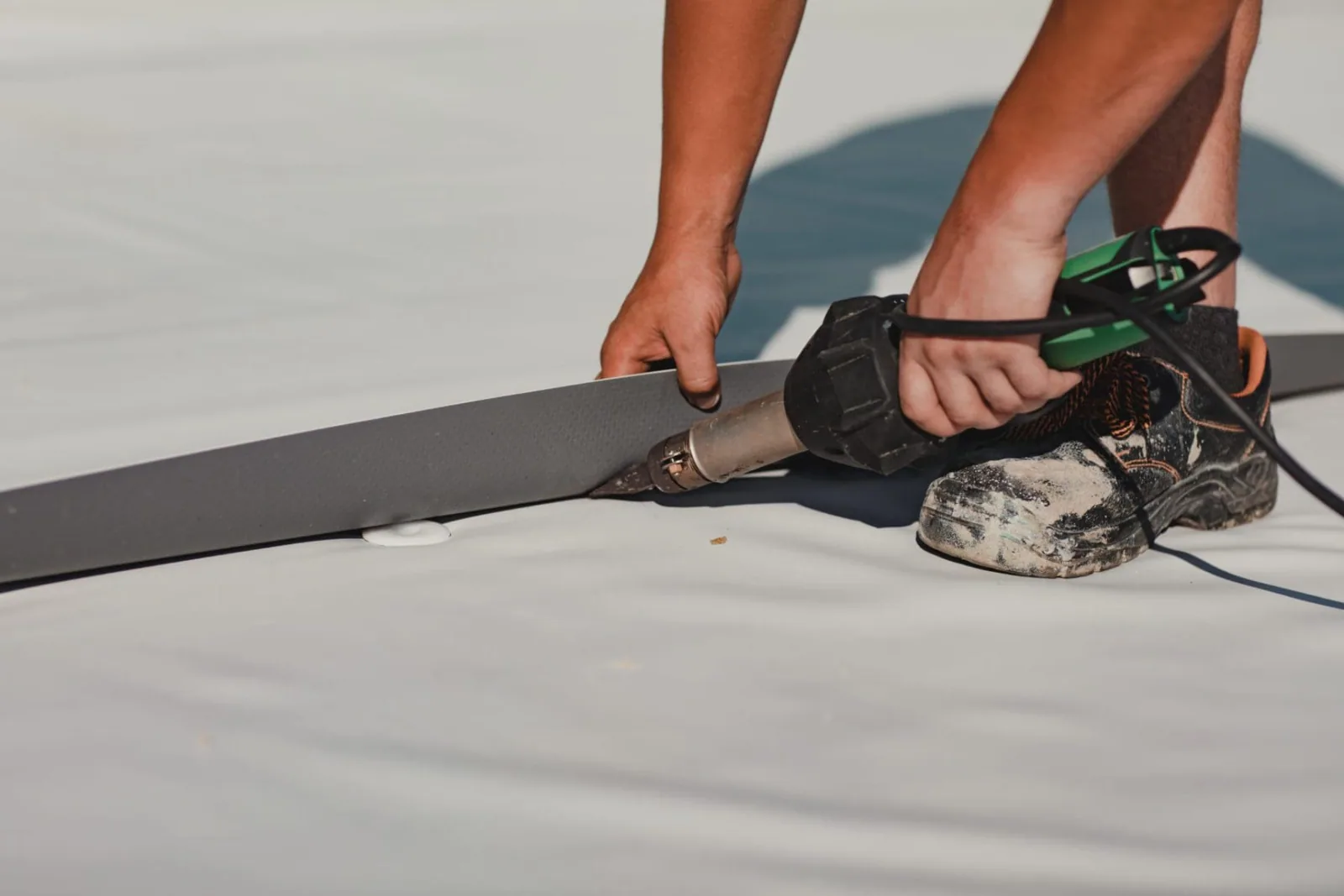
Roof System
Commercial PVC Roofing
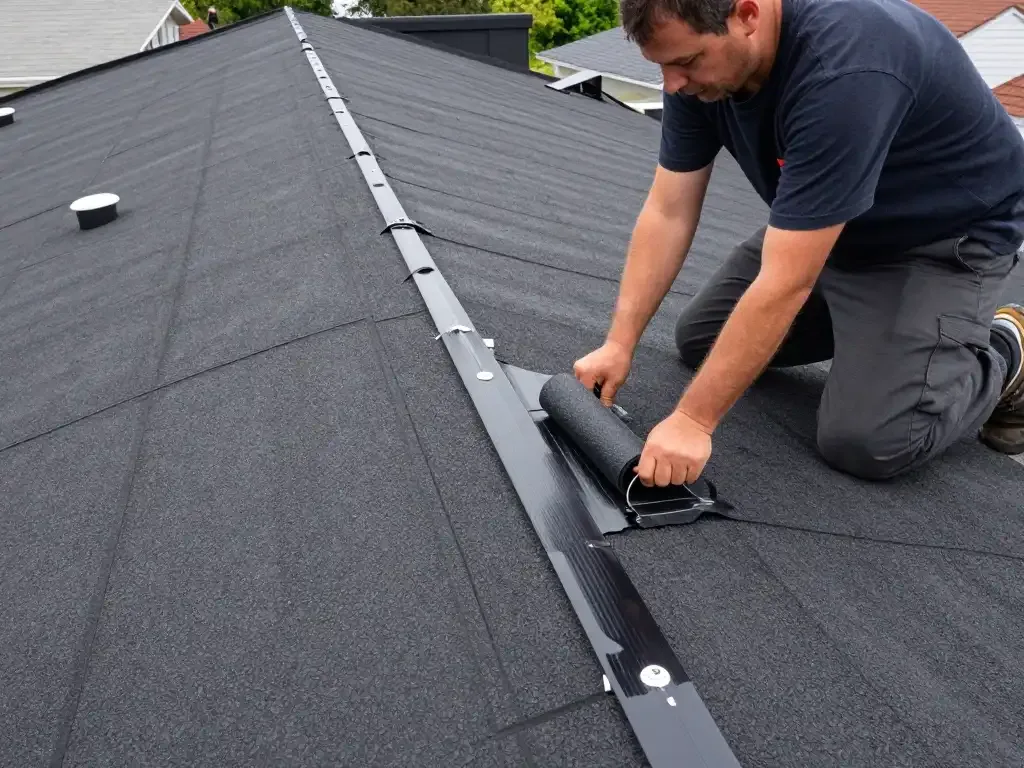
Roof System
Commercial EPDM Roofing
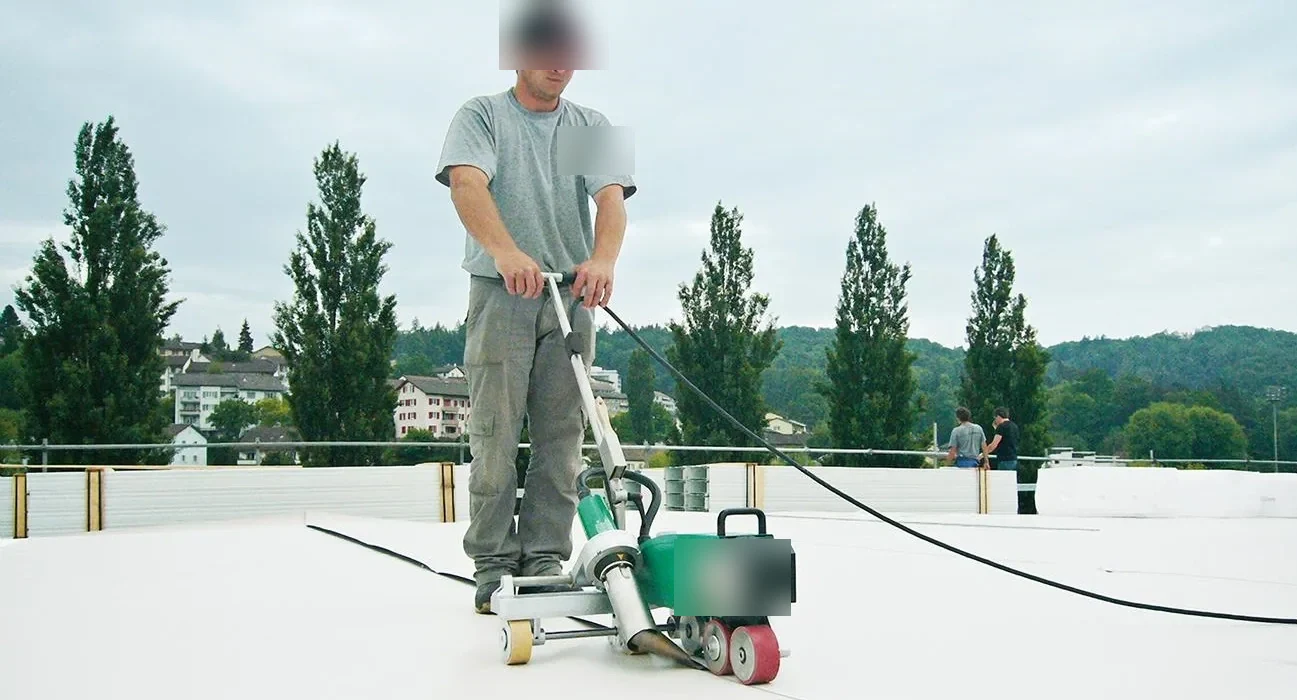
Roof System
Commercial KEE Roofing
Roof System
Commercial Modified Bitumen Roofing
Roof System
Commercial Built-Up Roofing
Roof System
Commercial Standing-Seam Metal Roofing
Roof System
Commercial Metal Roof Retrofit
Roof System
Commercial Spray Foam Roofing
Roof System
Commercial Silicone Roof Coatings
Roof System
Commercial Acrylic Roof Coatings
More About Roof Systems
Which Membrane Fits the Roof Section?
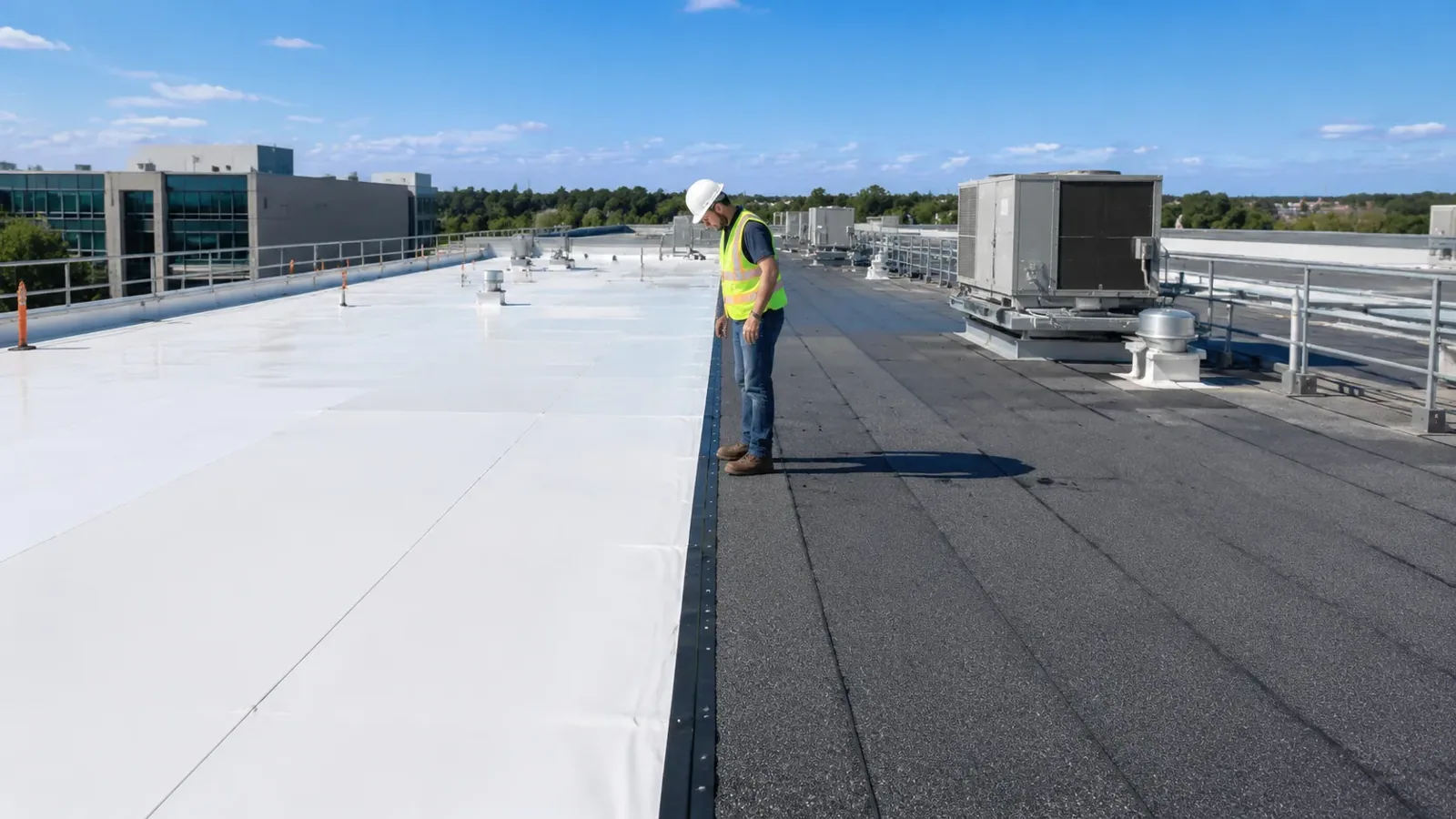
TPO, PVC, and EPDM each have different seams, attachment methods, and repair details. A welded thermoplastic seam is checked differently from an EPDM splice. We confirm the existing material, insulation, cover board, and perimeter before selecting a compatible repair or replacement assembly.
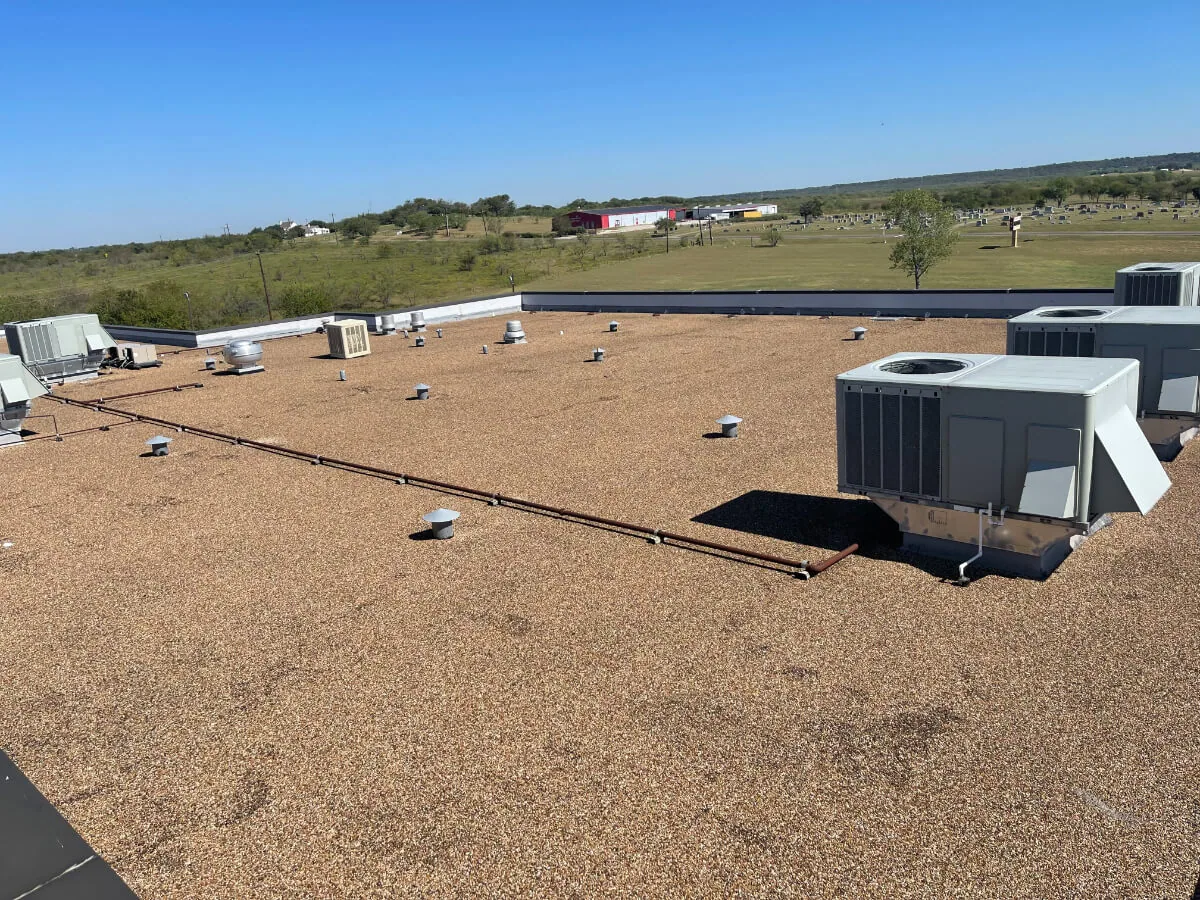
Modified bitumen remains an option where the deck and building use support its layer construction. The decision follows the roof's condition, drainage, penetrations, and planned maintenance. A roof in the IH-20 Business Park still needs its own field review; planned uses do not establish the roof type on any individual property.
When Does Metal or Foam Make Sense?
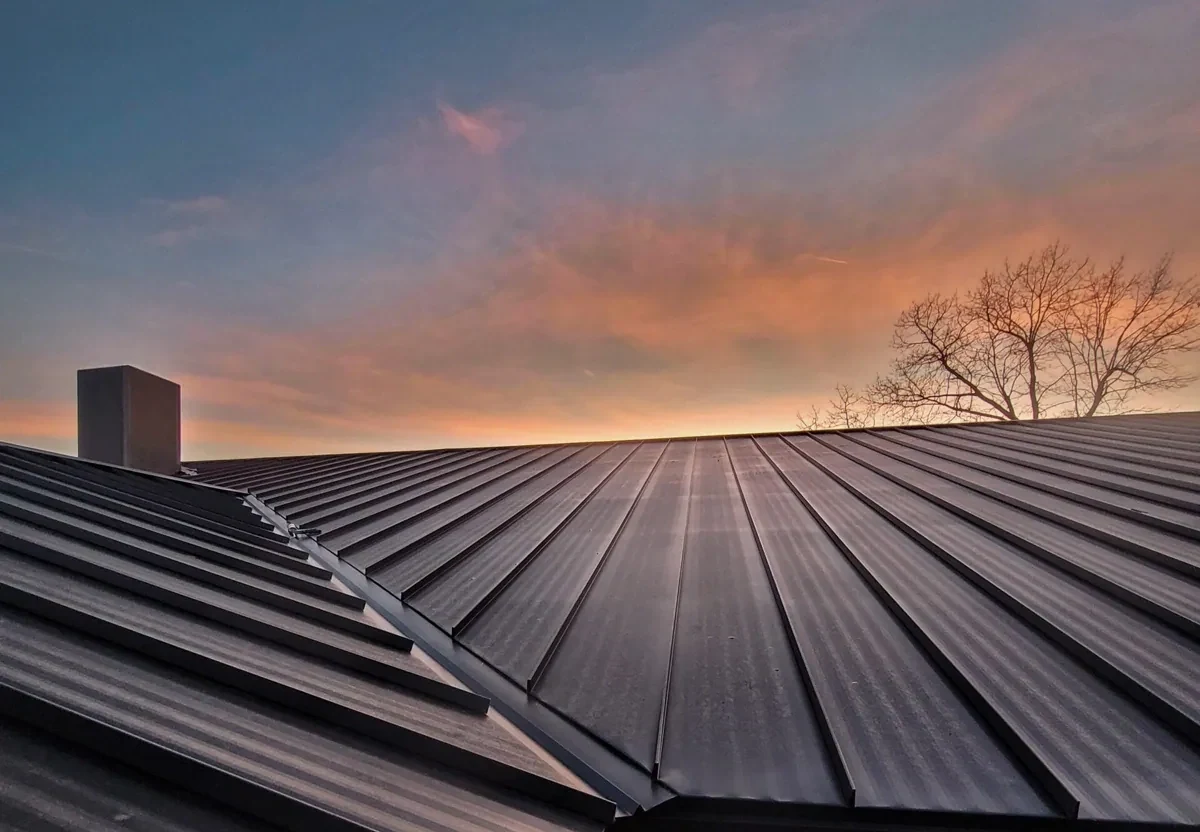
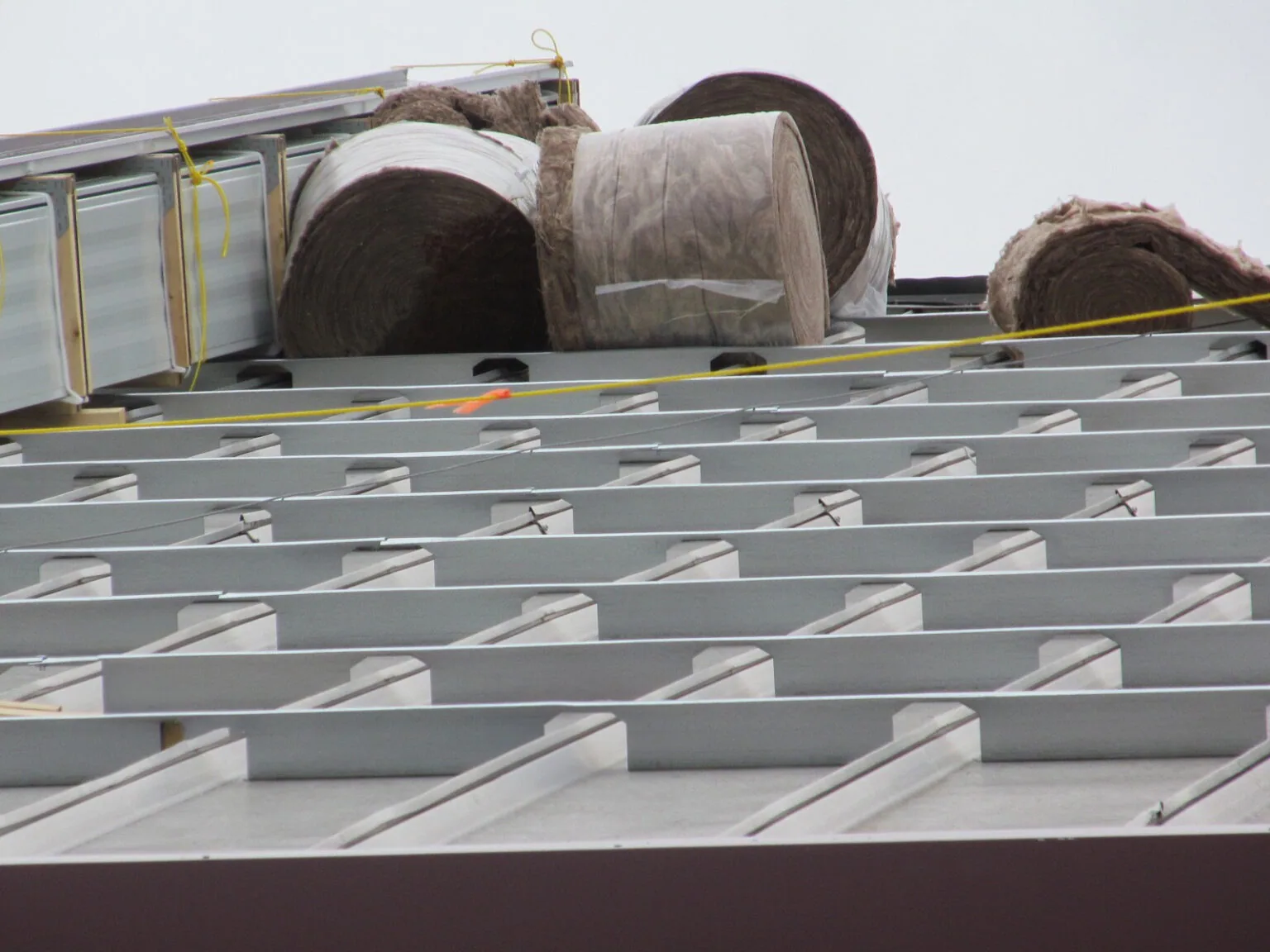
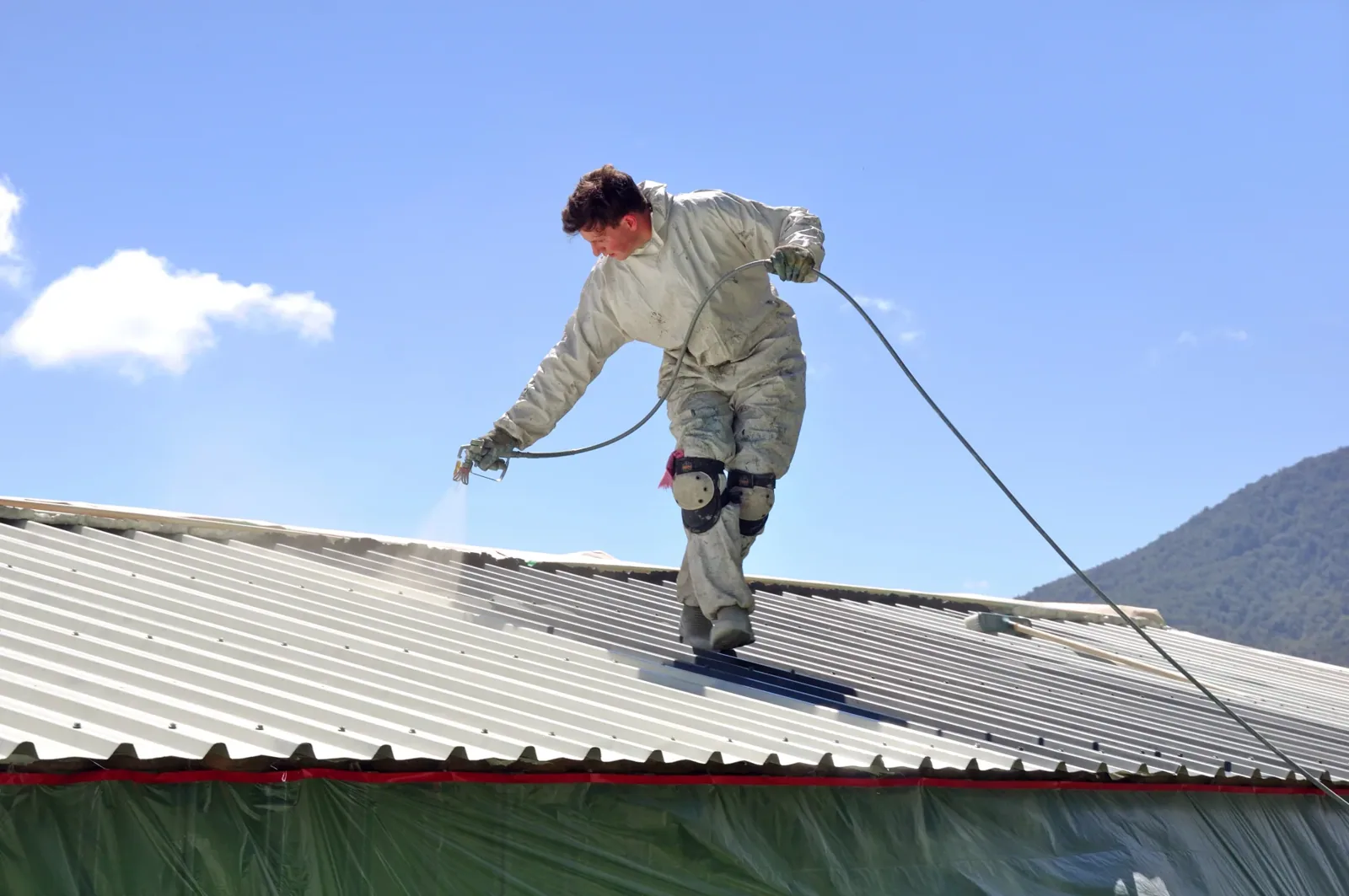
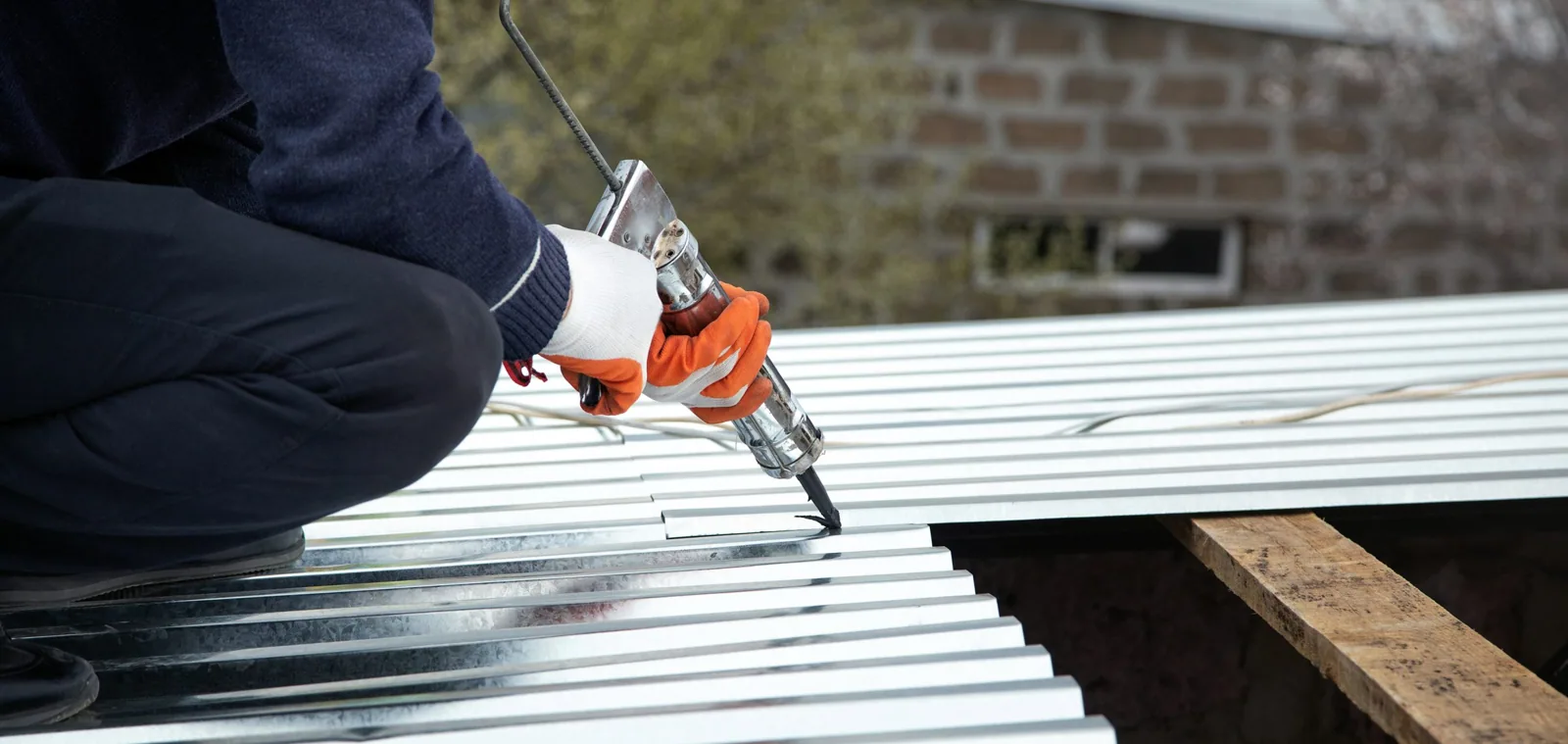
Standing-seam metal is evaluated at panel laps, fasteners, edges, and penetrations. We check for movement, corrosion, and water paths before deciding whether repairs or an overlay assembly fit. Spray foam roofing depends on dry, prepared substrate and protected surface coating.
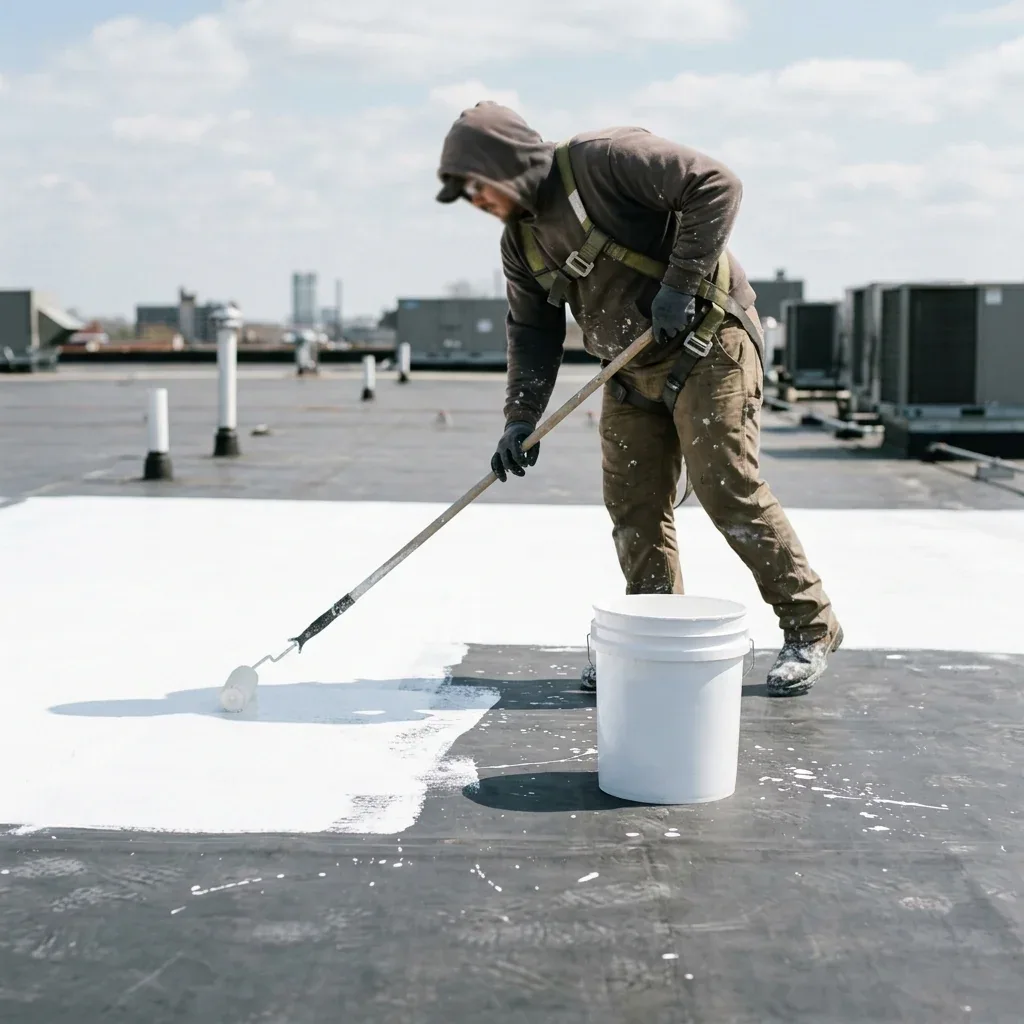
Coatings have a different job. Silicone systems need compatible surfaces and sound details. The choice also depends on ponding, exposure, and maintenance access. We explain limits before work begins, especially around curbs and drains where water can bypass an otherwise sound field membrane.
What Has to Be Checked Before a System Change?
Moisture, deck capacity, existing layers, code requirements, edge conditions, and drainage all affect the scope. We review applicable requirements with the project team and confirm the assembly at the building. A system name alone does not establish whether a recover is suitable.
We document roof sections, penetrations, and access needs, then compare repair, recovery, and replacement paths. For an occupied distribution property, the plan also marks staging and work zones. The Skyline Logistics Hub relies heavily on long-haul carriers, so dock and material movement can influence sequencing. Field conditions determine the final scope.
How Are Options Put Into a Work Plan?
We record the system found, the conditions that limit it, and the next test or repair needed. A commercial roof inspection can support a larger system review. If the assembly is repairable, a restoration plan may address a prepared surface. For broader renewal, we compare a recover with replacement after checking moisture and deck conditions.
The owner receives a clear scope by roof section, with access windows and temporary protection identified. We note what remains uncertain rather than burying it in a system label. That makes the choice usable for operations, capital planning, and future maintenance.
Commercial Roofing Questions
Can a new membrane go over the roof already in place?
We first check moisture, deck capacity, existing layers, and the condition of edges and penetrations. A recover may fit a sound assembly, but wet insulation or concealed failure can change the recommendation.
How do you compare TPO, PVC, and EPDM?
We compare the verified roof assembly, seam method, attachment, detail count, exposure, and maintenance needs. The material choice follows the building and the owner's operating plan, not a generic ranking.
Can a coating correct ponding water?
A coating does not replace drainage correction. We inspect slope, drains, and substrate condition, then determine whether the surface can accept a compatible coating after needed repairs.
What should a facility send before a system review?
Roof plans, prior repair records, leak locations, and access limits help us prepare. We still verify the layers and details in the field before setting a system scope.
Review the Existing Assembly
Share the roof plan, repair history, leak locations, and access window. We will inspect the roof section and compare system options against its field condition.