
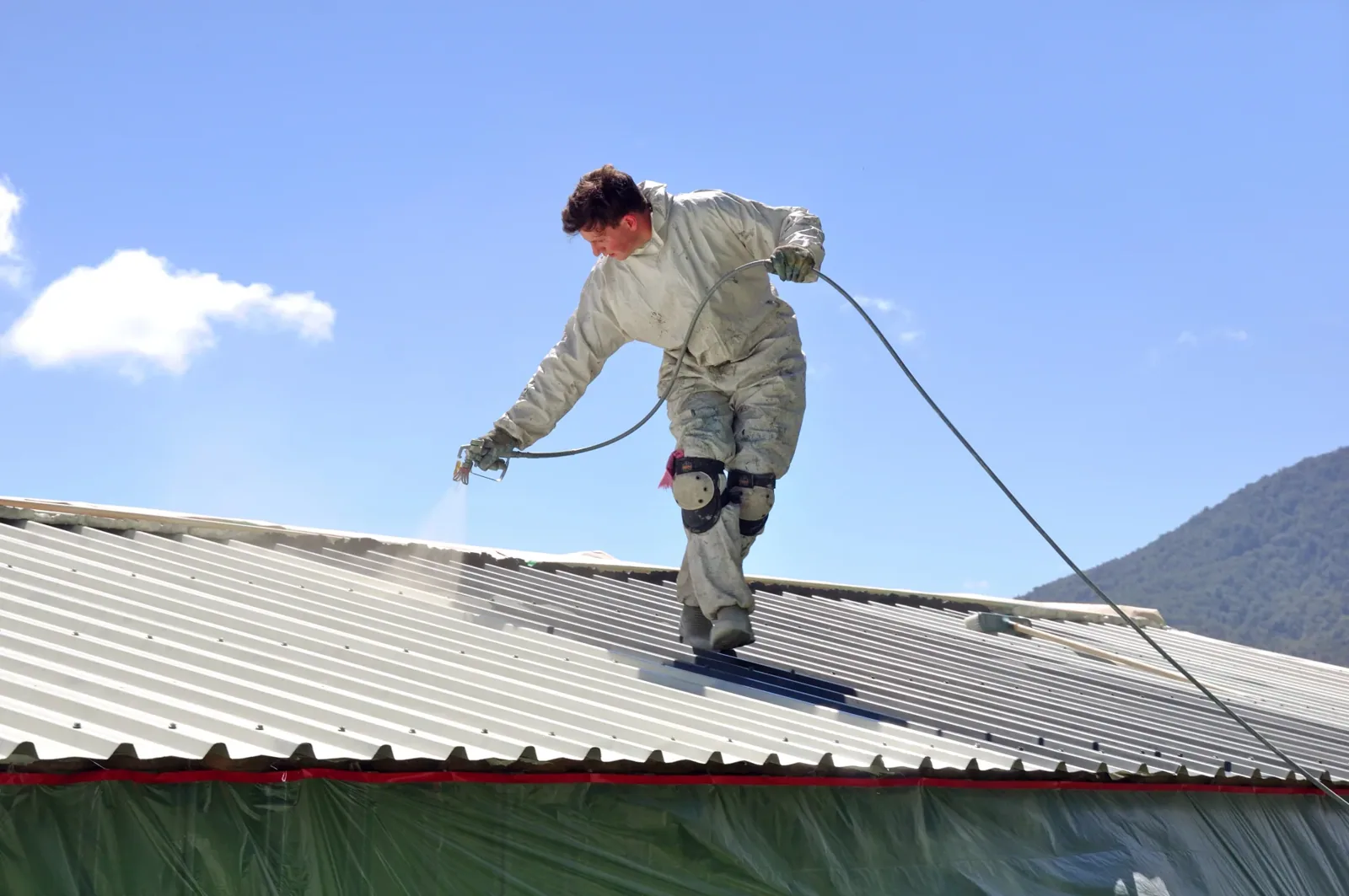
Commercial Spray Foam Roofing in Mesquite, TX
Exposed foam is a roof condition that needs a quick decision. A breach in the protective coating can let water reach the foam, while a worn surface may need cleaning and recoating instead of broad removal. We inspect coating thickness and adhesion, foam condition, seams, drains, and penetrations before choosing a repair limit. The work begins with dry-in and isolation of any wet section, then restores the protective surface where the substrate remains sound.
At McKenzie Road, the planned industrial development includes truck-transfer and temperature-controlled operations. A foam repair there needs staging that leaves loading movements clear and interiors protected. The IH-20 industrial area differs from the Town East-Skyline district, where industrial and retail properties share a broader reinvestment area. An Alcott Logistics Station District roof still needs its own curb, drain, and shift plan.
Is the Foam Wet, Damaged, or Only Weathered?
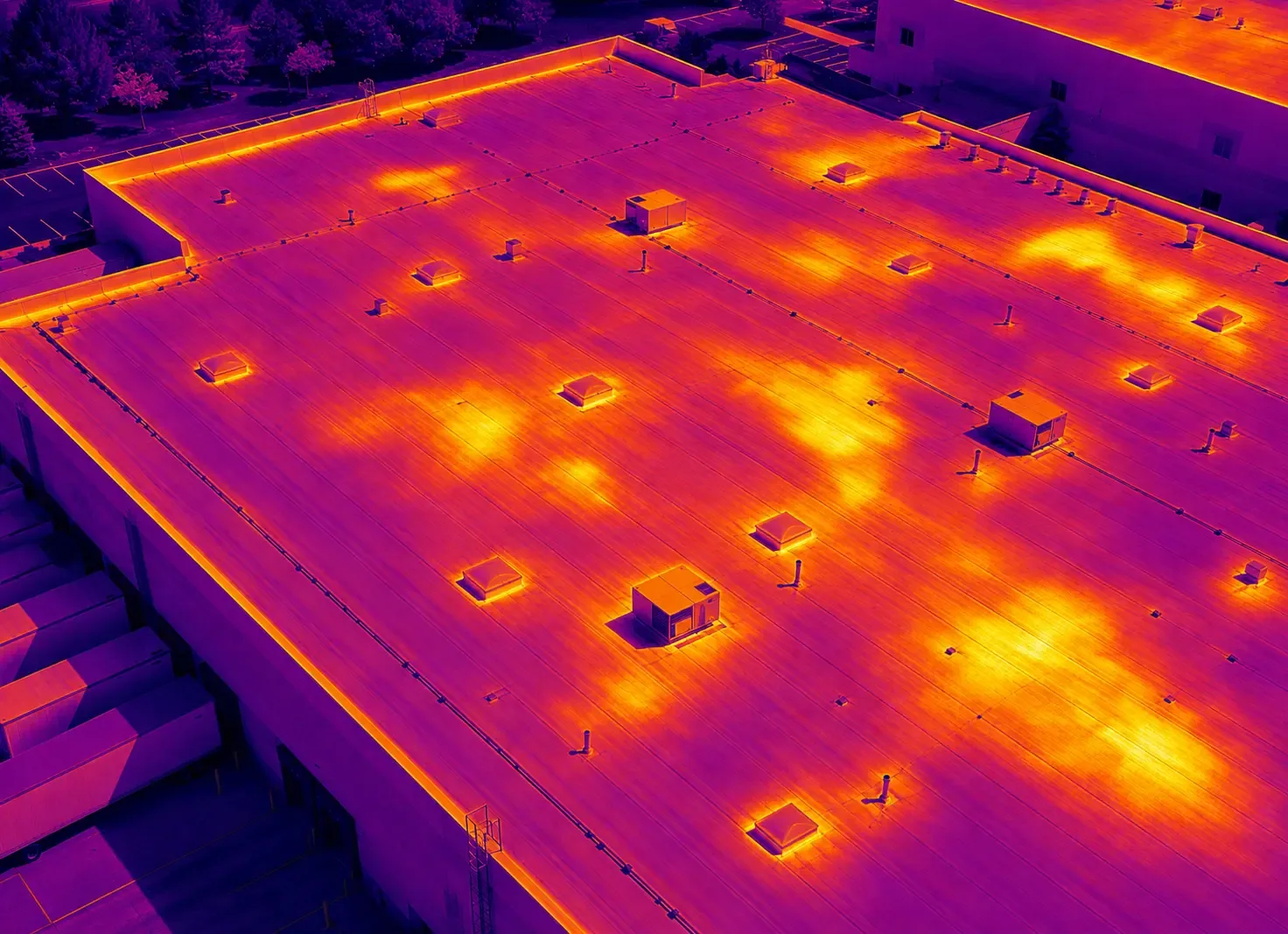
We look for punctures, soft foam, open seams, blisters, coating cracks, exposed edges, and spots where the surface has lost its protective layer. A coating defect does not tell us how far moisture has traveled. We probe and map suspect areas, compare them with the deck and drain layout, and separate dry foam from material that needs removal. An infrared moisture survey can help map suspected wet insulation when conditions and assembly make the scan useful; the result is checked against openings and field observations.
Drainage is part of the inspection. Foam systems can be shaped to direct water, but later settlement, equipment work, or debris can create a low point. We follow water toward drains, scuppers, and edges, then note whether ponding is isolated or tied to a broader slope problem. A drainage correction may be needed before a new coating is applied. Coating over a wet, dirty, or poorly draining surface can shorten the value of the repair.
At penetrations, we inspect the foam termination and flashing detail. Curbs, pipes, skylights, and electrical supports can interrupt the protective surface. If a unit was serviced, the curb may have been altered or a new opening added. The curb and support repair needs to coordinate with the foam and coating sequence so a mechanical patch does not leave an exposed edge.
When Does a Local Repair Make Sense?
A localized repair can work when surrounding foam is dry, attached, and stable. We remove loose coating, cut out damaged foam to a sound boundary, rebuild the profile, and apply compatible protective layers. The repair should taper into the existing surface rather than leave a sharp water-catching edge. We record the limits and coating condition around the patch so the next inspection can tell whether the defect is isolated or growing.
If the foam remains sound but coating has thinned across broad areas, a silicone roof coating or an acrylic coating system may be evaluated. Compatibility depends on the existing coating, surface preparation, drainage, and expected exposure. We check adhesion and manufacturer requirements before specifying a new layer. A coating is not a remedy for wet foam or a failed substrate.
Where wet material appears in multiple zones or the foam has lost shape and bond, replacement may be safer. The proposal can compare localized cuts, broader foam replacement, and full roof removal. Roof geometry, edge height, drain position, interior use, and the repair history shape that choice. If removal is necessary, replacement planning establishes how the new assembly will connect at walls, curbs, and drains.
What Controls Application and Cure?
Foam and coating application depend on a clean, dry surface, acceptable substrate temperature, wind, humidity, and the product's instructions. We check the forecast and roof conditions before spraying. Masking protects equipment, walls, intake openings, and parked vehicles from overspray. The facility sets the work zone and any temporary shutdowns. Access stays restricted until the product is ready for the next layer.
Foam and coating work in July or August may face humid Dallas-Fort Worth afternoons in the 90s, with daytime readings often climbing above 100 degrees. We measure the substrate and check the product range before spraying. Wind direction matters because overspray can travel off the roof; a poor setup is a stop signal. A poor setup is a stop signal; the crew can reschedule the section.
Spring thunderstorms in the Metroplex can bring hail, damaging winds, intense rainfall, and flooding. A fresh foam or coating layer needs suitable protection until it is ready for exposure. We stage sections so the completed area is secure before moving on. If weather interrupts, we identify the exposed boundary, protect it, and record what remains before the next shift resumes.
How Is a Busy Roof Kept in Service?
We split the work into roof sections with clear access, equipment limits, and daily closeout points. Loading areas and production hours determine when lifts arrive and where materials are placed. The building contact identifies intakes, sensitive processes, and routes that must stay open. A roof map marks completed, curing, and protected areas to prevent access over fresh coating.
The plan also assigns responsibility for rooftop units. HVAC or electrical work that punctures a newly coated roof can leave the foam unprotected. We agree on who disconnects, resets, or flashes each item and when that work will occur. A new conduit support or abandoned curb should be resolved before the section receives its final coat. Coordination avoids repeated masking and keeps each penetration in the closeout record.
McKenzie Road planning allows for industrial development that includes distribution, cross-dock operations, and cold storage. Those uses can constrain crane placement and material delivery. For a property in Town East-Skyline, pedestrian access and retail hours may be the stronger constraint. We arrange the shift boundary with the site lead and leave a secure roof edge at each stop.
What Belongs in the Foam Roof Record?
The record should show the original surface condition, moisture map, repaired foam areas, coating system, penetration details, drain path, and any excluded section. Photos taken before covering preserve evidence of substrate and repair depth. We note product and application information needed for future maintenance, without implying a warranty term that is not part of the project documents. The roof plan should make it easy to find each patch and see where the coating tie-in begins.
A roof condition report can establish the baseline after restoration. Planned maintenance then checks coating wear, drains, exposed foam, and any rooftop work that occurred after the project. If water reappears, the record gives the next crew a starting location and helps separate a failed detail from a new penetration or blocked outlet. The owner receives the repair boundary and the follow-up observations in plain language.
Commercial Roofing Questions
Can spray foam be recoated instead of replaced?
Yes, when the foam is dry, stable, and bonded and the existing coating is suitable for another layer. We inspect the surface, make test cuts or adhesion checks where needed, and confirm that preparation will remove dirt and loose material. Wet or deteriorated foam must be addressed before a new coating can protect the roof.
How do you find moisture below a foam roof?
We combine surface observations, probing, roof records, and targeted openings. Infrared may help identify temperature patterns under suitable conditions, but field checks confirm the suspected areas. We do not coat over a wet area to hide it.
Will new foam correct ponding water?
It can help redirect drainage when the roof design, drain elevation, and substrate permit a tapered profile. First we identify why water stays in place and whether the outlet is clear. Added foam must terminate correctly at drains, edges, and curbs. A low spot caused by structural movement needs a broader review.
What should the facility do before spraying starts?
Identify air intakes, sensitive equipment, occupied areas, vehicle paths, and roof access restrictions. We agree on masking, shutdowns, and the work-zone boundary with the site contact. Coordinate HVAC or electrical changes before the final coat.
What if rain is forecast during application?
The crew checks product instructions, surface conditions, and the forecast before opening a work area. We proceed only where the section can be applied and protected within the available window. If conditions change, we stop at a secure boundary and document the unfinished area for the next shift.
Map the Wet Area Before Recoating
Share the roof plan, prior coating records, leak locations, drain layout, and operating windows. We will inspect the foam and coating, mark wet or damaged areas, and define the repair limit before restoration begins.
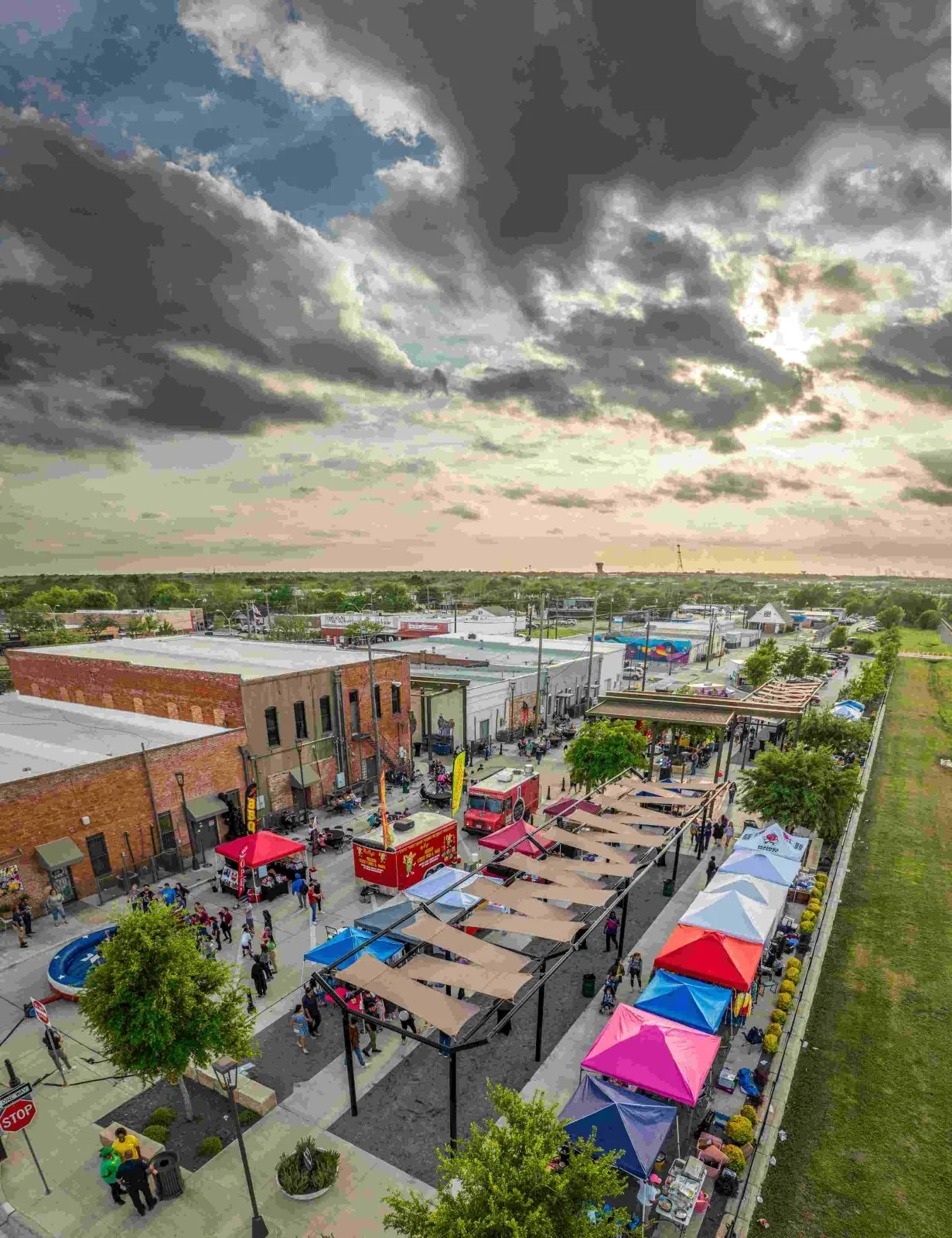
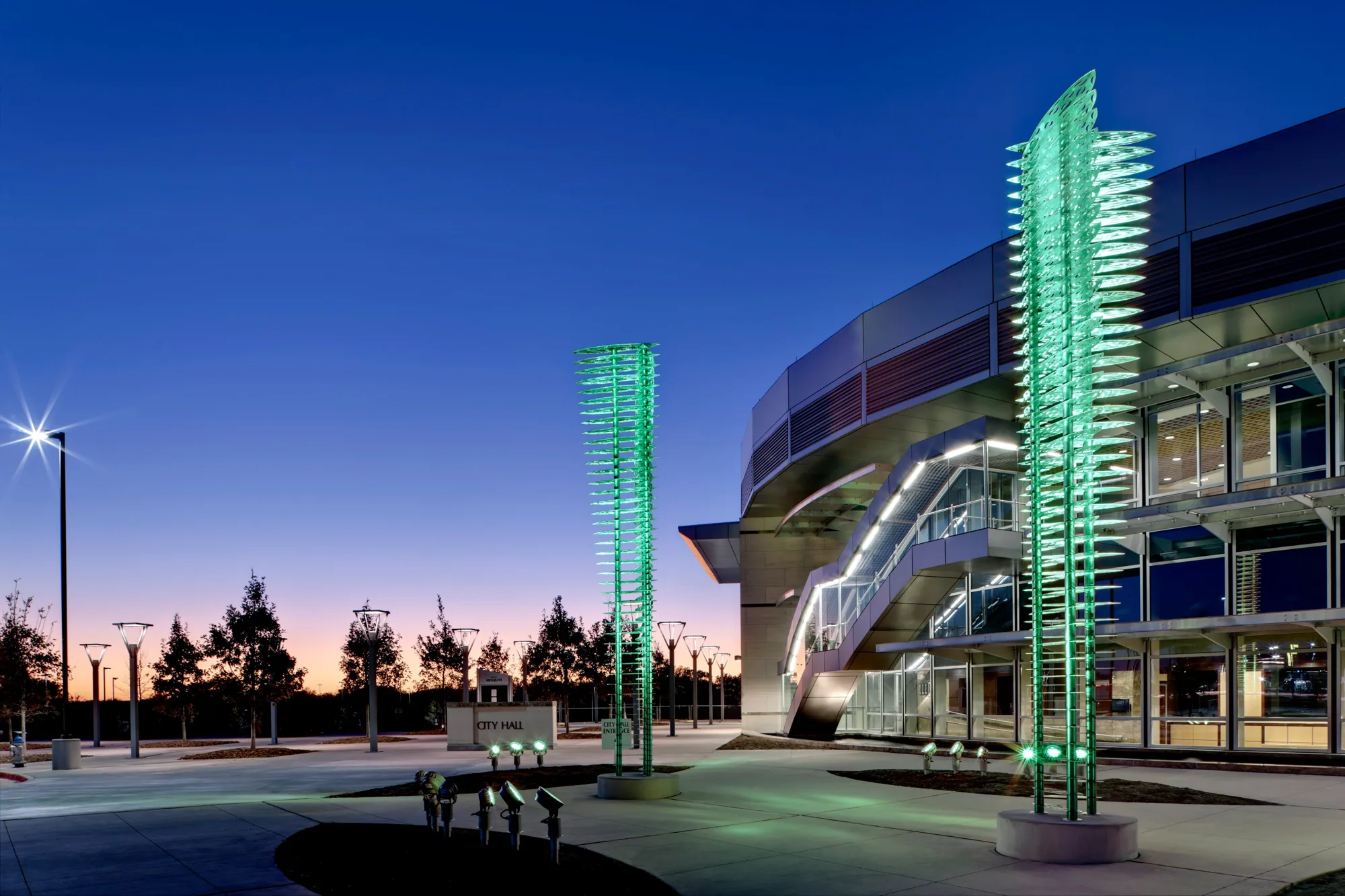
Roof conditions recorded with photos and written findings.
Work planned around the building and its daily operations.