
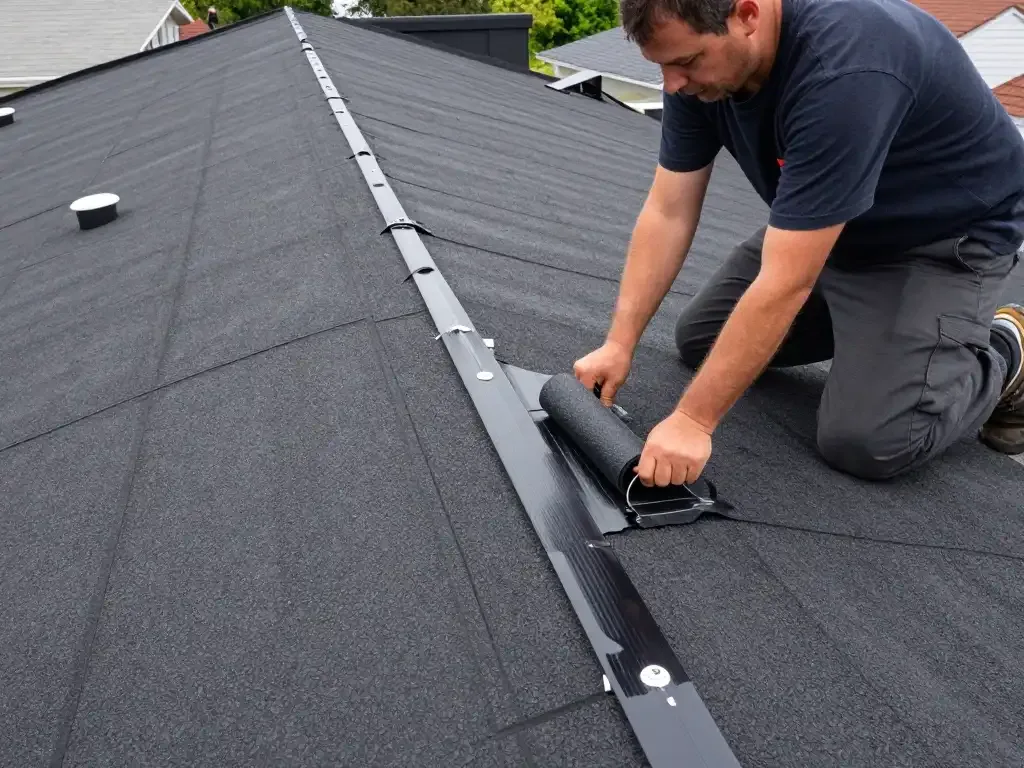
Commercial EPDM Roofing in Mesquite, TX
A black EPDM membrane can hide a narrow split, open seam, or puncture until water reaches the space below. We inspect the sheet, seam edges, patches, curb transitions, and attachment around the reported area. The repair depends on the membrane's surface, the material used at the seam, and whether the insulation below is wet. We trace the path and identify what is sound before setting a patch boundary. If a roof has several prior repairs, we map each one instead of repeating the last repair by habit.
Mesquite's US 80 corridor connects commercial districts and industrial planning areas, while Rowlett's North Shore is planned for employment and commercial growth near the turnpike and Lake Ray Hubbard. Neither district establishes a property's membrane; roof records and inspection must confirm it. A roof inspection along the US 80 corridor begins with the roof plan, membrane records, and facility schedule. For an active leak, leak tracing can narrow the entry path while interior protection is set.
What Is Separating at the EPDM Seam?
EPDM seams may be joined with seam tape, adhesive, or a compatible cover strip. We check the seam edge for lifting, fishmouths, trapped debris, or a bond that releases with light probing. Surface preparation matters. Dust, oxidation, moisture, or old repair material can keep a new patch from bonding. We remove failed material only to a sound boundary, clean and prepare the membrane, then install a repair that matches the existing system.
The seam may be open because the lap was contaminated, a patch edge was not secured, or movement stressed the joint. We inspect both sides and look for a related curb or drain transition. A simple bead of sealant can cover the symptom while leaving the lap loose. The repair needs the compatible primer and tape or adhesive specified for the membrane. The roof condition inspection can record nearby seams and details when the failure repeats across a section.
At the North Shore commercial area in Rowlett, a service plan still depends on the individual roof and the access route. Commercial roofing in North Shore Rowlett can be scheduled around the site's actual operations, roof hatch, and safe staging point. The membrane type should be confirmed from records or field inspection before material is ordered.
Has the Membrane Lost Its Repair Surface?
EPDM can weather, oxidize, shrink at edges, or become difficult to bond after years of exposure and repeated patches. We check whether the surface remains receptive to primer and repair material. A test area can show whether the patch system will adhere. If the sheet has pulled from terminations or exposed insulation, the scope may extend beyond the visible split. We document the membrane and the flashing transitions before deciding whether a local repair is enough.
Movement at a parapet, curb, or drain can load the EPDM seam. We inspect termination bars, metal edges, corner patches, and membrane turns. If roof drainage causes repeated contact with standing water, drain and scupper correction may be needed along with membrane work. A cover board repair can address a soft substrate or wet insulation once the affected boundary is confirmed. We do not close wet material under a new patch.
For roofs with several membrane layers, we identify the existing build-up before proposing a recover. A new system must tie into drains, curbs, and edges at the right height. The record marks observed layers and excluded areas.
How Should EPDM Work Be Timed?
DFW summer heat and humidity affect crew comfort, membrane temperature, and how adhesive or primer behaves during application. Spring storms can bring severe rain, hail, and damaging wind across the region. Those seasonal patterns help with scheduling, but they do not establish a roof defect. We inspect the actual surface and follow the material instructions for temperature, dryness, and cure. If moisture or wind makes a secure repair uncertain, we protect the area and pause.
Before removing an EPDM patch, the crew confirms how much membrane can be prepared and closed during the shift. A weather hold should not leave a lap unprotected. We stage compatible materials and a temporary dry-in approach before opening the seam. A storm assessment can distinguish actual impact or wind damage from ordinary weathering after safe roof access is available.
The U.S. 80 route crosses commercial areas in Mesquite, and material delivery can share access with other operations. We confirm where to stage rolls and how a lift or truck can reach the building. A roofing visit near Skyline Logistics Hub can coordinate with the site's real loading schedule rather than assume a delivery window.
Should the Owner Patch, Recover, or Replace?
Patch when the problem is limited and the membrane remains sound around it. Consider recover only when the existing roof is dry, stable, and compatible with the proposed assembly and structural limits. Widespread seam failure, shrinking sheet, wet insulation, or loose attachment can call for selective removal or replacement. We mark the areas that support each option so the owner can compare repair cost drivers, access, and timing without treating the whole roof as one condition.
EPDM is one membrane option, not the default answer for every facility. The building use, roof details, maintenance needs, and project documents matter. A TPO system review can compare thermoplastic seam methods, while a modified bitumen assembly may have a different repair and layer profile. We explain the systems in terms of the roof being reviewed, not as a generic product ranking.
If replacement is the better path, replacement planning can stage removal, dry-in, edge work, and drain transitions. The owner receives a clear description of what the repair covers and what should remain on the next capital plan.
What Should the EPDM Repair File Contain?
Record the EPDM membrane, seam method, repair materials, photos, and location of each patch or flashing repair. Mark the boundary on the roof plan and note whether insulation or cover board was opened. If a transition remains outside scope, label it so the next inspection does not assume it was repaired. This gives facility staff a usable reference after the next rainfall.
A maintenance visit can check seams, corners, drains, and exposed patches. The roof record should also retain any access or weather limits that affected the completed work. Each recommendation stays tied to the observed section and the membrane we inspected.
Commercial Roofing Questions
Can you patch EPDM with a material from another membrane system?
A repair should use materials compatible with the existing EPDM and its surface condition. We identify the membrane, remove incompatible patch layers where needed, prepare the surface, and use the correct primer and seam product. A generic sealant or patch from another system may not bond. The repair record lists the material used and the area it covers.
Why does an EPDM seam lift after it has been repaired?
Contamination, inadequate preparation, moisture, movement, or an incompatible repair material can affect adhesion. We inspect the lifted edge and the condition beneath it before applying another patch. If the membrane has shrunk or the termination is loose, the repair may need to reach the edge detail. Repeating the same patch without correcting the cause can leave the seam vulnerable.
How do you check for moisture under an EPDM roof?
We review leak locations and roof layers, then survey the suspect area and choose test points. A moisture survey can guide cuts, but opening the assembly confirms the material condition. We mark where insulation is wet and where it is sound. The crew removes affected material and restores the membrane transition before closing the area.
Can an EPDM roof be recovered with another membrane?
A recover is considered only after checking existing layers, moisture, attachment, drainage, and structural limits. A dry and stable assembly may qualify. Wet insulation or a loose sheet needs correction first. We identify curb and drain height changes that a new layer would create and show which roof areas can support the proposed approach.
What should we inspect after an EPDM repair?
Check the marked seam, patch edges, nearby drains, and curb transitions after rain. Keep the repair photos and plan location with the roof records. If water returns, note when it appears and whether it follows the same route. That information helps the next inspection distinguish a recurring seam defect from a separate entry point.
Identify the EPDM Seam and the Layers Below It
Share prior repair records, roof plans, leak timing, and access hours. We will check seams, flashings, drainage, and moisture, then set a patch, recover, or replacement scope by roof section.


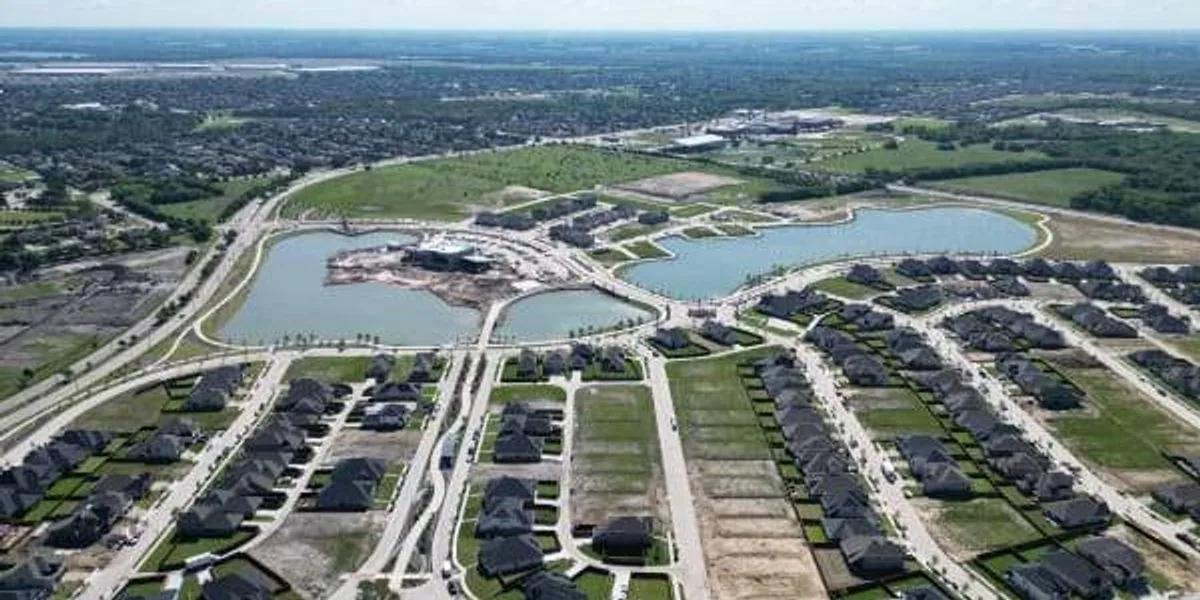
Work planned around the building and its daily operations.