
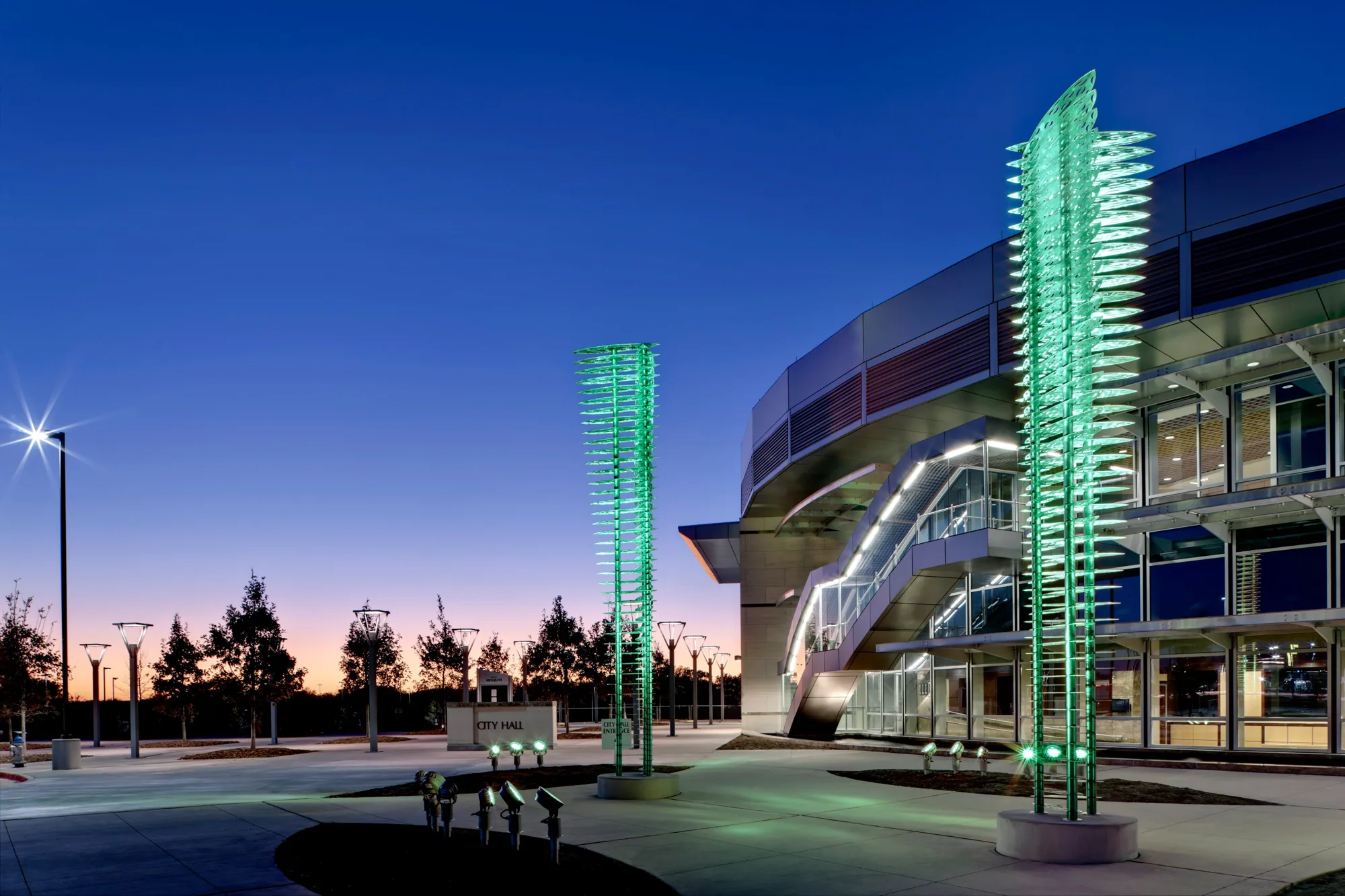
Commercial Roofing in North Shore Commercial District, Rowlett, TX
A roof section beside a planned employment district needs a work limit that fits the building, not a map label. In North Shore, Rowlett, TX, our first walk identifies the membrane, edges, drains, curbs, and interior area tied to the reported issue. We protect active space first. Then we decide whether a seam test, moisture check, or opening will establish the repair boundary.
Rowlett describes North Shore as a broad area for commercial and employment growth near the President George Bush Turnpike and Lake Ray Hubbard. Its planned uses include office, industrial, commercial, employment, and complementary residential development. That mix makes access and occupant coordination part of a roof scope, while the roof itself still needs a field inspection. A marked commercial roof inspection records the assembly and the conditions that drive the next decision.
What Does the North Shore Plan Mean for Roof Work?
A development framework can describe intended uses; it does not identify the roof assembly on a particular property. North Shore allows employment and commercial uses alongside complementary housing. We confirm whether the building in question is occupied, under construction, or scheduled for change before setting the work window. Project drawings, roof records, and a field walk establish the actual membrane and attachment.
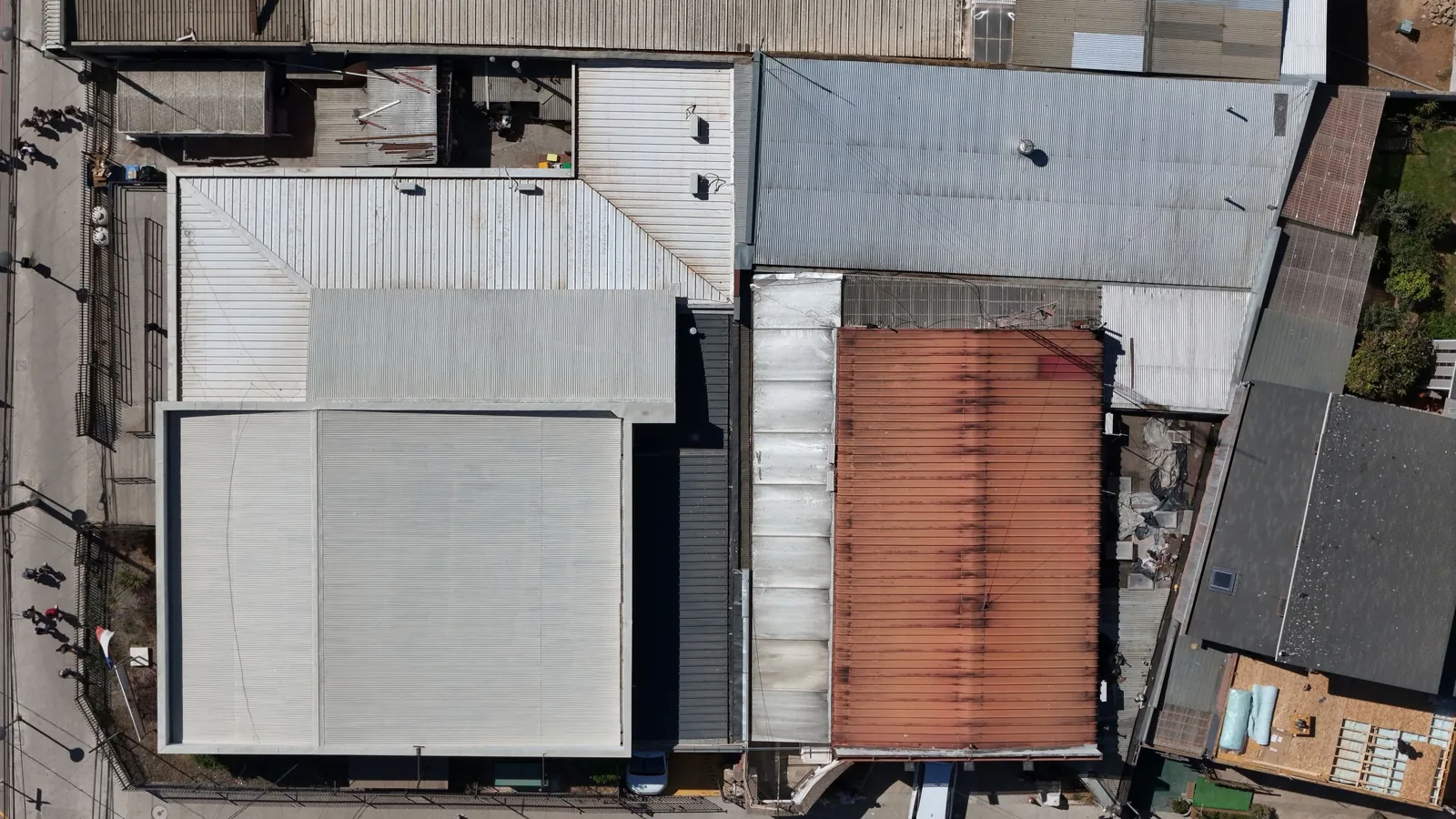
The area's first phase includes six buildings and accommodates several businesses. That is useful context for coordinating a visit, not proof of a shared roof design. We check the individual building's access rules, lift area, and interior activity. If roof documents are incomplete, a drone roof inspection for visible surface conditions can help map accessible details before closer testing is planned.
How Do We Trace a Leak Across a Newer District?
Water can enter at a curb, seam, drain, or wall termination and show inside somewhere else. We start from the affected room, compare its position with the roof plan, and follow the likely route across the slope. A probe checks a suspected lap. Moisture mapping can narrow possible wet areas, but a test opening shows whether insulation or the deck needs attention.
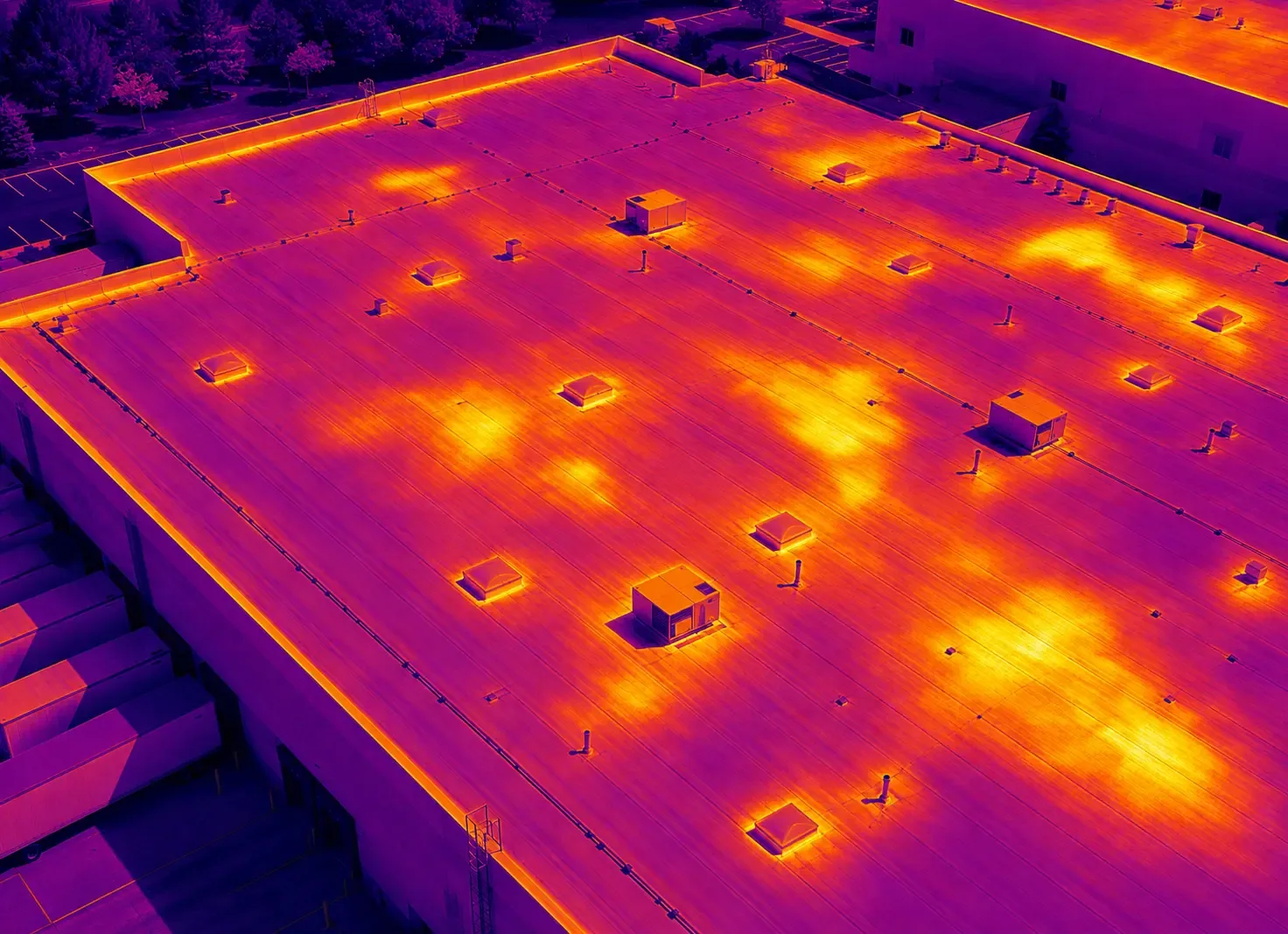
For an operating office or industrial property, the inspection boundary matters below the roof as well. We coordinate ceiling access, sensitive equipment, inventory, and any space that must remain clear. Photos label the location and show what was observed before removal. Where trapped moisture is possible, an infrared survey to guide selective testing can reduce unnecessary openings. We mark confirmed conditions separately from areas that still need access.
Can Material Delivery Fit the Site's Operating Window?
Near the turnpike and Lake Ray Hubbard, regional access may bring a crew near the area, but it does not determine how a truck reaches one building. We verify gate instructions, staging, roof access, and the path for material handling with the property contact. A planned crane, membrane delivery, or debris container needs a confirmed location and time. We do not assume a site has a clear loading lane.
For removal work, we divide the roof into portions that can be opened, dried in, and secured within the agreed shift. If work stops for weather, the closeout plan identifies temporary protection and the section left safe. A reroof sequence for occupied buildings can account for interior use and approved access windows. The roof plan then ties each daily boundary to a visible area rather than a general note about the district.
Which Roof Conditions Call for a Wider Scope?
A single opening may be repairable when the surrounding sheet, flashing, attachment, insulation, and deck remain stable. We prepare compatible material, rebuild the seam or transition, and check the finished work. If several details are failing or moisture continues beyond the first cut, stopping at the visible symptom can leave wet material in place. The repair estimate shows the test area and the confirmed removal limit.
Replacement becomes more likely when failures recur across sections, the membrane has become brittle, or wet insulation reaches multiple details. A recover is reviewed only after checking the existing layers, drainage, attachment, and project requirements. We separate those options instead of bundling different roof conditions into one allowance. A section-by-section replacement scope shows tear-off limits, rebuilt details, and the daily closeout needed to keep the property protected.
What Does North Texas Weather Change on the Schedule?
Dallas-Fort Worth summers bring hot, humid conditions, with July and August afternoons in the 90s and frequent readings at or above 100 degrees. An exposed roof surface can respond differently than the air, so we check the membrane and follow the product's installation limits before applying a coating or making a weld. Work is sequenced to limit how long any section remains open. That DFW pattern informs the work window; the roof condition and current weather set the day's application decision.
Storm risk concentrates in spring across the Dallas-Fort Worth region. Hail, strong gusts, intense rain, and tornadoes are recurring hazards, but their effects vary by property and event. After a report, we photograph any puncture, lifted edge, or opened transition and look for a water path into the assembly. Drain blockage and wet insulation are recorded separately from surface impact. A wind-damage roof assessment marks displaced components and the detail that needs correction before repair scope is priced.
What Should the Facility Contact Receive at Closeout?
The closeout should let someone compare the repaired area with the next inspection. We mark the roof plan, attach photos, list the materials installed, and identify drains, curbs, and edges within the work limit. If an opening revealed wet insulation or a deck concern, the record shows where the observation ended. Conditions outside the repair stay visible so another team does not mistake them for completed work.
We check the finished seam or flashing, clear the work area, and confirm the drainage path is open. If a section could not be reached, the record states that limit and the access needed for a follow-up. Owners can use a Lakeview Business District roof review or a Rowlett commercial roof inspection to plan work at other properties, but each assembly receives its own finding. Send the roof plan, leak dates, photos, affected interior area, operating schedule, and safe access window.
Commercial Roofing Questions
Does North Shore development activity tell you what roof is installed?
No. North Shore has planned property uses and future growth. We identify the membrane, insulation, attachment, and details from the building records and field condition. When those sources disagree, a test area can confirm the layers before a repair or replacement scope is prepared.
Can an inspection happen before a tenant move-in?
Yes, after the property contact confirms roof access, interior entry, and any construction restrictions. We can record seams, drainage, edges, and visible penetrations, then identify places that need a closer test. The photo record gives the owner a condition baseline before the space begins operating.
What if the roof plan does not match the field?
We document the difference and inspect the affected roof section before relying on the drawing. Prior penetrations or repairs may change a detail. A test opening can identify the layers, while photos and measurements show how the current roof meets a curb, wall, drain, or edge.
How do you limit disruption during section replacement?
We agree on access and work hours, then divide removal into areas that can be dried in during the approved window. Interior protection is set before an opening begins. The daily closeout names the area secured and any temporary measure that remains if weather changes the sequence.
Which information helps set a repair boundary?
Send the roof layout, dated leak observations, photographs from inside and above, prior work records, and the hours when crews can access the roof. We compare those materials with test results and mark the area where wet insulation or failed membrane ends. The estimate then separates confirmed repair from concealed conditions.
Set a North Shore Roof Review
Share the building roof plan, leak dates, interior photographs, operating hours, and access instructions. We will inspect the actual assembly, document the repair boundary, and separate temporary protection from permanent work.

Work planned around the building and its daily operations.