
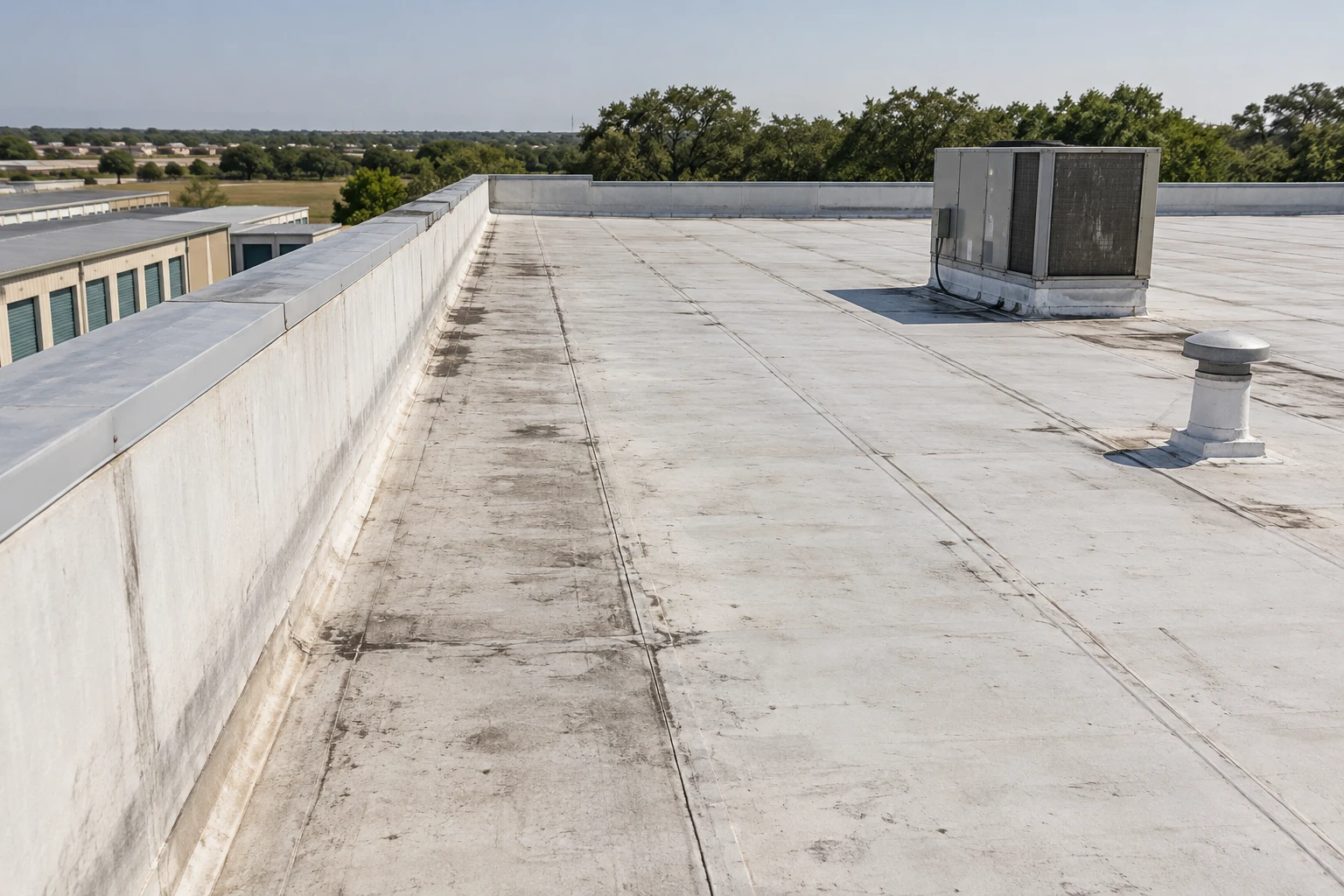
Commercial Roofing in Lakeview Business District, Rowlett, TX
An employment-focused roof needs a plan that keeps access clear while the crew checks the assembly. In the Lakeview Business District of Rowlett, TX, we begin with the reported leak or visible condition, then map the roof area around seams, drains, edges, and penetrations. The first question is whether the condition stays within one detail or extends into insulation below. We mark that boundary before recommending removal.
Lakeview sits within Rowlett’s larger North Shore area, which includes business and industrial space. Infrastructure and public improvements support continued private investment in North Shore. That context can affect how a work zone is coordinated, but it does not tell us how an individual roof was built. A roof inspection with marked conditions and photos establishes the actual system, access needs, and next test.
What Does the Roof Need Before a Repair Is Chosen?
We identify the surface membrane or metal panel, the nearby flashing, and the visible attachment before selecting a repair material. A roof record may describe one assembly while later work has changed a penetration or edge. We compare documents with the field and note what cannot be confirmed without opening the roof. That prevents a patch recommendation from resting on a system name alone.
Business and industrial space can have different equipment, access, and interior-use constraints from one property to the next. We verify the roof route, lift placement, and any area below that needs protection. If the symptom appears near equipment, we look at the curb and surrounding sheet rather than assume the unit caused the leak. A curb and penetration review can include the flashing, fasteners, and transition above the occupied area.
How Can the Leak Boundary Move Beyond a Stain?
A ceiling mark helps locate the interior concern, but the opening may sit upslope or beside a detail. We trace the roof plane from the affected area, check drains and laps, and compare the pattern with the roof layout. A probe can test a suspected seam. Moisture mapping helps choose where to investigate; a test opening shows whether insulation is wet and how far removal should extend.
The roof record separates observations from conclusions. One photo can show a lifted lap, another the drain path, and a third the interior protection in place. If water continues across the assembly, we set a larger inspection boundary before closing the repair. A moisture survey paired with selective test cuts can help define that boundary without opening every section. We keep untested areas outside the confirmed repair limit.
Who Sets the Work Zone in Lakeview?
Access is confirmed with the property contact, not inferred from district-level development. We need the current gate procedure, roof hatch or ladder route, material staging location, and any restriction on deliveries. A facility may need interior protection below a leak or a clear path around daily operations. The crew supervisor gets the same boundary as the person responsible for the building.
North Shore continues to attract private investment, while each property controls its own construction and operating schedule. We confirm whether tenant use, equipment work, or deliveries will overlap the repair window. For larger removal, the roof is divided into portions that can be dried in and closed before the next shift. A North Shore commercial roof scope follows the specific site plan and safe access instructions rather than the district's broad land-use designation.
Can a Seam Repair Stay Local?
A localized repair is reasonable when the membrane around the opening remains bonded and the insulation and deck are dry and stable. We remove contamination, prepare compatible material, and rebuild the seam or flashing transition. After the repair cools, we test the connection and record its limits. A surface seal that does not restore a failed lap can leave the same entry path open.
If a test cut shows moisture beyond the initial detail, the scope moves to dry material. Widespread wet insulation, repeated seam openings, or failed attachment can make section replacement more useful than another patch. We compare the area removed, deck work, rebuilt details, and closeout sequence. A replacement scope for an operating property sets daily limits so the roof is protected at each stop. The proposal separates confirmed work from concealed conditions.
How Do Summer Conditions Affect Application?
On the hottest Dallas-Fort Worth afternoons, July and August readings commonly sit in the 90-degree range, and values over 100 are not unusual. Humidity adds to the burden. We compare surface conditions with the membrane or coating's application window before heating, welding, or spreading material. That regional pattern informs scheduling; it does not replace a same-day check of the actual Lakeview roof.
Planning for the day means sequencing the exposed section, not just choosing a start time. We stage material so it can be secured if weather interrupts the work, then close each opened area according to the repair plan. Where a leak is active, temporary emergency roof protection can limit interior exposure until permanent work is possible. The record states what protection was installed and which repair remains for a later visit.
What Should the Owner Keep After the Crew Leaves?
Keep the marked roof plan, photos, repair materials, and the tested seam or detail location together. If the crew opened the assembly, the record should show where wet material stopped and what remained dry. Notes for excluded conditions also matter. A later maintenance visit can then compare the same drain, curb, edge, or patch rather than start again from the ceiling mark.
We inspect the completed transition, clear the work area, and confirm that drains remain open. The owner receives a scope boundary and any follow-up item that could not be addressed during the approved window. For another property in the municipality, a Rowlett roof inspection records that building separately. Send the site roof plan, leak date, interior photographs, operating hours, and roof-access instructions. We will set a focused visit before pricing the permanent repair.
Commercial Roofing Questions
Does the Lakeview business district identify roof types?
No. Business and industrial uses in North Shore do not establish the system installed at a property. We verify the roof from property records and field conditions. If the records do not match current details, a test area can reveal the layers before a repair method is selected.
Can you inspect a roof before a tenant takes occupancy?
We can arrange a visit after access and interior-entry rules are confirmed. The inspection records visible seams, penetrations, drainage, and edge conditions, then identifies any area that needs a closer opening. That gives the owner a baseline to address before routine activity begins in the space.
What makes you expand a repair beyond one curb?
Evidence of wet insulation, loose attachment, or repeat failures at nearby details can move the boundary. We compare test openings and moisture observations, then mark the area where the assembly returns to dry, stable material. The written scope shows the removal limit and any section that remains untested.
How do you protect work areas below the roof?
Before opening a roof section, we identify the room or equipment below, set coverings or temporary protection, and agree on a work window with the facility contact. The crew keeps each opening within the planned closeout area. If weather or a hidden condition changes that boundary, the site contact receives an update before work proceeds.
What changes the timing of a replacement?
Tear-off depth, wet insulation, deck repairs, roof access, staging, and the number of transitions all affect the schedule. We also account for the hours the property can accept noise or deliveries. The proposal separates confirmed quantities from conditions visible only after removal, so the owner can compare the sequence and assumptions.
Review the Lakeview Roof Assembly
Provide the building roof plan, a dated leak record, photos, access procedures, and the hours when work can be scheduled. We will inspect the assembly, mark confirmed conditions, and prepare a repair limit tied to the property.

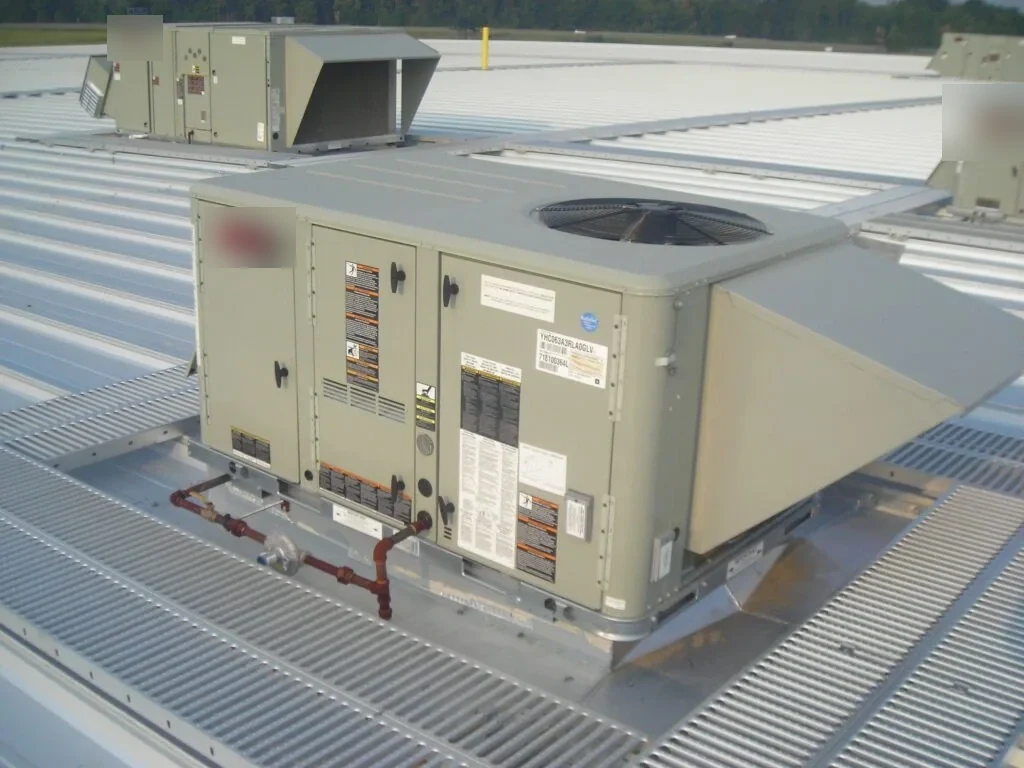
Roof conditions recorded with photos and written findings.
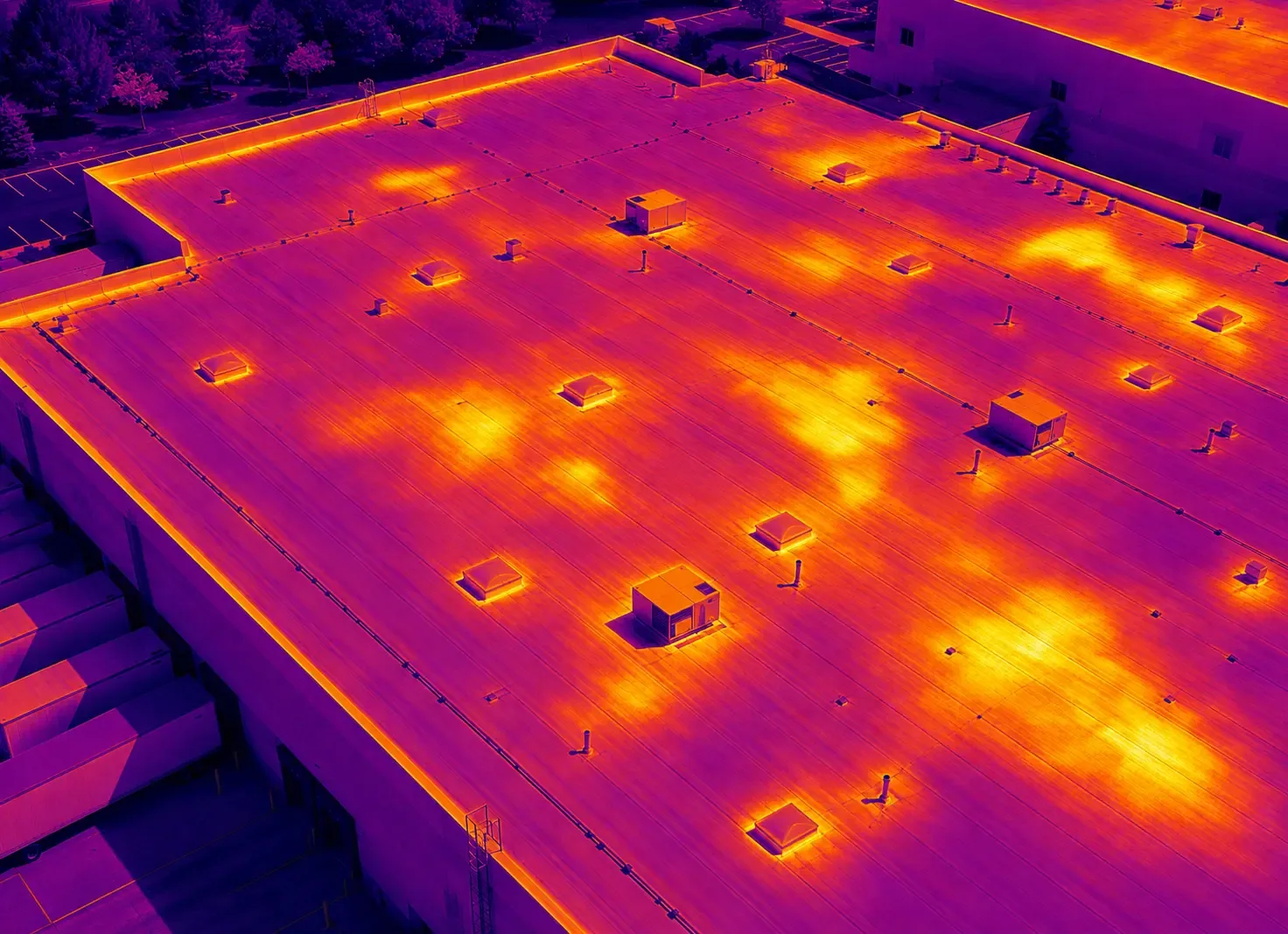
Work planned around the building and its daily operations.