Commercial Roofing in the Town East-Skyline Industrial District, Mesquite, TX
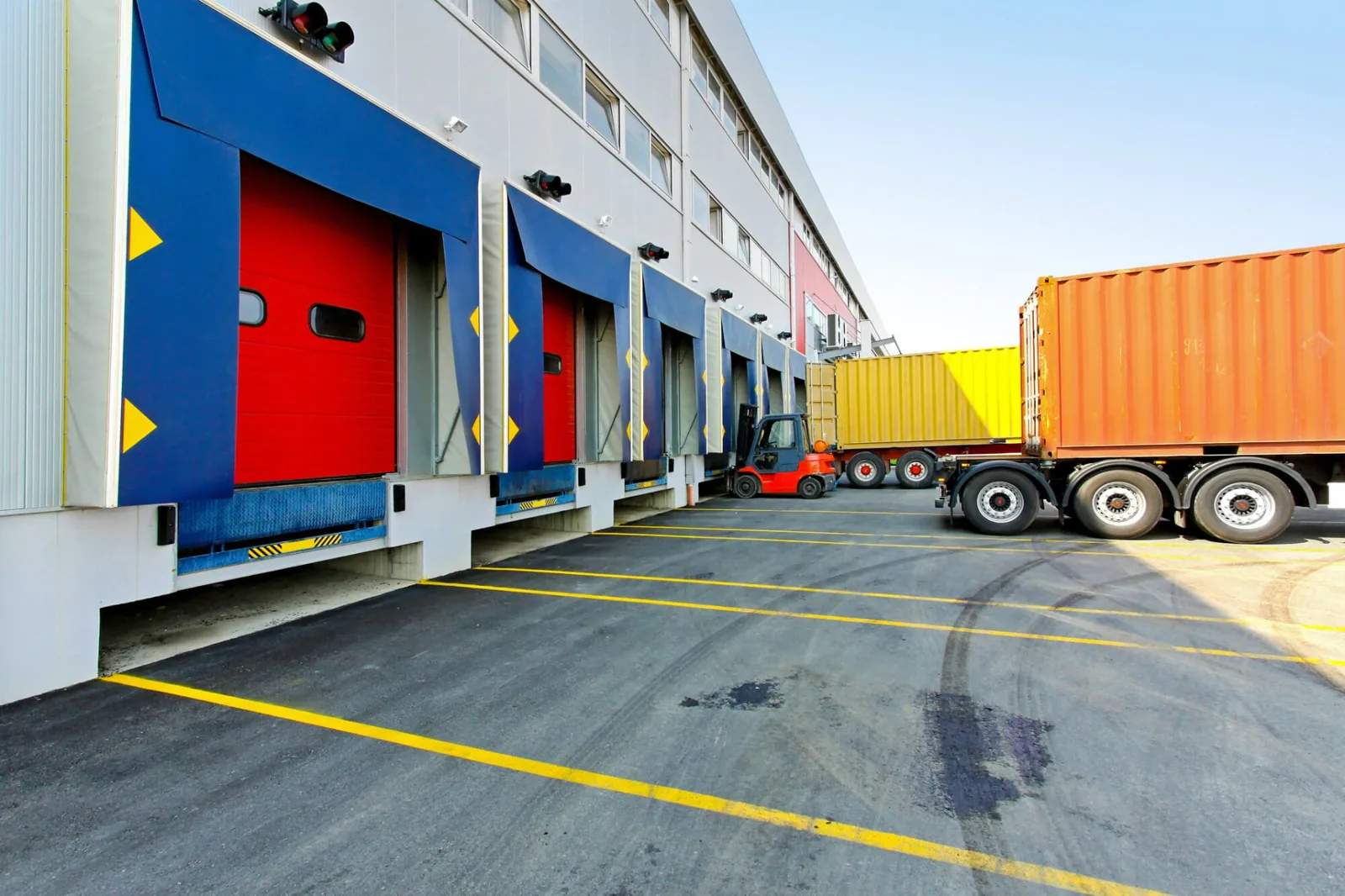
A repair in the Town East-Skyline Industrial District starts with the roof section and the work happening below it. We inspect the reported leak or damage, identify the system and access route, then set a boundary that can be worked without disrupting unrelated areas. The reinvestment zone covers about 1,120 acres and includes the Big Town area. Distribution centers are among the industrial uses in the area. Those facts put roof access and loading coordination on the inspection list; the property's records and field conditions set the repair.
Mesquite summers are hot and humid, with a spring severe-weather season. We check seams, edges, drains, curbs, and penetrations after a storm or recurring leak. A surface mark is only a starting point. We verify whether a detail is open, insulation is wet, or water is moving through the assembly.
For a commercial roof visit in this district, send the property address, roof plan, active symptom, and access window. If another Mesquite location needs its own work plan, commercial roof service in the Skyline Logistics Hub and an inspection near the IH-20 Business Park are coordinated against their own site details.
Which Section Is Actually Failing?
We start where the facility team sees the problem, then trace the roof assembly around that point. A ceiling drip may lead uphill to a curb, wall transition, drain, seam, or termination. A wet insulation reading can extend the repair boundary beyond the visible opening. We mark what is confirmed, what is a likely path, and what still needs a test. The distinction matters when separate tenants or operating areas share one roof but need different work windows.
On a membrane roof, we check the seam weld or adhesive lap, nearby patches, edge securement, penetrations, and substrate. Metal roofs need inspection of panel laps, fasteners, closures, and transitions. Coated surfaces need adhesion and moisture review before another layer is considered. We do not select a repair material until the existing assembly is identified. Where records are unavailable, a field check or test opening can confirm the layer that will receive the work.
A commercial roof inspection can map the findings before work is priced. For a current opening, our roof repair service can address a defined area, while a photo-based condition report keeps the observations tied to the roof plan.
Which Roof Details Need a Storm Check Around Town East?
Dallas-Fort Worth's spring period brings the region's strongest thunderstorm activity. Hail, damaging wind, flooding, and tornadoes occur across the Metroplex in most years. That seasonal pattern can trigger a timely roof walk, but the event does not show which address has damage. We look for displaced metal, a lifted termination, punctures, open laps, impact marks, debris, and water tracks at the property. The repair record names the inspected section and does not extend the storm claim beyond the observed boundary.
Summer adds another inspection condition. July and August highs in the Dallas-Fort Worth area are commonly in the 90s and can exceed 100 degrees. Exposed surfaces, sealants, coating edges, and rooftop transitions should be checked for changes that affect continuity. A brittle coating or weathered membrane may need further evaluation, but age or color alone cannot determine whether the roof will hold water. We compare the surface with attachment, drainage, and interior symptoms.
If a storm opens an edge, the wind-damage roof repair assessment can document uplift and displaced material. Hail impacts receive a separate hail roof inspection, while water that lingers after rainfall needs a ponding-water review. Those checks keep each condition tied to the failure mechanism instead of putting every issue into one repair category.
Can the Existing Roof Take a Local Repair?
A local repair is reasonable when the surrounding material remains stable and the repair can tie into sound construction. The crew prepares the surface, removes loose material as needed, and connects the new detail to a clean boundary. A puncture may need a compatible patch. A seam opening may need a welded or adhered repair. A curb leak may require new flashing and a check of the adjacent membrane. Each scope describes preparation and tie-in rather than only the surface material.
When moisture extends beyond the visible leak, test results can change the quantity. Wet insulation may need removal and replacement before the membrane closes. A soft deck or loose attachment calls for a wider review. We identify concealed-condition allowances separately and seek direction if removal reveals a different substrate. The building manager can then compare a bounded repair with broader recovery or replacement using the same set of observed conditions.
System choice also affects timing. TPO, PVC, EPDM, built-up, and metal assemblies have different preparation and detail requirements. A TPO roof repair must be compatible with the existing membrane and surrounding details. If a coating is under consideration, our roof coating restoration service checks adhesion and substrate first. For an older roof with repeated water entry, a replacement evaluation can compare the repair limit with the larger work area.
How Will Work Fit the Operating Day?
We confirm roof entry, escorts, lift access, and the route below the work before staging. The property representative identifies the loading window, occupied spaces, equipment that needs to stay online, and locations where temporary water protection is required. If the work touches a dock approach, the site contact sets the boundary before material arrives.
For repairs that take more than one shift, we agree on the end-of-day condition. The crew records the temporary closure, remaining exposure, material on the roof, and next access period. Any change in weather or discovered damage triggers a status update before the work zone expands. The owner can see what is finished and what still requires inspection without treating a temporary cover as a permanent repair.
Cost and duration depend on roof height, measured area, assembly compatibility, moisture or deck findings, edge access, lift needs, weather, and the operating window. Phased work may protect production or deliveries, but separate mobilizations can affect the sequence. We identify those tradeoffs in the proposal. If an inspection finds punctures from work or debris, membrane puncture repair can be scoped by location. The same roof-plan references should appear in the final photo record.
What Does the Repair Record Need to Show?
A useful closeout connects the repair to the section that was opened. We note the roof system, failure detail, preparation, materials, tie-in, photos, test results, and any area not reached. If the work stopped for loading or weather, the record shows the point where the crew secured the roof. The facility contact can pass that status to the next shift and keep it with future maintenance notes.
Send the address, roof plan, event or leak timeline, interior impact, and site access rules to request an inspection. We will confirm the available route, review the reported area, and return a scope with a defined repair limit. The next step may be temporary protection, targeted testing, repair, or a larger roof decision.
Commercial Roofing Questions
Does the district's industrial designation tell you what roof is on my building?
No. The designation describes land use, not an individual roof assembly. We identify the membrane, metal, coating, or built-up system from records and field observations before selecting a repair method.
Can an inspection be scheduled around a dock or shift change?
Yes. Give us the loading window, roof-access contact, staging limit, and any route that must remain open. We will set the work zone against those operating constraints before dispatch.
What if the leak is above a different tenant from the roof opening?
We compare the interior symptom with drains, curbs, seams, and roof transitions uphill. Water can travel within the assembly. The report marks the observed path and any test needed to confirm the source.
When should a local repair become a replacement discussion?
Repeated openings, widespread wet insulation, weak attachment, or unstable adjoining material can make a larger scope more practical. We document those conditions and compare repair with replacement at the same roof boundary.
What should the manager receive after the crew leaves?
The closeout should include the completed area, photos, materials, remaining temporary limits, and any section deferred for testing or access. We provide that status so the next shift knows what is safe and what remains open.
Schedule a Roof Inspection in Town East-Skyline
Send the property address, roof plan, reported symptom, loading window, and safe access instructions. We will inspect the identified section, define a repair limit, and document the next work zone.