
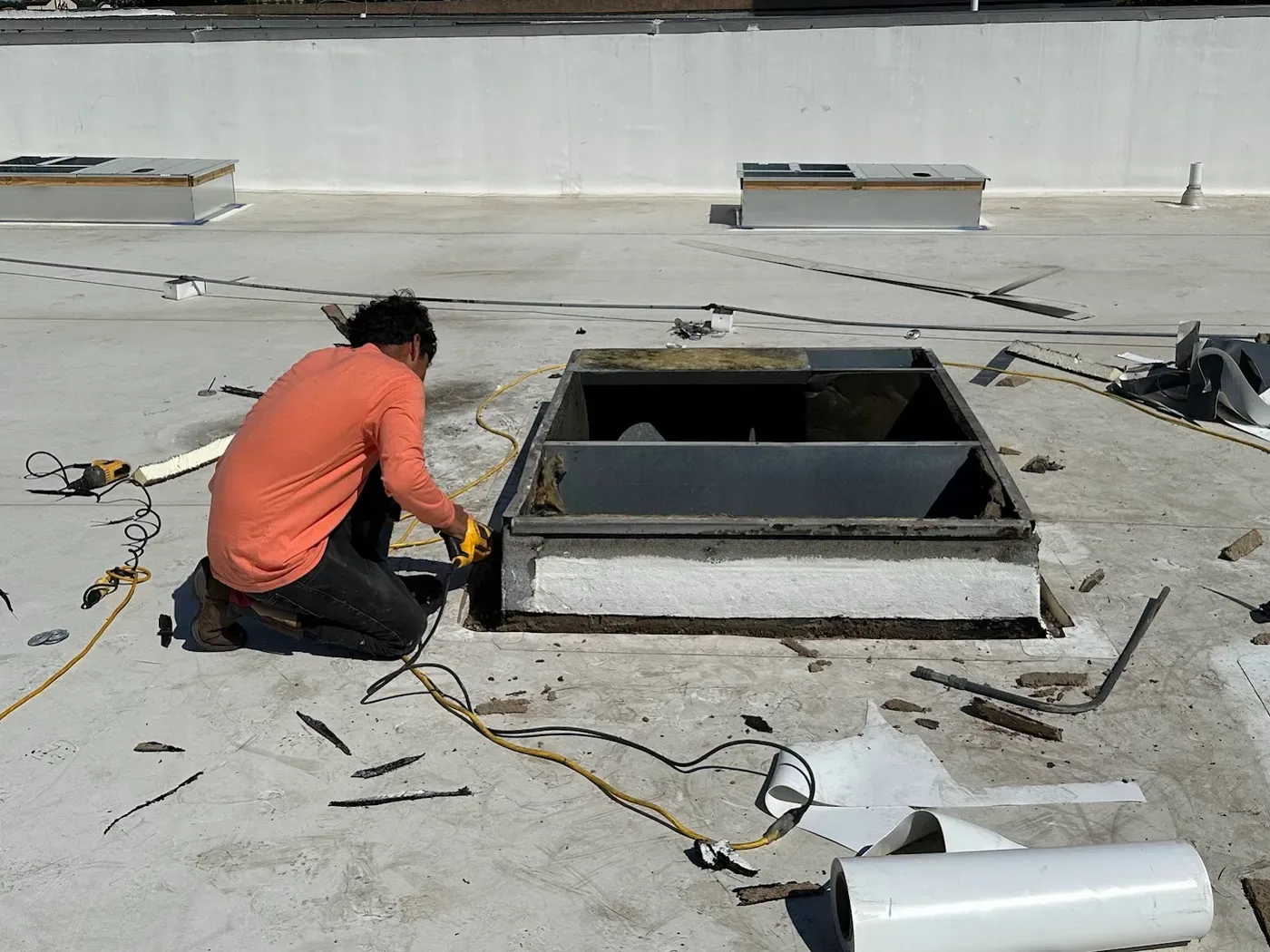
Commercial Membrane Puncture Repair in Mesquite, TX
A puncture beside an HVAC service path can stay hidden until water reaches a room or equipment below. We locate the opening, protect the affected area, and inspect the membrane around it before choosing a patch. The Town East Retail and Restaurant Area covers a broader Mesquite business district with retail, restaurant, and entertainment uses. That setting can include occupied spaces and delivery activity, but it does not tell us where a particular roof opening occurred. The service log and roof plan identify the section we need to check.
The Gus Thomasson reinvestment area includes the I-30 corridor and supports commercial redevelopment. For work near that district, we confirm the building's roof access and service schedule rather than assume a common operating pattern. A commercial roof inspection in the Town East retail area starts with the puncture location and the work path that may have caused it. We separate a temporary water stop from a permanent membrane repair.
What Made Contact With the Membrane?
A dropped fastener, sharp edge, tool, branch, or service cart can damage a roof surface. We ask what work occurred nearby, then look for a cut, split, indentation, or displaced protective layer. The visible mark may be smaller than the damage below it. We check the membrane bond, cover board, and insulation, then record whether a test opening is needed to confirm the full depth.
Foot traffic can wear a path around roof units or between access points. A walk pad may protect the travel route, but it must not cover an active puncture or trap moisture. We review the route, equipment work history, and nearby supports to identify whether the roof has another exposed point. A rooftop equipment and support review can check how a service detail meets the membrane. We photograph the damage before material or debris is moved. A roof sketch marks the puncture, travel path, and nearby details for maintenance follow-up.
Did Water Travel Beyond the Mark?
Water may follow an insulation joint or deck flute before it shows on a ceiling. We compare the reported interior location with the puncture and inspect uphill details, seams, curbs, drains, and edges. A moisture survey can help choose a test area when the wet boundary is not visible. The report distinguishes confirmed wet insulation from a suspected area and identifies the next check that could change removal quantities.
If the puncture sits in a ponding area, the repair must address both the opening and the retained-water condition. A ponding-water inspection can evaluate the outlet, low spot, and drainage path. If the surface has split under movement, a seam review can determine whether the nearby lap is part of the same leak. Each defect gets its own location and repair boundary.
Which Patch Will Bond to This Roof?
Material selection begins with identifying the installed membrane. A thermoplastic sheet needs compatible flashing and a sound weld zone. EPDM uses a different primer, tape, or patch detail. Modified bitumen, built-up roofs, and coating systems each require their own surface preparation. We remove loose material, clean and dry the area, then check that the patch extends onto a stable surface. A commercial EPDM roof inspection can help when the membrane type or prior patch is uncertain.
Patch size follows the actual damage and system detail, not a standard circle applied to every opening. If insulation is wet, we remove it to the confirmed limit and restore the layers before closing the membrane. The scope records substrate condition, replacement material, seam or edge treatment, and any walk-pad reinstatement. If the deck is affected, that work is separated from the membrane patch so the owner sees what requires structural review.
How Can Mesquite Operations Protect the Repair?
Town East is a large business district serving eastern Dallas County, with zoning that varies across its sections. A building's tenant schedule and work-area access still need confirmation. We identify the room below a puncture, whether customers or staff use that space, and how tools or debris can reach the roof. A roof repair visit in the Gus Thomasson corridor follows the property's approved entry and staging route.
Dallas-Fort Worth has hot, humid summers, with July and August daytime temperatures often reaching or exceeding 100 degrees. That climate context affects when materials can be prepared and installed under their instructions. We set a work window that allows the patch to be applied to a suitable surface and closed before the crew leaves. The facility receives the section, temporary protection status, and any access limit for the next shift. Where the puncture sits beside an active service route, we also record which trade owns the next rooftop visit and whether a temporary walkway or equipment cover is needed. That keeps a follow-up technician from repeating the same contact damage.
What Should the Repair File Include?
Record the puncture location, likely contact source if known, membrane type, test findings, patch material, and repair boundary. Photos should show the opening before preparation and the finished tie-in. If an area was not opened or could not be inspected, label it accordingly. A condition report with roof-plan references can preserve the information for maintenance and future equipment service.
After the repair, review the travel route and any sharp edge or exposed fastener that could cause another cut. A maintenance visit can check the patch, nearby seams, drains, and walk pads on an agreed interval. If the building has several roof areas, keep the puncture record with its actual section rather than combining it with another property's findings. The owner receives a practical status for the next review.
Commercial Roofing Questions
Can a small puncture be patched without removing insulation?
It can when the puncture is limited to the membrane and the material below remains dry and stable. We inspect the bond and check for water movement before setting the patch size. If testing finds wet insulation, removal must reach the confirmed boundary and the layers need to be restored before the surface is closed.
What if the leak appears several feet from the puncture?
Water can travel through the roof assembly before it reaches the ceiling. We compare the interior report with slope, deck direction, seams, and nearby equipment details. The puncture may be the source, but a test or moisture scan can confirm whether the path extends beyond it. The record notes what is verified and what remains suspected.
Does rooftop service work cause membrane punctures?
Tools, fasteners, sharp equipment edges, or repeated travel over an unprotected route can damage a membrane. We inspect the service path and check recent work records when available. If a walk pad is needed, it is installed after the roof is repaired and only where the assembly can support it. We document the repair and route separately.
Can a puncture be covered by a coating?
A coating is not a substitute for repairing an open cut or confirming whether insulation is wet. We identify the membrane, prepare the damaged area, and restore the system detail first. A coating may be evaluated for a suitable roof field after that condition is corrected, with compatibility and drainage checked before application.
How do we prevent another puncture near rooftop equipment?
Map the service route, remove exposed sharp debris, and use compatible protection where technicians travel. Supports and curbs should be checked after equipment work. We can include those points in the roof record so the maintenance contact knows where to walk and which transitions need inspection at the next visit.
Find the Opening Beneath the Service Path
Share the leak location, equipment work history, roof plan, prior patch records, and access window. We will inspect the membrane and layers below it, then document a compatible repair and any route that needs protection.

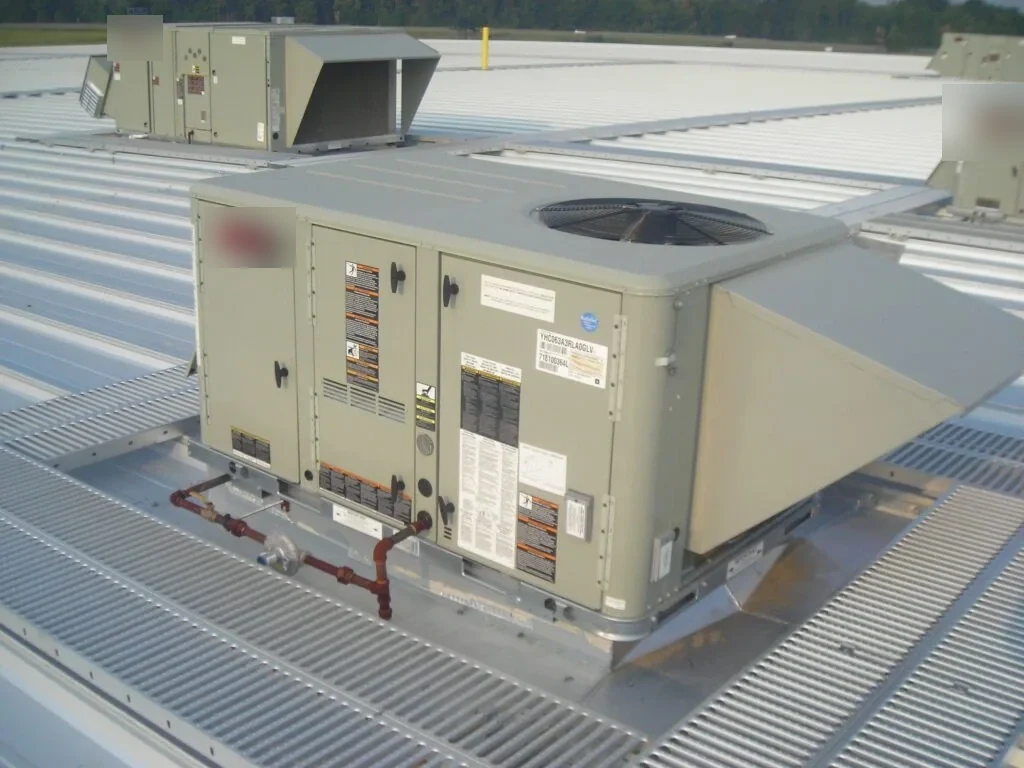
Roof conditions recorded with photos and written findings.
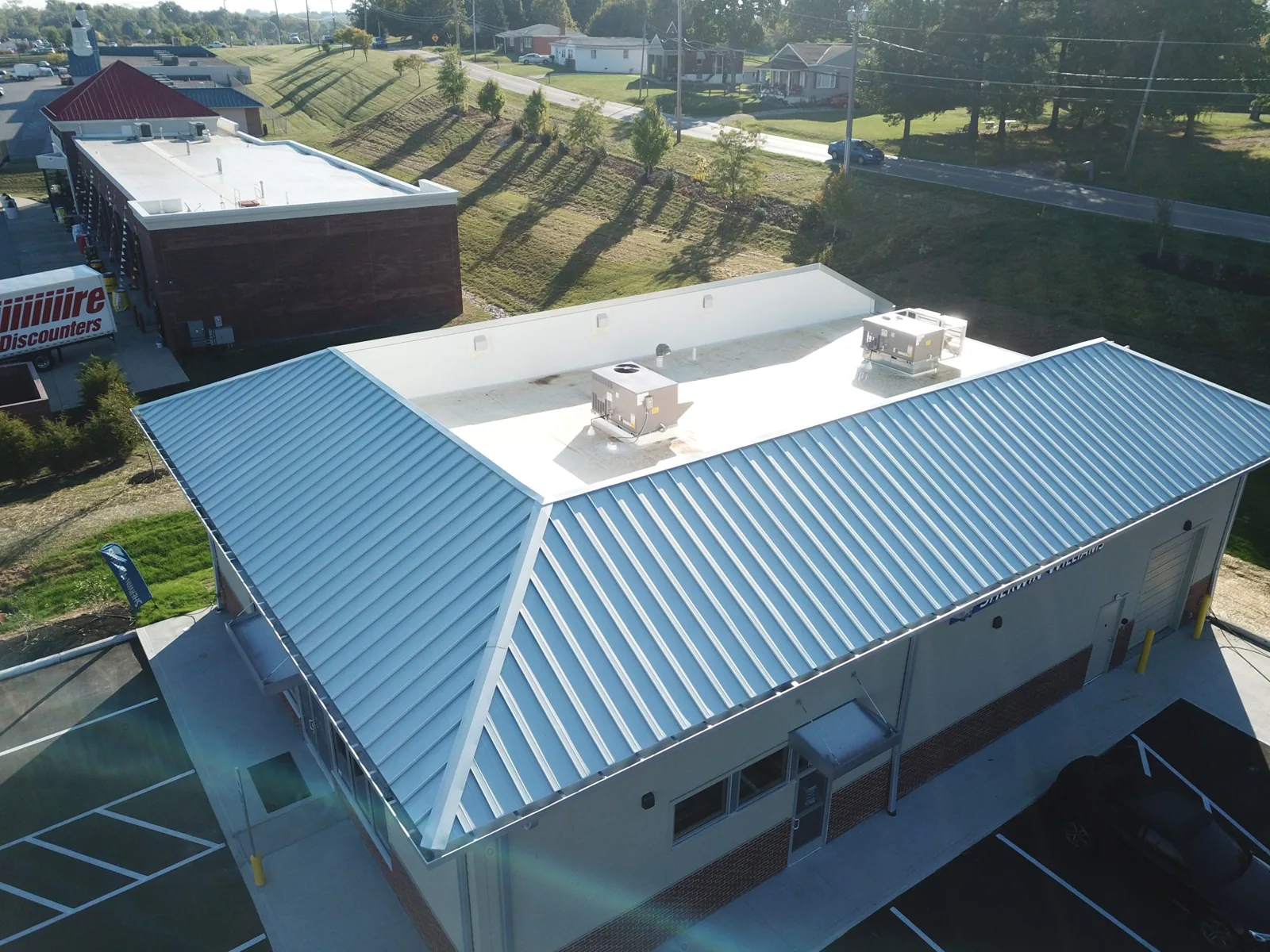
Work planned around the building and its daily operations.