
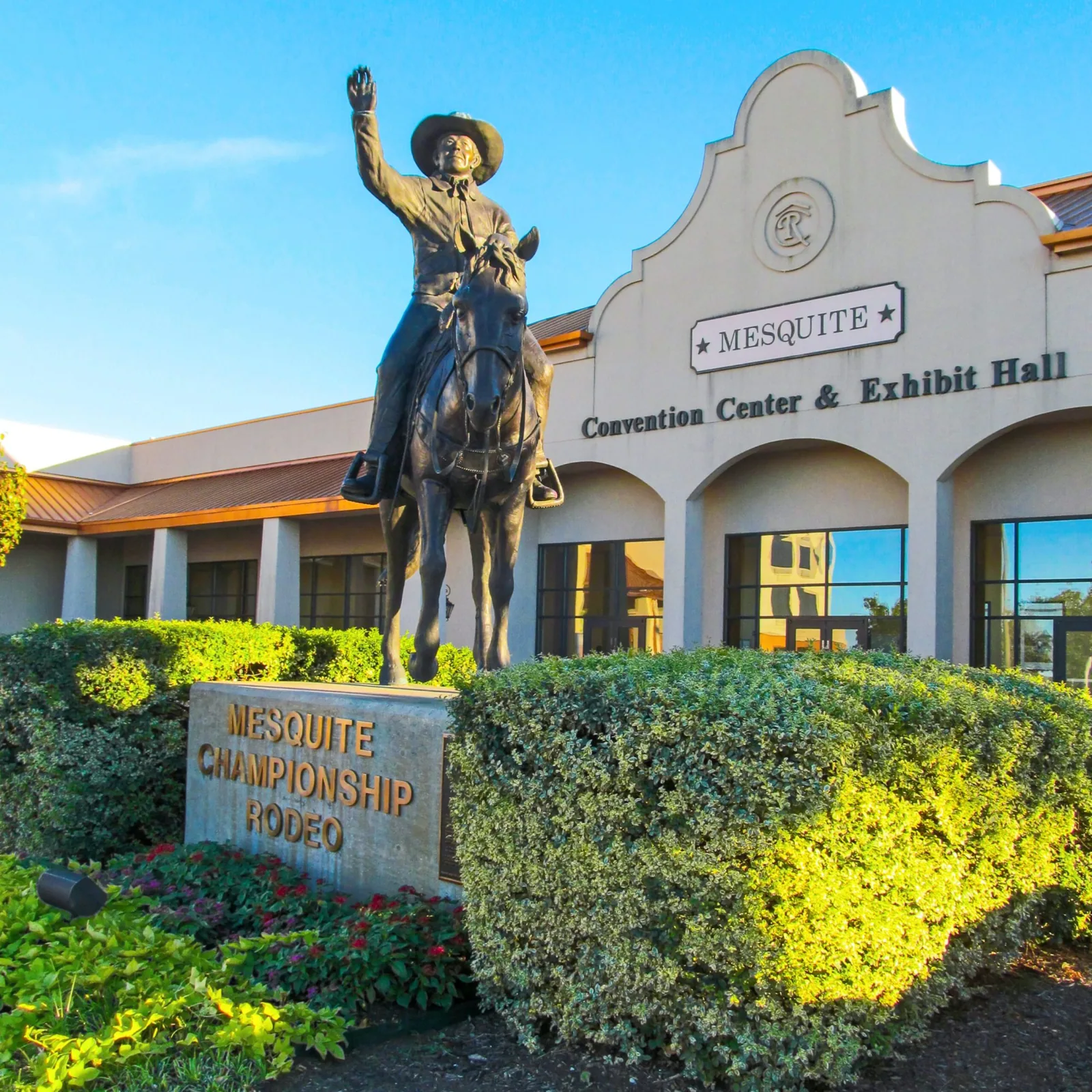
Commercial Roofing in the Gus Thomasson Corridor, Mesquite, TX
Retail and civic properties along the Gus Thomasson Corridor need a roof plan that keeps the occupied area clear while the leak boundary is found. We begin with the interior symptom, then trace uphill to seams, curbs, drains, and perimeter details. Mesquite's reinvestment area includes the Interstate 30 corridor and has supported infrastructure and redevelopment work. Those conditions make access and staging part of the visit, while each building's records and roof surface determine the scope.
The corridor combines retail development with established residential and civic uses. A repair beside public-facing space calls for a defined route, a clear work zone, and a handoff for anyone responsible for the area below. We confirm where water is appearing, what must remain open, and when the roof can be reached. A roof inspection in the Town East-Skyline district has its own access plan; this visit is set around the Gus Thomasson property. For another nearby work area, the Downtown Mesquite roof visit uses its own site schedule.
What Must the First Walk Establish?
Start with the symptom and the area that needs protection. We record the leak time, recent weather, ceiling or equipment affected, and prior repair at the same roof section. The stain is a clue, not a repair boundary. Water can travel through insulation or along a deck before it reaches the interior. We inspect uphill and identify the seam, penetration, drain, wall transition, or edge that could connect to it.
The first walk identifies the roof assembly. Membrane, metal, built-up roofing, foam, or a coating each needs compatible preparation and tie-in. We check surface condition, prior patches, drainage, flashing, attachment clues, and safe access. If records do not match the visible assembly, the report marks that gap for confirmation. A commercial roof inspection can include photos and a measured repair area.
Occupied storefronts and civic uses change the ground plan. We ask which entrances, sidewalks, or interior rooms must remain clear. If a lift crosses a public route, the property contact sets the safe window before dispatch. We mark the route, roof section, and protection below to avoid an interruption.
Which Weather Stresses Belong in the Scope?
Summer exposure can change surface condition before a leak appears. Dallas-Fort Worth has hot, humid summers, and July and August daytime temperatures are regularly in the 90s and can exceed 100 degrees. We look for loose seams, brittle coating, open sealant, and movement at curb flashing. Heat sets the inspection questions; it does not establish damage at a specific address.
The strongest storm activity comes in spring across the Metroplex. Hail strikes, forceful gusts, floodwater, and tornadoes are recurring regional hazards, though their effect varies by location and year. After an owner's report, we compare the timeline with roof conditions. We photograph impact marks, displaced edge metal, opened laps, and debris, then separate visible conditions from areas needing testing. A hail damage roof assessment or wind damage inspection can focus the visit.
Water needs a drainage check. We follow the drain path, inspect scuppers and overflow points, and look for blocked outlets or membrane movement around the bowl. If water remains after nearby surfaces clear, the low area may need a moisture check before repair details are selected.
How Does Corridor Access Affect the Work Window?
The Gus Thomasson reinvestment area includes the IH-30 corridor. We confirm the actual entrance, staging limit, and roof access with the site contact. A service vehicle, lift, or debris container needs a safe place that does not block public movement or business activity. The owner can provide operating hours and access restrictions before dispatch.
For an active leak, we separate temporary protection from permanent repair. The first step may be a controlled cover, interior protection, or a limited repair if the surface is safe. We record the boundary and the part of the roof not reached. A later visit can complete the permanent detail after the assembly is identified and conditions allow.
A proposal reflects the section measured, the access equipment needed, assembly compatibility, and any wet layers or deck work found after opening. Rain and the approved work window can set the calendar. If removal exposes more damage, we mark its location and request direction before expanding permanent work. A commercial emergency response can address urgent water control while inspection defines the repair.
When Is a Repair Enough?
A local repair is sound when surrounding material remains stable and the failed detail can tie into compatible, dry construction. We prepare the surface, correct the opening, and check nearby seams or flashing on the same water path. For a coating, adhesion and moisture conditions matter before another layer is considered. For metal, the panel seam, fasteners, and transition belong in the repair boundary.
Broader wet insulation, repeated openings, or movement across connected sections can change the decision. We compare repair with recovery or replacement using the same roof plan and observed conditions. The comparison identifies what stays, what is removed, what needs testing, and how the interior remains protected. A replacement assessment can help when a patch would leave an unresolved area.
Mesquite's economic activity includes retail, manufacturing, logistics, energy technology, and commercial development. The property use helps set access, staging, and protection needs, but it does not reveal roof age or material. We inspect the assembly and coordinate around the business hours supplied by its manager.
What Should the Repair Record Capture?
A photo record identifies the roof section, suspected entry point, preparation, material, completed tie-in, and any area left for a later test. We also record whether work was temporary or permanent. If a repair stops at a public-access window, the closeout says what remains open and what needs the next visit. The property team can match the report to its roof plan.
For a larger property, a roof condition report keeps photos, observations, and repair limits together. A roof asset program can organize maintenance when several sections need tracking. A storm date or district label is not proof of roof damage. The decision follows the assembly and the conditions documented on the building.
To schedule an inspection, send the property address, roof plan, leak timeline, affected interior area, and safe access window. Include hours for public activity and any staging restriction. We can inspect the correct section, set the work zone, and return a repair path tied to the roof.
Commercial Roofing Questions
Can a roof repair take place beside an occupied retail or civic area?
Yes, when the property contact can identify a safe route and time window. We agree on entrances to keep open, lift or staging limits, protection below, and the roof section that can be reached before work begins.
Does a leak stain identify the roof opening?
The stain marks where water became visible, not necessarily where it entered. We inspect uphill from that point and compare seams, curbs, drains, wall transitions, and prior repairs before setting the repair limit.
What information helps schedule an inspection along the corridor?
Send the address, roof plan, leak or storm timeline, interior impact, access contact, and the hours that must remain undisturbed. We use those details to set the route and work zone, then confirm the visit window.
Will hot weather or a severe storm mean the full roof needs replacement?
No. Regional weather helps prioritize an inspection, but the roof's assembly, attachment, moisture, and observed damage set the scope. We compare a bounded repair with larger options only when the field findings support that decision.
What changes the repair cost or schedule?
The measured area, roof height, compatible material, hidden insulation or deck conditions, lift access, weather, and operating limits all affect the work. We identify those drivers and flag concealed conditions before expanding the permanent scope.
Set an Inspection Around the Property's Hours
Send the address, roof plan, reported symptom, affected area, and safe access window. We will trace the leak boundary, document the roof section, and separate urgent protection from permanent repair.
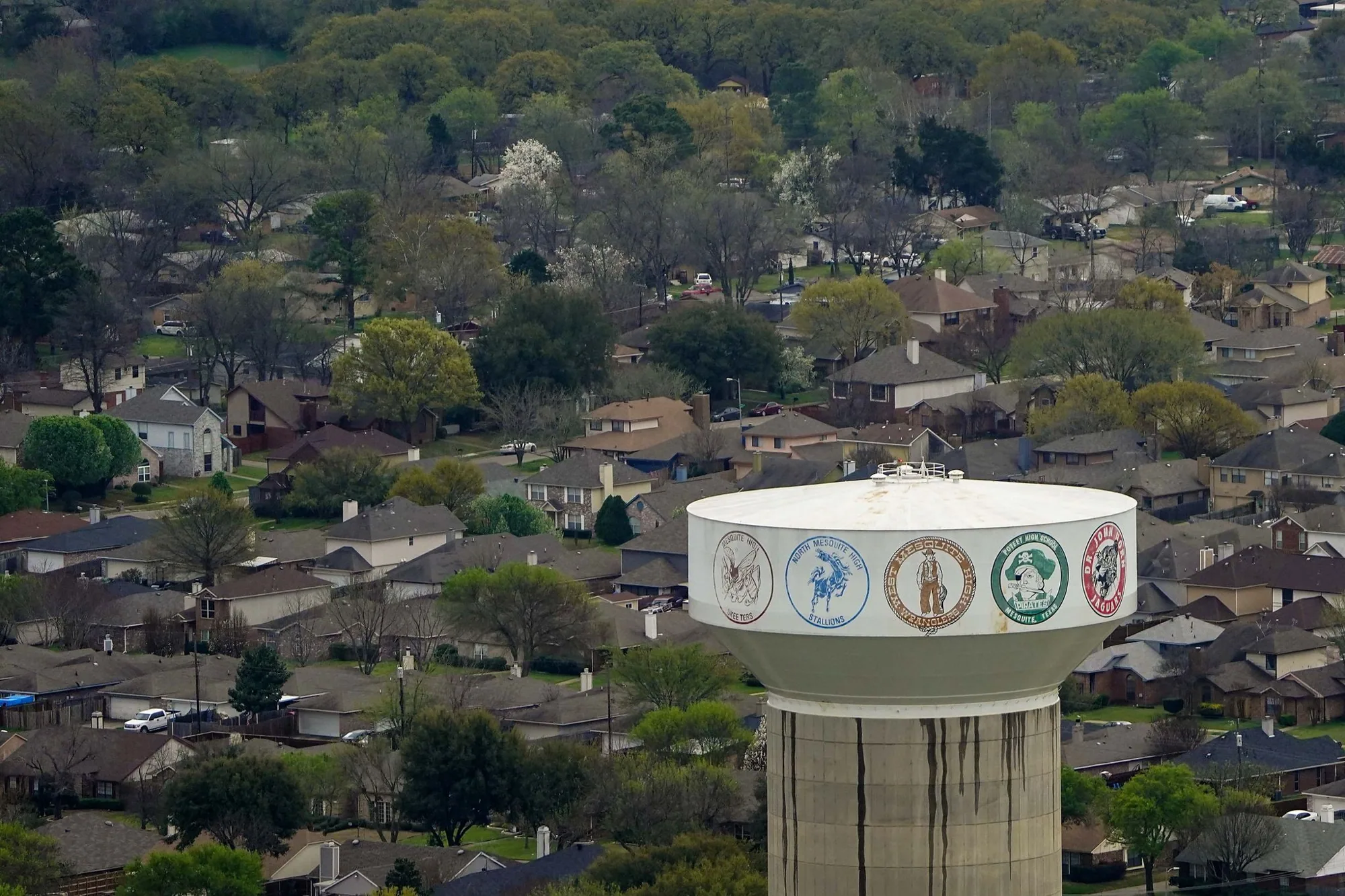
Scope, access and schedule reviewed before work begins.