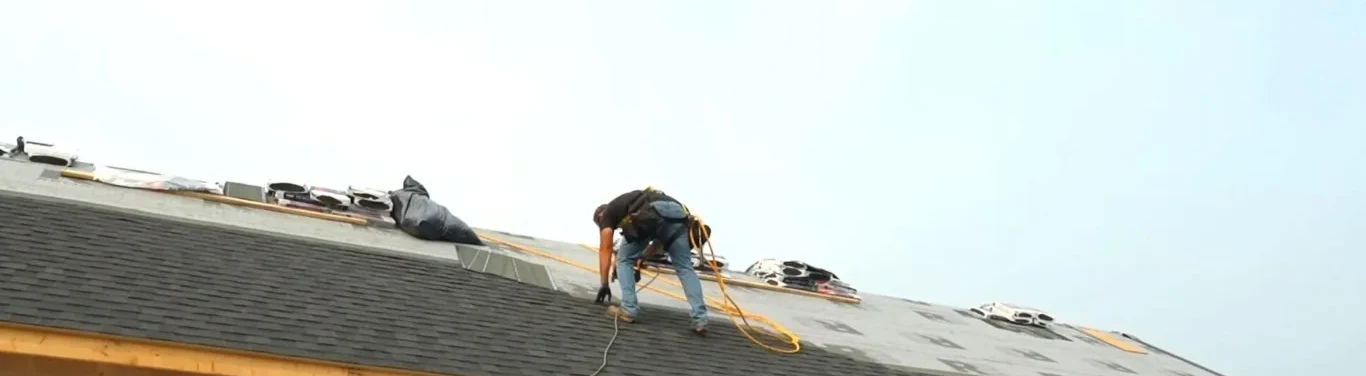
Commercial Roofing in Downtown Mesquite, Mesquite, TX
A water entry over a downtown shop or business needs a repair boundary before the work zone is set. We start at the interior symptom, check the roof section above it, and trace toward seams, curbs, drains, and wall transitions. The Downtown Mesquite district allows shopping, employment, housing, business, and personal services. That mix makes the operating schedule part of the inspection plan, but the individual roof still decides what can be repaired.
The district's compact, walkable pattern and three subdistricts transition from the core to surrounding areas. A roof visit near foot traffic needs a clear staging point and a safe way to protect entrances below. We confirm hours, access, affected rooms, and any route that must remain open. The Gus Thomasson Corridor roof inspection uses its own property schedule; Downtown work begins with this address and its actual conditions.
Which Area Needs Protection First?
Water near a public entrance, occupied room, or electrical space changes the first move. The facility contact identifies the affected area and what must remain usable. We record when the drip began, whether it changes with rain, and whether the ceiling or equipment below is already wet. That information narrows where we look, but it does not prove where water entered. The roof walk follows the path uphill before a permanent patch is sized.
Downtown properties may sit near shops, work areas, housing, or personal services, but the district label says nothing about an individual roof. We confirm whether the assembly is membrane, metal, built-up, or coated. Then we check the seam, flashing, curb, drain, and perimeter around the reported section. If prior patches conceal the original detail, the inspection marks where removal or a moisture check would change the repair decision.
Temporary protection is separate from permanent repair. If water is active and safe access is available, we can cover the exposed point or protect the interior while tracing continues. The temporary boundary and its limit go into the photo record. For urgent conditions, emergency roof repair can set a first response, while a commercial roof inspection identifies the lasting scope.
How Does the Regional Weather Change the Inspection?
Summer humidity stays high across Dallas-Fort Worth, and July and August afternoons commonly sit in the 90s with some readings above 100 degrees. We check seams, sealants, coating condition, edge metal, and curb flashing for changes that may interrupt water control. Heat is a reason to inspect exposed details, not evidence that a particular roof has failed. The actual assembly and repair history remain the decision points.
The region's strongest storm window arrives in spring. Hail, damaging gusts, floodwater, and tornadoes recur across the Metroplex, but no single address shares every regional event. After a reported storm, we record the event timing and inspect the roof section for punctures, opened laps, displaced edge pieces, and debris. We keep visible observations separate from areas that need closer testing. A wind-damage roof review or hail impact inspection can focus the field work.
Rain also tests drainage. We follow the drain path, check the outlet and overflow, and look for a blocked bowl, loose flashing, or a low area holding water. If the roof stays wet after nearby sections clear, moisture below the surface can affect whether a local repair will hold. The ponding-water assessment can define that check before a larger scope is selected.
How Do Three Subdistricts Affect Site Access?
The downtown framework divides the area into a core, mixed-use, and edge subdistrict. That helps describe the district's broad land-use pattern; it does not set a building's hours or roof access. We ask the property contact for the entry route, loading or delivery windows, roof hatch location, and any sidewalk or tenant area that needs protection. A lift placement or material drop is agreed in advance so the repair does not block a route that the site needs open.
For an occupied building, the work plan identifies the interior zone below the repair and the portions of the roof that can be reached in one visit. If equipment must remain online, the contact tells us before flashing or curb work begins. A delay caused by access can change sequencing and mobilization. We document that tradeoff so the owner can decide whether to split work by roof section or release a longer window.
Cost and timing depend on measured repair area, roof height, assembly compatibility, moisture or deck findings, material access, weather, and whether work needs separate shifts. If opening the roof reveals wet insulation beyond the visible limit, we stop at the agreed boundary and request direction before expanding. For a Town East-Skyline property, freight access may drive a different sequence; here, the site contact defines the public and occupied routes.
When Should a Patch Become a Larger Scope?
A targeted repair makes sense when surrounding material is dry and stable and the failed detail can connect to compatible roofing. We prepare the surface, repair the opening, and inspect adjacent seams or flashing that share the same path. If the roof has an existing coating, adhesion and moisture conditions need a check before another layer is applied. A metal panel, membrane, and built-up assembly each require their own preparation and closure detail.
Repeated leaks, broader wet insulation, or movement across connected areas can justify comparing repair with recovery or replacement. We use the same roof plan to show the repair boundary, areas still untested, and any section that should be opened. That allows a property manager to compare the immediate repair with a capital scope without confusing temporary protection with permanent work. A replacement assessment considers removal and rebuilding when repair limits are no longer useful.
Mesquite's business activity includes retail, manufacturing, logistics, and commercial development. Property use can shape access and work hours, but does not establish the roof age or system. We inspect the actual surface and record what is known, what remains concealed, and what decision follows from each result.
What Does the Owner Need at Handoff?
The closeout connects each photo to a roof section. It records the assembly, suspected entry point, preparation, repair materials, completed tie-in, and any area not reached. If water control was temporary, its limit stays clear. If work paused for access or weather, the next shift receives the open condition and the route needed to finish it.
A photo condition report can keep observations and repair limits together for a property file. Future maintenance can compare that record with the same seam or drain instead of starting from a general leak description.
Send the address, roof plan, leak timeline, interior area affected, and safe access period to schedule an inspection. Include delivery hours, entrance restrictions, and any equipment that cannot be shut down. We will confirm the visit plan, inspect the relevant section, and return a repair scope tied to the roof condition.
Commercial Roofing Questions
Can work be planned around downtown foot traffic?
Yes. The property contact sets the safe route, staging point, and time when a lift or material drop can be arranged. We identify entrances and occupied spaces that must stay clear before the crew reaches the roof.
Does the district's mixed-use designation show what roofing a building has?
No. The district framework describes allowed uses and subdistricts, not an individual roof assembly. We identify the membrane, metal, built-up roof, or coating from records and field conditions before setting a repair.
What should happen first when water reaches a business area?
Protect people, equipment, and goods below the affected section. Share the leak time, roof plan, interior location, and safe access window. We separate temporary water control from the inspection that locates the permanent repair.
Will a storm report prove roof damage in Downtown Mesquite?
A regional event helps set inspection timing, but the building must be checked. We document opened seams, impact marks, debris, drainage, and interior symptoms at the property before defining any storm-related repair.
What can extend the work beyond one visit?
Wet insulation, deck conditions, roof height, restricted access, and weather can change the sequence. We document each limit and get direction before concealed conditions expand the permanent scope.
Schedule a Downtown Roof Walk
Send the address, roof plan, leak timeline, affected area, and safe access period. We will inspect the roof section, map the repair boundary, and document what needs the next work window.

Roof conditions recorded with photos and written findings.