
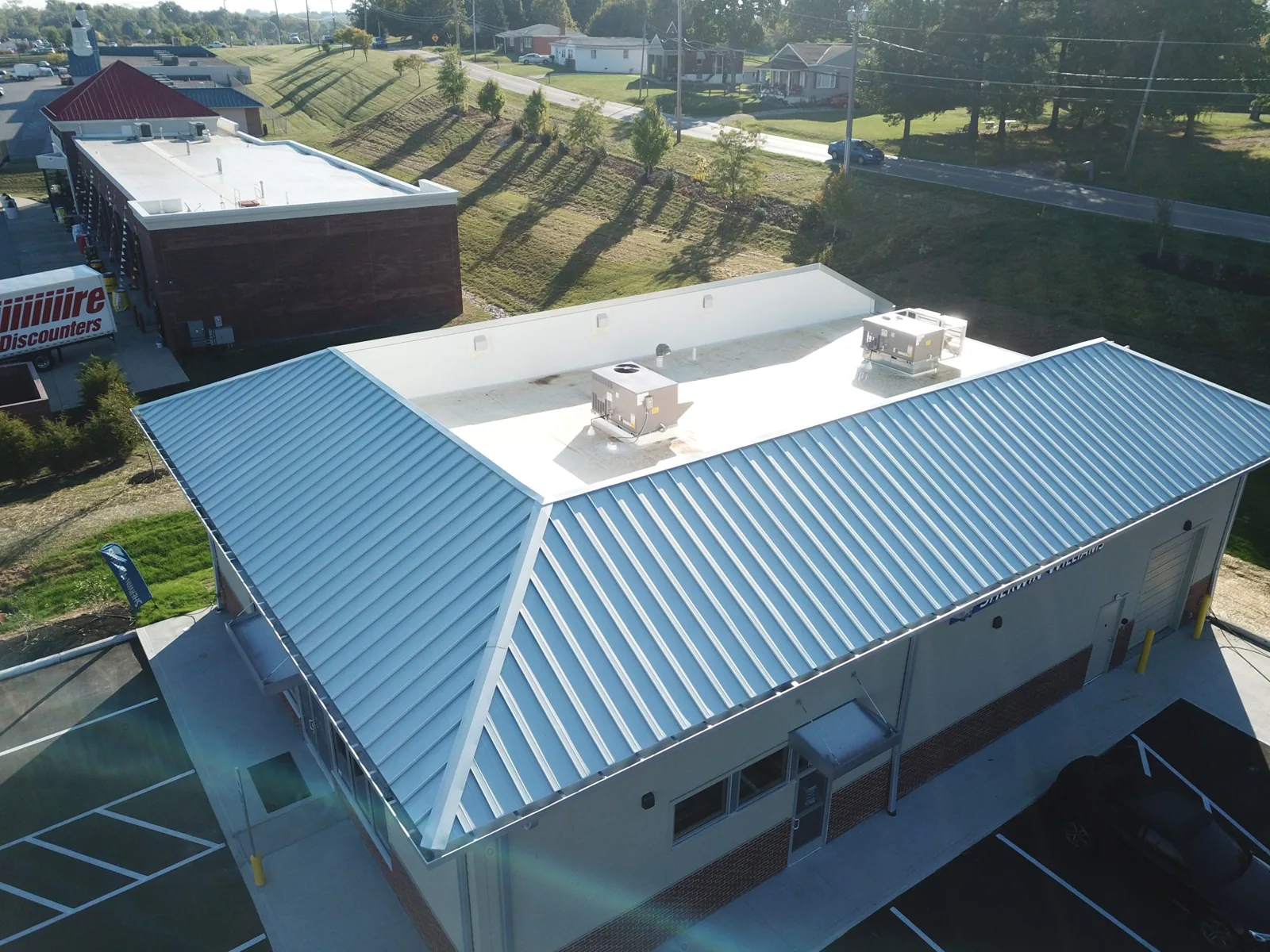
Commercial Ponding Water Roof Repair in Mesquite, TX
Water that remains after the surrounding roof dries points to a drainage condition worth measuring before another patch is placed. We map the low area, follow the drain path, and check whether the membrane, insulation, or deck has changed. I-20, US 80, I-30, I-635, and SH 352 connect Mesquite's commercial areas. A property near those corridors still needs a roof-specific diagnosis. Traffic patterns cannot explain why water is held on one section.
Along McKenzie Road, the IH-20 plan separates a retail tract from a larger industrial park. Access and staging may affect the visit, but roof slope and outlet condition determine the drainage scope. An inspection serving the IH-20 Business Park area records the actual roof geometry and any standing water. We separate routine drainage maintenance from a membrane or structural condition that needs further evaluation.
Where Does the Water Stop Moving?
A roof plan may show a drain, but field conditions reveal whether water can reach it. We check slope, drain bowl height, strainers, overflow openings, scuppers, and nearby seams. Debris can block an outlet. A compressed insulation area or deflected deck can create a low point that remains after cleaning. We record the location and depth of ponding when practical, then compare it with drainage details and previous repair history.
Water around a curb or equipment stand may result from a changed flow path rather than a failed membrane. We inspect the uphill side of the obstruction and look for an open flashing edge, loose support, or debris line. A drain and scupper inspection can separate an outlet problem from a broader slope issue. If water drains once a blockage is removed, that finding is different from a low area that returns after each rain. A flashing-failure review can address an open transition at a drain or curb without treating retained water as the only cause. We keep each observation separate so the proposal matches the verified defect.
Has the Roof Layer Below the Water Changed?
Repeated ponding can leave a membrane under stress and may expose a weak seam, blister, or deteriorated patch. We inspect the surface and attachment, then check whether water has entered the insulation or reached the deck. A moisture survey can help target test cuts when the wet boundary is not visible. The report identifies confirmed wet material separately from areas that were only scanned or observed.
On a multi-layer roof, a new membrane does not correct a low area by itself. We check cover board, insulation thickness, attachment, and the drain height before describing a recover. A moisture survey and test plan can help locate areas for sampling. If the deck is wet, corroded, or deflected, the repair limit may extend beyond the area where water remains. The proposal names the evidence behind any removal quantity.
What Should Happen Before the Next Rain?
Water near an active leak needs interior protection while the drainage cause is investigated. We identify the room, equipment, or inventory below and establish a temporary control that does not block an exit or work path. The operator receives a clear status for each affected zone. If a drain is obstructed, a safe clearing step may be separate from membrane repair. If the outlet remains clear and the low area persists, we document measurements and recommend the next structural or assembly check.
Dallas-Fort Worth spring brings a regional peak for thunderstorms and severe weather, including hail, damaging wind, flooding, and tornadoes. That climate context makes a pre-rain roof review useful, but only a site inspection can establish the property's drainage condition. At Towne Centre and Market East, an occupied retail or office setting may require an off-hours work window. A roof visit in that district is sequenced around the building's actual entrances, loading area, and staff schedule.
Can the Low Area Be Corrected Without Replacement?
A repair may be limited when the outlet is blocked, a drain ring is loose, or a flashing transition has opened while the surrounding assembly remains sound. The crew corrects the detail, confirms water can move to the outlet, and records the test or observation used to close the work. If insulation is saturated or the deck has lost support, surface work will not remove that condition. We show the owner where the scope ends and what remains for design review.
Broader renewal may include tapered insulation, drain relocation, deck correction, or replacement of affected layers. Each option changes roof height, curb details, and overflow paths. A replacement scope review can compare removal with a recover where the assembly allows it. A coating-restoration review is considered only when the existing surface and drainage conditions are suitable. A seam-failure inspection can also test a split lap that remains wet after the outlet is clear. We do not present coating as a way to flatten a roof or conceal trapped moisture.
Which Drainage Findings Should the Owner Keep?
Keep a marked roof plan with drain locations, observed low areas, photos, test openings, and any layer found wet. Record whether debris was removed, a connection was rebuilt, or a design question remains. This makes the next inspection comparable to the first visit. For properties in the Garland I-30 Corridor or the U.S. 80 Mesquite Corridor, the area name helps organize records, while each building retains its own drainage map.
A roof condition report can carry the repair boundary, materials, and follow-up interval into the capital file. The next check should revisit the same outlet and low spot after ordinary rainfall, then note whether water clears as expected. The facility manager receives a decision-ready record: cleared, corrected, wet material removed, or awaiting a design review. That status avoids treating a temporary observation as a completed slope correction.
Commercial Roofing Questions
How long can standing water remain before we act?
We assess the depth, area, drainage condition, membrane, and whether water is entering the building. A persistent low spot deserves attention even without an interior leak because it can stress seams and conceal wet insulation. The visit records what drains, what remains, and whether a test or slope review would change the scope.
Can adding another membrane layer fix ponding?
A new surface does not change the underlying slope. We inspect the deck, insulation, outlet height, and overflow route before considering a recover. If those layers are stable and the drainage detail can function, an added system may be evaluated. A low area requiring taper or structural work needs a separate correction plan.
Does a clogged drain explain water that returns after cleaning?
It may explain one event, but recurring ponding after the outlet is clear points to slope, deck movement, or a changed insulation profile. We compare the same area after rain, inspect nearby drains and scuppers, and document whether the water boundary shifts. That evidence determines if maintenance, repair, or further testing is appropriate.
What should we send before a Mesquite roof inspection?
Share the roof plan, drain locations, leak timeline, recent maintenance, and a photograph of the area that holds water. Tell us which rooms or equipment sit below it and when roof access is available. Those details help set a safe visit and identify where a test would answer an open question.
Will ponding water require a full tear-off?
Not by itself. We check whether the membrane is attached, whether insulation or deck is wet, and whether drainage can be corrected locally. If damage crosses several sections or the assembly cannot support another layer, a broader scope may be warranted. The proposal distinguishes verified removal from allowances for concealed conditions.
Trace the Low Spot to Its Outlet
Send a roof plan, drain locations, leak history, and the area where water remains. We will inspect the flow path, confirm the affected layers, and define a repair or design-review boundary.
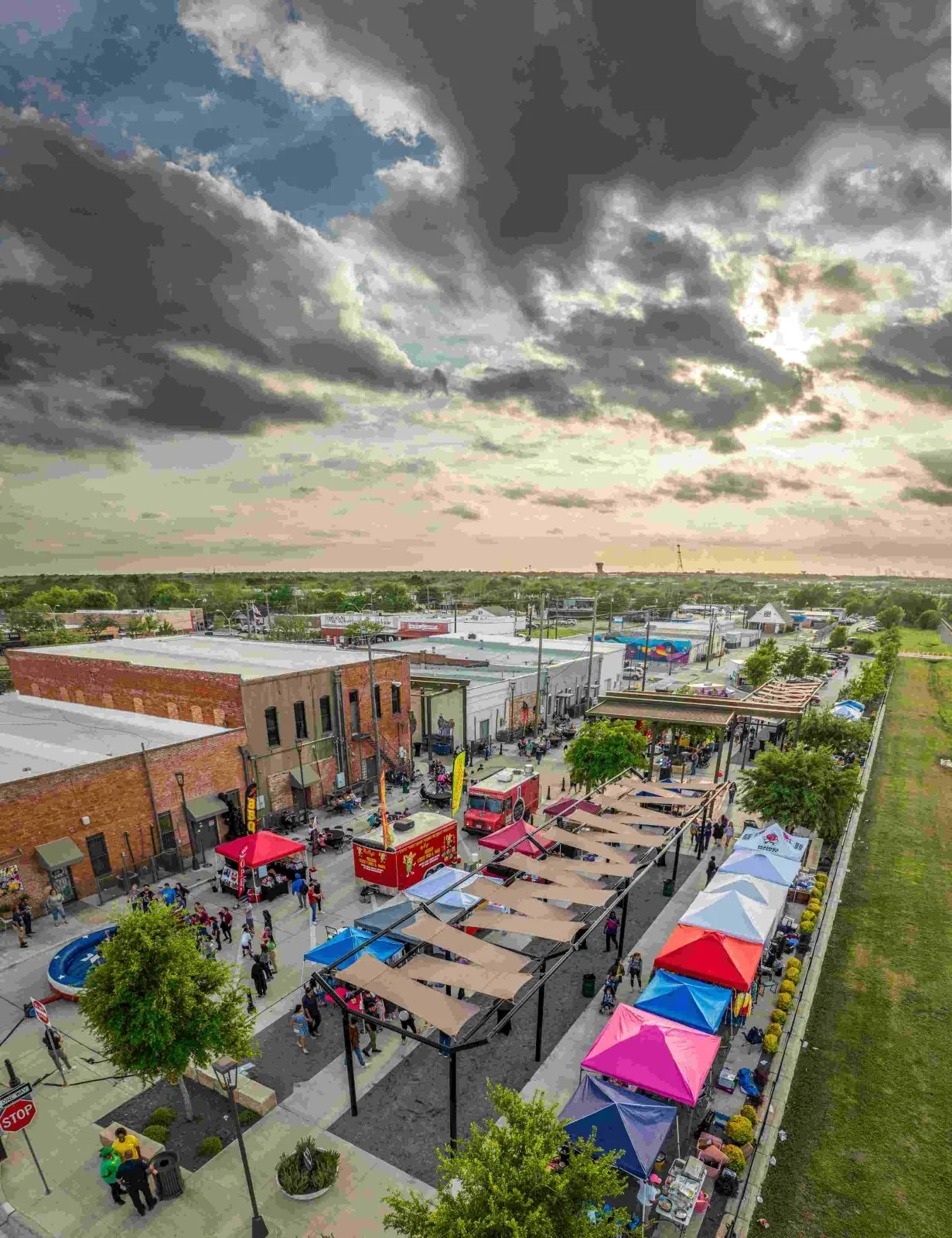
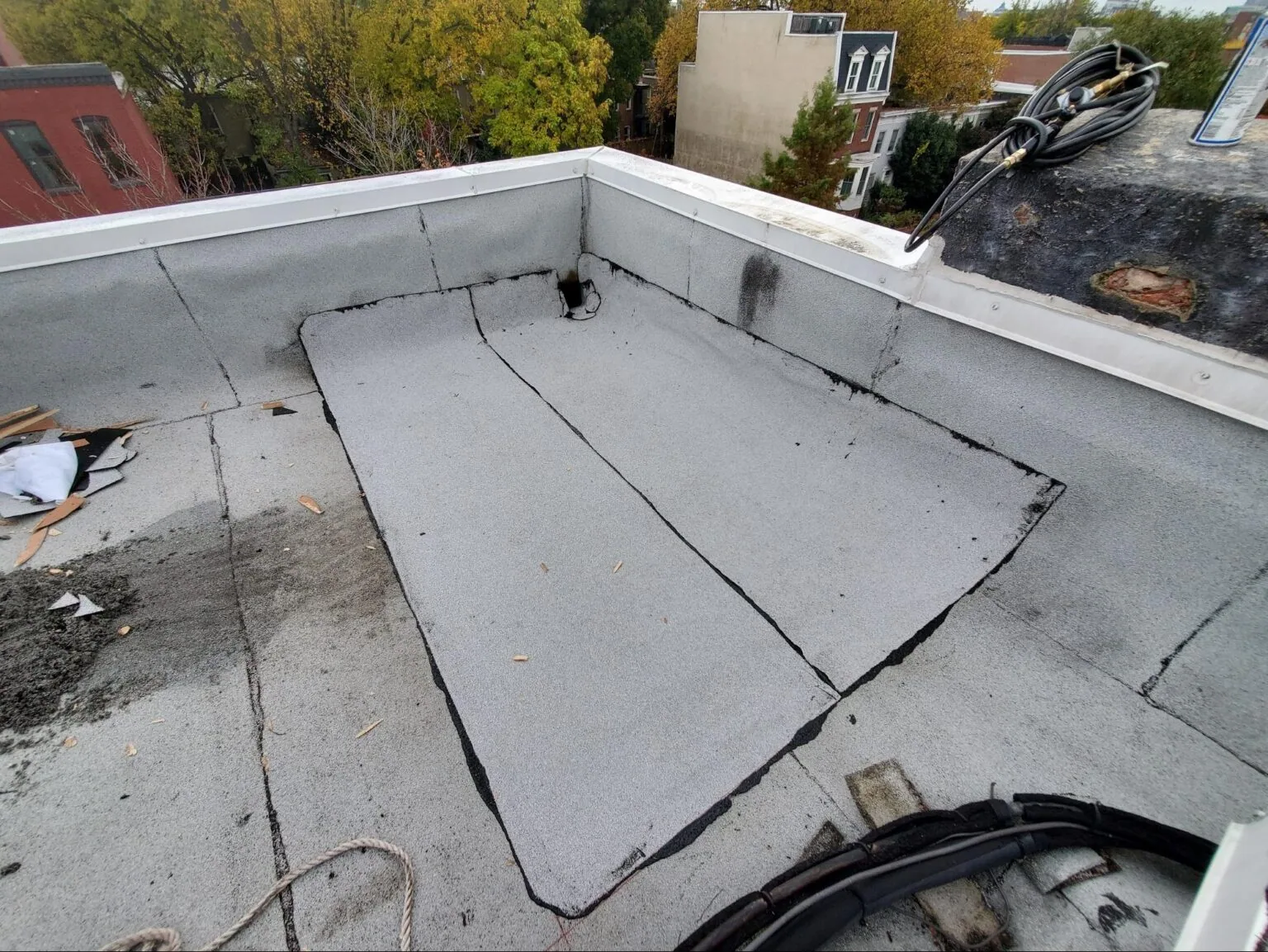
Roof conditions recorded with photos and written findings.
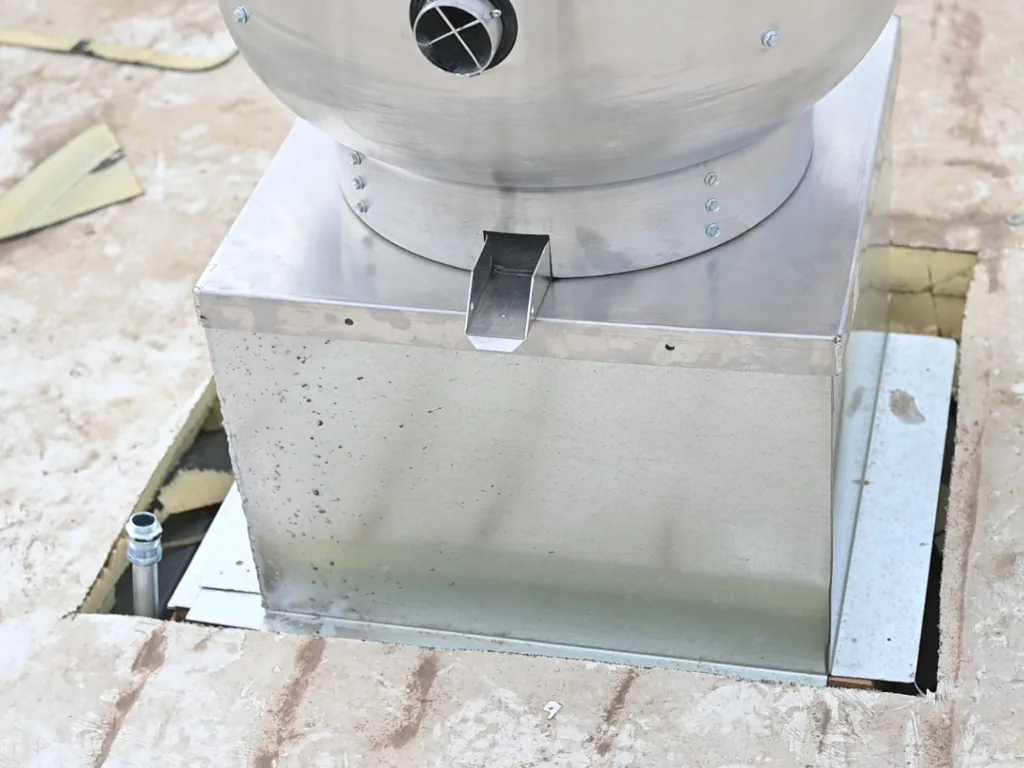
Work planned around the building and its daily operations.