
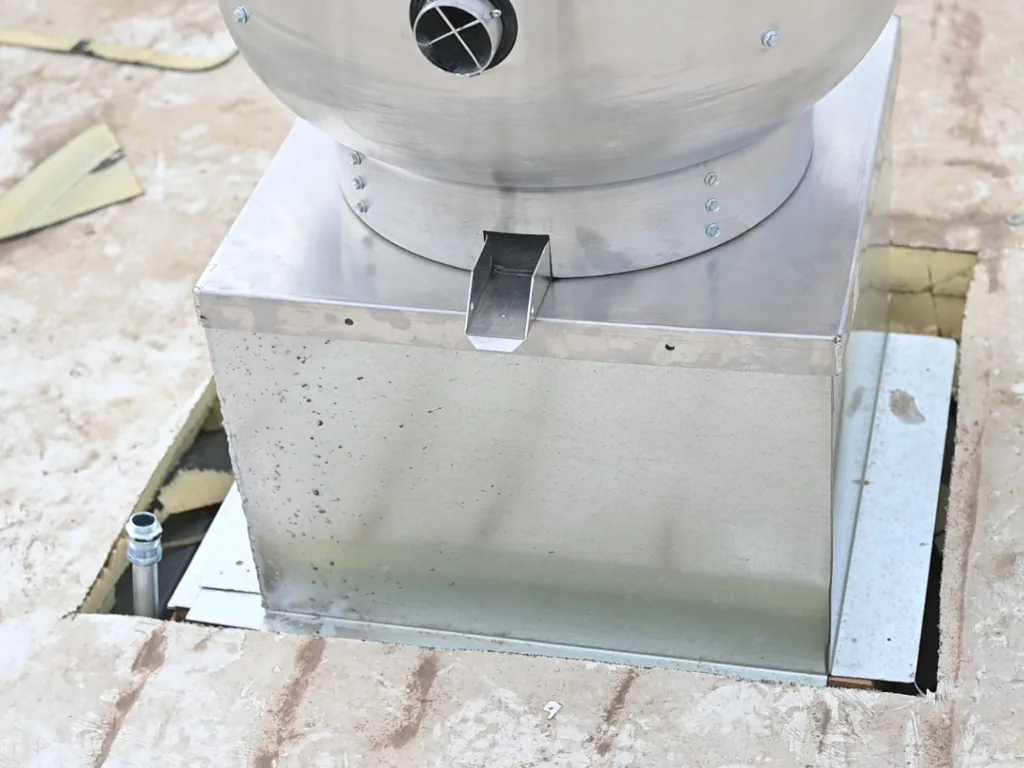
Commercial Flashing Failure Roof Repair in Mesquite, TX
A flashing opening at a wall, curb, or edge can admit water even when the roof membrane beside it looks intact. We identify the transition, protect the area below, and trace the leak boundary before removing material. IH-20 Business Park includes planned and active industrial development with distribution, cross-dock, cold-storage, and build-to-suit uses. Those operating patterns make roof equipment and loading access relevant questions, but the building's actual flashing condition comes from inspection. A photo and roof plan mark the detail that needs attention.
At the Skyline Logistics Hub, shipping and delivery uses make dock access a planning issue. Towne Centre and Market East includes office, retail, industrial, and service activity, where the room or suite below a flashing repair may remain occupied. A commercial roof inspection near the Skyline Logistics Hub starts from the property's access plan. In Towne Centre and Market East, we also confirm which interior area needs protection before opening a curb or wall transition.
Which Transition Has Opened?
Flashing can fail where a roof meets a parapet, equipment curb, pipe, skylight, wall, drain, or change in material. We inspect the termination, corners, fasteners, sealant edge, and membrane return. A loose counterflashing section is not the same repair as a failed base flashing or a curb that moves. We identify the assembly and check whether the surrounding membrane remains attached before setting a repair boundary.
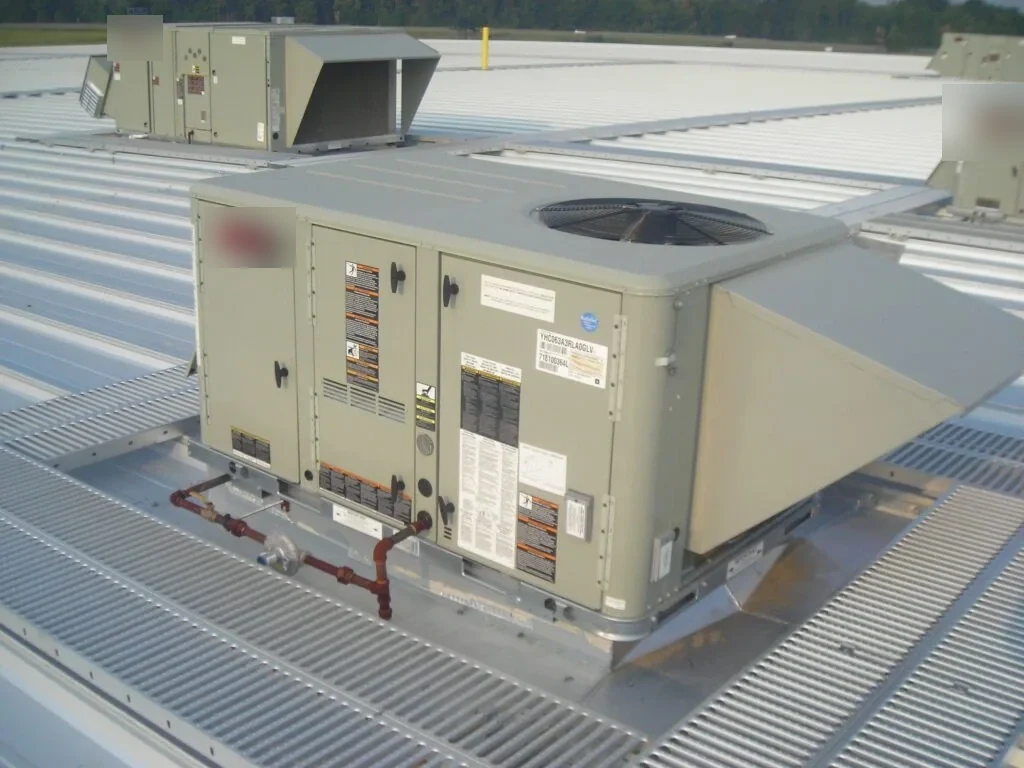
Water can follow a wall or deck before appearing indoors. We compare the reported room with the roof detail, then trace uphill across seams and drainage paths. If a transition has multiple layers, we record which one is open and what remains concealed. A curb and equipment-support inspection can distinguish movement at the unit from a break in the membrane tie-in. The report notes a test opening when visual review cannot establish the full extent.
Did Water Reach Insulation or Deck?
Once water enters behind a flashing leg, it can travel before reaching a ceiling or wall. We look for wet insulation, staining, corrosion, and deterioration at the substrate. A small test cut may confirm whether removal must extend beyond the visible opening. We map confirmed wet areas separately from material that remains untested. That prevents a new cover detail from closing over moisture that still needs to be addressed.
The repair should connect to material that can hold the new flashing. We check the membrane, cover board, wall surface, and fastener condition at the proposed tie-in. If the existing base is brittle or loose, a sealant bead alone may not restore the transition. A moisture survey can help identify where samples would change the repair scope. We list the evidence and the next confirmation step before ordering material.
How Should the Detail Be Rebuilt?
The material and movement at the transition guide the repair. Thermoplastic membrane may require a compatible flashing sheet and welded seam. An adhered rubber system uses different preparation and bonding. Metal counterflashing needs secure attachment and a termination that sheds water rather than trapping it. We record the installed roof type and select a detail that ties into its sound portion. A TPO detail review can help when that is the membrane on the building.
We also check nearby drainage, fasteners, and equipment clearance so the correction does not create another water path. A curb may need a taller flashing leg if the current assembly has added layers, but height changes must fit the system and project requirements. A seam-failure assessment can separate a split lap from a flashing break at the same roof section. The proposal states removal depth, substrate repair, material, tie-in limit, and daily dry-in point. Any concealed deck condition is handled through an approval step, not assumed in the visible quantity.
What Mesquite Conditions Affect the Repair Window?
Dallas-Fort Worth spring is the regional peak for thunderstorms and severe weather. Hail, damaging wind, flooding, and tornadoes occur across the Metroplex nearly every year, although one location does not receive every hazard annually. After a storm, we inspect the actual flashing and nearby roof surface rather than treating an alert as proof of failure. At a property along the U.S. 80 Mesquite corridor, the operator also sets the safe staging and access window.
Mesquite adopted local amendments to the 2024 International Building Code through Ordinance 5215 in November 2025. If a flashing replacement changes roof height, attachment, or another regulated detail, the design contact should confirm the project permit basis. We document the proposed condition and open questions before material release. A wind-damage inspection can record related edge or panel movement separately, so the flashing scope remains tied to what the field visit confirms.
What Should the Repair Record Show?
The file should identify the transition, roof section, material installed, fasteners or welds, and any test used to confirm the tie-in. Photos show the detail before and after work. We note any adjacent area that was not opened, plus a temporary measure still in place. A roof condition report can preserve the repair boundary and set the next inspection point for a manager or facility director.
For a property portfolio, keep each flashing detail tied to the building and location inspected. A similar curb on another roof does not prove the same defect exists there. The next visit can check the repaired corner, termination, and water path after ordinary rain. If a new leak appears, the record gives the crew a starting point and shows what the prior repair did not include. That makes the next decision specific to the observed roof.
Commercial Roofing Questions
Can roof flashing be sealed without removing it?
A surface seal may help only when the flashing is secure and the underlying transition remains sound. We inspect the termination, corners, membrane return, and substrate first. If water has passed behind the detail or the metal moves, new sealant can hide the opening without correcting it. The scope identifies whether the repair is a reseal, replacement, or rebuild.
Why does a roof leak beside an HVAC curb?
A curb may have a failed base flashing, movement at its support, or a nearby membrane seam that has opened. Water can also travel from an uphill detail and appear at the unit. We trace the route from the interior symptom and inspect the curb, fasteners, and adjoining roof layers. Photos show which condition supports the repair boundary.
Can flashing be replaced while the building stays open?
The work area below, roof access, and material route determine the sequence. We identify affected rooms, equipment, and any path that must remain clear, then agree on a window for opening and closing the detail. If the interior cannot be protected during the work, the crew waits for another approved period. Temporary dry-in remains separate from the completed flashing repair.
What makes flashing repair cost or time change?
Access, detail height, material compatibility, substrate condition, and the amount of wet insulation can change the scope. A concealed deck problem may require additional removal after approval. We state the assumed work limit, tie-in, and daily closure point in the proposal. That gives the owner a basis to compare a local repair with broader replacement work.
How do we know the new detail is watertight?
We inspect the finished termination and seams, then document the installed material and tie-in. Where suitable, a controlled water test or follow-up observation can confirm the path. We do not treat a visual sealant bead as proof that hidden layers are dry. The closeout lists any area not opened and the next check needed to resolve it.
Trace the Opening at the Transition
Send the leak timeline, roof plan, photos of the curb or wall, affected room, and access window. We will inspect the flashing, substrate, and adjoining membrane, then define a repair limit tied to sound material.
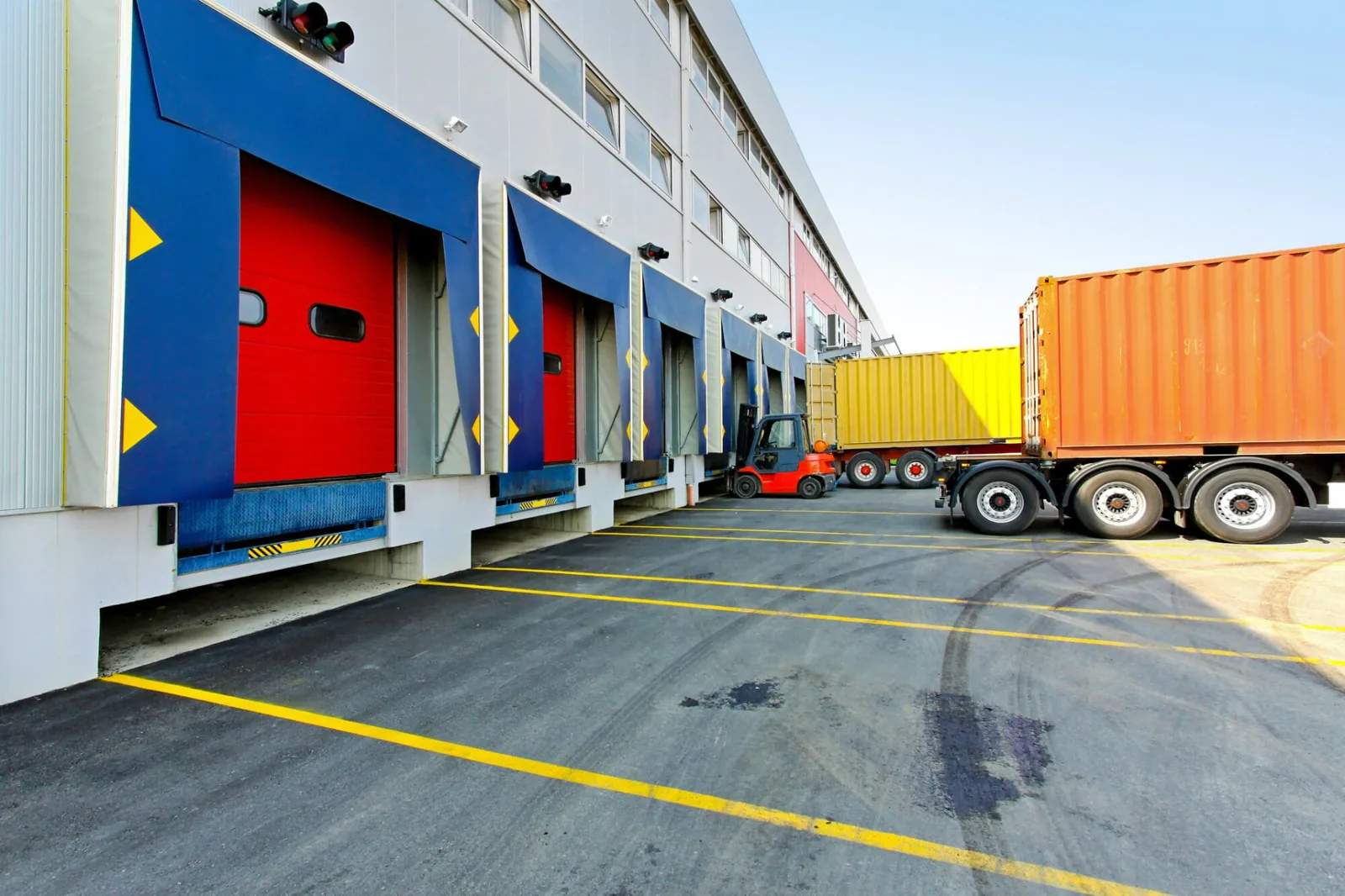
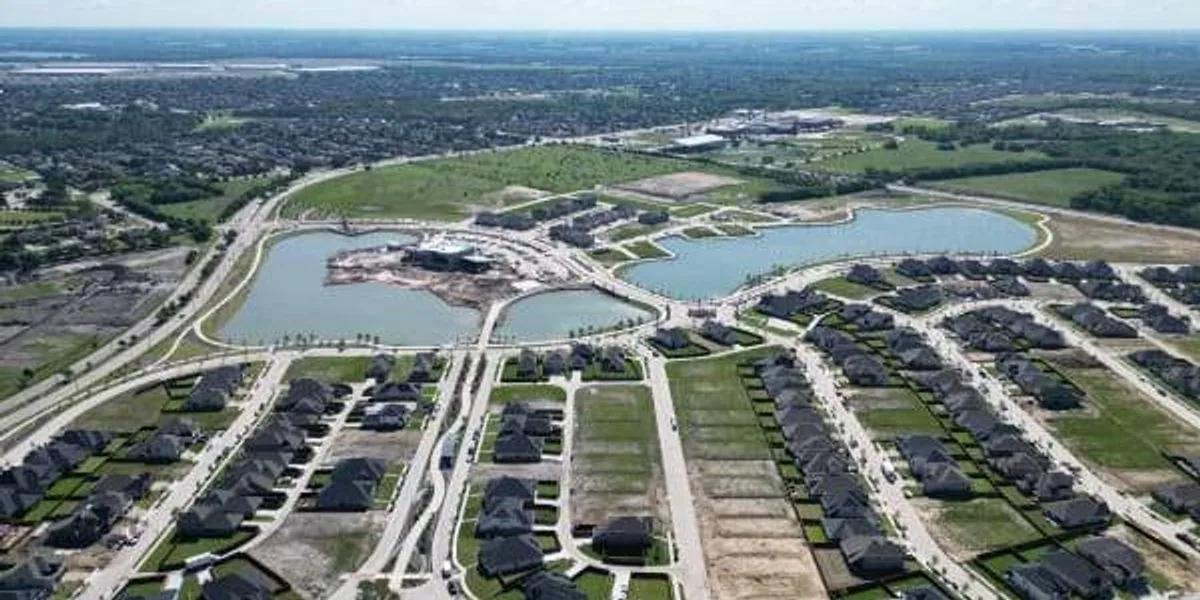
Work planned around the building and its daily operations.