Commercial Roofing in Urban District 30, Mesquite, TX
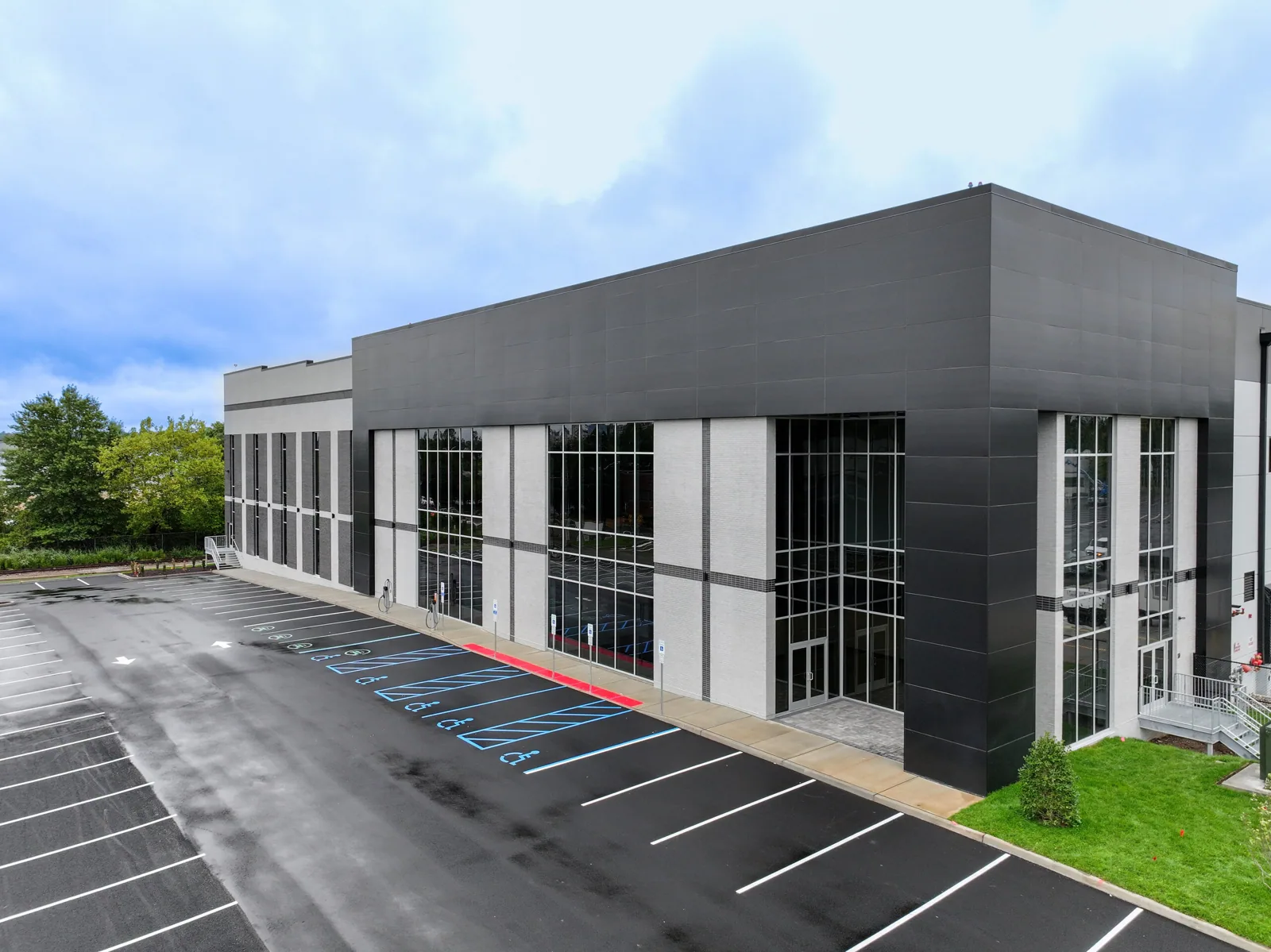
Urban District 30 is a multi-building business park near Interstate 30 and Republic Parkway, so a roofing visit begins with the specific building and its site rules. Urban District 30 is planned as five buildings across an 80-acre park, with nearly 979,000 square feet of industrial space. Those figures describe the planned property, not the assembly, condition, or access route at any one roof. We confirm the building contact, roof system, reported symptom, and safe approach before recommending an inspection or repair.
A 2022 occupancy snapshot put the park at 96.5 percent leased, with eight companies. That historical figure is not a current tenant roster or access approval. That dated occupancy snapshot does not identify current tenants or operating conditions. For a roof project, we rely on the property representative to identify loading periods, secure areas, equipment that must remain active, and routes that cannot be blocked. A roof visit in the IH-20 Business Park or service in the Alcott Logistics Station District likewise needs its own access plan; we do not transfer one property's rules to another.
How Do Multiple Building Operations Affect Roofing?
In a business park with separate occupants, one work window may not fit every building. We coordinate with the authorized contact for the roof area, then confirm escorts, check-in, vehicle circulation, lift placement, material staging, and pedestrian separation. If the property has neighboring operations, we mark the work boundary and keep agreed lanes clear. The inspection does not assume that a tenant controls roof access or that a shared property contact can release every section.
We plan where removed material will travel, how the crew will reach the roof, and what needs to remain protected below. Rooftop units, intake points, electrical equipment, and interior operations may affect the sequence. Before the visit, the site contact can identify sensitive areas, required notices, and hours when noise or lifting should be avoided. Our industrial and distribution roof inspection includes those operating constraints alongside the membrane and flashing review.
When multiple sections need work, a roof plan divides the project into named areas with access, protection, and closeout expectations for each. The proposal can state which section is released on each date and what condition must be met before moving on. A condition report with roof-plan references helps managers keep observations separate by building and avoid mixing a leak location with a different tenant's work order.
Which Details Belong in the Initial Inspection?
We start near the reported symptom and trace likely water paths before making a repair recommendation. The roof walk checks field seams, penetrations, curbs, edge transitions, drains, scuppers, and visible changes in the surface. A ceiling stain can appear away from the opening above it, so we compare interior notes with roof geometry and photos. The report records what was observed, what could not be accessed, and what test would reduce uncertainty.
Drainage is reviewed as a connected system. We look for debris, blocked strainers, low points, scupper conditions, overflow routes, and water that remains after nearby areas drain. A pond may point to an outlet issue, a deck depression, or a change in slope. We do not assign a cause from appearance alone. If water remains or insulation may be wet, a ponding-water assessment can identify a suitable test area and explain how the result may change the scope.
Mesquite shares the Dallas-Fort Worth region's hot, humid summers and spring severe-weather season. Regional storms can bring hail, damaging wind, flooding, or tornadoes, but those events do not affect every property each year. After a specific report, we document the roof condition at the affected building. A storm-damage roof inspection can record impact marks, displaced edge metal, open laps, punctures, or debris that needs follow-up.
When Is Repair Work Better Than a Larger Scope?
A focused repair may be appropriate when the surrounding surface is stable and the failing detail can be joined to sound material. We identify the roof type before selecting a patch, flashing method, or sealant. A membrane opening needs prepared material around the repair; a metal panel issue may involve seams, fasteners, or a transition. The written scope names the preparation, materials, repair limits, and conditions that would require owner approval to expand.
If moisture is suspected below the visible surface, a test opening can show whether insulation or deck work is needed. We mark the test location, photograph the layers, and separate confirmed quantities from allowances. When a roof has repeated failures or broad moisture findings, managers can compare that evidence with a recover or replacement option. The alternatives should use the same roof sections and access assumptions so pricing differences are meaningful.
For membrane work, TPO roofing and flashing repair is considered only after confirming that the installed system is TPO. If a drain detail contributes to the leak, commercial drain and scupper repair can be included with nearby membrane transitions. We keep the proposed work tied to the observed building rather than treating the whole business park as one roof system.
What Can Change the Repair Window?
Weather, material requirements, roof access, and site operations all affect timing. Dallas-Fort Worth summer days commonly reach the 90s and may exceed 100 degrees in July and August. Heat can change surface conditions and the safe duration of roof work. We check the forecast and product requirements before opening a section or applying materials. If a surface is wet, wind is too high, or a storm approaches, we protect the work area and adjust the sequence.
Spring severe weather can make a timely inspection useful after an event, especially when interior water or visible movement is reported. An active opening may need temporary roof protection while a permanent detail is assessed. We record where protection was placed, what remains exposed, and when the follow-up visit can occur. Temporary measures are not represented as a completed repair.
Cost depends on measured area, system type, height, access equipment, material availability, moisture or deck findings, and the number of work releases. A multi-occupant property may require separate notifications or after-hours periods. We identify these assumptions in the proposal, then confirm changes with the authorized contact before changing the repair boundary.
How Can Managers Keep Roof Records Useful?
Closeout notes should make the work understandable months later. We identify the building and roof section, show the repair on a plan, and attach preparation photos, installed material details, test results, and any remaining concern. If access prevented a complete review, that limitation stays in the record. Managers can then route a follow-up to the right contact without assuming that a repair on one building applies elsewhere in Urban District 30.
For a portfolio with several roof areas, consistent labels help compare condition, service history, and future budget needs. A roof record can distinguish completed work from planned work and track conditions that still need observation. If a future inspection finds a change, the prior map gives the team a reference point instead of relying on memory or a tenant description alone.
To arrange service in Mesquite, send the building address, roof plan if available, reported leak or storm date, site contact, and access restrictions. We will confirm the route and work window, inspect the reported area, and explain the options supported by the field findings.
Commercial Roofing Questions
Can a roof inspection be coordinated around several occupants?
Yes. The authorized property contact can confirm which areas may be released, who needs notice, and when lifting or roof access is allowed. We record those limits in the visit plan.
Does the business park's occupancy report describe current tenants?
No. The reported figure is a dated 2022 council-minute snapshot. We ask the current property representative for today's access and operating instructions.
What if a leak appears below a different roof section?
We compare interior observations with roof slope, seams, penetrations, and likely water paths. Photos and a marked plan help identify where testing is needed before work is priced.
Do you inspect every building during a service call?
The visit covers the building and scope approved by the property contact. Other roofs require separate access, authorization, and findings before a recommendation is made.
What should be documented after a repair?
Keep the roof section, repair boundary, preparation and completion photos, material details, test results, and any deferred access together with the property plan.
Request Commercial Roofing Service in Urban District 30
Share the building address, roof plan, reported condition, property contact, and access window. We will confirm the visit details and inspect the approved roof area.
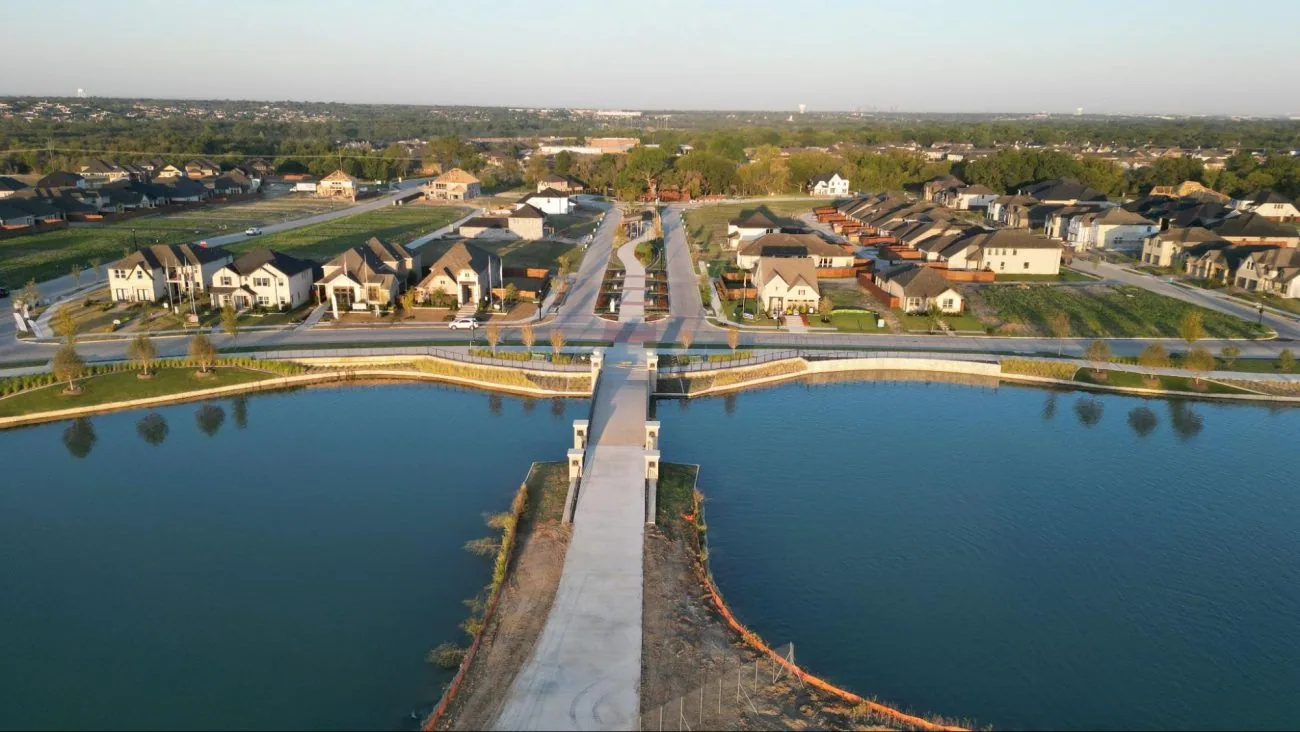
Roof conditions recorded with photos and written findings.