
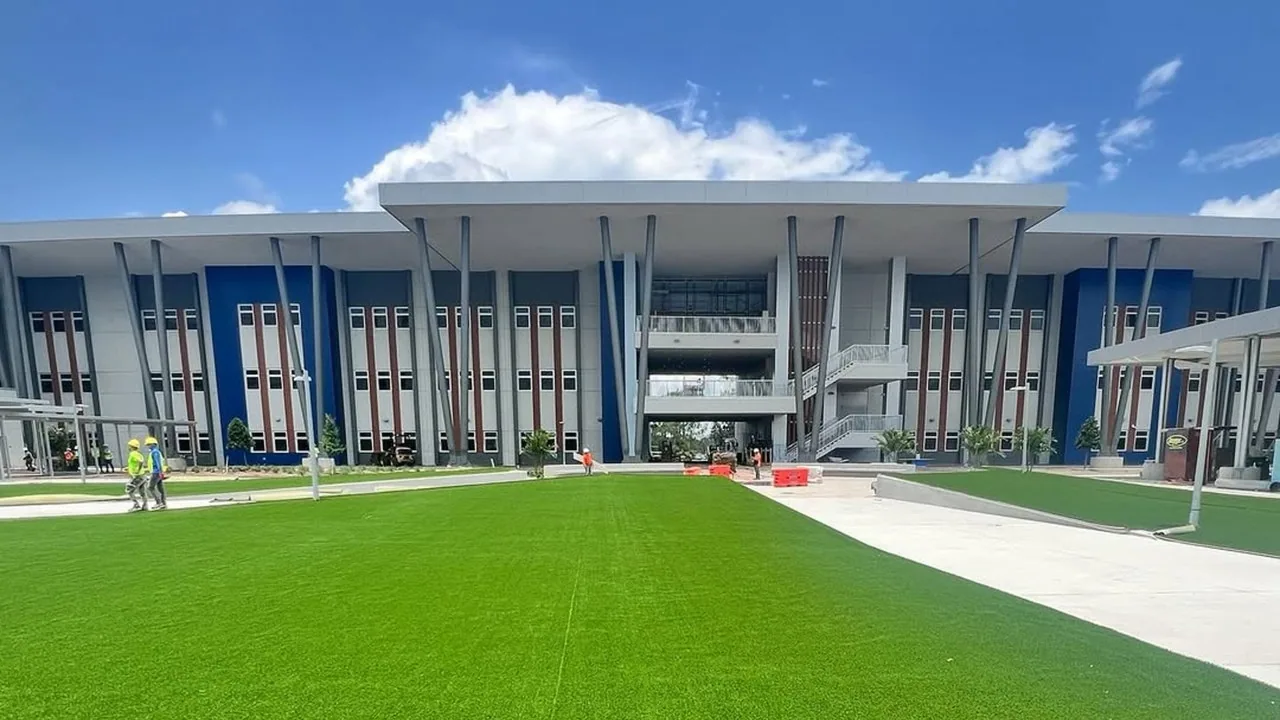
Commercial Roofing for School Districts in Mesquite, TX
A leak over a classroom, cafeteria, or electrical room becomes an operations issue as soon as water reaches the space below. We identify the affected roof section, protect contents, and trace the entry before setting a permanent repair limit. The district contact tells us which rooms, bus routes, and access gates must remain clear. We then inspect seams, drains, edges, and rooftop curbs above the symptom. A stain points to a place to investigate; it does not define the roof work by itself.
Mesquite ISD is a major local employer and corporate partner; that fact does not establish the construction or condition of a particular campus roof. That confirms an important local institution, not the condition or construction of a particular campus roof. We inspect each school and support building on its own records. A Downtown Mesquite roof review may involve public-facing access and nearby activity; another campus may have a different arrival schedule. Our public-agency roofing coordination can organize approvals and records while keeping each roof map separate.
Which School Window Fits the Repair?
The roof schedule should match the school calendar and the building's actual use. We ask when students and staff occupy the area, which doors and play spaces need protection, and what dates are available for disruptive work. A summer window may make broader sections easier to stage, but active maintenance or summer programs can still limit access. The crew identifies daily tear-off boundaries, interior safeguards, material delivery, and end-of-shift dry-in before the district approves the sequence.
Downtown Mesquite and the Town East Retail and Restaurant Area are distinct local settings. For district roof work, those locations are useful route markers only; campus access and the school schedule still determine the work plan. We coordinate a campus visit with the facilities contact, not a general map assumption. For a school building roof inspection, we mark the section, classroom or common area below, and the next safe work window. A phased roof scope can keep occupied zones distinct from completed sections.
How Do We Trace Water Above a Learning Space?
Water may move along a deck or insulation before it appears in a ceiling tile. We start with the reported room, inspect the roof section above, then trace uphill to seams, curbs, drains, and wall transitions. If the symptom follows rain, we record the timing and whether it changes after the roof dries. A roof map shows where the crew looked and where a test cut may be needed. Wet insulation is removed only where the field check confirms it or an approved test establishes it.
Spring is the Dallas-Fort Worth region's peak severe-weather period, with hail, damaging wind, flooding, and tornadoes occurring in the Metroplex nearly every year. That regional pattern is not proof of damage at a particular school. We inspect the membrane, edge metal, and penetrations for actual openings after an event. Our storm-damage repair visit records observed impact and temporary measures. A follow-up roof inspection can confirm whether nearby seams and drainage also need attention.
What Should Be Checked Before Approving a Patch?
A patch needs compatible material and a sound surface around the defect. We identify whether the roof is TPO, PVC, EPDM, modified bitumen, built-up, or metal before choosing preparation and detail work. At curbs, we inspect corners and flashing height. At the perimeter, we check metal attachment and termination. If drains are slow, we follow the flow path and separate a maintenance obstruction from a failed bowl or low point. The scope states the part repaired and the edge where sound material begins.
For district work, the project team should confirm which building-code requirements and local amendments apply to the proposed scope. That review is separate from an inspection of the existing roof. When a school has a TPO assembly, our TPO roof check tests seam and flashing condition before a patch is selected. A drain and scupper review can address water movement that may otherwise leave a repaired seam under standing water.
When Should a Campus Move From Repair to Replacement?
A local repair can be appropriate when one failure remains bounded and the surrounding membrane, attachment, and insulation are serviceable. Repeated leaks across roof sections, confirmed moisture beyond the opening, loose attachment, or deteriorated transitions may call for a larger scope. We map the findings, test where needed, and compare repair, recover, and replacement. The estimate should identify tear-off depth, deck work, insulation, drains, edge metal, and how each day ends dry. This gives the district a scope it can sequence against the calendar.
Facilities staff can compare a leak's recurrence, the tested roof area, and the planned school calendar before selecting a capital window. Our capital planning review uses field records to separate urgent protection from budget work. A healthcare roof plan can share the need for occupied-building sequencing, but school access and academic calendars remain specific to the district. We keep the repair recommendation tied to the tested assembly and the areas the facilities team authorizes us to inspect.
What Should Facilities Keep for the Next School Year?
The closeout identifies the school, roof section, repaired detail, material, and before-and-after photos. It notes whether temporary protection remains and what check is still open. If a test cut was made, we record its location and restoration. A district can use that record to track repeat symptoms, compare sections, and schedule future work without relying on a staff member's memory of a prior visit.
A campus gate and student schedule set the access plan, even when district buildings sit along separate Mesquite corridors. We confirm delivery and roof entry with the facilities contact. For ongoing inspection cycles, a roof condition report can preserve the district's section-level record. A managed-building roof process can help organize other occupied properties, while school assets retain their own approvals and photos. The next facilities lead should be able to see what was repaired, what needs watching, and which space must be protected if water returns.
Commercial Roofing Questions
Can work be scheduled during summer break?
We can build a sequence around dates the district releases, including summer periods. We still confirm staff presence, maintenance activity, deliveries, and rooms that remain in use. The plan identifies daily openings and dry-in steps so the roof does not depend on an unverified calendar assumption.
What information helps locate a classroom leak?
Send the school address, room or corridor, time the water appeared, recent rain information, and any prior repair note. A roof plan and interior photo help orient the first check. We compare that symptom with the roof section above and trace the likely route before defining a repair.
How do you protect students and staff during roof work?
We agree on access, delivery, barriers, noise periods, and the area below the repair with the district contact. The work zone is kept separate from student routes, and opened roof areas are secured at day end. If the site cannot provide safe separation, the sequence must change before work starts.
Does a storm notice mean the campus roof needs replacement?
No. A weather event prompts an inspection for actual openings, displaced edge details, and water entry. We document what is found and whether testing is needed. Replacement is considered only when the roof condition and confirmed moisture or failure pattern support a broader scope.
What is included in the district's roof closeout?
The closeout records the school, section, repaired detail, materials, and photos, plus any temporary measure or unresolved check. If an area was not accessible, we identify it for follow-up. That gives facilities staff a usable record for maintenance and budget planning.
Set a School Roof Work Window
Share the campus address, reported room, leak timeline, roof plan, school calendar, and safe access dates. We will inspect the affected section, coordinate protection below, and return a defined repair limit and closeout record.

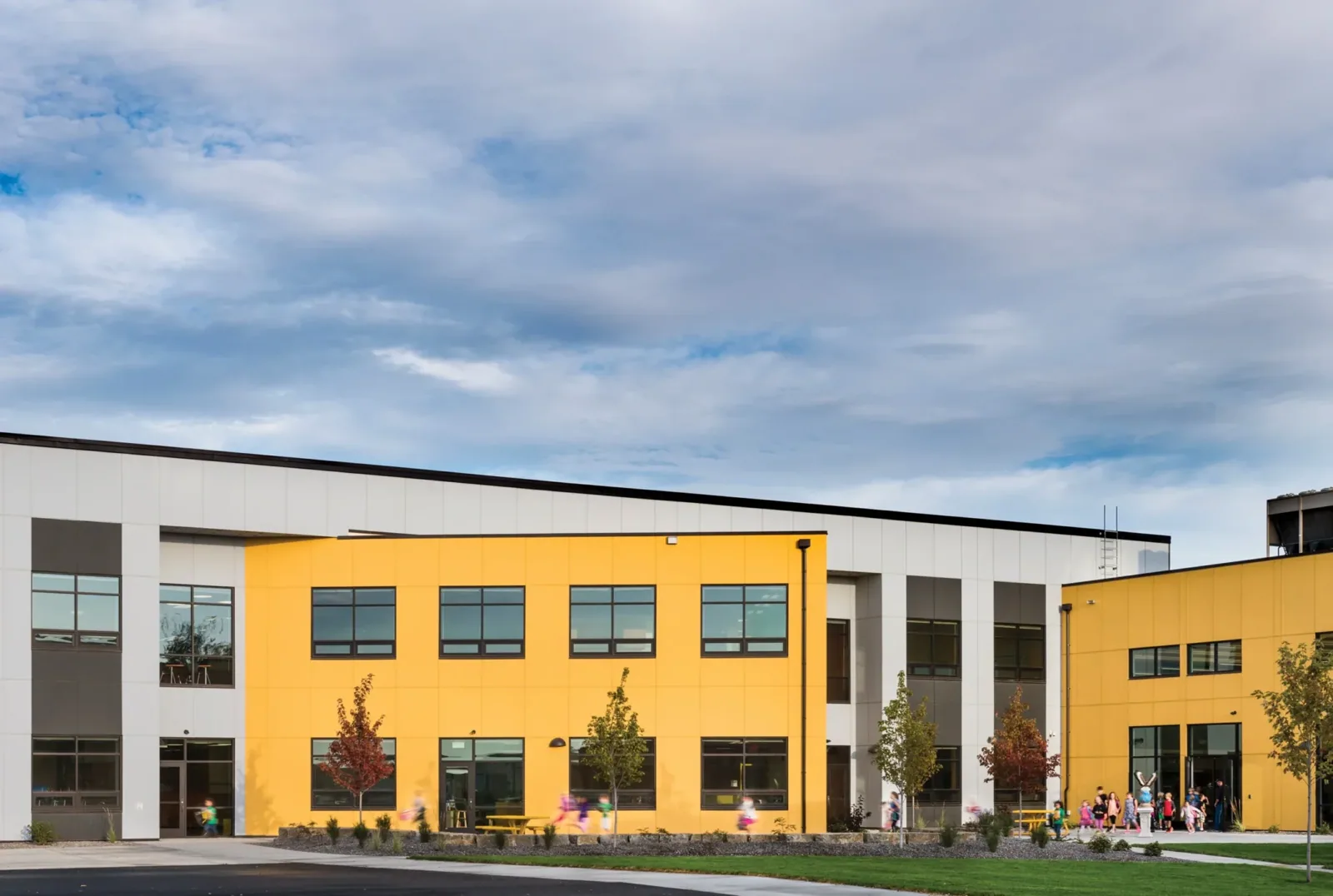
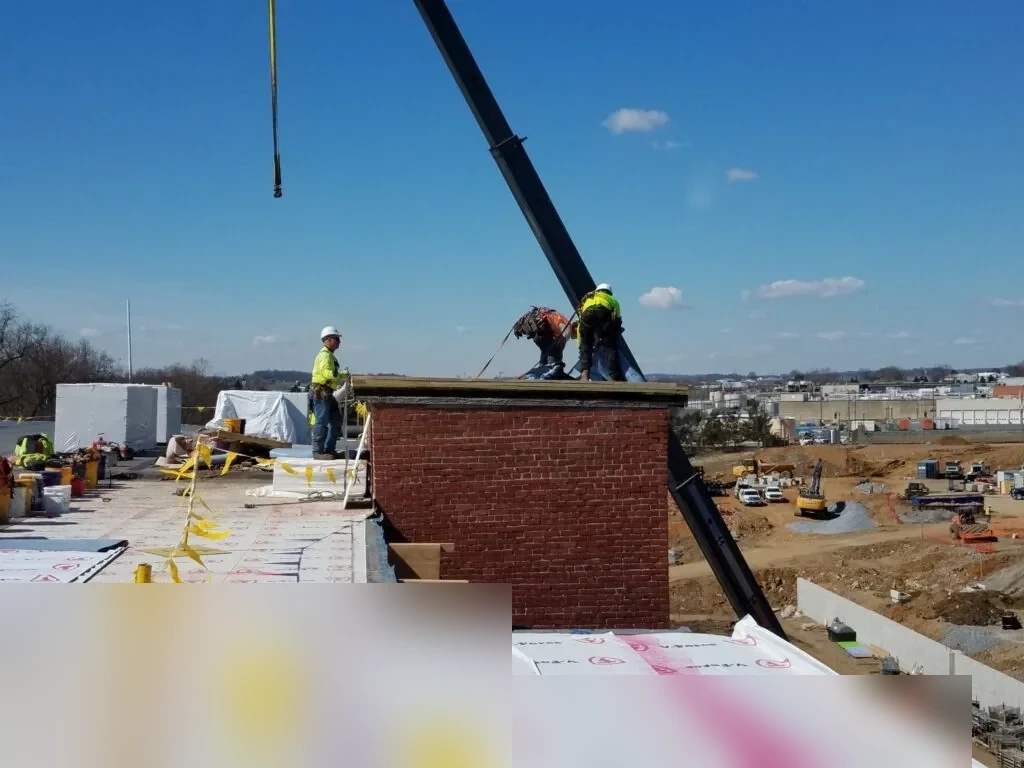
Work planned around the building and its daily operations.