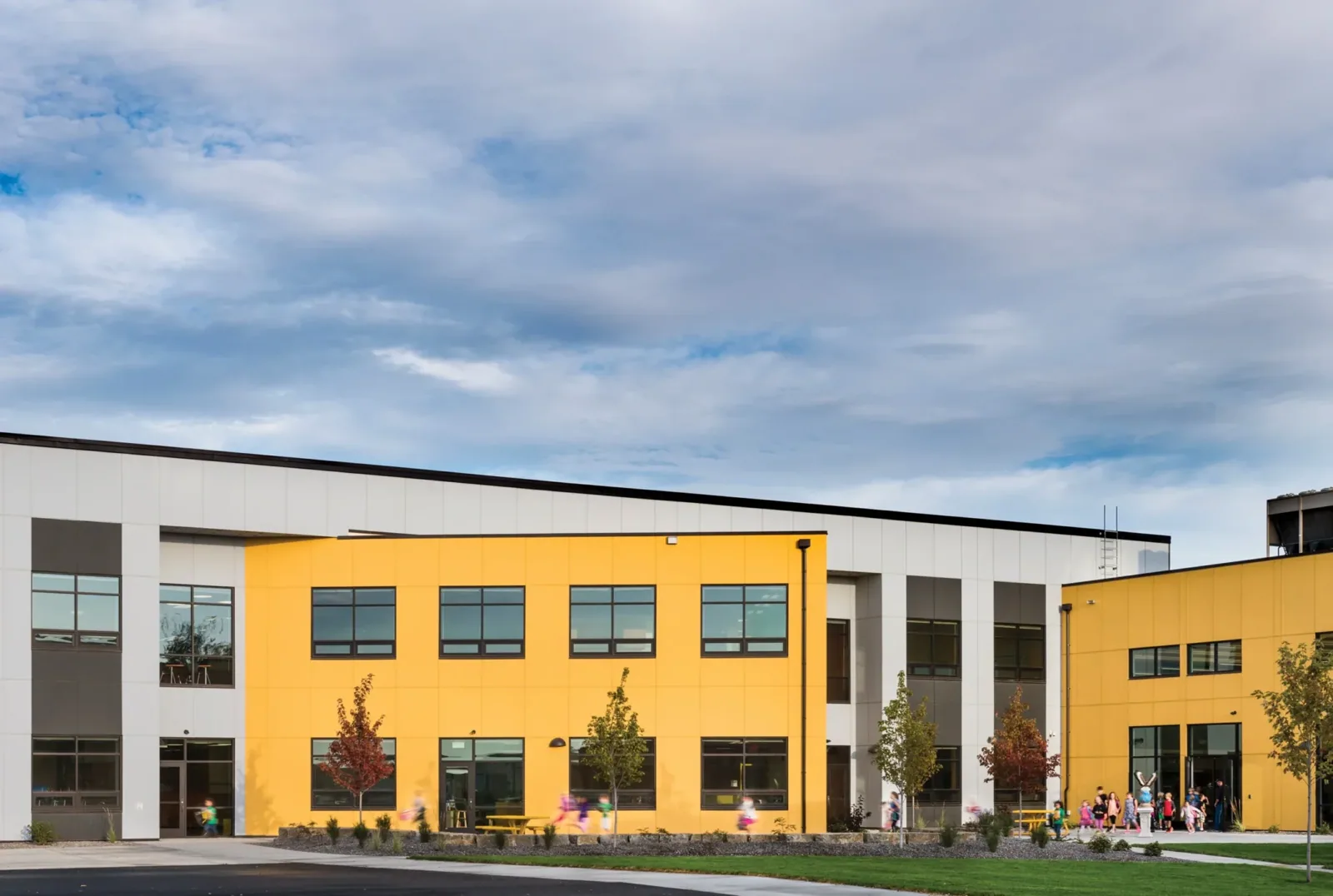
Commercial School Roofing in Mesquite, TX
School roof leaks can force a difficult choice: isolate one classroom, close a corridor, or keep the campus moving around a controlled repair. We track two boundaries: the water path above and the occupied area below. We trace the symptom uphill, check seams, curbs, drains, and wall transitions, then mark the roof section that needs attention. Wet insulation can extend beyond the ceiling stain. The first visit separates immediate protection from the permanent repair decision.
Mesquite ISD is a major local employer and community institution, so school work here needs clear access windows and a work-zone plan. In Mesquite, TX, spring storms across Dallas-Fort Worth can bring hail and damaging wind, while summer heat changes roof-surface conditions. Those regional conditions help frame the inspection, not diagnose a particular building. We coordinate the check with the school's calendar, loading activity, and safe routes through the building.
Where Does Water Cross the Classroom Ceiling?
A ceiling tile is an interior clue, not the roof repair line. Water can travel along a deck, insulation joint, conduit, or framing before it appears. We compare the stain with the roof plan, inspect the matching roof section, and test likely entry points. The photo record marks the affected area and any test opening so school staff can connect interior conditions to the roof work.
Curbs serving HVAC equipment deserve a close look because movement, aged sealant, and membrane separation can open at corners. We inspect the curb flashing, nearby seams, and support transitions as one assembly. Where a penetration has failed, we scope the repair to that actual detail. A broader commercial leak repair may include insulation removal if test cuts confirm the layer is wet.
How Can the Work Zone Stay Out of Student Traffic?
School access changes by hour. Arrival, dismissal, meal deliveries, events, and summer programs affect where a crew can stage materials and move equipment. We set the work zone with the facility contact before bringing tools on the roof. The plan identifies roof access, interior protection, ground-level exclusion areas, and the sequence for each section. A quiet period is useful only when it also gives the crew a safe and complete route.
For Mesquite dispatch, U.S. 80, SH 352, I-635, I-30, and I-20 connect the city's commercial routes. Those routes matter to dispatch and material deliveries, but the school's own loading and access rules control the schedule. The Skyline Logistics Hub district sits between I-30 and Skyline Boulevard, while planning for the IH-20 Business Park includes distribution and cold-storage uses. That citywide freight context makes delivery routing worth settling early; the school sets its own loading window. For an occupied campus, occupied-building reroofing coordination can separate classroom protection, noisy work, and temporary dry-in steps. We confirm which rooms, entrances, and outdoor areas must stay available during each shift.
What Roof System Is Above the Building?
Schools may have more than one roof section or installation history. We identify the membrane, seams, insulation, cover board, edge metal, and drainage before choosing a repair method. A single-ply surface with open welds calls for different preparation than an older built-up assembly with worn surfacing. We check for prior overlays and verify that the deck can support the proposed work before discussing a recover.
Mesquite's business activity includes schools alongside manufacturing, retail, and commercial development. That mix does not tell us what any school's roof contains; field inspection does. If the membrane is sound but insulation performance is uneven, a roof insulation and cover-board assessment can define where removal is necessary. When replacement is under review, compare the existing assembly with TPO roofing only after the deck, drainage, and attachment conditions are known. A district office or shared-use building needs its own inspection record; its roof is not a proxy for classroom wings. The same separation applies when we review college and university facilities or government buildings.
Are Drains and Edges Moving Water Away?
Water that remains at a drain, scupper, or low seam can keep pressure on a weak detail. We check strainers, bowls, conductor connections, and the slope leading to each outlet. Debris should be removed before ponding is treated as a membrane defect. If a drain is blocked or a scupper transition is open, the repair should restore the route out of the roof, not just cover the wet mark nearby.
Spring thunderstorms across the Metroplex bring intense rain along with hail and wind. A roof inspection after a storm checks actual punctures, displaced metal, open laps, and drainage conditions; regional weather alone does not establish damage at a school. We can document affected sections through a commercial roof inspection, then address confirmed drain and scupper repairs. Garland's I-30 corridor is a nearby commercial route context, while the campus itself still needs its own water-path and access review.
When Is a Repair Enough for This Roof Section?
A local repair is a reasonable option when the opening is limited, surrounding material remains bonded, and the insulation and deck are dry and stable. Widespread wet insulation, repeated seam separation, or several failed patches may change the scope. We map the condition by section and show what a test opening confirms. The owner can then compare a targeted repair with selective removal, recover, or replacement without treating one ceiling stain as evidence about the whole roof.
Each school scope has to identify which roof sections and interior areas are included before work enters design review. We document assembly and repair limits so the project lead can confirm applicable code and permit steps for that building. A photo record ties decisions to locations, materials, and open questions. That gives the next budget and maintenance review a usable condition history.
Commercial Roofing Questions
Can roof repairs happen while classes are in session?
The schedule follows the rooms, entrances, and outdoor areas affected by the work. We review roof access, noise, material staging, and ground-level protection with the school contact. Some repairs can be isolated to a roof section; other work needs a quieter window or a break in occupancy. The scope should state which spaces remain usable and what temporary protection is required before the crew starts.
What should we do when water appears in a classroom?
Move people and sensitive equipment from the affected area, report the leak location and timing, and protect interior finishes where it is safe to do so. We inspect above the symptom, trace the likely path, and set temporary protection if water control cannot wait. The permanent repair follows the confirmed roof condition, including any wet insulation found beyond the visible ceiling mark.
How do you check whether insulation is wet above a school room?
We compare interior evidence with roof details, use moisture-survey methods when appropriate, and open selected test areas to confirm the assembly. Infrared patterns guide test locations; they do not replace a physical check. The report identifies where moisture was confirmed, where material remains uncertain, and what removal or drying work belongs in the repair scope.
Will a storm inspection show that hail damaged the school roof?
It can document visible impact and related conditions on the roof sections inspected. We look at membranes, metal edges, rooftop equipment flashings, drains, and interior reports, then photograph findings by location. Weather in the wider Dallas-Fort Worth region does not prove a particular roof was hit. The field record supports the repair decision and any claim documentation the owner needs.
What affects the timing of a school roof replacement?
The active roof area, removal depth, weather window, material lead time, access restrictions, and the school's calendar all affect sequencing. We identify where the building must stay dry at each shift and how the work zone changes as sections are completed. If a summer window is considered, hot roof conditions still govern safe installation. The schedule should include dry-in and closeout steps, not only material placement.
Set the School Roof Work Zone
Share the leak timeline, roof plan, affected rooms, calendar, and access rules. We will inspect the matching roof sections, document moisture and repair limits, and set the next safe work window.
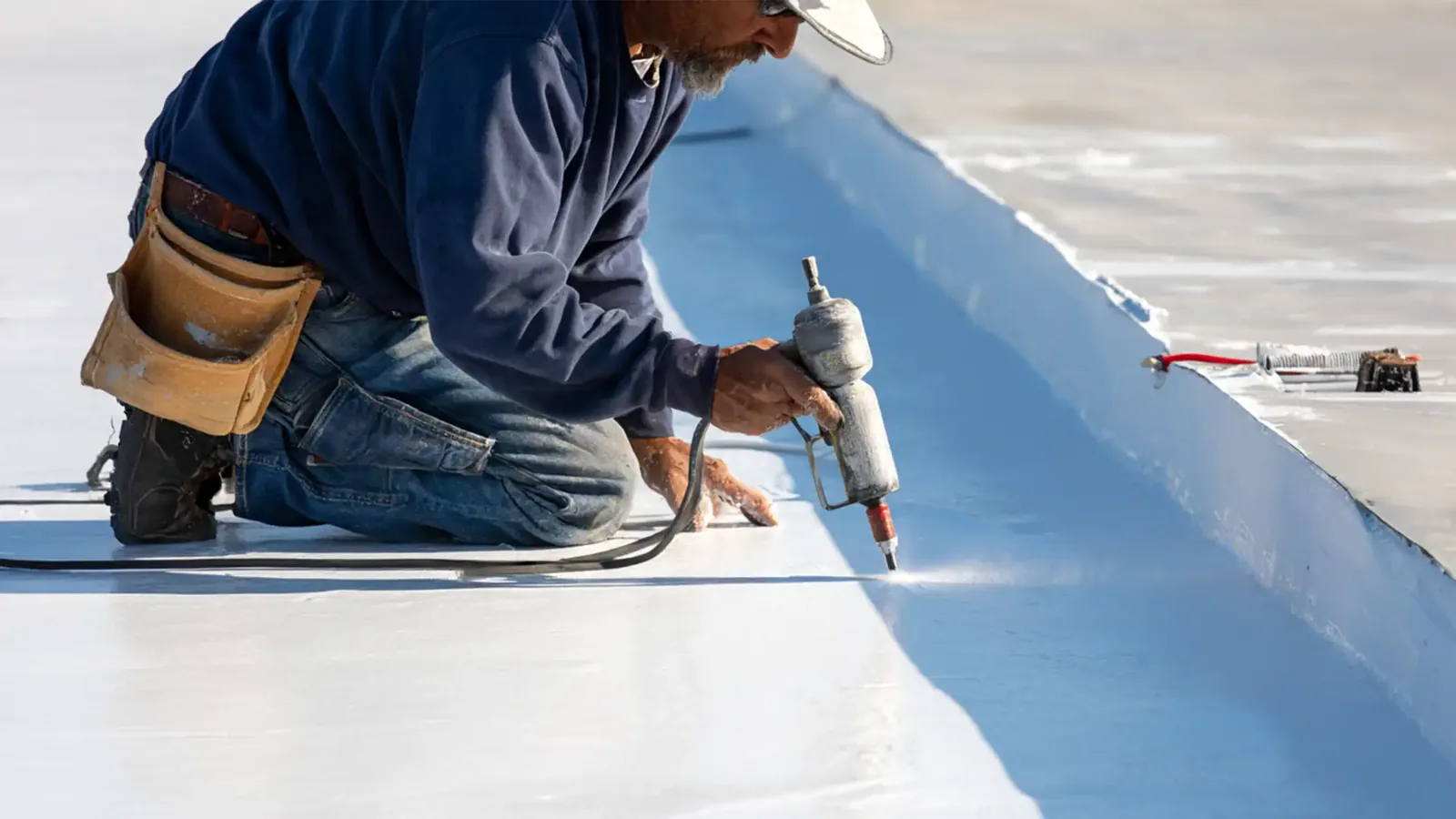
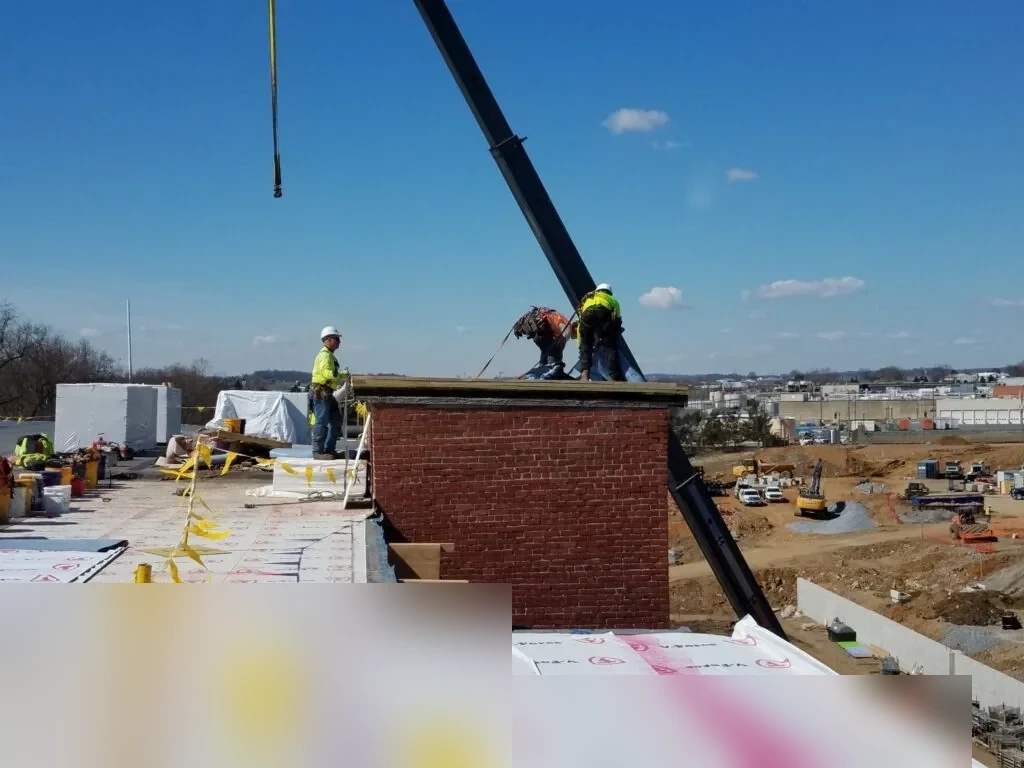
Roof conditions recorded with photos and written findings.