
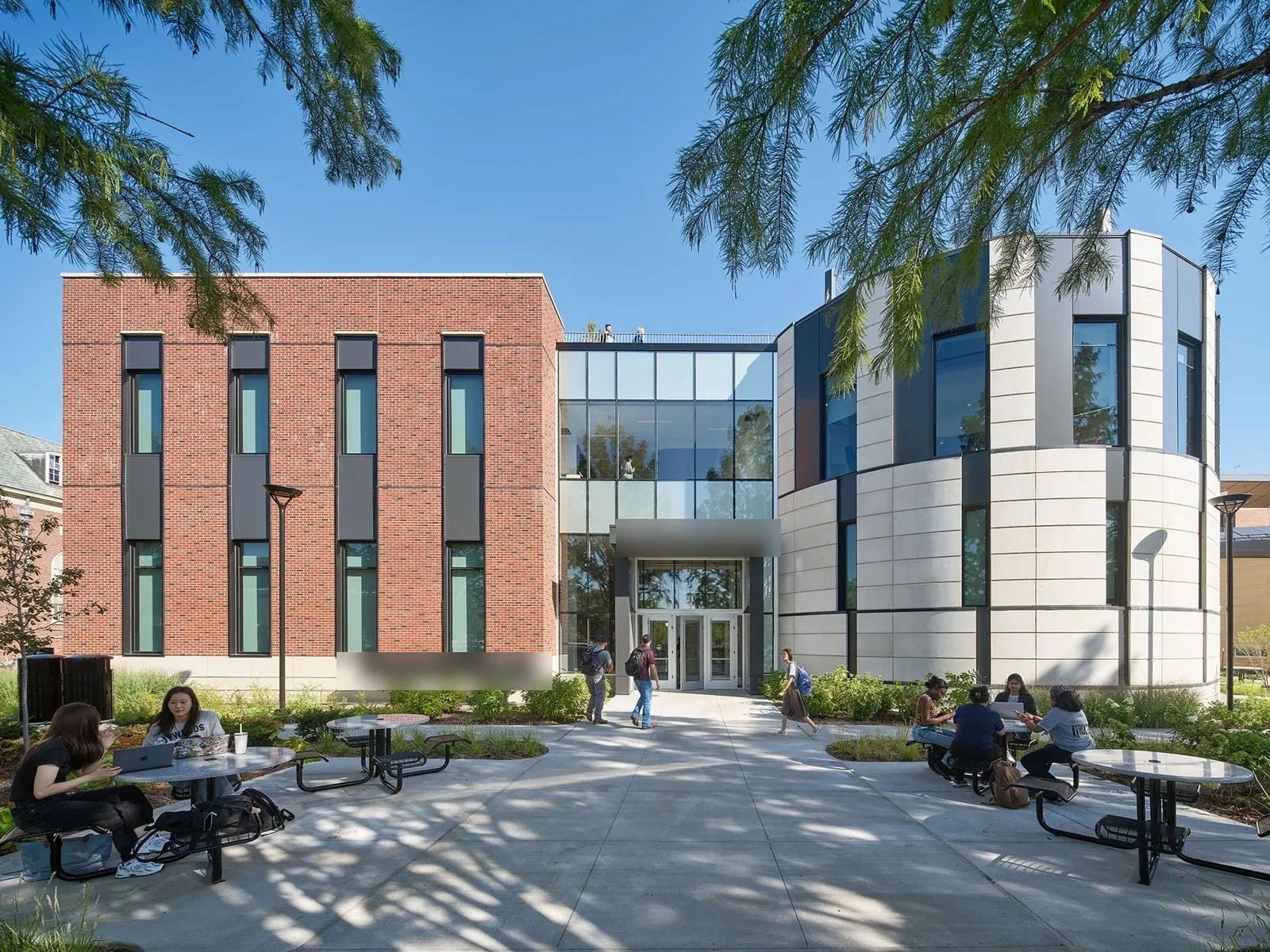
College and University Roofing in Mesquite, TX
Water over a lecture room, lab, or student commons calls for a quick interior protection plan and a roof check tied to that space. Our first pass ties the reported room to the overhead plan; then we test likely entry points at field laps, equipment bases, outlets, and wall returns. The ceiling mark is a starting point. It does not show whether moisture reached insulation or traveled from another detail.
Mesquite's active commercial districts and Dallas-Fort Worth freight routes can affect deliveries, but a college or university sets its own rules for access, research areas, events, and occupied buildings. We establish the work zone with the facility contact, then separate temporary water control from the permanent repair. A photo record gives campus operations a location-specific basis for scheduling and budget decisions.
Which Building Can Close, and Which Must Stay Open?
Campus schedules are not uniform. A classroom wing may have a break between terms, while a lab, dining area, or residence remains in use. We map affected rooms, roof access points, delivery routes, and ground-level exclusion areas before staging materials. The work sequence should identify when noisy tasks occur, where temporary protection sits, and how each section is left dry at shift end.
The Skyline Logistics Hub district between I-30 and Skyline Boulevard and the planned industrial uses at Mesquite's IH-20 Business Park illustrate how dispatch routes serve different operating schedules across the city. Campus loading rules still govern material movement at the institution. For an occupied building, roof work around active operations can be divided into controlled zones, with access and closeout steps agreed before the first section opens.
What Is the Existing Roof Assembly?
Before comparing a repair with replacement, we identify the membrane or metal system, attachment method, cover board, insulation, deck, and flashing details. Multiple additions may leave different roof sections with different assemblies. We record where seams are separating, where surfacing has worn, and whether test cuts find wet material. Those observations set the repair boundary and show whether a local patch can reach sound layers.
For single-ply roofs, a TPO roof system depends on prepared, compatible surfaces and properly welded seams. An existing metal assembly has different movement and fastening details. We compare the actual roof with the institution's plans and prior work records, then inspect areas the records do not resolve. If readings suggest hidden moisture, an infrared moisture survey can guide test locations; openings confirm the insulation condition before removal is specified.
Where Does Rainwater Leave Each Roof Section?
Large connected roofs can move water toward internal drains, scuppers, or perimeter outlets. A blocked strainer, loose drain bowl, failed seam, or low transition can keep water against a weak detail. We follow the drainage path from the field membrane to the outlet and check whether the surrounding insulation or deck has been affected. Clearing debris is useful, but it does not correct a failed flashing or a low area that remains after cleaning.
Spring is the Dallas-Fort Worth region's peak period for thunderstorms and severe weather, including large hail and damaging wind. We inspect actual impact or displacement at the institution rather than assume a storm affected every roof section. Drain and scupper work addresses confirmed outlet or transition defects. A commercial roof inspection can document the wider assembly when multiple buildings or roofs need a common condition record.
How Much of the Assembly Needs Work?
When damage stays within a limited area and adjacent membrane remains bonded, a repair may restore that section. Repeated seam failures, broad wet insulation, corrosion, or several prior patches can point to a larger assembly problem. We map defects by building and roof section, note test openings, and distinguish confirmed damage from conditions that still need review. That avoids extending one repair beyond its evidence or leaving a known wet layer under a new surface.
Mesquite's hot, humid summers bring July and August daytime temperatures consistently into the 90s and often above 100 degrees across the region. Weather conditions and product requirements affect coating, adhesive, and membrane work windows. If the assembly is suitable for restoration, roof coating restoration may be compared with selective removal or replacement. We document the substrate and drainage first, because a coating does not correct loose seams or saturated insulation.
What Does Campus Operations Need at Closeout?
The closeout record should identify the building, roof section, materials installed, seams or flashings repaired, test cuts, and limits of the work. Photos taken before and after repairs let facilities staff compare a later symptom with the same roof detail. We also note areas outside the approved scope, access controls, and any follow-up inspection point. Separate records matter when several buildings are being assessed in one capital cycle.
Permitting review starts with the actual building, planned scope, and roof conditions. The project lead confirms applicable code requirements before work is released. A condition report can support a planned sequence across roof sections, while repair priorities can follow observed condition and operational urgency. Neither record substitutes for confirming the assembly in the field.
Garland's I-30 catalyst corridor extends toward Lake Ray Hubbard and is a nearby commercial route context for regional dispatch. Campus gates, loading windows, and equipment routes remain site-specific. We confirm them with operations before assigning a crew or delivery window. The record also separates an academic building from a school facility or government facility; similar occupancy does not establish the same assembly.
Commercial Roofing Questions
How do you keep a roof repair clear of classes or campus events?
We coordinate the work zone with the institution's calendar and the spaces below the roof section. The sequence identifies access, noise-producing work, material movement, ground protection, and dry-in at the end of each shift. If a building must remain open, we isolate the roof area and keep approved routes clear. A major event or lab schedule may move the work window, so the site contact confirms dates before mobilization.
Can a leak in one building point to a campus-wide roof issue?
One leak establishes a condition at its roof section, not across every building. We inspect the affected assembly, compare it with available plans, and check similar details only when the records or observed failure pattern support doing so. The report separates confirmed defects from roofs not inspected. That lets facilities decide whether a broader survey is warranted without turning one interior stain into a campus-wide conclusion.
What if the roof plan no longer matches the building?
We note the mismatch, verify roof layers and transitions in the field, and mark the actual section boundaries. Selected test openings can confirm membrane, insulation, and deck conditions where drawings are unclear. The revised record should identify observed details and remaining unknowns. That gives designers and facilities staff reliable conditions to use before selecting a repair or replacement assembly.
Will infrared imaging confirm wet insulation by itself?
Infrared readings can point to areas for closer examination, but surface conditions and other heat patterns can affect the image. We compare the survey with interior evidence, roof construction, and drainage, then use test openings where needed. The report marks what was confirmed and where uncertainty remains. Material removal is scoped from verified conditions, not from a thermal pattern alone.
How should a university prioritize roofs across a capital cycle?
Start with documented leakage, safety, active moisture, assembly failure, and the operating effect of each affected building. We record roof sections, repair limits, remaining questions, and near-term protection needs. Facilities can then compare targeted repair, restoration, and replacement using consistent condition information. The priority order changes when testing finds wet insulation or when a critical space requires earlier work, so the record should stay tied to field findings.
Review the Roof by Building and Section
Send the roof plan, leak timeline, affected rooms, event calendar, and access requirements. We will inspect the assembly, set the repair boundary, and coordinate a safe work window with campus operations.
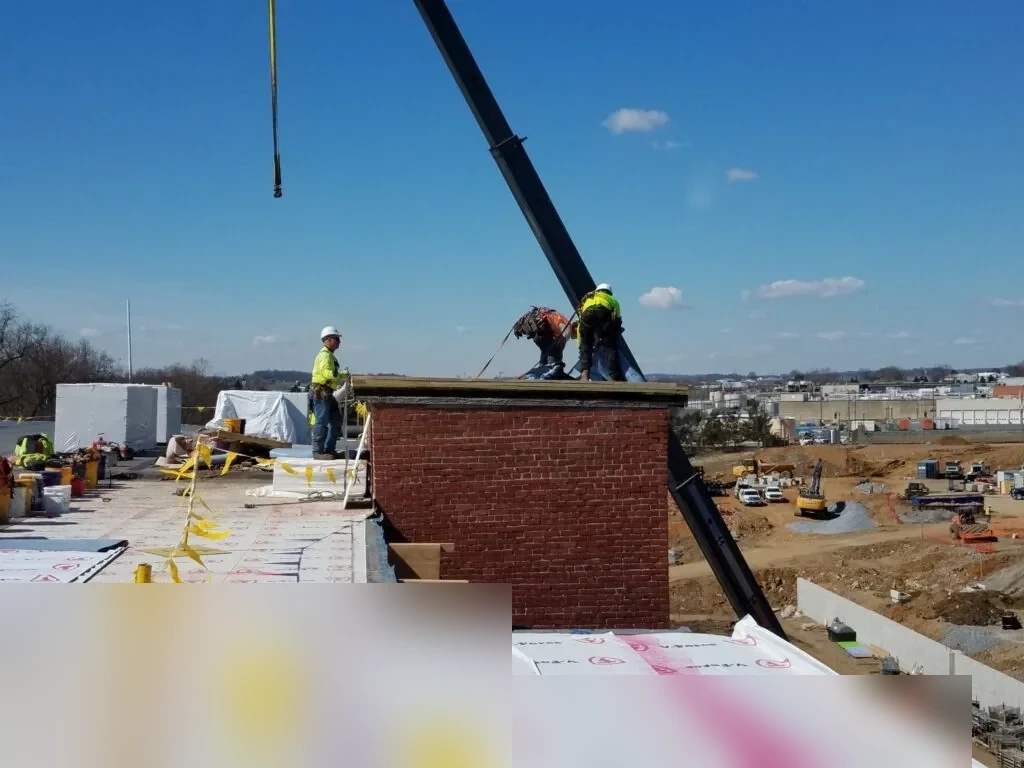
Scope, access and schedule reviewed before work begins.
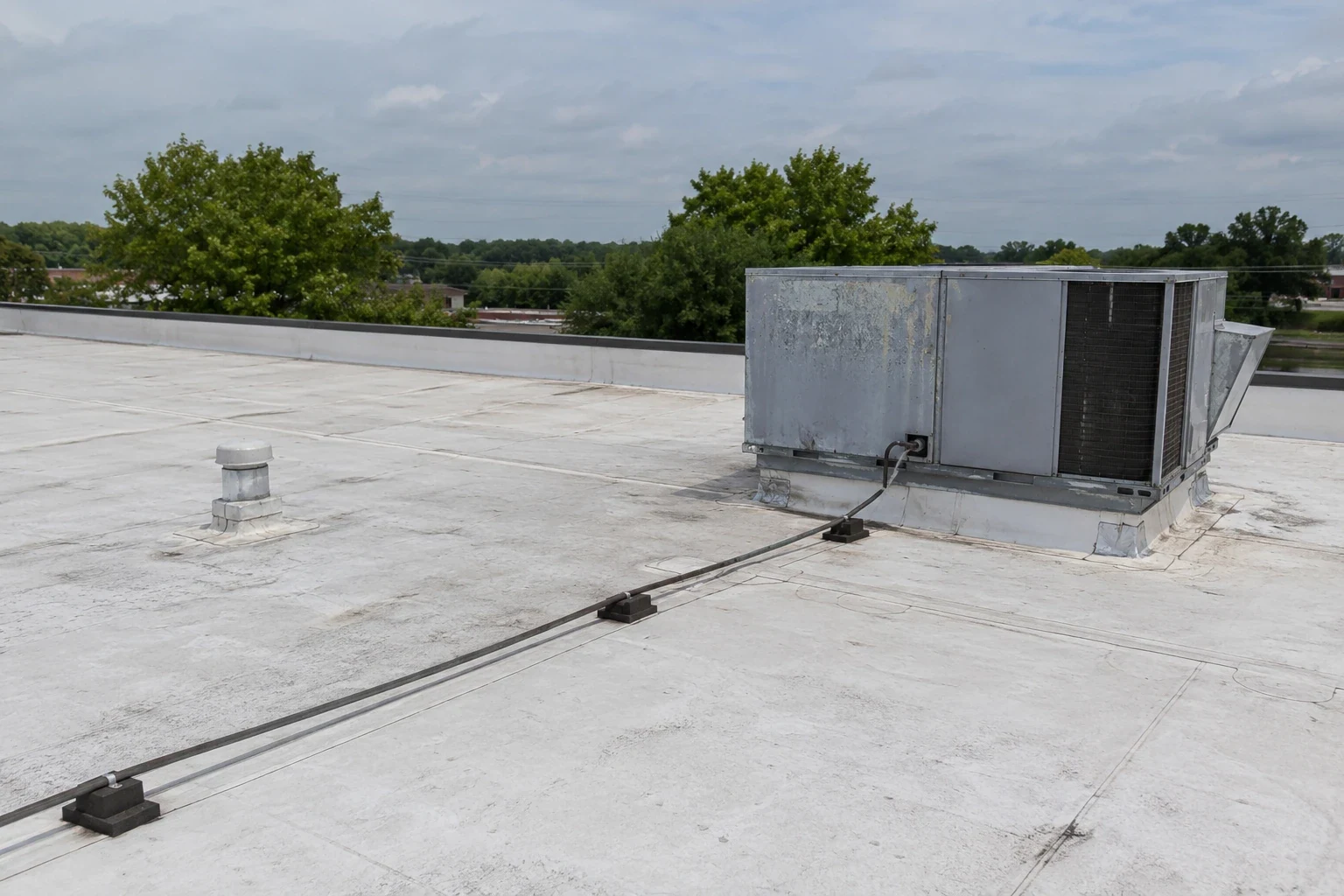
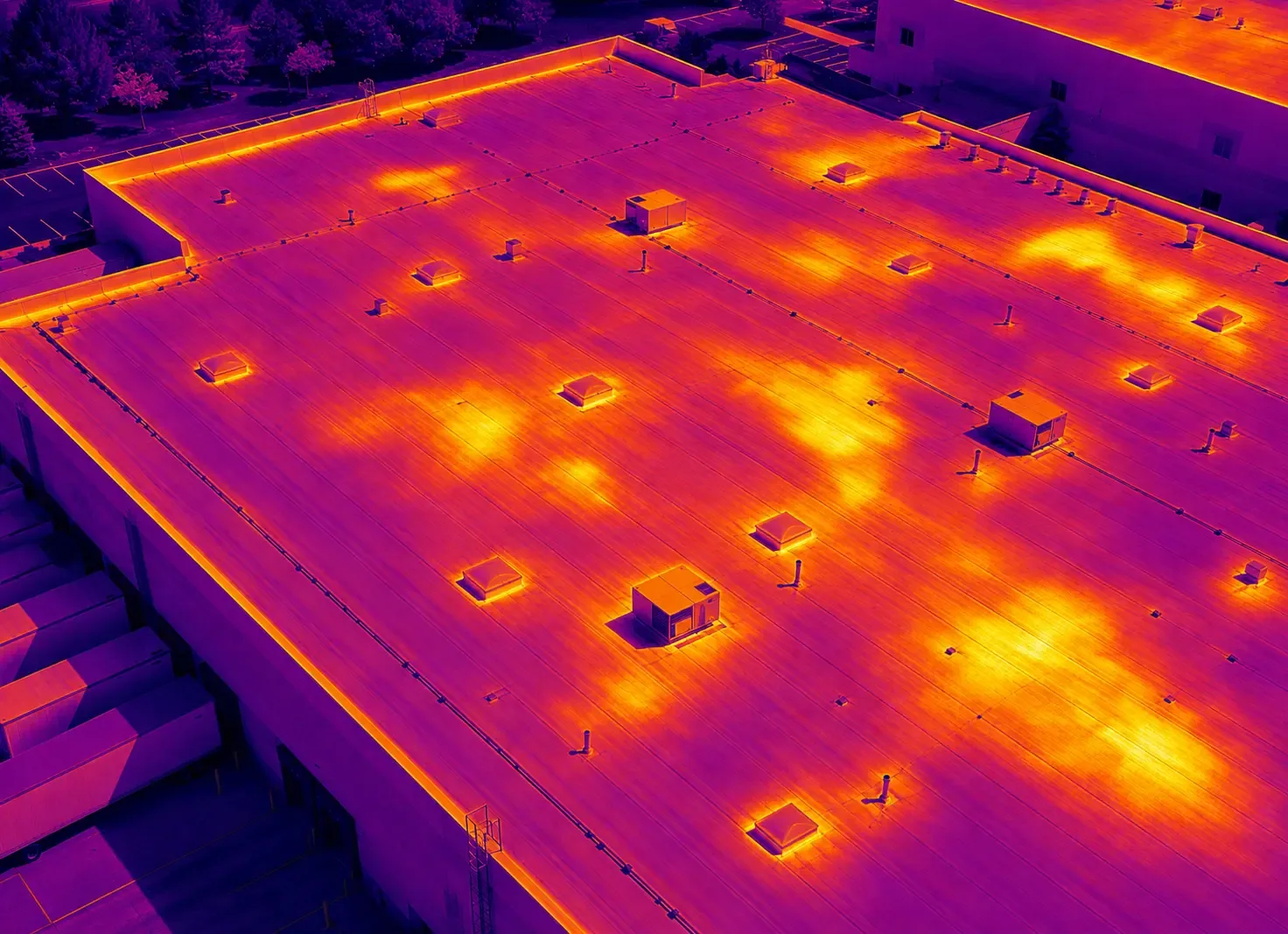
Work planned around the building and its daily operations.