
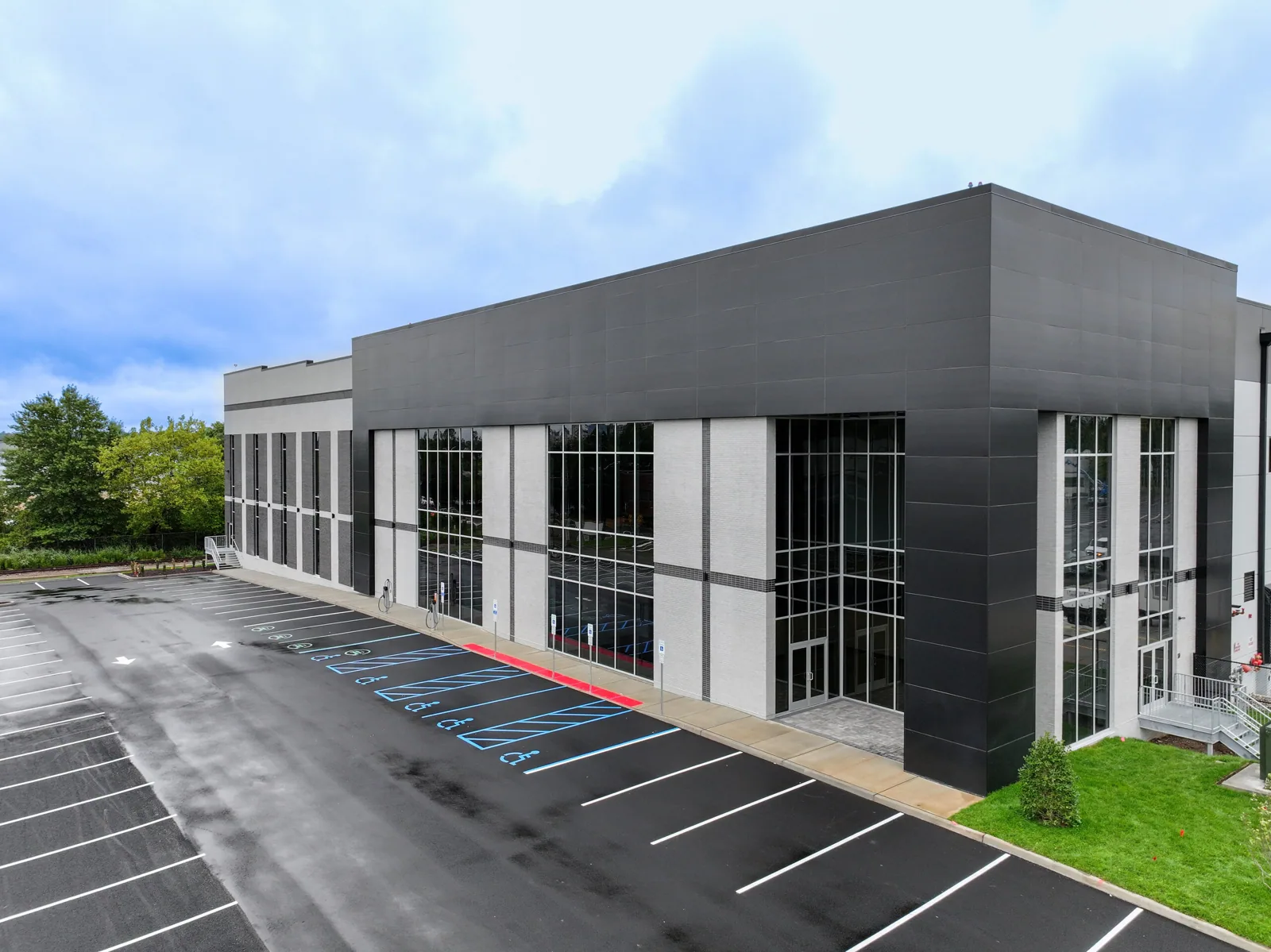
Distribution Center Roofing in Mesquite, TX
A failed roof section above a sort line or dock needs an access decision before a repair crew moves material. We identify the leak boundary, protect the active work area, and set the roof inspection around dispatch. Businesses in the Skyline Logistics Hub between I-30 and Skyline Boulevard rely on long-haul carriers. The district context does not describe an individual building, so we confirm the dock layout, roof plan, and shift contact at the property before setting a sequence.
A focused leak assessment traces the path from the interior symptom to the membrane, drain, curb, or edge that opened. We mark what is wet, what is still sound, and what needs a test. For broader review, a warehouse roof inspection can compare storage and loading zones by section. The facility director gets a repair limit that can be scheduled without treating the whole roof as one work zone.
How Can Work Stay Clear of Dispatch?
Dispatch can run while roofing proceeds if the site approves separate movement paths. We map dock doors, trailer queues, pedestrian routes, lift positions, and the interior area beneath each planned opening. The daily work zone identifies who can stop a lane, where debris leaves the roof, and how the section will be protected at shift end. A loading window is a scope condition, not a note to solve after mobilization.
Manufacturing and distribution activity in the Skyline district clusters near Big Town and Town East Boulevards, with goods moving through long-haul carriers. We use that local context to ask about delivery peaks and staging limits, then record the operating schedule for the actual center. A roof sequence for an operating building can separate noisy work, tear-off, and tie-in hours. If a site uses multiple shifts, each shift receives the same boundary and temporary protection status.
Which Roof Section Is Feeding the Leak?
A drip above a conveyor does not point straight up to a failed seam. Water can follow deck flutes, insulation joints, or a pipe support before it reaches the work floor. We start from the reported location, inspect nearby roof details, and trace uphill until an opening or failed transition explains the path. Photos show the affected area and the suspected route. If the evidence is incomplete, the report identifies the test that would narrow the repair boundary.
Distribution centers often have long roof runs and several drainage zones. We check drain bowls, overflow paths, scuppers, perimeter metal, and changes around rooftop equipment. A drain and scupper correction may be separate from a membrane repair if water is retained by a low area or blocked outlet. The scope lists each condition by roof section and states whether access, testing, or a controlled opening is needed before final quantities are set.
What Can the Existing Assembly Support?
Before pricing a recover, we identify membrane type, attachment, layer count, and the condition of insulation and deck. A dry, stable roof may allow another system if height and code limits permit. Wet insulation or weak attachment changes that option. A recover review records where test cuts are needed and what removal depth is assumed. The facility receives a separate allowance for concealed conditions rather than a guess presented as a measured quantity.
Membrane and flashing details have to match the existing roof or specified replacement system. TPO and PVC require their own seam preparation; EPDM and modified bitumen use different laps and repair materials. A system-specific EPDM review can be useful when that membrane is installed. At penetrations and curbs, we verify corners and terminations before closing the repair. Repeated failures across multiple roof areas may call for a separate review of cold-storage assemblies when temperature-controlled use imposes different operating constraints.
How Do Mesquite Routes Affect Access?
Delivery planning begins with the actual carrier entrance, not a regional road list. In Mesquite, logistics activity in the Skyline Logistics Hub runs along Big Town and Town East Boulevards near Skyline Boulevard. Long-haul carriers serve businesses in that district. We use that context to ask when docks are busiest, then have the center's contact confirm its own dispatch calendar, trailer circulation, and roof-access procedure. None of those details can be inferred from a district plan.
Separate loading and work paths before staging tear-off materials or a lift. The crew schedule records who can release each dock-side zone and where debris leaves the roof. If a property is near the U.S. 80 Mesquite corridor, the highway name is a location reference only; its traffic pattern does not replace the carrier's site plan. We close the shift with a written status for every roof section opened that day.
What Should the Dispatch Team Receive?
Closeout gives the operations contact the section repaired, material installed, photographs, and any test result. It also identifies roof areas not opened or not reached. Temporary protection is documented separately from permanent work so the next shift knows what remains active. If water was isolated but not fully traced, the record names the follow-up check rather than marking the problem complete.
A multi-building program needs an individual roof-area register for each center. A manufacturing facility review can involve production limits that do not match a dispatch schedule. We keep those records separate and group work only where access and sequence align. A photo condition report can support the renewal decision, while the next inspection interval checks the same drains, seams, and penetrations for recurrence. The dispatch lead also receives the roof section and status at handoff: open for work, protected overnight, repaired, or held for testing. That record prevents a temporary measure from being mistaken for completed correction when a new shift takes control.
Commercial Roofing Questions
Can roofing proceed while trailers are loading?
The dock lane and the roof section must be separated by an approved work zone. We coordinate truck movement, lift placement, overhead exposure, and temporary dry-in with the operations contact. If debris handling or an opening creates risk over a live lane, that activity waits for a clear window. The plan names who can release the area and who receives the shift handoff.
How do you protect conveyor or sort equipment below the roof?
We identify equipment that cannot be exposed to water or debris, then set interior protection and a roof opening sequence before tear-off. The scope marks the work area and the stopping point for each day. If a roof section cannot be safely closed before dispatch resumes, the sequence changes before material is removed.
What happens when a leak path crosses more than one roof zone?
Each zone gets a separate condition note and photo trail. We trace the likely entry route, identify where the assembly changes, and use a test or opening when needed to confirm the path. The repair proposal distinguishes the confirmed area from adjacent sections that remain under observation, which keeps the work limit measurable.
Does hail automatically mean a distribution roof needs replacement?
An event report is a prompt to inspect, not a replacement recommendation. We look for punctures, displaced edge metal, damaged rooftop details, and interior symptoms, then record the actual condition. If no opening is found, the photo record shows the areas checked. If damage is localized, the proposal can isolate that repair from an unrelated capital project.
Which details change the bid basis for a large center?
Roof access, active dock windows, material handling, drain corrections, penetrations, and wet insulation can change labor and sequence. We list the sections, assumed removal depth, temporary protection, and work that needs approval after an opening. The owner can then compare proposals using the same operating limits and repair boundary.
Set the Dispatch and Roof Plan
Send the leak timeline, roof plan, affected work area, equipment or loading schedule, and safe access window. We will inspect the roof section, identify the repair limit, and document temporary protection separately from permanent work.
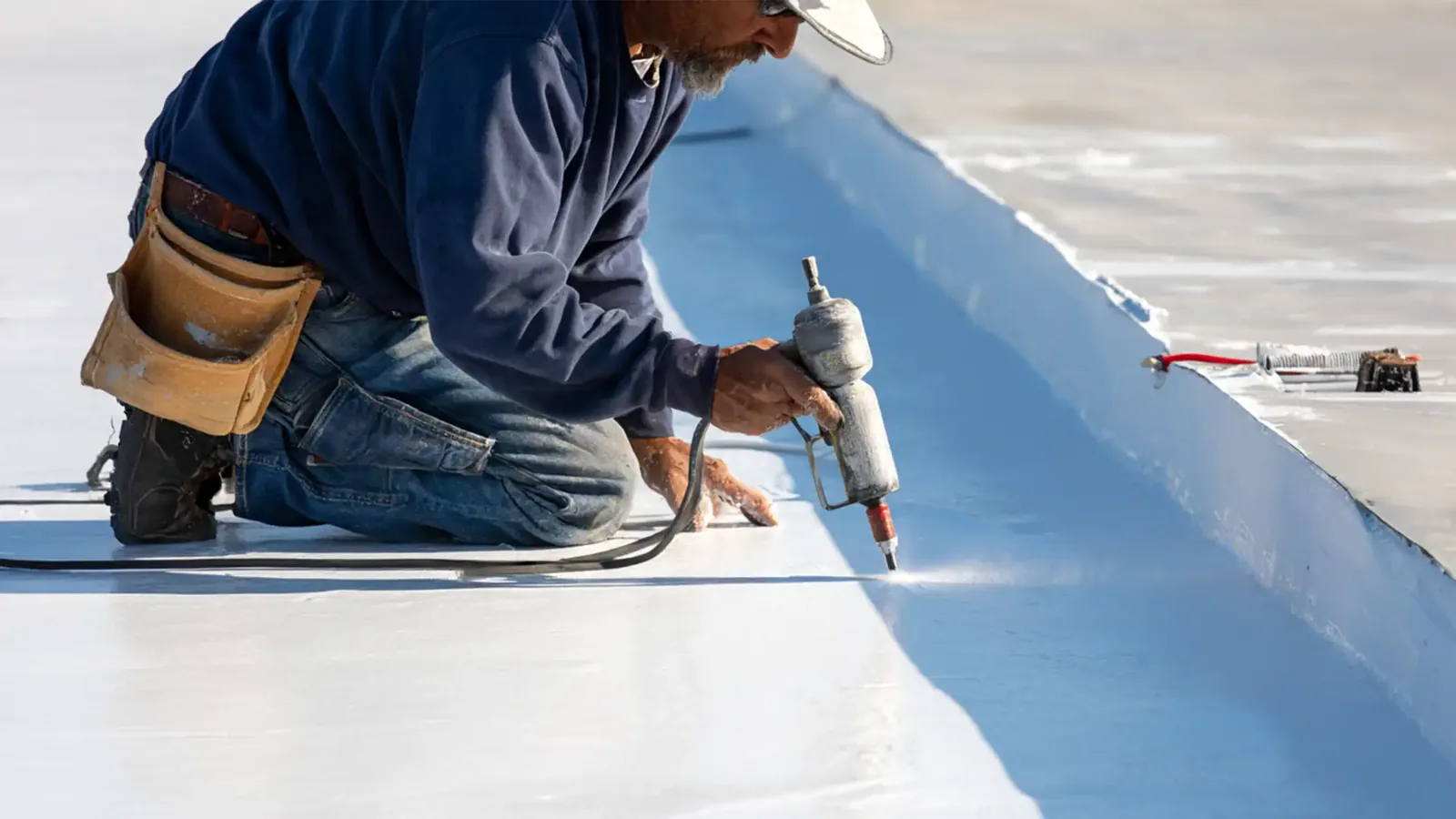
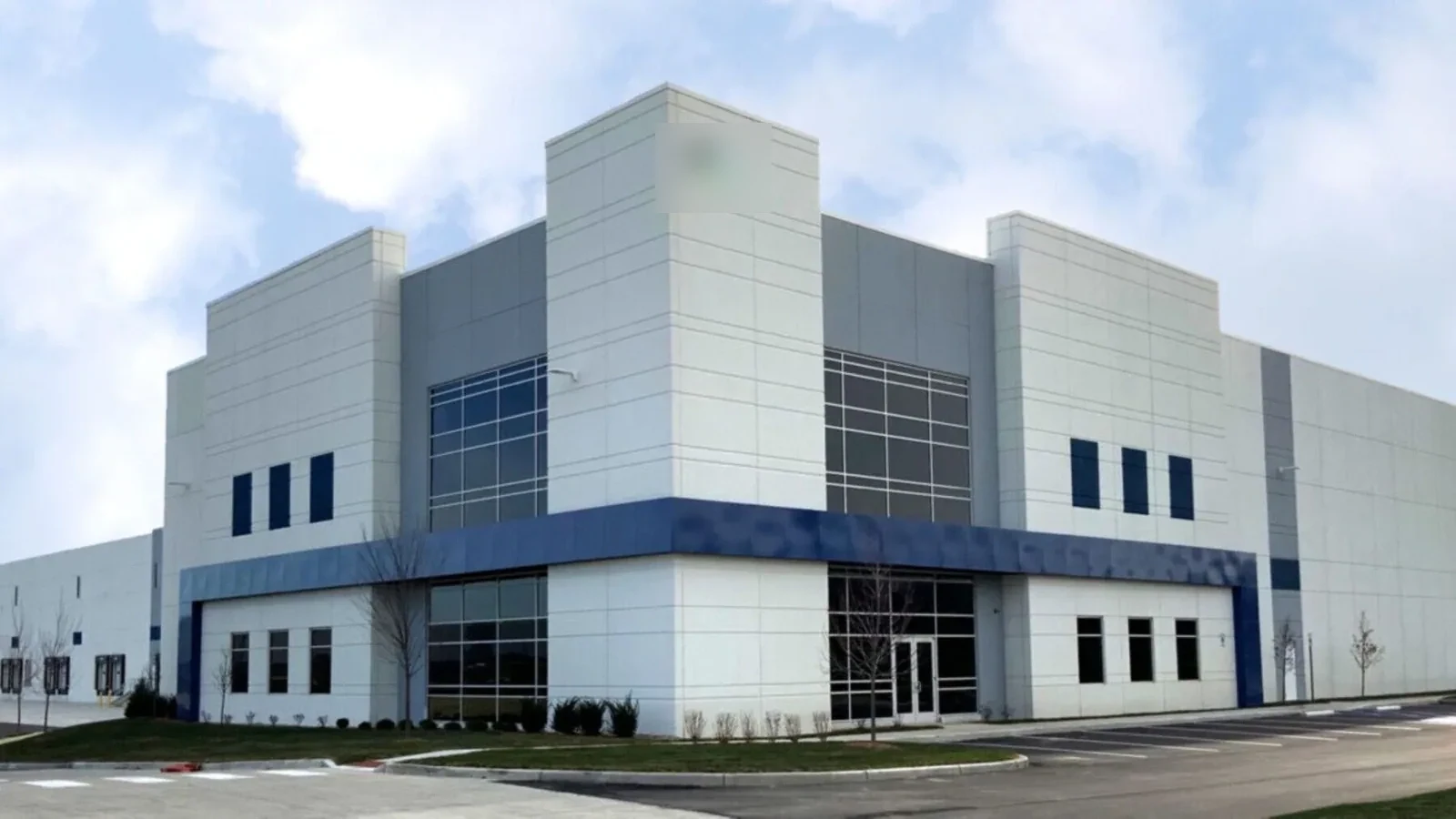
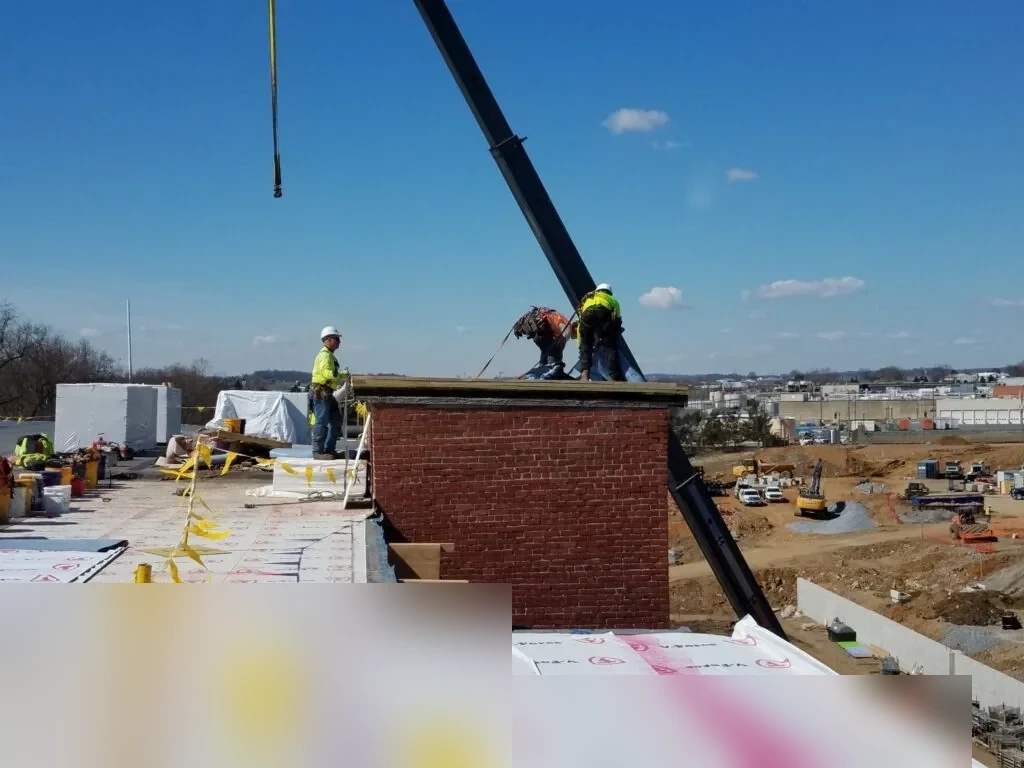
Work planned around the building and its daily operations.