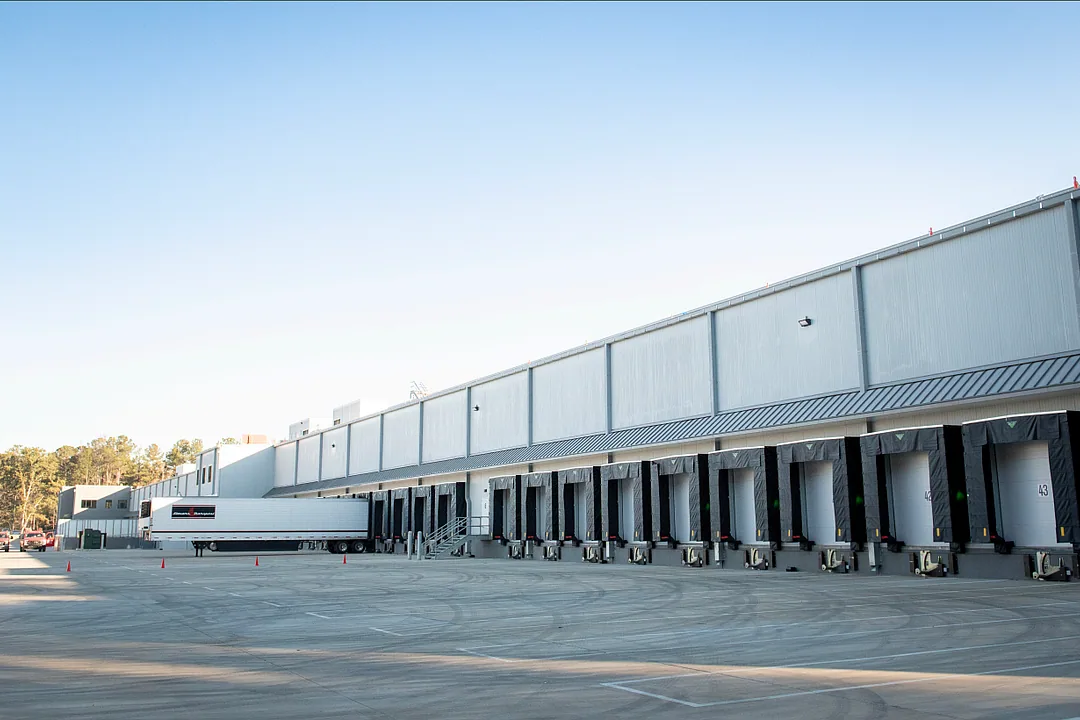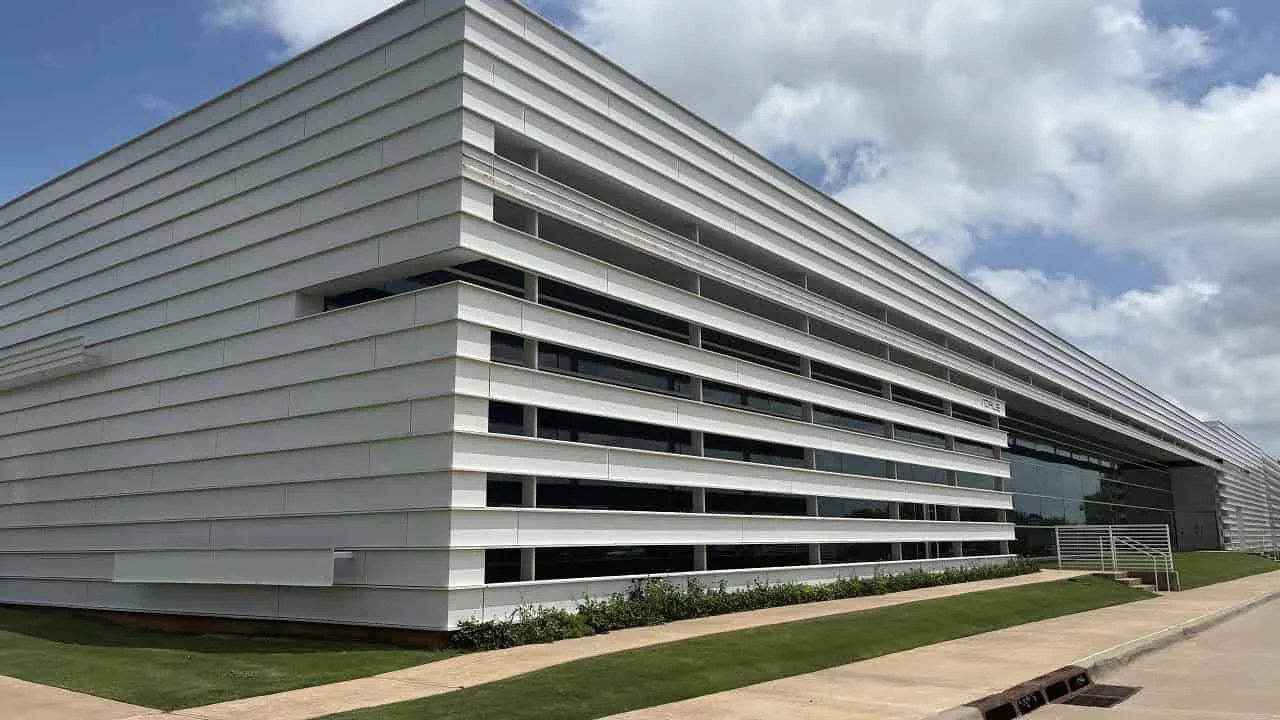
Data Center Roofing in Mesquite, TX
An alarm near a roof penetration calls for a controlled inspection before water reaches network or power equipment. We identify the affected roof section, protect the interior work area, and trace the entry path through seams, curbs, and drainage details. The IH-20 Business Park has planned industrial uses and a possible data center. That planning context does not establish an operating facility. Each project starts with the owner's roof plan, access rules, and equipment protection requirements.
A roof condition inspection records the field condition and any test needed to confirm moisture. We separate a visible symptom from a confirmed repair boundary. The facility director receives a roof-zone plan that respects security controls, service continuity, and the next approved access window.
Which Roof Path Reaches the Equipment Area?
Water may travel across insulation or deck joints before it appears over a rack room or electrical bay. We start with the interior report, roof plans, and any alarm timeline, then inspect the nearest openings and trace uphill. Penetrations, equipment curbs, and perimeter transitions receive separate labels. A ceiling mark is a useful location clue, not the repair limit. The report states what is observed and which opening could confirm a concealed path.
Data-center roofs can carry cooling equipment, conduit, exhaust, and service routes. A drainage and overflow review checks whether water is being held near an equipment zone. We inspect supports and curbs for disturbed flashing, loose fasteners, and changes from recent service work. A temperature-controlled building assessment has its own interior operating constraints, but moisture evidence at either property remains specific to its assembly.
How Is Roof Access Released?
Security procedure is part of the repair sequence. We confirm approved personnel, escort needs, roof-entry points, equipment clearance, and any restricted photography or staging before mobilizing. The facility contact identifies which work zone can be isolated and when the roof hatch can be released. If a test cut or temporary opening is needed, the operator approves the interior protection and monitoring arrangement before the assembly is disturbed.
Mesquite's major routes include I-20, I-30, I-635, SH 352, and US 80. The planned industrial area along IH-20 can inform delivery questions, but the site controls its own security and staging requirements. A roof visit near the IH-20 Business Park still begins with site-specific access instructions. We set arrival, material handling, and escort timing in the work plan so the crew does not reach a secured boundary without authorization. At shift end, the operator and roof lead exchange the current status, any open alarm, temporary protection location, and next approval step. That handoff keeps a secured area from reopening before the roof work zone is released.
What Detail Needs Repair?
We identify the membrane and substrate before selecting a patch or flashing method. A welded seam, adhered lap, metal transition, and curb corner each need compatible preparation. If moisture reaches insulation or the deck, a surface repair may not restore the whole assembly. A test opening helps determine the wet area and removal depth. We record the repair limit and keep any untested section separate in the proposal. Cooling-system changes can also move curbs or add conduit supports, which alters flashing quantities and clearances. Before the next equipment project, we compare the roof detail with the proposed service path and identify whether a temporary disconnect or separate trade is required.
Penetrations can be added or changed during equipment upgrades. We inspect the curb height, membrane return, counterflashing, fasteners, and surrounding walkway before rebuilding the detail. A manufacturing roof review may address production constraints, while a data-center sequence may have different access and monitoring rules. The roofing scope stays with the system observed. A TPO assembly check can confirm membrane-specific details when that material is installed.
How Do Mesquite Conditions Affect the Work?
Weather alerts can be a reason to schedule an exterior review, but an alert cannot show what happened to one roof. After a reported event, we document the actual seam, flashing, drain, and perimeter condition before describing a repair. A possible data-center use is part of a broader set of industrial projects planned for the IH-20 area. That is a land-use possibility, not evidence of an existing facility or any particular roof system. We keep the site report tied to the address inspected and distinguish an observed defect from an item that still needs testing.
The Skyline Logistics Hub is a separate Mesquite district with manufacturing and distribution activity near Big Town and Town East Boulevards. For a data-center project, that reference can help identify the broader delivery area, but it says nothing about secure entry at a specific facility. The operator approves the driver, escort, equipment route, and receiving window. We document those controls with the roof section and list any roof access that remained unavailable during inspection. A service area near the Skyline Logistics Hub is only a geographic reference; security steps come from the site's contact.
What Belongs in the Renewal Record?
Under Mesquite Ordinance 5243, local amendments to the 2024 energy-conservation code took effect in May 2026. The design contact should verify the permit path before deciding insulation, roof height, or attachment. We keep that review separate from the network-protection plan and record the proposed assembly beside questions that could delay material release. We record the proposed assembly and identify the design questions that could change material release. That check is especially useful when equipment supports or penetrations are moved as part of a broader project.
The proposal separates emergency water control, confirmed repair, and renewal assumptions. Cost and timing change with access protocol, monitoring, moisture removal, deck work, and the number of roof zones that can be opened at once. A replacement scope states removal limits, daily dry-in, and change approval for concealed conditions. A capital record can carry recurring details into a future budget year without treating an alarm or storm report as evidence of roof-wide failure.
Commercial Roofing Questions
Can roofing work proceed without interrupting data-center operations?
The operator's access and continuity rules set the work boundary. We coordinate escorts, roof entry, interior monitoring, equipment clearance, and protection before opening the assembly. A small exterior repair may be isolated from critical rooms, while testing or removal can need a broader approval. The work plan lists who releases each step and what remains closed.
What should happen when a moisture alarm follows roof work?
Record the alarm time, affected room, recent equipment changes, and any interior water. We compare that information with the roof plan and inspect nearby seams, curbs, drains, and penetrations. If the path stays concealed, a test opening or survey may be needed. The response separates immediate protection from the permanent repair until the wet boundary is understood.
Do all roof penetrations need replacement during a reroof?
Each curb or penetration is assessed for height, attachment, flashing, and compatibility with the proposed assembly. Sound details may be retained where the design permits; deteriorated or altered ones need a defined correction. We list each item and the conditions that would change the scope after removal, rather than assume all openings are identical.
How do you handle secure access and escorts?
The site contact sets the approved entry process, personnel list, escort timing, and any image or staging restriction. We include those steps in the schedule and identify the person who releases the roof zone. If approval is delayed or the access route changes, the crew holds material movement until the boundary is clear.
Will a storm report show whether the roof is damaged?
A regional alert does not diagnose the building. We inspect the specific roof section for displaced metal, openings, punctures, and water entry, then document the evidence. The record can show which areas were checked and which were inaccessible. A repair is scoped to observed conditions, with additional testing listed when necessary.
Set the Access and Protection Boundary
Send the roof plan, alarm or leak timeline, affected work area, equipment schedule, escort requirements, and safe access window. We will map the roof condition, identify testing needs, and document temporary protection separately from permanent repair.

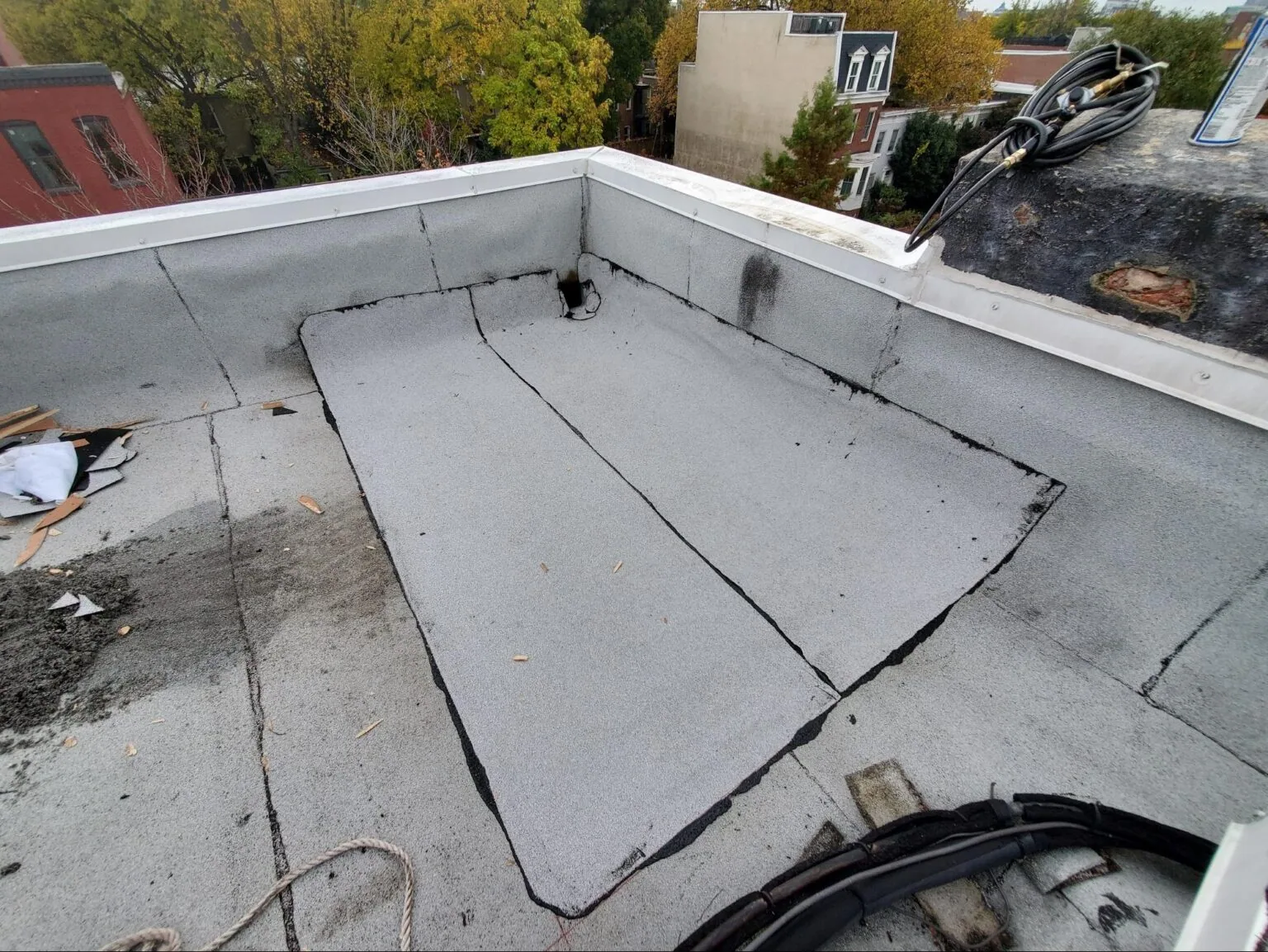
Roof conditions recorded with photos and written findings.