
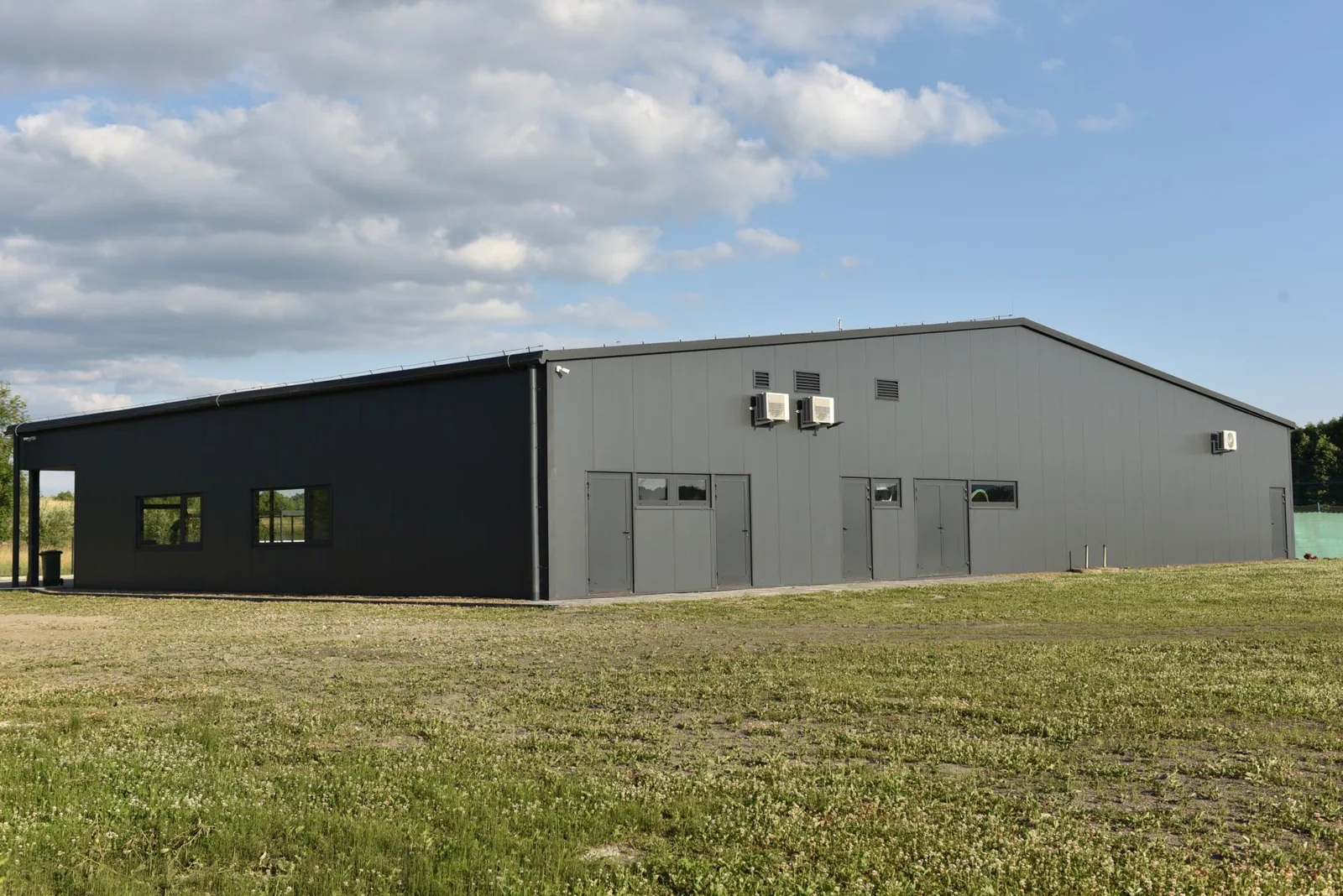
Commercial Roof Capital Planning in Mesquite, TX
A capital request should start with the roof condition, not a calendar guess. We inspect the assembly, map each section, and separate repairs that control active water from work that can be planned for a later window. The recommendation identifies what is confirmed, what needs testing, and what changes the choice between repair, recover, and replacement. That gives ownership a defensible work list without turning an inspection entry into a promise about service life.
Mesquite's industrial and distribution properties near the Skyline Logistics Hub operate with loading and carrier schedules that can affect staging. Towne Centre and Market East bring a different mix of retail, office, industrial, and service activity. The Skyline district roof assessment and a Towne Centre building review both need site-specific access details. We connect those constraints to section-level condition findings before assigning a capital priority.
What Evidence Supports the Budget?
We organize each request around roof sections, observed defects, photos, and the recommended action. A seam opening, wet insulation, failed drain detail, or loose perimeter has a different repair limit and consequence. If testing remains open, the estimate should say which assumption it uses and what a test cut could change. That is more useful than a single condition score because the owner can see both the work and the uncertainty behind it.
A roof with repeated patching may still need focused repair if the surrounding assembly remains dry and attached. A broad moisture pattern or failing deck can move the decision toward removal. We compare the affected area, detail count, insulation condition, drainage, and safe daily work limit. A commercial roof inspection gives the field basis; moisture mapping can guide openings but does not replace confirmation. The request carries those findings forward rather than hiding them in an allowance.
How Should Projects Be Sequenced?
Sequence by risk, access, and operational cost. An active leak above inventory may require temporary protection now, while a stable section can wait for a planned installation period. Where wet material crosses a boundary, we coordinate removal and dry-in by a section that the crew can close within the shift. Roof access, crane needs, occupied space, deliveries, and weather exposure belong in the schedule before a start date is set.
The Skyline industrial district connects Big Town and Town East with the corridor from I-30 to Skyline Boulevard, where operations rely on long-haul carriers. The IH-20 business park near McKenzie Road is planned for industrial and logistics uses. Those contexts make dock release and material movement practical planning items, not roof-condition evidence. We coordinate the actual facility's loading window with its operations lead. A phased occupied-building reroof can separate each roof opening, interior protection step, and end-of-shift dry-in.
When Does Recover Remain an Option?
Recover can reduce tear-off only when the existing roof and structure support another assembly. We check moisture, attachment, existing layers, deck condition, drainage, and curb height before treating it as a budget alternative. Wet insulation, trapped water, poor adhesion, or too many existing layers can rule it out. The report lists the checks that support the option and the field conditions that would stop work or change the scope.
Replacement planning should also account for insulation, edge metal, drain bowls, penetrations, and temporary protection. A membrane price alone misses details that determine how water moves and how the new roof connects to walls and equipment. We compare recover scope with replacement scope by roof section. If a coating is being considered, the substrate and existing membrane must be suitable; coating does not correct wet insulation or failed attachment. The owner receives options with explicit limits rather than a single assumed path.
How Do Weather and Code Affect Timing?
Dallas-Fort Worth summers bring sustained heat, while spring is the region's primary severe-weather period. That seasonal exposure can influence inspection timing, crew hours, temporary dry-in, and how much roof stays open at once. A regional outlook does not establish damage at a specific property. We use current field findings and a safe installation window to set sequence. If a storm response item is open, it stays separate from planned capital work until the roof is inspected.
Under Ordinance 5215, Mesquite's local amendments to the 2024 IBC took effect in November 2025. Ordinance 5244 brought local amendments to the 2024 IEBC in May 2026. Code review belongs in scope development when project conditions call for it; the adopted edition alone does not decide a specific reroof requirement. We identify the permit and assembly questions that need confirmation before procurement. That helps the capital request reserve the right decisions without promising approval. A TPO assembly review can document membrane and flashing choices relevant to a planned project.
What Should Ownership Approve?
Each project line should name the roof section, condition, work type, access assumptions, and open questions. The approval can distinguish immediate stabilization from a permanent project and state who authorizes added deck or insulation work if concealed conditions appear. If an occupied tenant area or dock cannot pause, the schedule should reflect that restriction before materials arrive. Those details make the request executable, not just comparable on a spreadsheet.
For multiple properties, we retain a consistent record format while keeping every recommendation tied to its own inspection. Along South Garland Avenue, commercial and employment reinvestment connects with I-635, while Rowlett identifies employment and mixed-use development across several districts. These are distinct local contexts; neither substitutes for the condition of a Mesquite roof. The asset record carries repair history and follow-up items into the next budget cycle. A transaction survey can serve a different decision when ownership is changing.
Commercial Roofing Questions
Can you give us a replacement date from the roof age?
Age is one input, not the scope. We inspect membrane condition, moisture, attachment, drainage, deck, details, and repair history. Where testing is needed, we identify the open question and its budget effect. The recommendation can then separate a current repair from a future capital allowance without presenting an unsupported replacement year.
How do you compare repair and replacement costs?
We define comparable work limits first. A repair includes its leak boundary and the condition left around it; replacement includes tear-off, substrate, insulation, edge and drain details, protection, and daily dry-in. Recover is considered only when the assembly and code conditions allow it. We present assumptions alongside each option so ownership can see why the totals differ.
Can capital work be divided across fiscal years?
Yes, if each phase leaves a sound, watertight termination and does not strand a known wet section. We map sections, interfaces, and temporary conditions before splitting a project. A phased scope also accounts for remobilization, access, and protection below. We identify what must happen first and what can remain safely scheduled.
What changes a capital request after approval?
Concealed deck damage, confirmed wet insulation beyond the test area, incompatible existing layers, or access limits can change quantities or sequence. We define an approval point before work begins and document the exposed condition with photos. The owner can then authorize the additional scope with a clear reason instead of relying on an informal field change.
Should a storm inspection be a separate budget item?
Keep urgent inspection and temporary water control distinct from a planned replacement request. Spring storms can bring hail, wind, and heavy rain across the Metroplex, but the roof needs a property-level inspection before damage is assigned. We document observed conditions and recommend repair, testing, or monitoring based on that evidence.
Build the Request From Roof Evidence
Send the roof plans, leak history, prior work, access limits, and budget window. We will inspect by section, compare practical repair and renewal options, and state the assumptions that still need field confirmation.
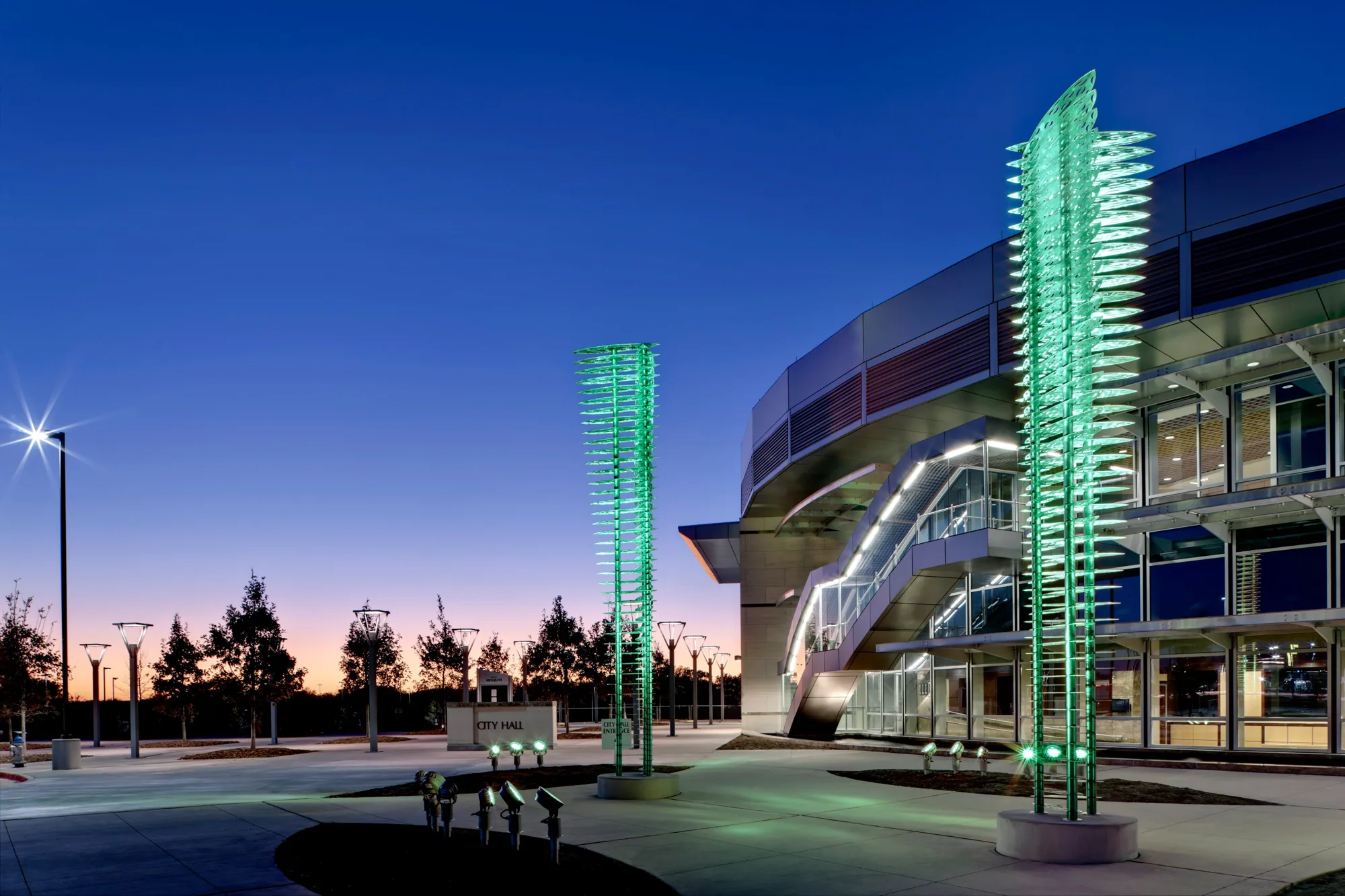
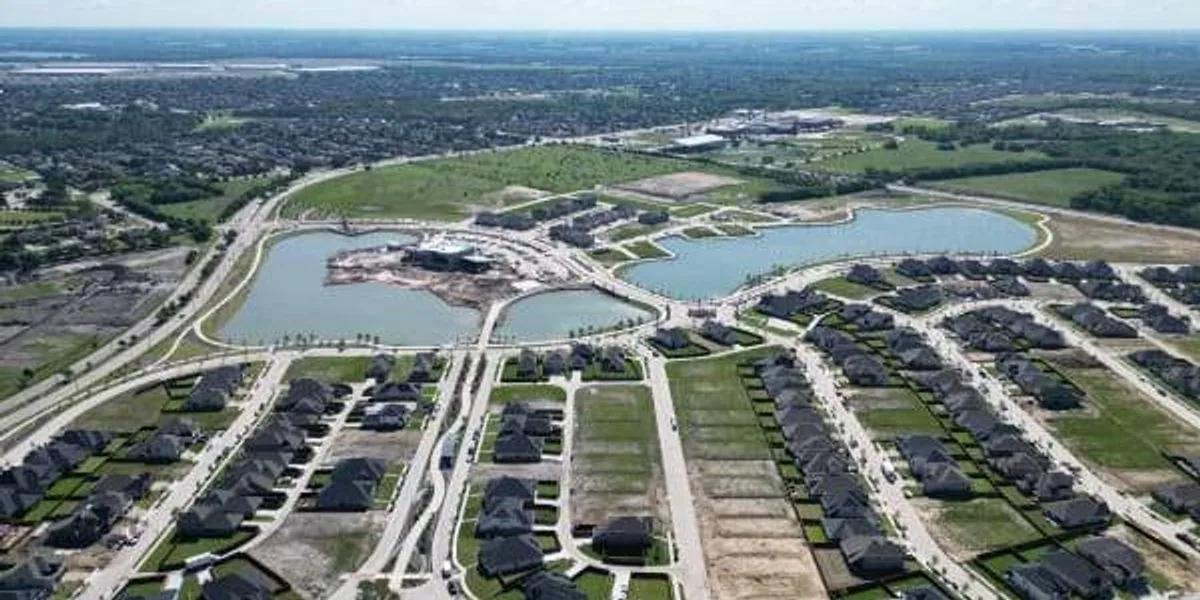
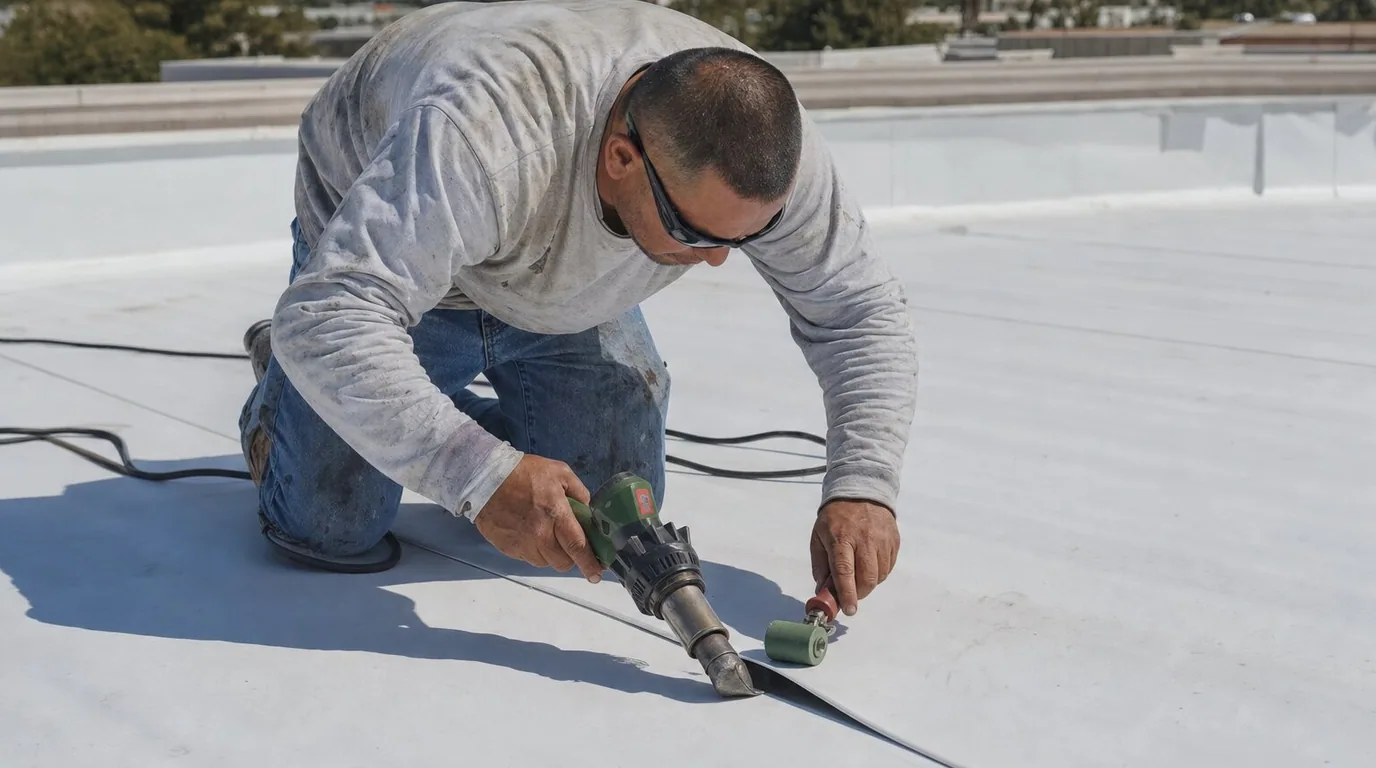
Work planned around the building and its daily operations.