Commercial Roofing in the Alcott Logistics Station District, Mesquite, TX
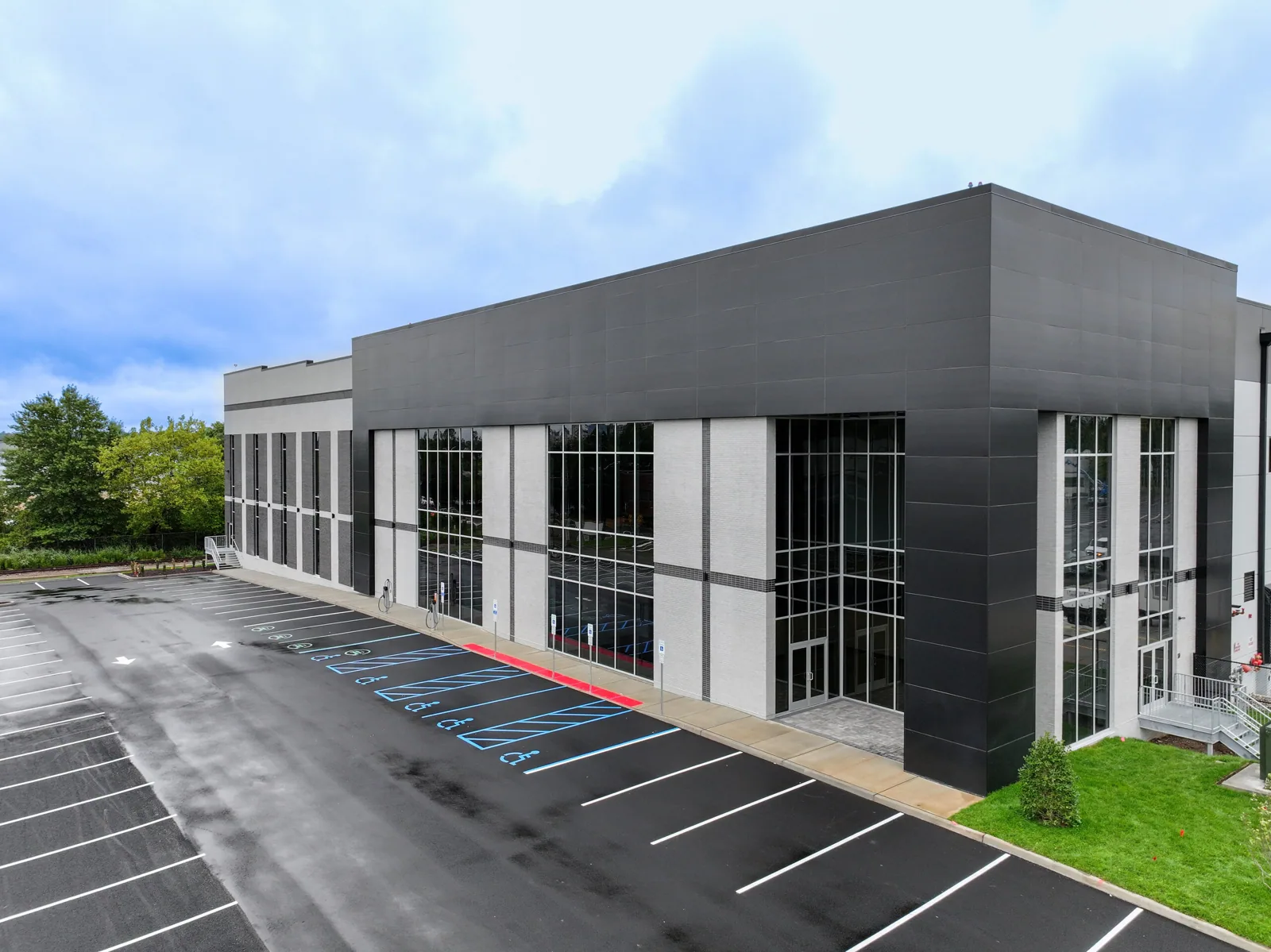
Industrial roof work in the Alcott Logistics Station District calls for a clear boundary between the roof task and the property’s operating plan. We confirm the building contact, safe access route, roof system, and reported condition before setting a repair scope. The planned district covers a broad area southwest of Scyene Road and west of Mesquite Metro Airport. Several industrial buildings are planned in a substantial first phase, with shared outdoor space and trail connections. Because the district is still developing, we confirm the operating status and inspect the roof assembly before recommending work.
At a first visit, we ask whether loading, equipment, or pedestrian routes affect staging. A lift plan that works on one parcel may conflict with access on another. The site representative identifies restricted areas, overhead lines, escorts, and interior spaces requiring protection. We then map the reported leak or damage against drains, curbs, seams, edge details, and the roof plan. Nearby IH-20 Business Park roof service and commercial roofing in the Town East-Skyline district follow the same property-specific review.
How Should an Industrial Roof Visit Be Staged?
Before a crew arrives, we coordinate the entrance, check-in process, lift location, material route, and work window with the property contact. The planned outdoor connections make pedestrian separation worth confirming; we verify current access with the property contact. The manager identifies current boundaries, vehicle movements, and areas to keep clear. We mark the roof work zone and protect the area below.
Roof height, parapets, equipment, and staging distance affect the setup. We verify lift placement, tie-off, weather exposure, and debris removal. If a facility has a controlled production or shipping period, the proposal can divide work into smaller releases. Each segment identifies the roof area, expected duration, protection method, and condition needed before the next section opens. The contact can compare that schedule with site operations.
Our distribution-center roof inspection considers dock timing and the interior use below a leak. For a broader work plan, a roof condition report with marked photos can preserve the location of tested areas and deferred access. The report applies to the observed building, not every planned property.
What Does the First Roof Walk Check?
We begin at the reported symptom and trace the surrounding details. A stain below a curb may originate at the curb flashing, a nearby seam, or a route where water travels before reaching the interior. We inspect the field membrane or coating, laps, penetrations, drains, overflow points, edge metal, and transitions where different materials meet. Photos locate findings on the roof plan. Inaccessible areas are identified as limits, not presented as fully inspected.
Drainage deserves a measured look after rain. We note standing water, debris, blocked strainers, low points, and signs of movement around drain bowls or scuppers. A clogged outlet and depressed deck can require different scopes. We document water depth and extent where practical, then compare the condition with slopes, outlets, and interior evidence. If ponding continues after adjacent areas drain, a ponding-water roof evaluation can define where further testing may change the repair decision.
Mesquite’s hot, humid summers and spring severe-weather season influence what we check on exposed materials. The broader Dallas-Fort Worth region sees damaging wind, hail, flooding, and tornadoes nearly every year, though that does not mean each event affects every property. After a reported storm, a storm-damage inspection can record displaced edges, impact marks, open seams, and debris before a permanent scope is set.
When Can a Targeted Repair Protect the Assembly?
A localized repair is appropriate when the surrounding material remains sound and the failed detail can be tied into stable construction. We identify the membrane, coating, metal panel, or built-up surface before selecting a compatible method. A patch needs clean, prepared material and sufficient sound area around the opening. At a curb or penetration, we trace flashing beyond the visible corner so the proposed repair closes the transition rather than covering one symptom. The written scope names preparation, materials, boundaries, and any adjacent work excluded.
Moisture below the surface can change that plan. A controlled test opening may show whether insulation is wet, attachment has shifted, or a deck needs review. We mark the test location and explain what result would expand the work. If the roof can be repaired in sections, the crew closes each approved boundary before leaving. For a system-specific detail, TPO membrane and flashing service addresses compatible TPO work; the existing assembly must be confirmed first. Where the outlet is part of the failure, drain and scupper repairs can be scoped with the surrounding membrane transitions.
If findings show repeated failures or widespread wet material, the owner can compare selective repair with a larger recovery or replacement scope. A commercial roof replacement plan should use the same roof sections and test results as the repair estimate, making access, removal, and protection differences visible. A single test point does not establish a property-wide condition.
How Do Heat and Storm Windows Affect Timing?
Dallas-Fort Worth summer afternoons can place roof crews and exposed materials under sustained heat. We check the forecast, surface conditions, manufacturer requirements, and the work being performed before opening or bonding a section. Some materials need a specific temperature range or dry surface. If conditions do not support the detail, we protect the opening and reschedule that portion. The visit plan also accounts for wind at roof height, lightning risk, and rain timing, not only the ground-level forecast.
Spring brings a regional increase in thunderstorms and severe-weather risk. After a storm, the roof walk separates fresh marks from existing deterioration when the evidence allows. We note displaced metal, membrane cuts, punctures, blocked drainage, and interior water reports, with photographs and dates. A wind-related assessment may focus on perimeter movement and attachment; temporary protection can limit exposure until a permanent detail is ready. We document temporary protection separately from permanent repairs.
Cost and duration depend on measured area, roof height, system, material access, moisture findings, deck condition, and the number of operating windows. We list those drivers before work so a property contact can plan deliveries and tenant notices. If concealed conditions appear, the crew pauses at the agreed boundary and shares the location and evidence before extending quantities.
What Should the Property File Include After Work?
A useful closeout identifies the repaired section, preparation, installed materials, photos, test results, and any condition left for another visit. We mark the roof plan with completed work and note whether an area was inaccessible. The manager can compare the closeout with the leak report and work boundary. If follow-up is needed, the record names the condition that will trigger it and the contact responsible for scheduling access.
For a multi-building district, records can distinguish each roof’s system, age information when available, previous repair locations, and recurring observations. That supports later budgeting. A roof asset record can organize condition notes and completed scopes over time.
To arrange a Mesquite visit, send the property address, roof plan if available, leak or storm timeline, site contact, and restrictions on lifts or roof entry. We will confirm access, inspect the reported area, and explain the repair options and timing factors supported by the field findings.
Commercial Roofing Questions
Can work be planned while a building remains in use?
Yes, when the property contact approves a safe route and workable release window. We can divide the roof into sections and state what protection and closeout each shift requires.
Does planned district use confirm the roof type at my property?
No. Planned and shared land uses do not establish a specific roof assembly. We identify the installed roof and its condition during the property-level review.
What should I send before scheduling?
Share the address, roof plan, reported leak or storm date, site contact, access rules, and any shipping or pedestrian periods that affect staging.
How do you handle a roof area that cannot be accessed?
We record the limit and its effect on the findings, then ask the contact to approve another access window or a safe method before pricing that section.
Can emergency protection be followed by a permanent repair?
Temporary protection can limit immediate exposure while the system and repair boundary are confirmed. The follow-up visit documents what must be removed or replaced for a lasting detail.
Schedule Commercial Roof Service in the Alcott District
Send the property address, roof plan, reported condition, site contact, and safe access window. We will inspect the assembly and map the work area before recommending a scope.

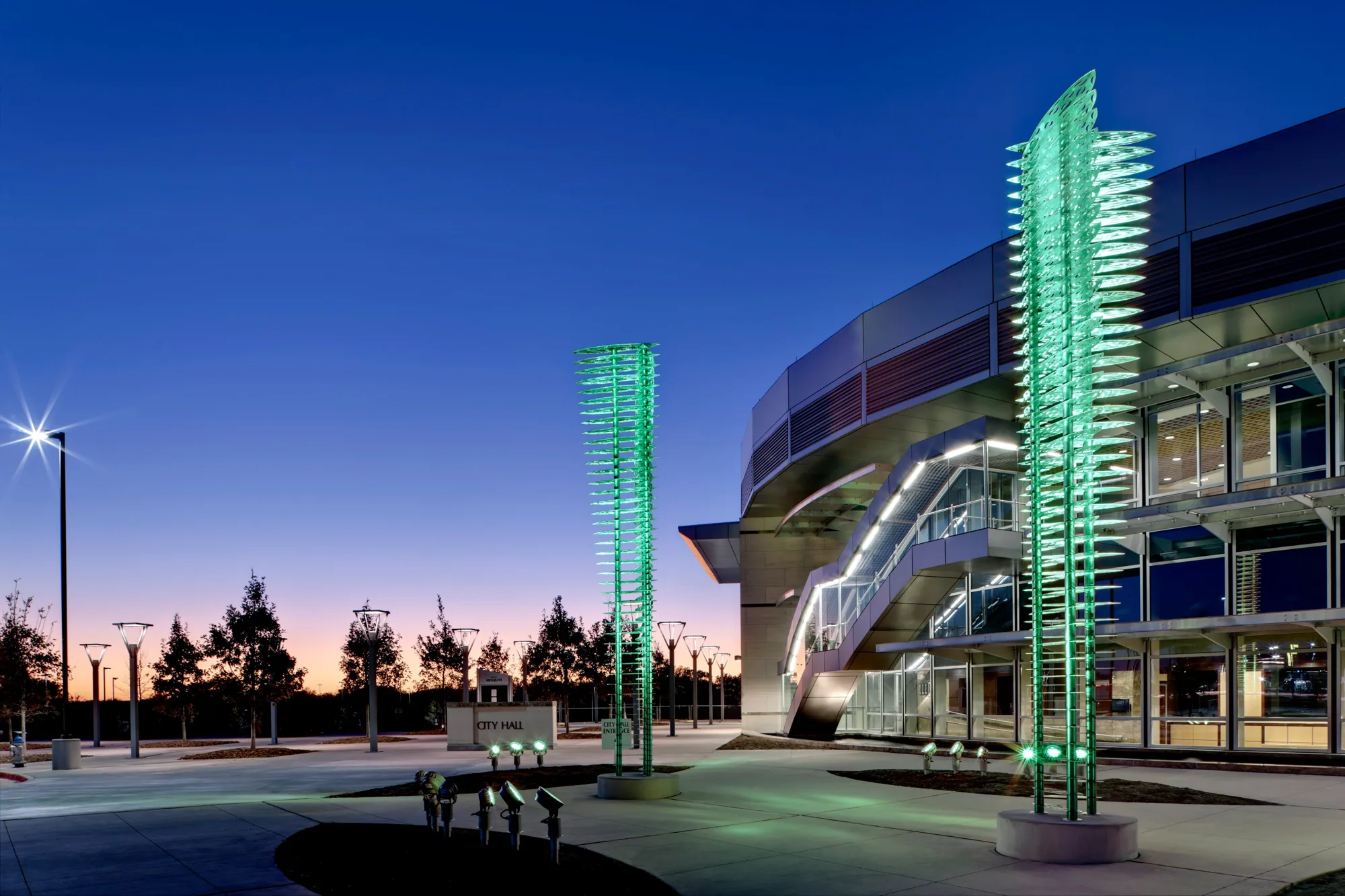
Roof conditions recorded with photos and written findings.