
Commercial Roofing in the Skyline Logistics Hub, Mesquite, TX
A roof serving a business in the Skyline Logistics Hub needs a work plan that respects both the assembly and the operating window. We inspect seams, edge metal, drains, curbs, penetrations, and reported water paths, then map the work zone before materials or lifts arrive. The Hub is an industrial district around Big Town and Town East Boulevards, with manufacturing and distribution activity. That makes site access a real scheduling input. The specific building still determines the roof scope.
The district lies between Interstate 30 and Skyline Boulevard. Businesses there depend heavily on long-haul carriers for shipping and delivery. A roof visit should therefore begin with the property's contact, loading calendar, gate requirements, and safe staging point. We confirm the address and work limits, then sequence inspection or repair around the site contact's instructions.
The first visit follows the symptom: active leak, open seam, loose edge, ponding, impact mark, or aging surface. A commercial roof inspection in the Town East-Skyline Industrial District can coordinate a separate property, while roof service along the U.S. 80 Mesquite Corridor starts with its own access plan.
Which Roof Work Can Fit the Loading Window?
Loading changes where a crew can park, lift material, move debris, and protect the area below a repair. Before a visit, we ask which docks must stay open, when carrier traffic peaks, and whether the roof entrance sits near a vehicle route. If a lift or material drop needs temporary control of an approach, the property representative sets the safe window. Our plan marks the route and affected zone so the roof task does not become an unplanned interruption on the ground.
A leak above a loading area calls for two boundaries: the roof section that can be inspected and the interior area that needs protection. We record active drips, wet ceiling materials, sensitive inventory, and equipment beneath the reported point. Then we trace uphill across the roof to a seam, curb, drain, wall transition, or open edge. Water can travel before it appears indoors, so the visible symptom is a starting location rather than the finished repair limit. A roof condition report with photos keeps the observation identifiable.
If water is entering during a shift, our emergency roof response can evaluate temporary protection. The crew confirms whether the roof can be reached safely, where a cover can be secured, and what must remain clear below. Temporary work is recorded separately from permanent repair. The site lead receives the area covered, remaining exposure, and the next inspection step before operations change over to another shift.
Where Can Mesquite Weather Stress the Roof?
North Texas summer heat and humidity put exposed roofs through repeated surface stress. Regional climate normals put July and August highs in the 90s, with 100-degree days also part of the local pattern. We check seams, coating continuity, edge terminations, curb flashing, and repairs for changes that may affect water control. We also look for trapped moisture below a surface that appears intact. Spring severe weather is a reason to inspect, not a diagnosis for any one roof in the district.
Severe-weather activity in the Dallas-Fort Worth region is most concentrated in spring. The Metroplex sees hail, damaging wind, flooding, and tornadoes in most years; regional hazards do not establish damage at an individual property. After an event, we compare the reported time with debris, displaced components, opened laps, punctures, and interior symptoms at the property. The wind-damage repair inspection can isolate lifted edges, while a hail-damage roof review records impact observations by roof section.
Drainage matters during intense rain. We check the slope to the outlets, the condition of drains or scuppers, and any blockage or membrane movement around them. If water remains after the surrounding surface clears, our ponding-water roof assessment separates a low spot from a damaged assembly. The building's access window and the actual drainage path determine the order of work.
What Does the First Roof Walk Need to Establish?
We identify the roof system before recommending a material. A thermoplastic membrane, EPDM sheet, built-up surface, metal panel, foam system, or coating has different seams and repair details. The inspection notes the visible assembly, prior patches, attachment clues, drainage, penetrations, perimeter conditions, and areas that could not be reached. If the records and field appearance disagree, we flag the point for confirmation rather than extending an assumption to the full building.
At a seam or flashing failure, the repair has to reach stable material and preserve the adjoining detail. At a puncture, we check the substrate and surrounding membrane before setting the patch boundary. At a coating failure, adhesion and moisture condition influence whether restoration can work. If test cuts or moisture readings are appropriate, we explain where the check occurs and what decision the result will change. The owner gets a repair limit that can be matched to the roof plan.
For a membrane assembly, our inspection of a TPO membrane and its field seams can address compatible detailing. A drain and scupper inspection can clarify whether the outlet itself needs work. If wear extends across connected sections, a commercial roof replacement evaluation can compare local repair with a larger scope. Each option names its preparation, access needs, and unresolved condition.
How Is the Work Zone Kept Clear?
We agree on a defined route, staging area, and shift boundary before repair begins. The property contact identifies escort rules, roof entry, overhead hazards, equipment that must remain active, and the interior space below the work. Our crew protects drains and openings from debris, keeps temporary closures within the approved area, and reports any change that expands the repair boundary. If the roof condition requires work beyond the planned window, we secure the site and confirm the next step with the contact.
We confirm the required access time and route with the site representative. At the end of a shift, we identify what was completed, which sections remain open, and where temporary protection ends. The next crew or facility shift should not have to infer the roof status from cones or a tarp.
Cost and timing depend on the measured repair area, roof height, system compatibility, insulation or deck condition, access equipment, weather, and whether operations require phased work. Hidden damage can change the scope after removal. We identify that condition and obtain direction before expanding permanent quantities.
What Should the Facility Record Keep?
Each repair closeout records its roof section, photos, preparation, materials, completed boundary, test results, and any area deferred for later access. If the owner authorizes temporary protection first, that work has its own date and limit. A future maintenance walk can compare the repaired detail with the original condition instead of starting from a vague leak note.
For a visit, provide the building location, marked roof plan, symptom timeline, and constraints on access or loading. We will confirm roof entry with your contact and identify what can be inspected in the approved window.
Commercial Roofing Questions
Can a roof crew work while freight continues through the district?
Yes, when the property contact can define a safe route and work window. We coordinate lift placement, loading access, roof entry, and the interior zone below the repair before the crew stages material.
What should I do when a leak appears over a dock?
Protect the people and goods below first. Send the address, roof plan, active leak location, and next loading window. We trace the roof path and separate temporary water control from the permanent repair scope.
Does an industrial-area address tell you what roof system is installed?
No. The address locates the building, but the roof assembly must be identified in the field or records. We confirm the membrane or panel type, prior repairs, attachment clues, and details before choosing materials.
How do you handle a repair that exceeds one shift?
The crew closes the approved work zone, records the temporary limit, and reports what remains exposed or incomplete. The site contact confirms the next access period before work resumes.
What changes the cost of a commercial roof repair here?
Repair area, roof height, system compatibility, hidden moisture or deck conditions, lift access, and loading restrictions affect scope and timing. We identify those drivers and flag concealed conditions that need owner direction.
Set a Roof Visit Around the Loading Plan
Send the address, roof plan, leak or damage timeline, dock schedule, and safe access window. We will inspect the roof section, define the repair limit, and document the next shift's work zone.
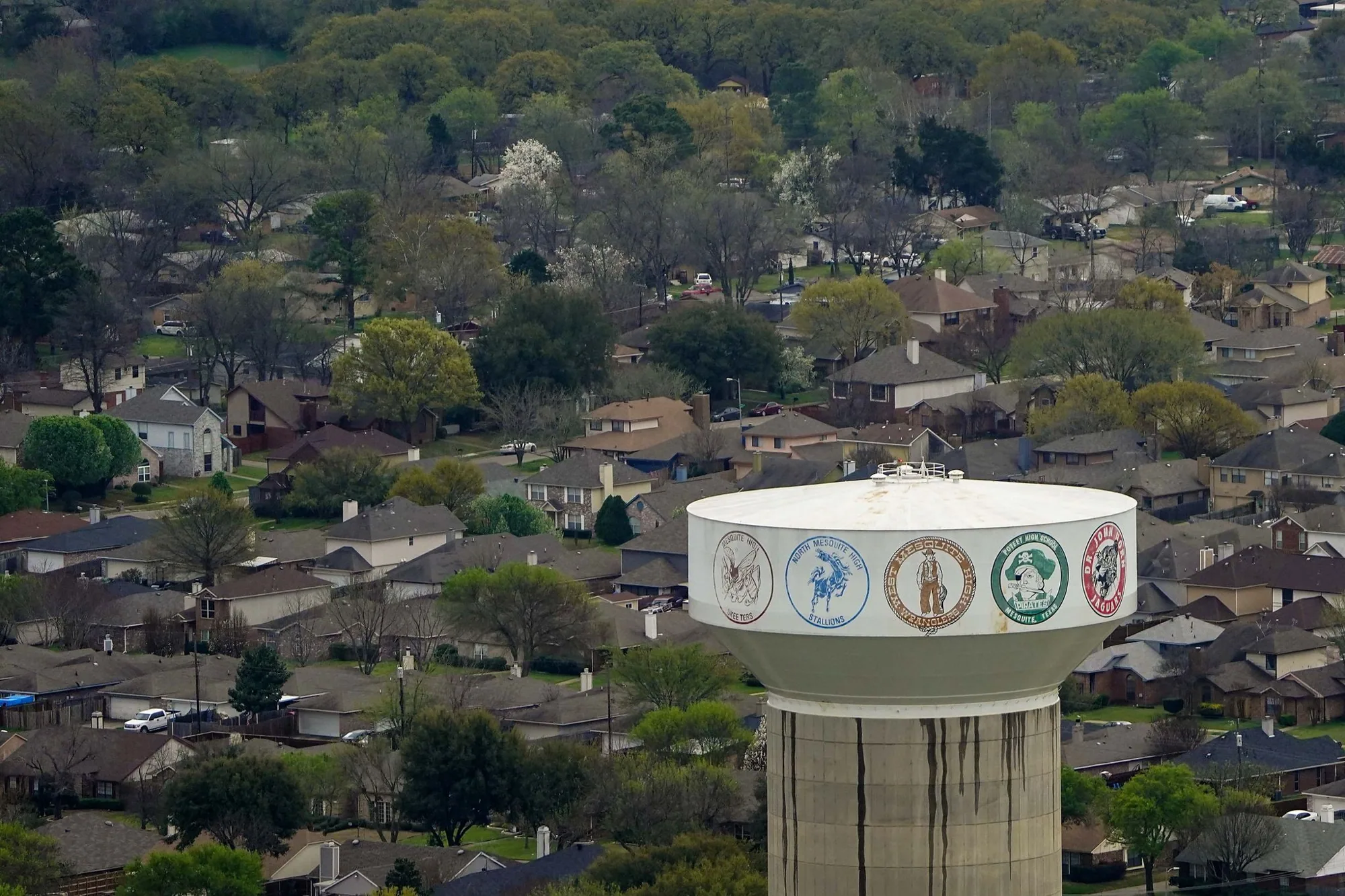
Scope, access and schedule reviewed before work begins.
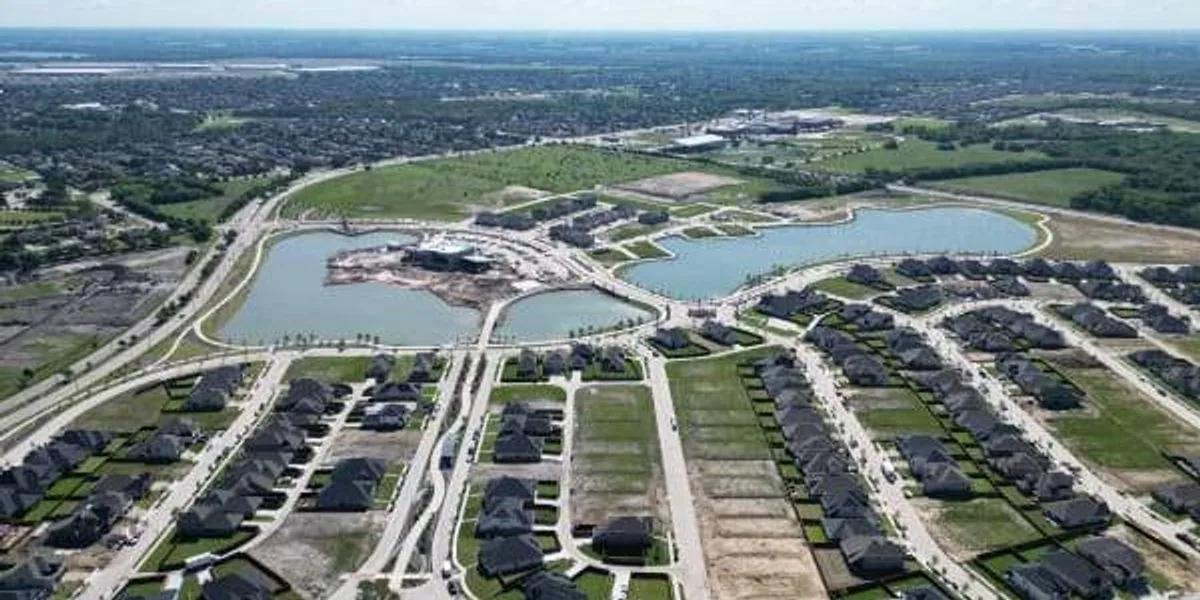
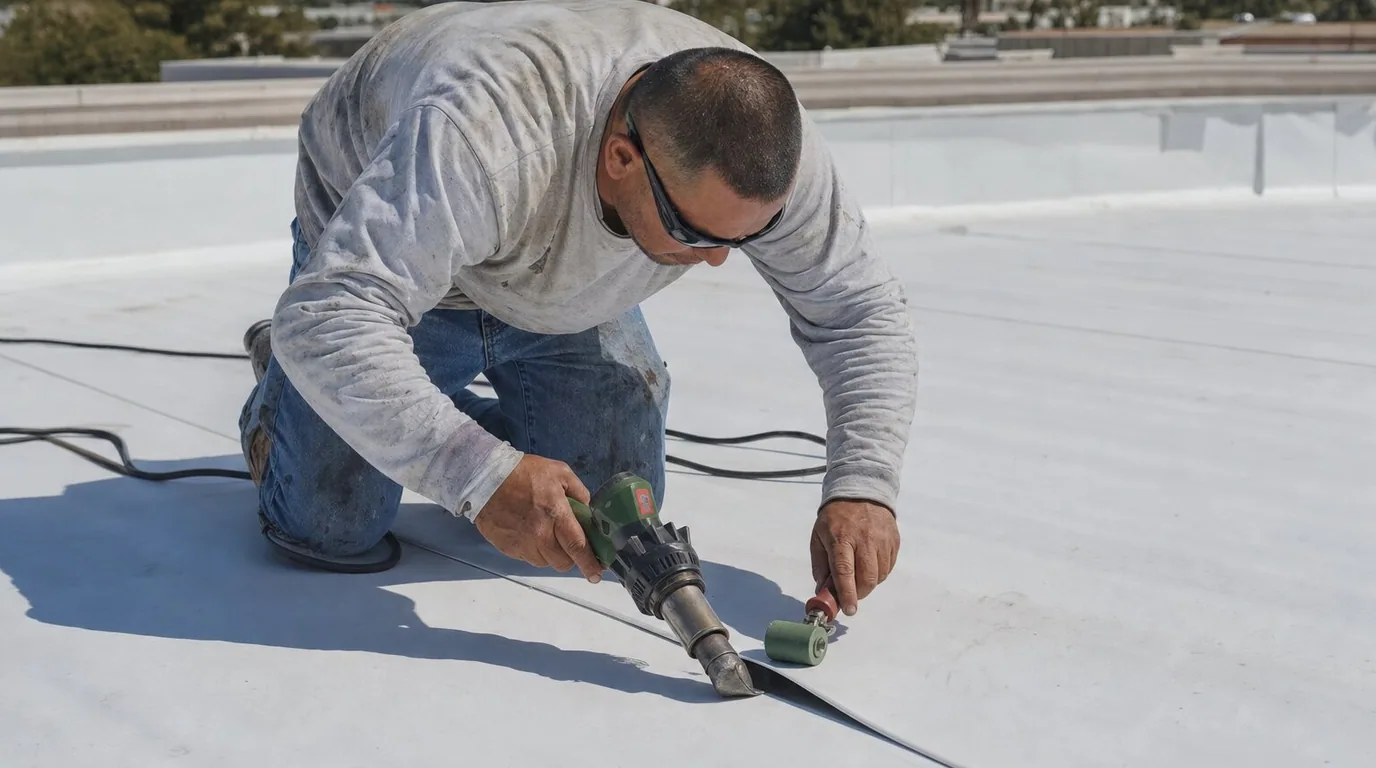
Work planned around the building and its daily operations.