Commercial PVC Roofing in Mesquite, TX
A split weld or loose curb flashing can let water move beneath a PVC roof before the leak appears indoors. We check the seam, field sheet, attachment, and nearby details, then trace the water path. PVC is a thermoplastic single-ply membrane, but the repair still depends on the product, age, surface condition, and existing roof layers. We confirm what is installed before choosing a patch or a broader scope. The owner gets a repair limit tied to the section we inspected.
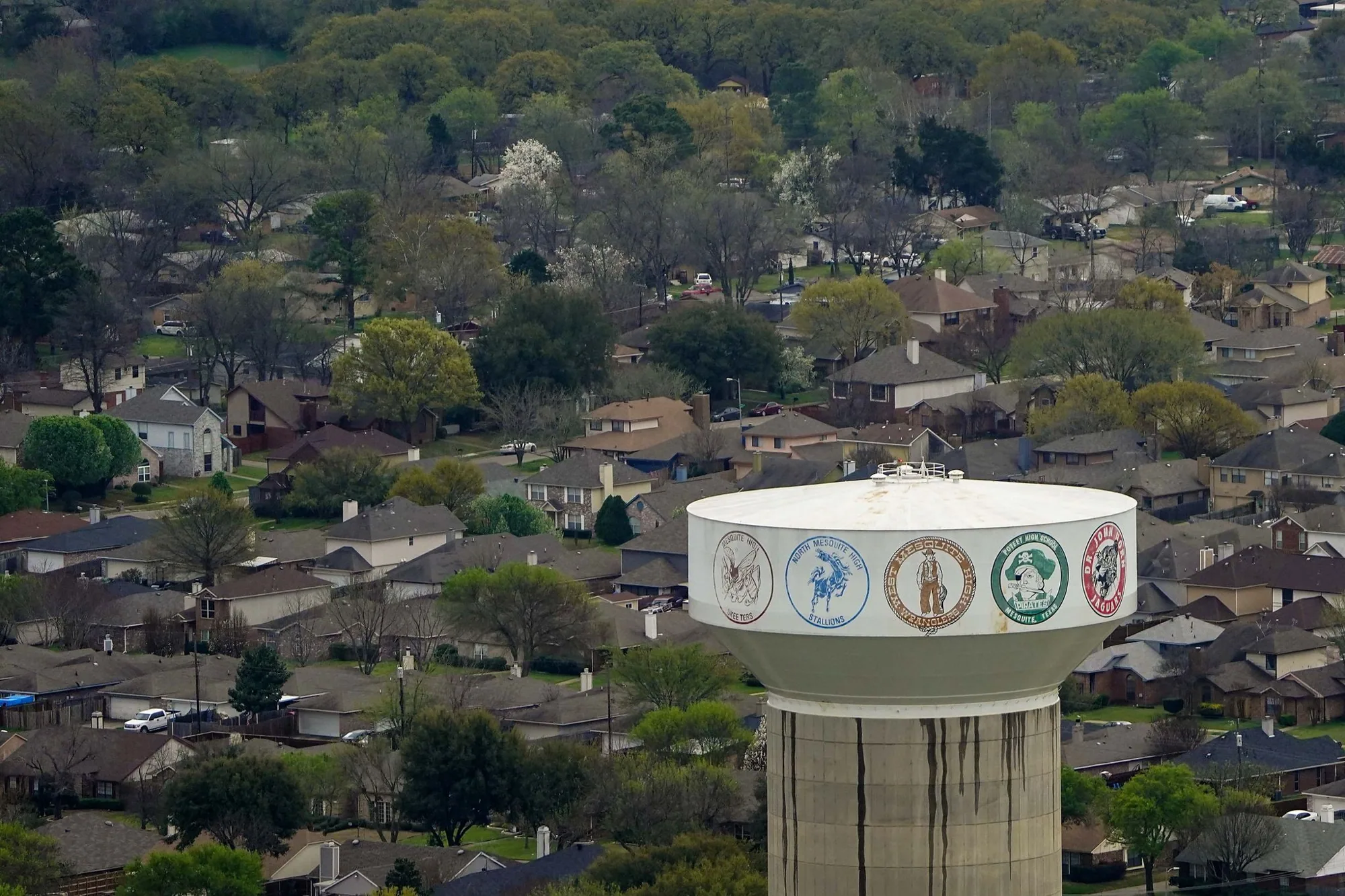
Mesquite properties sit near commercial and freight routes that affect staging and access. Garland's I-30 catalyst corridor runs from Northwest Highway toward Lake Ray Hubbard and includes visible commercial frontage. Balch Springs connects I-20, I-635, and US 175. A PVC roof inspection along Garland I-30 begins with roof records, the membrane, and safe access. If active water is entering, roof repair can protect the interior while the full assembly is reviewed.
What Does a PVC Weld Need to Hold?
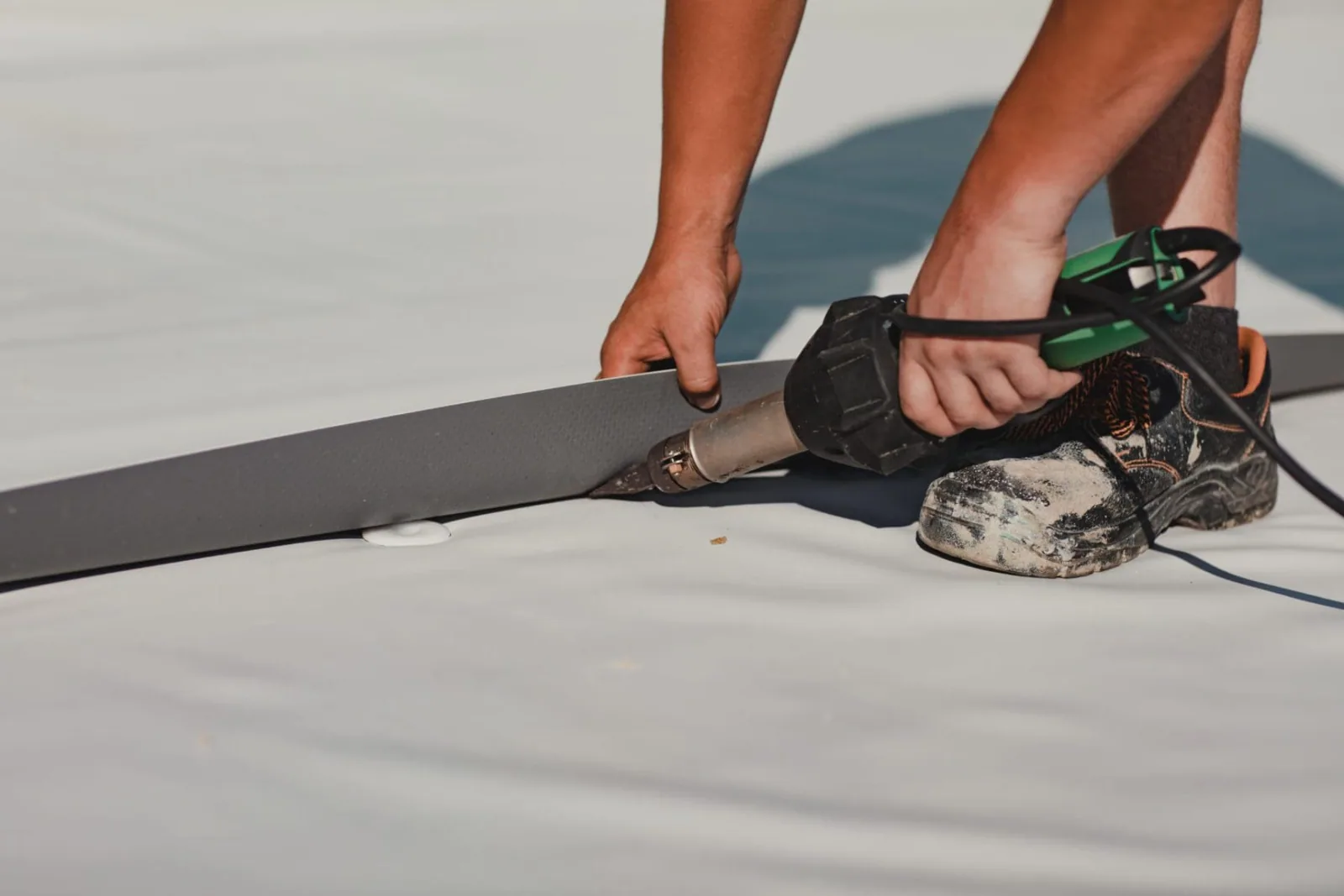
Hot-air welding fuses compatible PVC sheets at the lap. We look for open edges, fishmouths, incomplete welds, contamination, and patches that have released. A probe can find a loose edge, while a test weld helps confirm how the existing surface responds. The crew prepares the area, sets appropriate heat and travel speed, and checks the finished seam. A repair should join clean, compatible material and extend past the visible opening.
Grease, dirt, standing water, and previous coating can complicate adhesion or welding. We inspect the full repair area and check whether the membrane is still attached beneath the seam. A failed patch may point to a detail problem, repeated traffic, or a substrate condition that needs correction. If moisture may be present below the membrane, a moisture survey can help identify test locations before removal.
Heat and humidity affect job conditions, but they do not diagnose a roof by themselves. We monitor the roof surface and follow the system's installation requirements. The Town East Retail and Restaurant Area includes commercial activity where a repair may need to fit around public entrances and service access. We set the work zone with the facility contact and keep the repair focused on the observed PVC detail.
Where Does the Sheet Meet a Curb or Drain?
PVC details are vulnerable where the field membrane turns up a wall, wraps a curb, or meets a drain bowl. We inspect corners, terminations, counterflashing, clamping rings, and transitions between old and new material. A curb may move with vibration or thermal changes. A drain can clog or sit below the surrounding membrane. We correct the cause that the inspection confirms instead of sealing every joint around the equipment.
A roof with grease exhaust or process discharge needs attention to the area where contaminants reach the membrane. We look at discharge paths and cleaning practices before deciding if the material or flashing has been affected. Where runoff crosses a low spot, drainage corrections can address the route toward an outlet. A curb repair may require support and flashing work if movement has opened the membrane transition. The project record distinguishes field seams from detail repairs.
System choices differ even within the thermoplastic family. PVC and TPO use heat-welded seams, but they are not interchangeable for repair without checking material compatibility. A TPO assembly review can help compare system attributes when replacement is under consideration. We identify the installed membrane and keep the repair material compatible with the roof.
How Do Weather and Surface Condition Affect PVC?
DFW summers are hot and humid, and July and August daytime temperatures are commonly in the 90s, sometimes reaching or exceeding 100 degrees. Surface heat affects how crews stage materials and work a seam. We inspect the actual membrane for shrinkage, brittleness, chemical exposure, and prior repairs rather than infer condition from the forecast. Spring storms can bring regional hail, wind, and heavy rain; the roof still needs a field inspection after the event.
Weather also determines whether a repair can be made dry and secure. Moisture at the lap, airborne debris, or wind that affects hot-air welding can change the shift plan. We protect an opened area and finish within the dry-in boundary. A storm damage review can document actual impacts after safe access is available. If the membrane remains sound but needs restoration, a roof coating assessment is considered only when the existing system and product requirements allow it.
When Is a Patch No Longer Enough?
A localized repair may be appropriate when the membrane is firmly attached and surrounding seams remain sound. Widespread open welds, repeated leaks, wet insulation, or poor attachment can require a larger repair or replacement. We map observed defects by roof section and distinguish what is confirmed from what still needs a test cut. The owner can compare a focused patch with selective removal or a full membrane project.
Before a recover, we check existing roof layers, moisture, fastener pullout or adhesion, drain height, and structural limits. A cover layer should not trap wet material or block the drain path. A roof condition inspection can record the assembly and priorities. If the roof is beyond targeted repair, replacement sequencing can account for access, dry-in, and interior protection. The recommendation stays within the boundary of the work reviewed.
Balch Springs' transportation connections may make delivery timing a planning issue for a nearby job, but we confirm the actual route and receiving area with the property contact. Materials should arrive when the crew can stage them safely, not when a loading lane is committed to another operation.
What Should the PVC Roof Record Preserve?
We record the membrane type, repair location, seam or flashing method, materials used, photos, and areas left outside scope. The plan marks drains, curbs, and any test cuts. If the crew found wet insulation or attachment concerns, those observations remain distinct from work completed. The facility can use the record to inspect the same seam after rain and direct future service to the correct roof section.
Routine observation can catch loose edges, punctures, or damaged flashings before water reaches the interior. A KEE membrane comparison can be part of a system discussion if the owner is evaluating options; it does not replace review of the current assembly. The next service visit should check the repaired detail and drainage route, with any additional work listed separately.
Commercial Roofing Questions
Can a PVC roof seam be rewelded?
A seam can often be repaired when the existing membrane is compatible and the surface can be properly prepared. We test the area, remove contamination, and check how the sheet responds to a controlled weld. If the material is brittle, coated, or poorly attached, a patch may need to extend farther or the scope may change. The repair boundary follows the field condition.
Does a leak stain show where the PVC membrane failed?
Not always. Water can travel beneath the sheet, along insulation joints, or across the deck before it reaches an interior opening. We compare the stain with seams, curbs, drains, and uphill roof sections. Moisture mapping and selected test cuts can help confirm the route. The final repair addresses the entry detail and the wet material that needs removal.
Can a PVC roof be coated to solve recurring leaks?
A coating is not a substitute for an open weld, failed flashing, or wet insulation. We identify the membrane, test compatibility, and repair defects before considering restoration. If the system is not suitable or damage is widespread, a repair or replacement scope may be more appropriate. The proposal shows what the coating can address and what remains separate.
How should an owner compare PVC and TPO?
Compare the building's use, existing assembly, chemical exposures, attachment, detailing, and project documents. Both are thermoplastic membranes, but their formulations and approved accessories vary. We identify the system already installed and explain repair compatibility. A new system selection should also account for drainage, equipment, access, and the owner's maintenance plan.
What should be checked after a PVC repair?
The facility should retain the marked location, photos, materials, and repair limit, then inspect the seam and nearby drainage after rain. Watch for movement at curbs and edges, new punctures, or water returning along the same route. If an excluded area remains, keep it on the next inspection list rather than assuming the repair covered it.
Check the Weld and the Assembly Beneath It
Share the roof plan, leak history, prior PVC repairs, and access hours. We will inspect seams, flashings, drainage, and moisture, then define whether repair, recover, or replacement fits the observed condition.
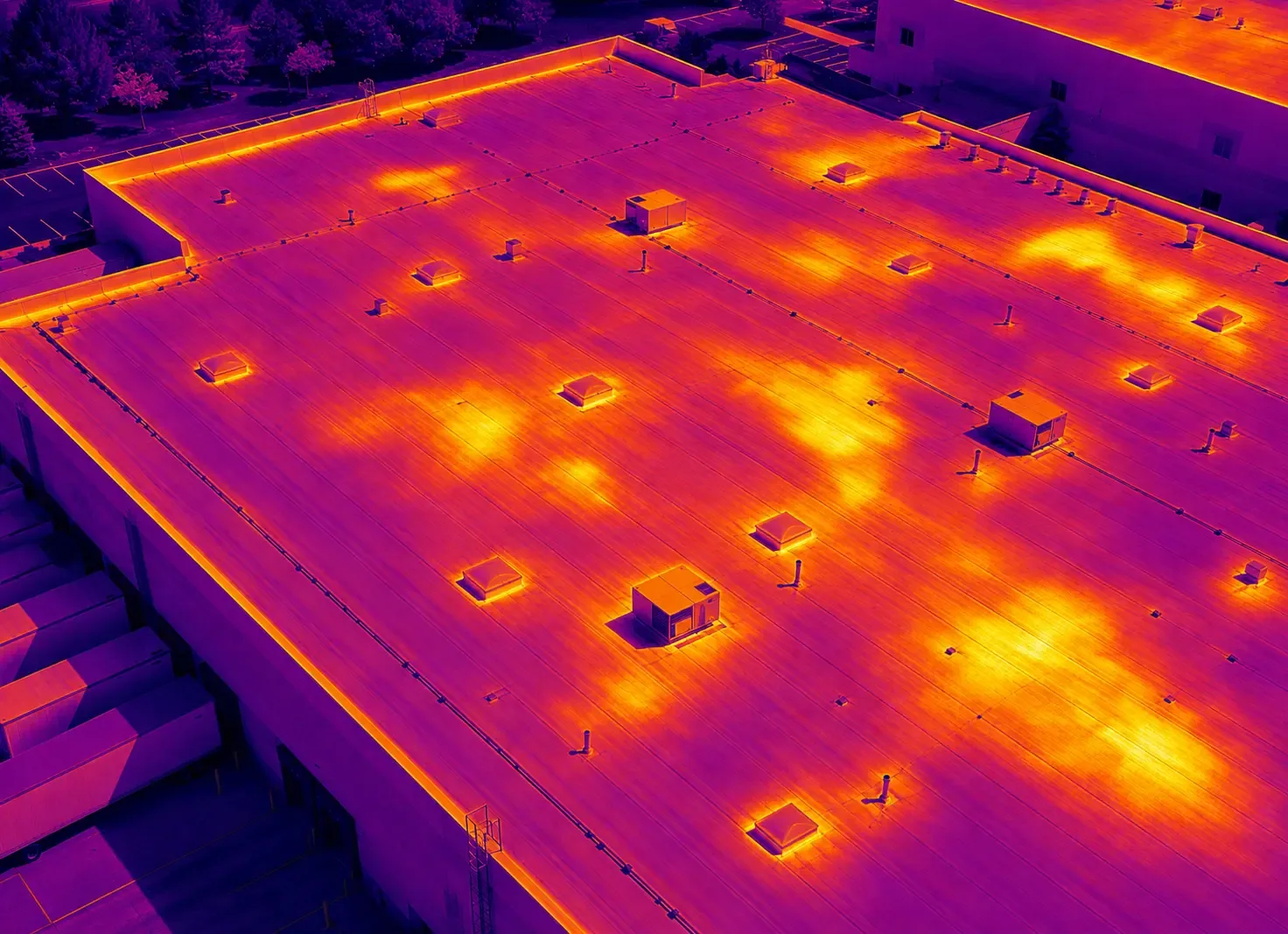
Roof conditions recorded with photos and written findings.