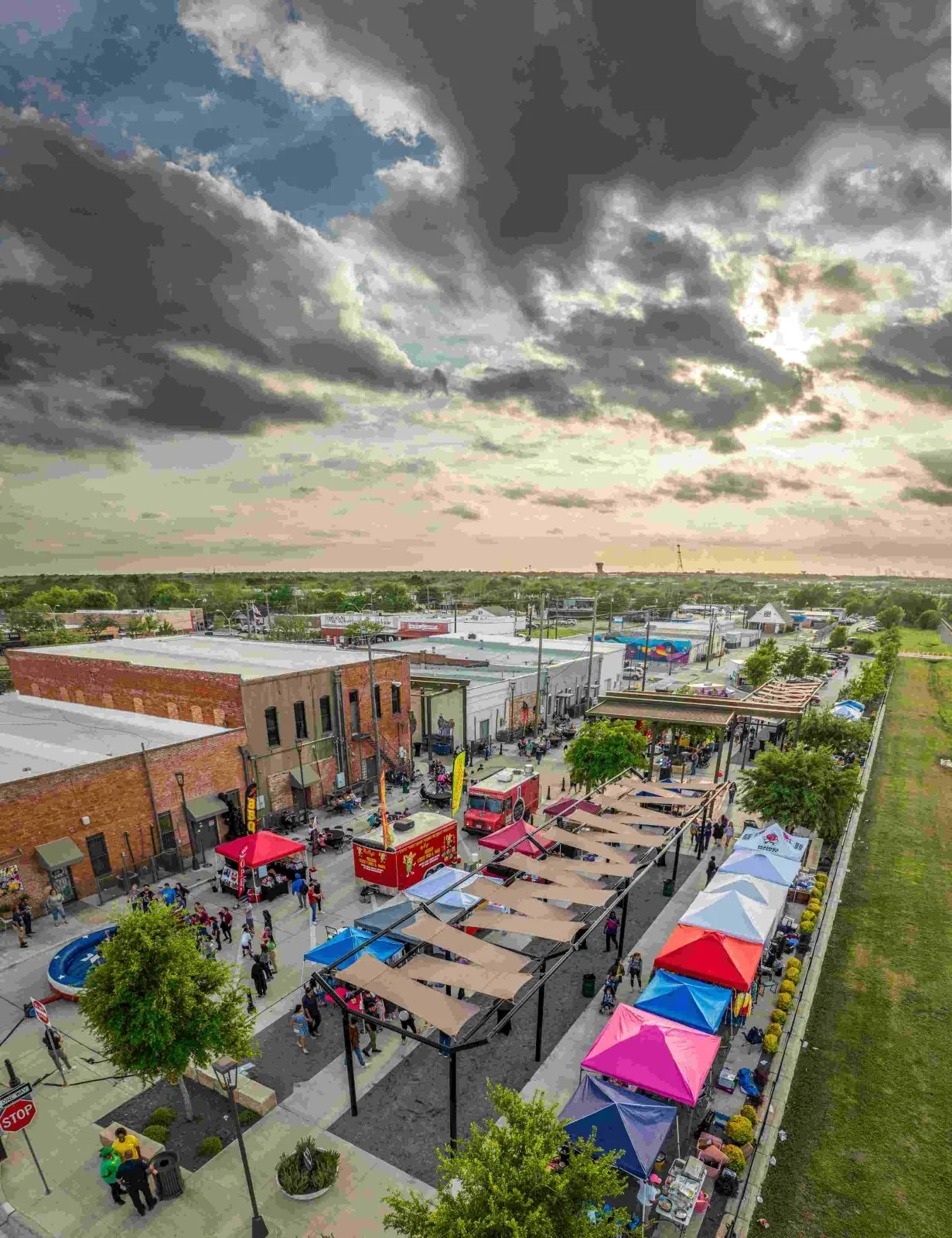
Commercial Roofing in Town East, Mesquite, TX
A dropped ceiling tile below a retail or restaurant roof needs a controlled check above it before the repair area is set. We trace the symptom to a seam, curb, drain, wall transition, or edge, then protect the occupied space below. Town East brings together shopping, restaurants, and entertainment across a connected commercial area. That broad mix makes operating hours and public access part of the work plan, while the individual building and roof assembly decide the scope.
The overlay serves a major business center in eastern Dallas County and changes some underlying zoning rules across the larger area. That is useful context for planning access, not evidence about the age or construction of a particular roof. We confirm the property contact, roof plan, loading or delivery schedule, and any entrance that must stay open. A Town East-Skyline industrial inspection has different ground constraints; a Downtown Mesquite roof visit is coordinated with its own building team.
What Should the First Roof Walk Check?
We start with where water appeared, when it began, and what sits below it. A restaurant may need protection around food-service or equipment space. A retail operator may need an entrance and customer route left clear. We do not infer those conditions from the district name. The site contact identifies the affected rooms and activity, then we set a safe roof route and work zone.
The roof walk follows the reported leak uphill. We inspect seams, penetrations, curb flashing, drain bowls, scuppers, transitions, and previous repairs near that path. Water can travel along the deck or insulation, so a ceiling mark does not establish the entry point. We identify the visible assembly and compare it with the roof records. If moisture readings or a test opening would change the repair decision, we mark the location and explain the next check.
Town East's larger area contains different development conditions under its underlying zoning and overlay rules. Those rules do not tell us which membrane or panel is installed at an address. We inspect the roof itself before selecting compatible material. A commercial roof inspection can document the assembly and repair limit, while drain and scupper service can address an outlet issue when the field check confirms it.
What Does the Weather Put Under More Pressure?
Humidity accompanies the long North Texas summer; July and August afternoons in Dallas-Fort Worth commonly run above 90 degrees, and some days cross 100. On exposed roofs, we inspect sealant, coating, seams, edge metal, and curb flashing for changes that can affect water control. Heat informs where we look; it does not diagnose the roof. The condition of the surface, attachment, and insulation sets the repair boundary.
Spring brings the region's strongest thunderstorm and severe-weather activity. The Metroplex sees large hail, damaging winds, flooding, and tornadoes nearly every year, although no single location sees every type annually. A report of a storm starts an inspection, not an assumption that the whole roof was damaged. We photograph openings, impact marks, shifted edges, and debris by section. The owner can compare those observations with the event timeline and interior symptoms. A hail damage roof inspection or wind damage assessment can focus the visit.
Heavy rain tests the drainage path. We check slope to outlets, overflow points, and membrane transitions at drains. A blocked bowl, a depressed section, and wet insulation call for different work. If water remains after adjacent roof areas dry, we map the low area and determine whether testing is needed before patching or coating. A repair should not hide a drainage problem that will keep loading the same roof section.
How Can Work Stay Out of the Customer Route?
Retail, dining, and entertainment uses can have separate busy periods. The property manager selects a route, staging point, and work window that avoid entrances and deliveries. We confirm whether a lift, material drop, or debris movement crosses an active pedestrian path. The crew marks and protects the ground area below. If an entrance cannot be isolated safely, we adjust the sequence.
For a leak over kitchen or dining equipment, the contact identifies what must remain powered and which interior area needs protection. We keep the work boundary, weather conditions, and temporary closure clear. If work spans shifts, the closeout states what was sealed, what remains exposed, and the next access period.
Cost and timing depend on measured area, roof height, compatible material, moisture or deck findings, lift access, weather, and work windows. A concealed condition may enlarge the repair after removal. We document the location and pause for direction before adding permanent scope. For active water entry, emergency roof repair can address immediate protection while the inspection defines the lasting work.
When Does the Roof Need More Than a Patch?
A local repair works when the membrane, metal, or built-up surface around the failure remains stable and dry enough for a sound tie-in. We prepare the area, repair the opening, and check the nearby detail that shares its water path. A coating needs a compatible substrate and suitable adhesion. A panel roof needs its seam and fastener condition checked. The method follows the installed roof, not the property use.
Repeated leaks, multiple openings, or moisture extending beneath the surface may call for a broader comparison. We separate what is confirmed from what remains concealed, then lay out repair, recover, or replacement against the same roof plan. The owner can see the included area, any test allowance, and the protection needed for occupied space. We do not treat a coating as a fix for a wet assembly or a drainage correction as a membrane repair.
Mesquite's local industry strengths include retail, food processing, manufacturing, distribution, and logistics. Those activities make roof work timing and access practical concerns across the market, but they do not establish a particular building's roof type. A replacement evaluation can help compare a recurring repair with a larger section when field conditions support that discussion. A photo condition record keeps the basis for that decision with the owner.
What Should the Property File Keep?
The final record identifies the roof section, assembly, observed defect, preparation, repair materials, and completed tie-in. Photos show the before and after condition. Any area that could not be reached or needs later testing remains separate from the repaired boundary. If temporary protection was used, its limit and next step are stated so an operator does not confuse it with a permanent repair.
For a multi-tenant property, the manager can tie each condition to a roof-plan reference and affected interior area. That record helps keep repair decisions consistent without assuming that every part of the property has the same condition.
To arrange a roof walk, send the property address, roof plan, leak or event timeline, affected area, and approved access window. Include delivery limits and customer routes that must stay open. We can inspect the right section, mark the repair limit, and document what the next work window needs.
Commercial Roofing Questions
Can roofing work proceed while the store or restaurant is open?
It can when the site contact approves a safe route and work window. We plan staging, lift access, protection below, deliveries, and entrances before the crew arrives. If a route cannot be isolated, the work can be resequenced.
Does Town East's overlay tell you the roof system on a property?
No. The overlay addresses land-use rules across a broad business district. We identify the actual roof assembly from site records and field details before choosing repair materials.
What should I do if a leak appears over kitchen equipment?
Protect people and equipment below, then share the time, location, roof plan, and access contact. We trace the water path from the symptom and separate immediate protection from the permanent repair.
Does severe weather mean the whole retail roof needs replacement?
No. A regional storm history does not establish damage at one address. We document the affected roof section, check the assembly and insulation, and compare a local repair with larger options only when findings call for it.
How does the crew handle work that continues into another shift?
The closeout identifies the completed section, temporary boundary, remaining exposure, and next approved access window. The property contact receives that status before customer or staff routes change.
Schedule Around the Business Day
Send the property address, roof plan, symptom timeline, affected area, and access window. We will inspect the roof section, define a safe work zone, and document the repair choice.
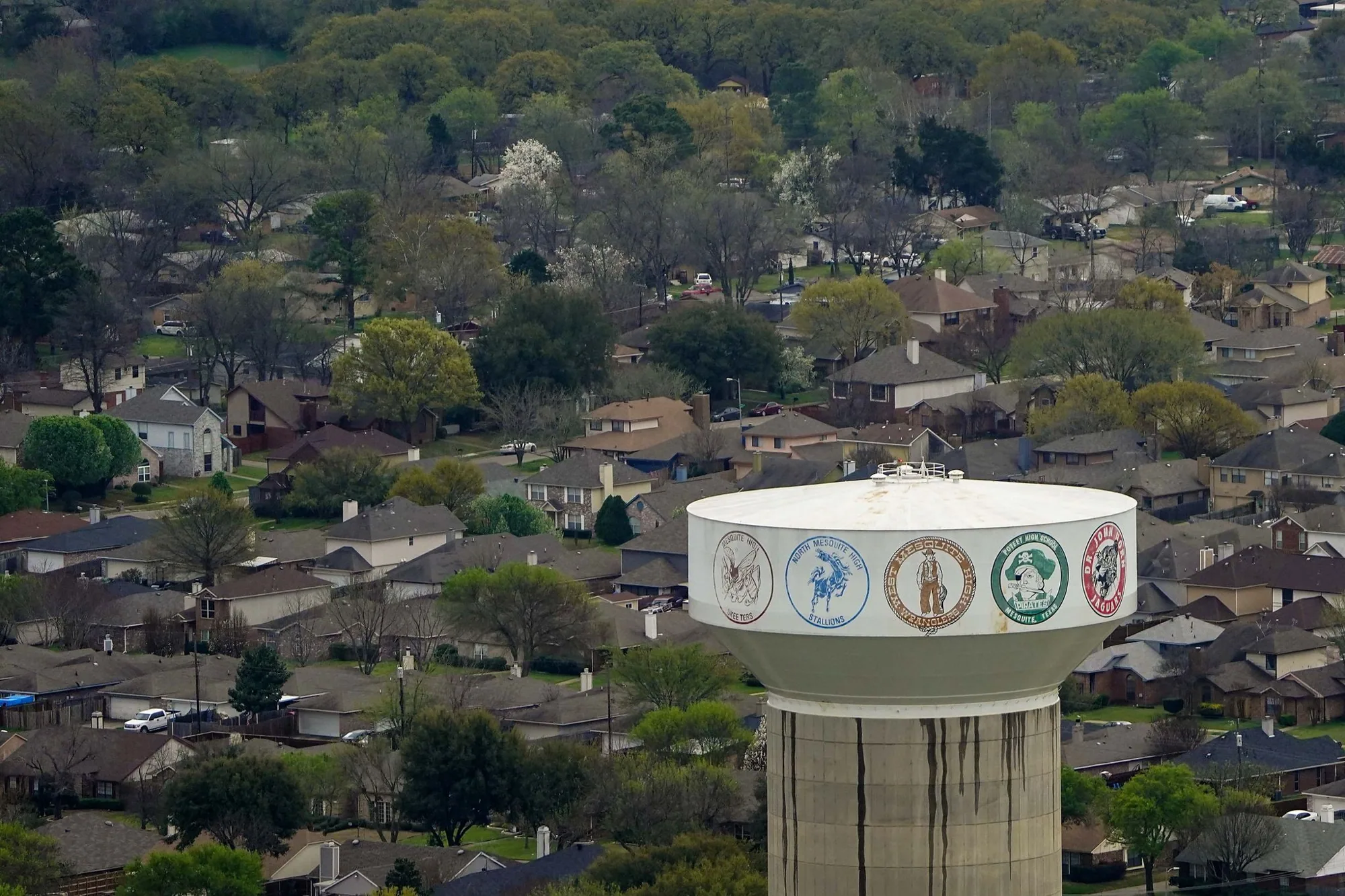
Scope, access and schedule reviewed before work begins.