
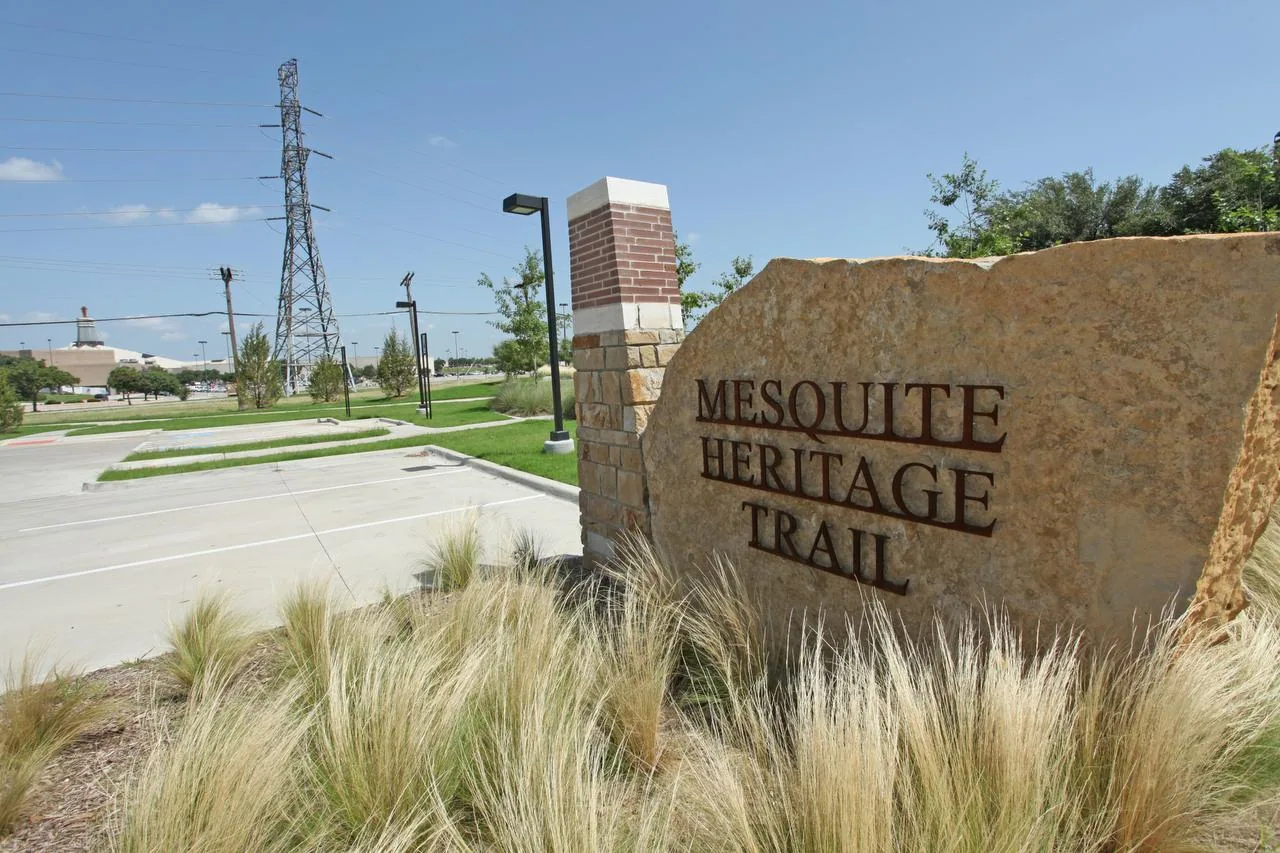
Commercial Roofing in Towne Centre and Market East, Mesquite, TX
Retail, office, industrial, and service properties in Towne Centre and Market East call for roof scopes that fit each building’s use. The reinvestment area supports the Town East retail district and commercial redevelopment along Interstate 635; its boundaries were later expanded to include Market East and greater Downtown Mesquite. Across roughly 1,188 acres, the district includes several kinds of business activity. That context does not establish a property’s roof type or condition; we confirm details with the site contact.
At the first visit, we verify the address, access permission, roof system, reported leak or storm date, and areas that need protection below. Storefront hours, office access controls, service deliveries, and industrial movement can require different work windows. We ask the property representative which entrances, parking areas, or pedestrian routes must remain open, then stage materials only within the approved boundary. For comparison, commercial roof service in Urban District 30 and roofing in the Town East-Skyline industrial district each need their own access review; no two sites inherit the same schedule.
How Does the Building Use Shape the Work Plan?
A retail property may need a quiet window before opening, while an office site can require escort access or notice to occupants. A service operation may need a clear route for deliveries. We do not assume which condition applies based on the district name. The site contact confirms active areas, roof access, staging limits, lift routes, and any equipment or interior space that cannot be interrupted.
We map the approved roof area before moving tools. The plan marks where the crew enters, where materials are staged, how debris is removed, and what protection is required below. If the repair is near an entrance, loading point, or outdoor seating area, the contact can approve a barrier or alternate route. We identify how the area will be returned to use at the end of each shift and who will confirm the handoff.
Mixed-use commercial sites can have separate owners, managers, or occupants. We verify who may authorize roof access and scope changes rather than treating a tenant request as a release. A roof condition report with photos and marked locations can help keep observations tied to the correct building. For a shopping or office property, shopping-center roof inspection and repair can address customer access and interior protection as part of the field review.
What Is Checked During the Roof Inspection?
We start near the reported symptom and inspect the nearby field surface and transitions. The walk may include membrane laps, metal seams, curbs, penetrations, drains, scuppers, parapets, and edge details, depending on the installed system. We look for open joints, displaced components, cracked coating, punctures, debris, and signs of water movement. The report separates visible conditions from areas that need a test opening or another access method.
Interior evidence can help narrow the search. A stain, active drip, or ceiling change is recorded with the room or area provided by the property contact. Roof slope and framing may carry water away from the opening, so we compare the interior report with the roof plan and visible drainage paths. If a low area holds water after nearby areas drain, a ponding-water roof review can map the condition and identify whether testing below the membrane could change the repair scope.
Drainage details matter on commercial roofs with broad field areas. We check strainers, drain bowls, scupper openings, overflow routes, and debris that may obstruct flow. We document the water path before suggesting cleaning, a local repair, or a broader correction. The goal is to distinguish an isolated blockage from a roof condition that needs more investigation, not to promise that one maintenance task will resolve every leak.
Which Repairs Fit the Observed Roof Condition?
A targeted repair may be suitable if the surrounding material is stable and the failed detail can be tied into sound construction. We identify whether the roof is membrane, metal, coating, or another assembly before choosing a compatible method. At a penetration, the work may include removing failed sealant and rebuilding the flashing transition. At a seam, the scope can call for preparation and a compatible patch or detail. The proposal states what is included, what remains, and the boundary where additional owner approval is needed.
If moisture is suspected beneath the surface, a test opening can clarify the insulation and deck condition. The location and result are photographed, and any expanded quantity is separated from confirmed work. Where failures repeat or wet material extends beyond the leak location, the owner can compare a repair with recover or replacement options. Compare options using consistent roof sections, access, and protection assumptions. A commercial roof replacement scope can make those differences visible without turning one leak report into a whole-property recommendation.
System-specific work follows identification of the installed product and detail. TPO roofing service may address a TPO membrane repair, while a metal roof requires attention to panels, fasteners, and transitions. If water is entering during an active event, a temporary emergency roof response can limit exposure while a permanent repair is planned. We record temporary protection separately from completed work.
How Can Weather Affect Roof Work Timing?
Mesquite shares Dallas-Fort Worth’s hot, humid summers. July and August daytime temperatures are commonly in the 90s and may exceed 100 degrees. Heat affects surfaces, crew exposure, and material handling. We check product requirements and the forecast before opening a section; wet or unsafe conditions call for protection and a revised sequence.
Severe-weather activity rises in spring across Dallas-Fort Worth. Local risk includes hail, damaging wind, flooding, and tornadoes in most years, but a regional pattern cannot establish what happened at an individual roof. After a reported storm, we inspect the affected roof for displaced edges, impact marks, open laps, punctures, and debris. The findings are documented by location; a storm-damage roof inspection can help distinguish observed conditions from damage that requires further testing.
Duration and cost depend on measured area, roof height, system, access equipment, material availability, moisture or deck findings, and work windows. A business that cannot close during the day may need phased or off-hour work, which changes crew sequencing. We list the assumptions and confirm them with the property contact before materials or equipment are scheduled.
What Should Be Recorded After the Work?
Closeout should identify the roof section, work boundary, preparation, materials, photos, test results, and any item deferred for access. We mark completed areas on the roof plan and note protection that remains in place. For a property with different activities, the record should make clear which entrance or interior area was affected and who accepted the handoff. A manager can then compare the completed work with the original report without relying on memory.
Records should distinguish completed repairs from conditions still under observation. We keep the note specific to the inspected assembly and avoid assigning an interval or remaining life without supporting condition evidence.
To schedule a Mesquite visit in Towne Centre, Market East, or greater Downtown Mesquite, send the property address, roof plan if available, reported condition, site contact, and safe access window. We will confirm the work limits, inspect the approved area, and explain the options supported by the field findings.
Commercial Roofing Questions
Can roof work happen while a retail property remains open?
Possibly. We need the property contact to approve access, barriers, and a work window that protects customers and staff. The visit plan identifies the affected area and route.
Does the Towne Centre district use one roof system?
No. Its broad mix of retail, office, industrial, and service activity does not establish the assembly on an individual building. We identify the installed system before pricing repairs.
What information helps locate a leak?
Provide the room or area, when water appeared, photos if available, and a roof plan. We compare that report with slopes, penetrations, seams, and drainage details.
Do you inspect all roofs within Market East during one visit?
The visit covers the property and roof sections authorized by the owner or manager. Separate buildings need their own access approval and condition findings.
Can you protect an active leak before permanent repairs?
Temporary protection may reduce exposure while we confirm the assembly and permanent repair boundary. The closeout states what was protected and what follow-up remains.
Arrange Commercial Roofing in Towne Centre and Market East
Share the property address, roof plan, reported condition, site contact, and access window. We will confirm the visit and inspect the approved roof area.
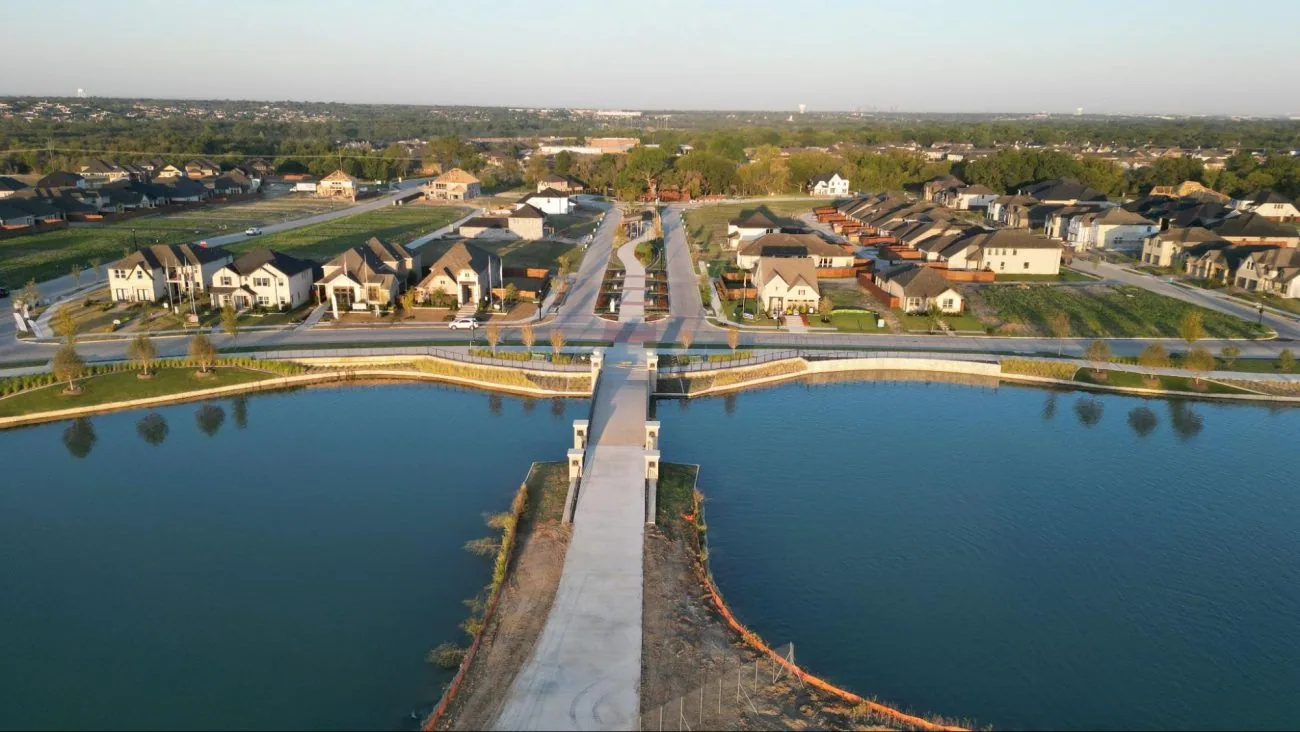
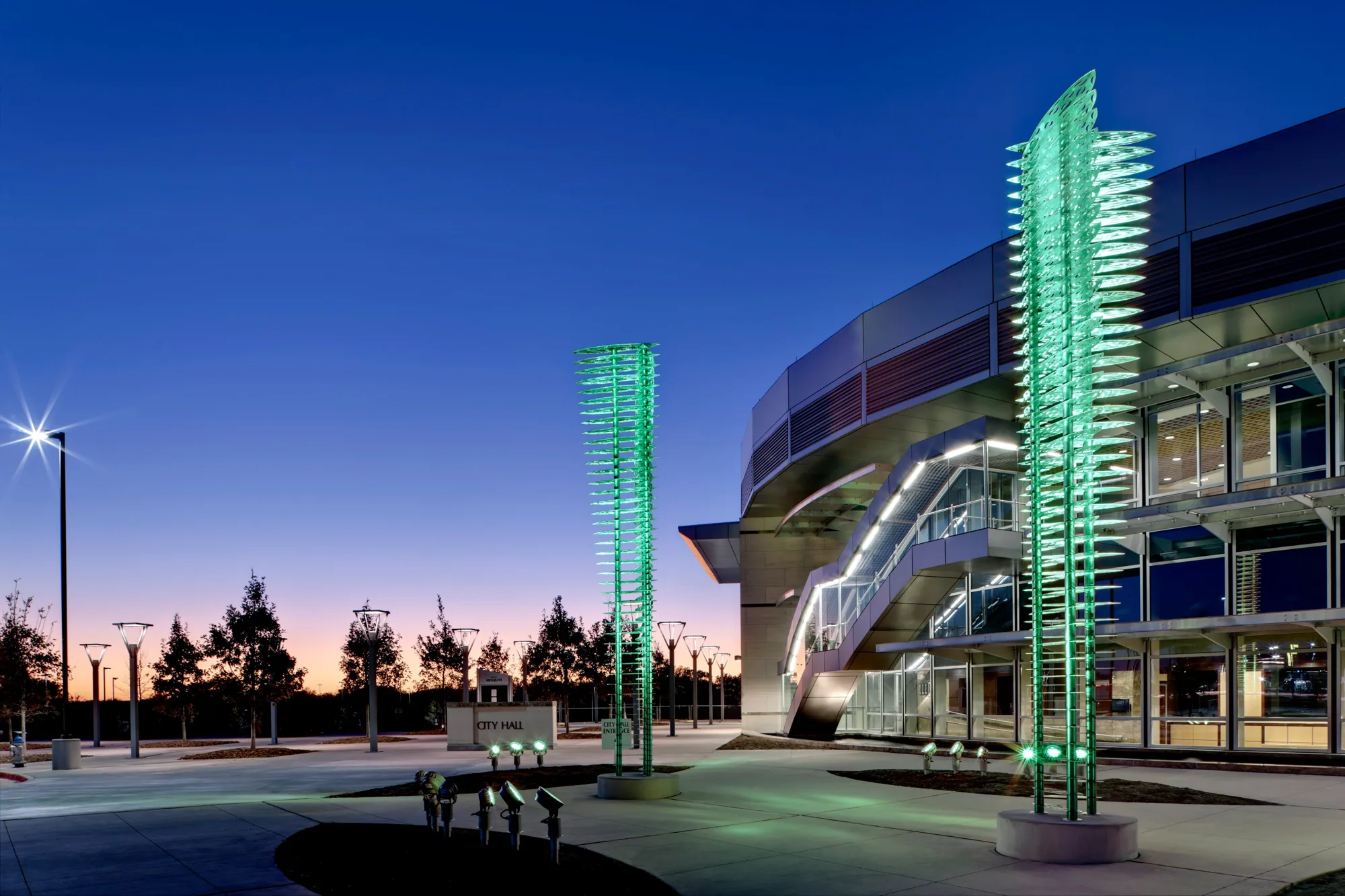
Roof conditions recorded with photos and written findings.
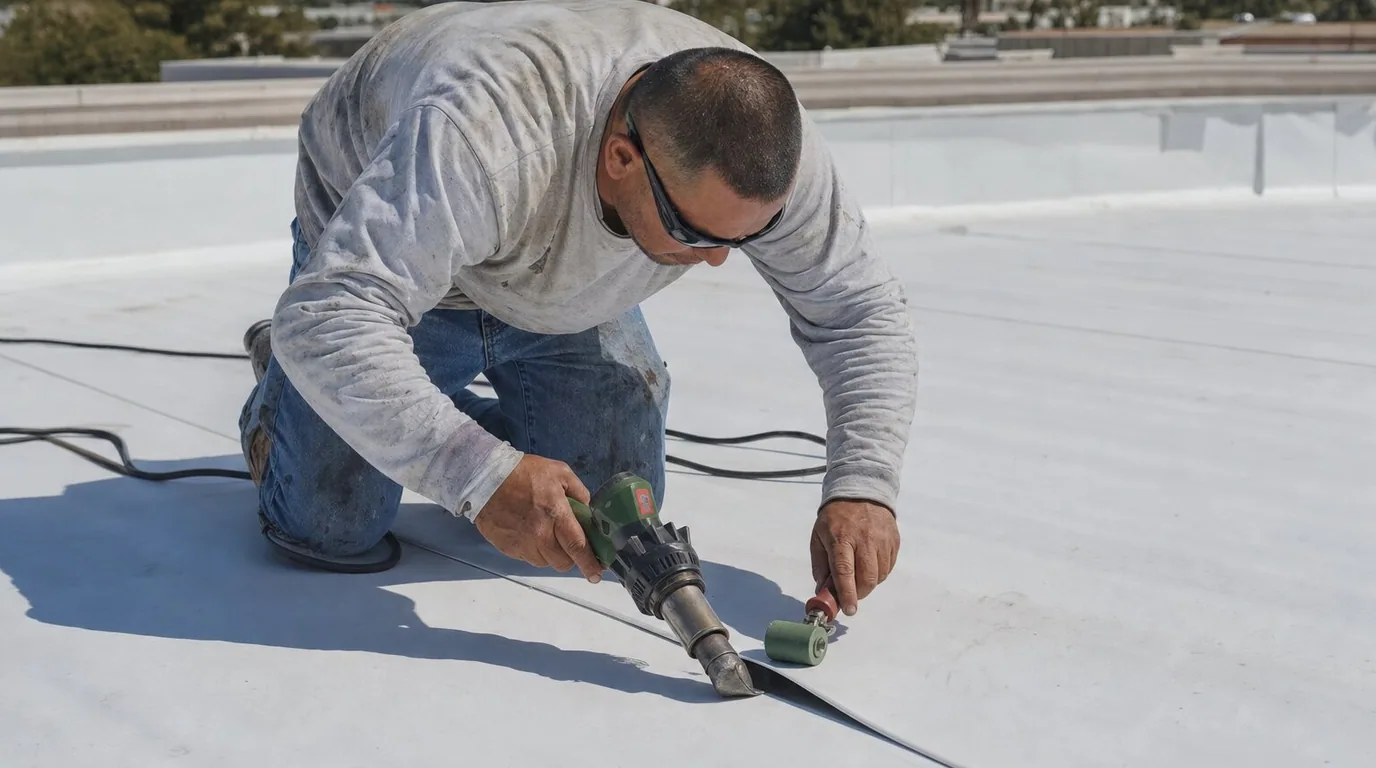
Work planned around the building and its daily operations.