
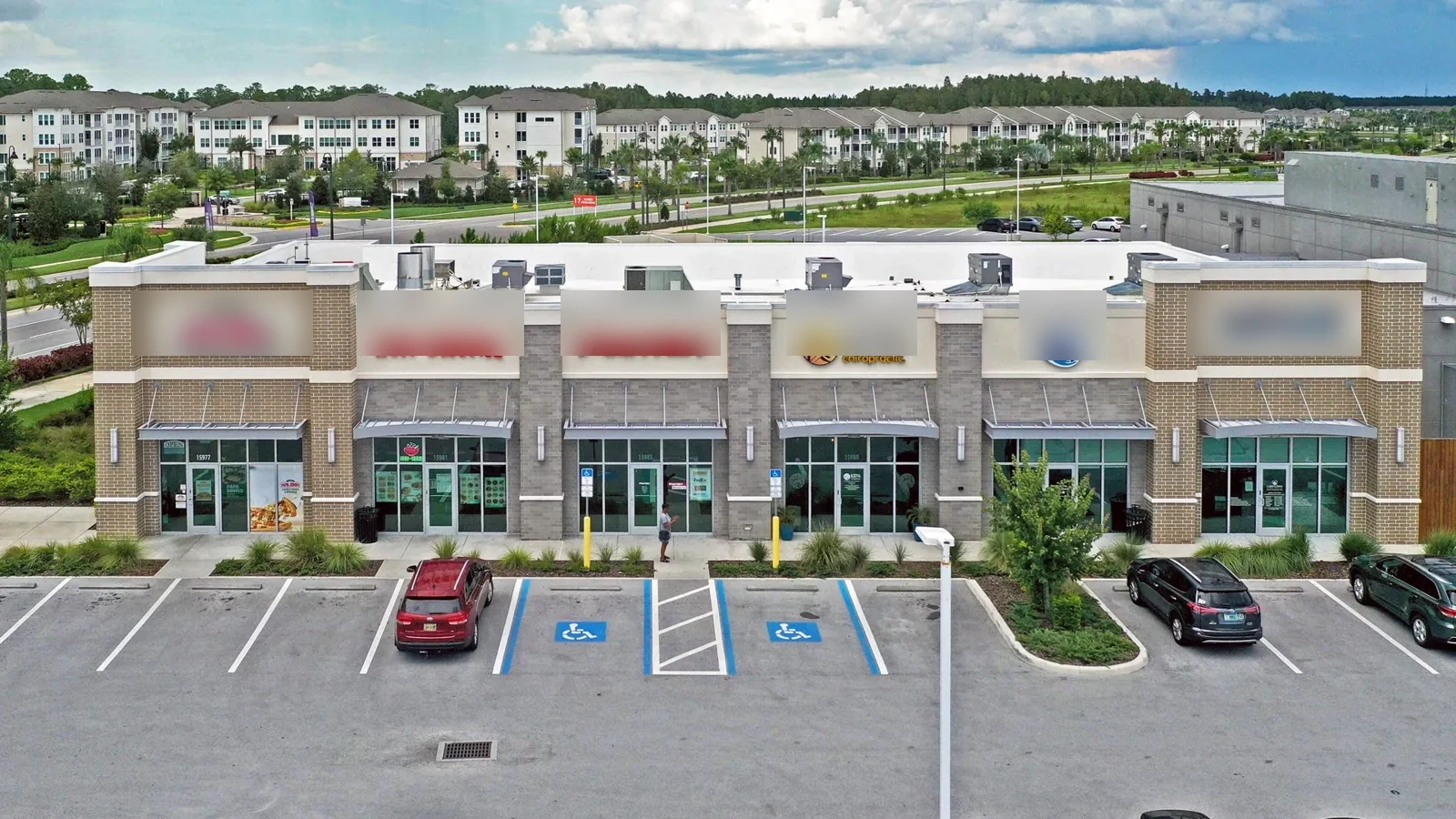
Shopping Center Roofing in Mesquite, TX
A leak above a tenant suite can disrupt business before the source is clear. We mark the interior symptom, trace the roof section above it, and check seams, drains, curbs, and wall transitions. A shopping center may connect several roof sections over different tenant bays. The repair boundary comes from the assembly and moisture findings, not from the storefront directly below the stain.
Mesquite's Town East Retail and Restaurant Area is a contiguous business district with retail, restaurant, and entertainment uses. A shopping property near Interstate 635 may sit within the wider Towne Centre reinvestment area, where several commercial uses share a district. We confirm the center’s own service entrances and tenant routes before placing lifts or materials. Those public districts make access, delivery timing, and clear tenant communication part of the roof plan. They do not establish the condition or layout of any one property.
Which Suites Need Protection During the Repair?
We map the leak location against roof seams, drains, equipment, and parapets, then identify the tenants and public paths below the work zone. The property manager confirms business hours, service entries, waste pickup, and any scheduled deliveries. We set a ground-level exclusion area and keep material staging away from customer routes. If a temporary dry-in must stay in place overnight, its boundary and inspection time belong in the site plan.
At Town East's retail and restaurant district, the city manages a major business center serving eastern Dallas County. That operating mix makes a clear loading window useful, but each center sets its own rules. Roof work can be divided by tenant bay or elevation when the membrane layout supports it. For larger retail buildings, a big-box roof assessment may involve a broader field and different material routes than a strip center.
Is the Leak Coming from a Drain or Storefront Edge?
Water can travel from an open lap or failed curb and appear near a storefront wall several bays away. We inspect the roof above the stain and follow the slope toward drains and scuppers. A blocked outlet, loose bowl, or low area can keep water against a membrane seam. At the perimeter, we check coping, edge metal, counterflashing, and the transition where roof membrane meets a wall or parapet.
After heavy rain, the first priority is to keep water away from stock, electrical equipment, and occupied suites. We photograph active conditions and set temporary protection when permanent work cannot begin safely. Temporary protection can stabilize an opening; a drain and scupper repair addresses a confirmed outlet defect. Clearing a strainer does not repair a separated membrane or failed flashing, so the closeout should state what was corrected.
What Is Under the Surface Membrane?
Shopping centers can have additions, tenant improvements, or roof replacements from different years. We identify the membrane, cover board, insulation, deck, attachment, and flashing before planning a recover or replacement. Selected test cuts show whether insulation is dry and whether the deck remains sound. If water has spread beneath a tenant bay, removing only the visibly damaged sheet can leave wet material under the repair.
A TPO surface requires sound seams and compatible flashing details. An older modified bitumen section uses layered sheets and different repair preparation. We record the roof types on the property plan, then compare options only where the assembly permits. The TPO system and a modified bitumen roof are not interchangeable patches. When the membrane is intact and the substrate is suitable, restoration may be considered after adhesion and drainage are checked.
What Should We Check After a Mesquite Storm?
Spring is the Dallas-Fort Worth region's peak season for thunderstorms. Large hail, damaging wind, flooding, and tornadoes occur in the Metroplex nearly every year, but no one property should be assumed to have experienced all of them. We inspect the actual roof for impact, displaced metal, open seams, clogged drains, and new interior reports. Photos by roof section help the owner separate storm findings from older wear.
Hot, humid Mesquite summers also bring high roof-surface temperatures. July and August daytime temperatures across Dallas-Fort Worth are consistently in the 90s and often reach or exceed 100 degrees. Heat affects installation conditions and scheduling for adhesives, coatings, and membrane work. A commercial roof inspection can establish the condition after weather exposure; a maintenance visit can track drains, seams, curbs, and repairs before the next major rain.
How Do We Keep Repair Limits Clear?
The scope should identify affected roof sections, tenant spaces below, materials to be removed, and the point where sound layers begin. It should also state what remains outside the approved work. We mark test locations, take before-and-after photos, and document any temporary protection still in place. That gives property staff a useful record when a new stain appears or another tenant reports a leak.
One grocery tenant may need refrigeration equipment protected while another suite has a different access need. We coordinate those concerns with the property contact and confirm safe roof routes before equipment or materials move. A grocery roof review focuses on its own equipment and operating needs; a neighboring roof section cannot stand in for that inspection. For a center with varied buildings, a documented replacement scope should distinguish confirmed assembly conditions from assumptions.
Commercial Roofing Questions
Can the roof work continue while shops remain open?
We plan access, deliveries, noisy tasks, and the ground-level work zone around the center's operating schedule. A repair may be isolated to one section, but staging still needs a clear route and protection below. The property contact identifies busy hours, tenant service needs, and public paths before work begins. If a section cannot be left watertight by the end of the shift, we adjust the sequence or use a defined temporary dry-in plan.
Why does a ceiling leak appear several suites away from the roof defect?
Water can follow the deck, insulation joints, framing, or conduit before it reaches the interior. We inspect uphill from the stain and check nearby curbs, seams, drains, and wall transitions. Moisture readings and selected openings help establish whether insulation is wet along that path. The repair description should name the confirmed entry detail and affected layers, not just the room where water appeared.
What information should a property manager send before the inspection?
Share the leak timeline, affected suite, roof plan, recent repair notes, tenant hours, and any access restrictions. Photos from inside can help us find the roof area, but they do not set the repair line. We use the building information to plan access and then verify the assembly, drainage, and flashing in the field. If an area must remain open to customers, identify that route before staging is assigned.
How do you handle several tenant leak reports after one storm?
We log each report by suite, time, and roof section, then inspect shared details and drainage paths. Similar symptoms do not prove a single common defect. Photos, test cuts, and roof plan locations help show whether the leaks connect or need separate repairs. The owner receives a section-by-section scope so urgent protection can proceed without treating every report as the same condition.
When is coating a better fit than replacing the center roof?
Coating can be considered when the existing membrane is compatible, bonded, dry, and ready for the specified preparation. Open seams, wet insulation, poor drainage, or damaged flashing need correction first. We inspect and test adhesion before comparing restoration with selective removal or replacement. The recommendation should state the substrate condition and repair limits, because coating over a loose or wet assembly does not resolve those failures.
Map the Leak and the Tenant Work Zone
Send the roof plan, leak timeline, affected suites, tenant hours, and access rules. We will trace the water path, document confirmed damage, and coordinate temporary protection or permanent repair by roof section.
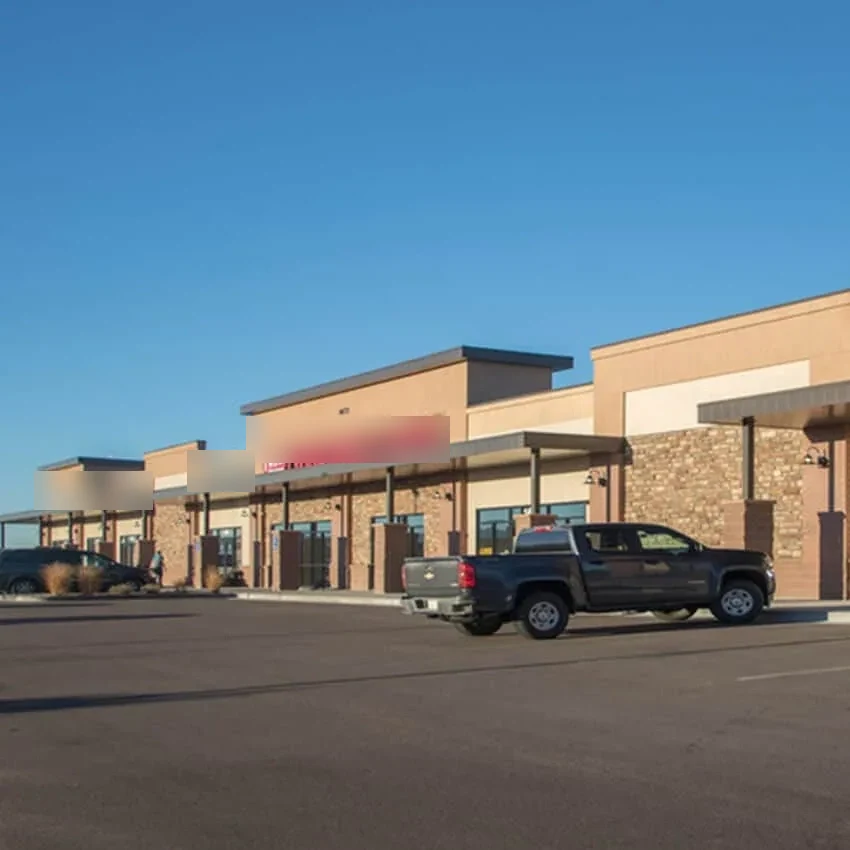
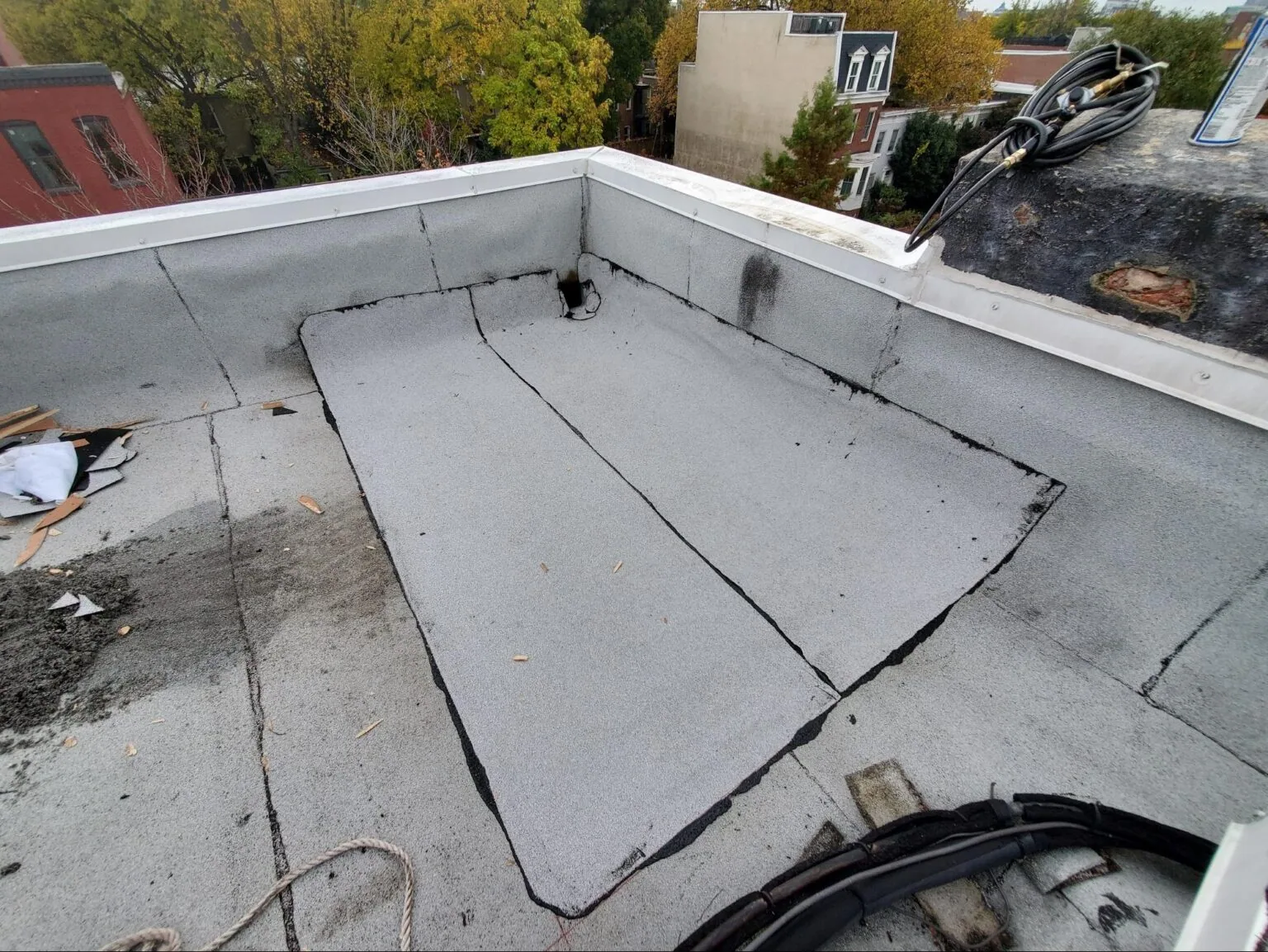
Work planned around the building and its daily operations.