
Commercial Roof Maintenance in Mesquite, TX
A maintenance visit earns its place by finding a roof issue while the repair boundary is still small. We walk each section, clear accessible drain obstructions, check seams and flashings, review edge metal, and record rooftop equipment changes. At a warehouse near the IH-20 Business Park, loading traffic can determine when roof access is practical. A multi-tenant property near Town East may need notices and clear access routes. The facility director receives a short work list tied to roof locations, not a vague note to watch the roof.
Mesquite's hot summers and the Dallas-Fort Worth region's spring severe-weather season make drainage, surface movement, and edge attachment useful inspection points. Those regional conditions do not establish that a specific roof has damage. We compare the current walk with past photos and repairs, then identify changes that need action. A maintenance visit in the IH-20 Business Park area can be scheduled with the site's access and operating limits in view. The plan may include a condition inspection when a roof section needs more than routine checks.
What Happens During a Maintenance Walk?
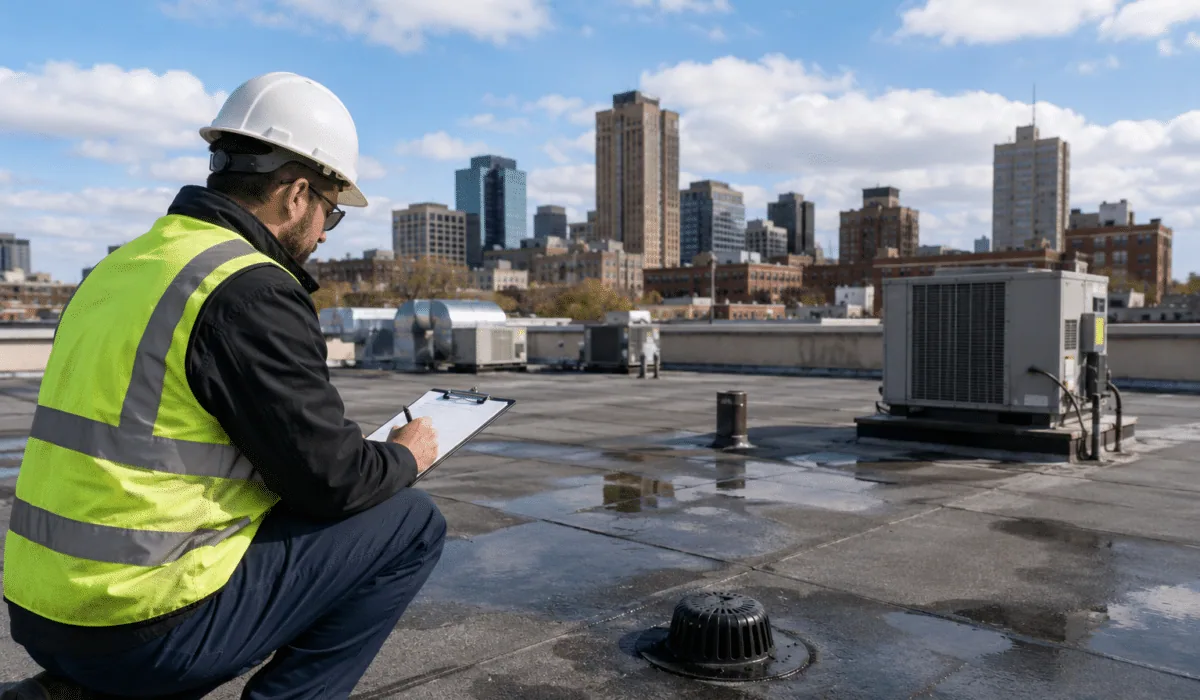
We follow the roof plan from access point to drain, seam, perimeter, and equipment area. The technician checks for loose flashings, punctures, open laps, lifted edges, debris at outlets, and previous patches that have started to separate. We note roof surface changes without calling ordinary wear a failure. When a condition needs repair, the report states its location, urgency, and the next field step. The owner can authorize a small correction or request a separate price for larger work.
Drainage gets attention because a blocked bowl or scupper can hold water against seams and curbs. We clear material that can be safely removed and identify conditions that need plumbing or roof repair. We check overflow paths and whether equipment, walk pads, or prior work changed the flow. A drain visit may uncover a low area or damaged connection that cleaning will not correct. The drain and scupper service can investigate those details. Each finding is recorded by roof section so a later crew can return to the same point.
How Often Should the Roof Be Checked?
Inspection timing follows roof condition, prior leak activity, equipment work, and the consequences of water entry. A new roof may need a different routine from an older assembly with recurring patches. We help the owner set an interval after reviewing available records and the field condition. A check after major weather can be appropriate when wind, hail, or debris may have affected a roof detail. The season and access conditions also matter. A schedule should leave room for a focused follow-up when an inspection finds a developing defect.
Maintenance can be planned around Mesquite's operating calendar. At the Skyline Logistics Hub, a distribution facility may prefer a window between delivery peaks; a school or retail property may need quieter work outside business hours. Along I-30 and the Town East-Skyline area, crews can coordinate access with loading and tenant movement. The program can identify a primary contact, roof access rules, and what records to provide at each visit. For portfolios, multi-property roof tracking can keep sections, repairs, and follow-up dates organized across locations without treating every roof as identical.
Which Conditions Deserve a Closer Look?
Heat can accelerate movement and wear in exposed materials. Wind can stress edges, flashings, and rooftop accessories. Hail may leave impact marks or damage that depends on the assembly and object struck. Heavy rain tests drain paths, scuppers, and low transitions. We inspect the specific evidence and do not infer damage solely from a forecast or a storm report. If a weather event is part of the timeline, the maintenance record notes what the roof showed and which detail needs verification.
On a roof with a previous leak, we compare the interior symptom to the repaired area and nearby transitions. A patch that remains bonded may need no immediate work; a lifted edge or wet insulation needs a defined next step. Where a thermal pattern suggests moisture, an infrared survey can help select verification points. If the survey finds wet material, we mark the removal boundary before opening the assembly. The goal is to make a targeted decision, not to turn routine maintenance into an automatic replacement recommendation.
What Does the Facility Keep?
A useful record combines dated photos, roof-section labels, repair notes, and the person who approved the work. We note whether a condition was corrected during the visit or needs a separate proposal. That makes it easier to compare findings over time and see whether a leak moved or a detail deteriorated. For an owner planning capital work, the roof condition report groups findings by area and severity. The record can also show which sections were not safely accessible.
Keep the roof plan, warranty or system documents, equipment changes, and service history together. Tell the next technician about HVAC replacements, solar work, sign installations, and other trades that may have crossed the roof. Those changes can affect flashings and foot traffic. A report should distinguish a roof defect from a condition caused by later work, where the evidence allows. If the roof has repeated repairs or widespread moisture, capital planning by section can compare repair sequence, recover eligibility, and replacement timing.
How Can Maintenance Fit Active Operations?
Before a visit, we confirm safe roof access, required escorts, loading windows, occupied areas, and any equipment that must remain in service. The crew stages tools away from active routes and leaves drains and walk paths clear. If the facility runs multiple shifts, we agree on who can receive findings and approve urgent work. A roof walk should not interrupt production or deliveries without a reason and a clear boundary. For a leak, emergency response remains available around the clock, including weekends and holidays.
After the visit, we can repair minor defects when authorized and safe, or return with the correct material and crew. The schedule distinguishes routine check, urgent correction, and capital work. At a distribution building in the IH-20 area, that separation helps the director protect dock operations while addressing water entry. A repair scope can be set from the finding; a larger issue can move to replacement planning. The next visit should test whether the correction held and whether adjacent details remain sound.
Commercial Roofing Questions
What is included in a commercial roof maintenance visit?
We inspect seams, flashings, edges, drains, rooftop equipment supports, prior patches, and accessible roof sections. We clear safe debris from drain areas, photograph findings, and separate minor authorized corrections from larger repairs. The visit report notes where each condition sits and what follow-up will resolve it. It also identifies areas that could not be accessed safely.
Should the roof be checked after every storm?
A post-storm check makes sense when the event or the roof's prior condition creates a specific concern. We inspect for displaced details, impact marks, debris, blocked drainage, and active leaks. A weather event alone does not prove damage. The facility can prioritize the roof areas most exposed or tied to earlier repairs, then schedule a broader review if findings warrant it.
Can maintenance prevent every leak?
No maintenance program can promise that outcome. A consistent walk can find developing openings, drainage problems, or equipment-related damage earlier and create a reliable repair record. We document what the inspection can see and identify hidden conditions that need testing. Good maintenance reduces uncertainty; it does not remove weather, material, or third-party risks.
How do you fit inspections around a loading schedule?
The facility contact provides active dock periods, access routes, and any roof areas that cannot be reached during operations. We set a visit window, stage away from loading, and update the contact when the route changes. If a defect needs urgent work, we explain the affected zone and coordinate a safe boundary before starting.
What records should be available at the first visit?
A roof plan, system information, prior leak locations, repairs, and equipment changes help us focus the walk. Include access instructions and the names of staff who can approve work. If roof records are missing, we can map observed sections and build the maintenance record from the inspection. The next visit can then compare changes against that baseline.
Put the Next Roof Check on the Calendar
Share the roof plan, repair history, equipment changes, known leaks, and operating windows. We will set a section-by-section visit, return dated photos, and separate immediate corrections from work that needs a separate scope.


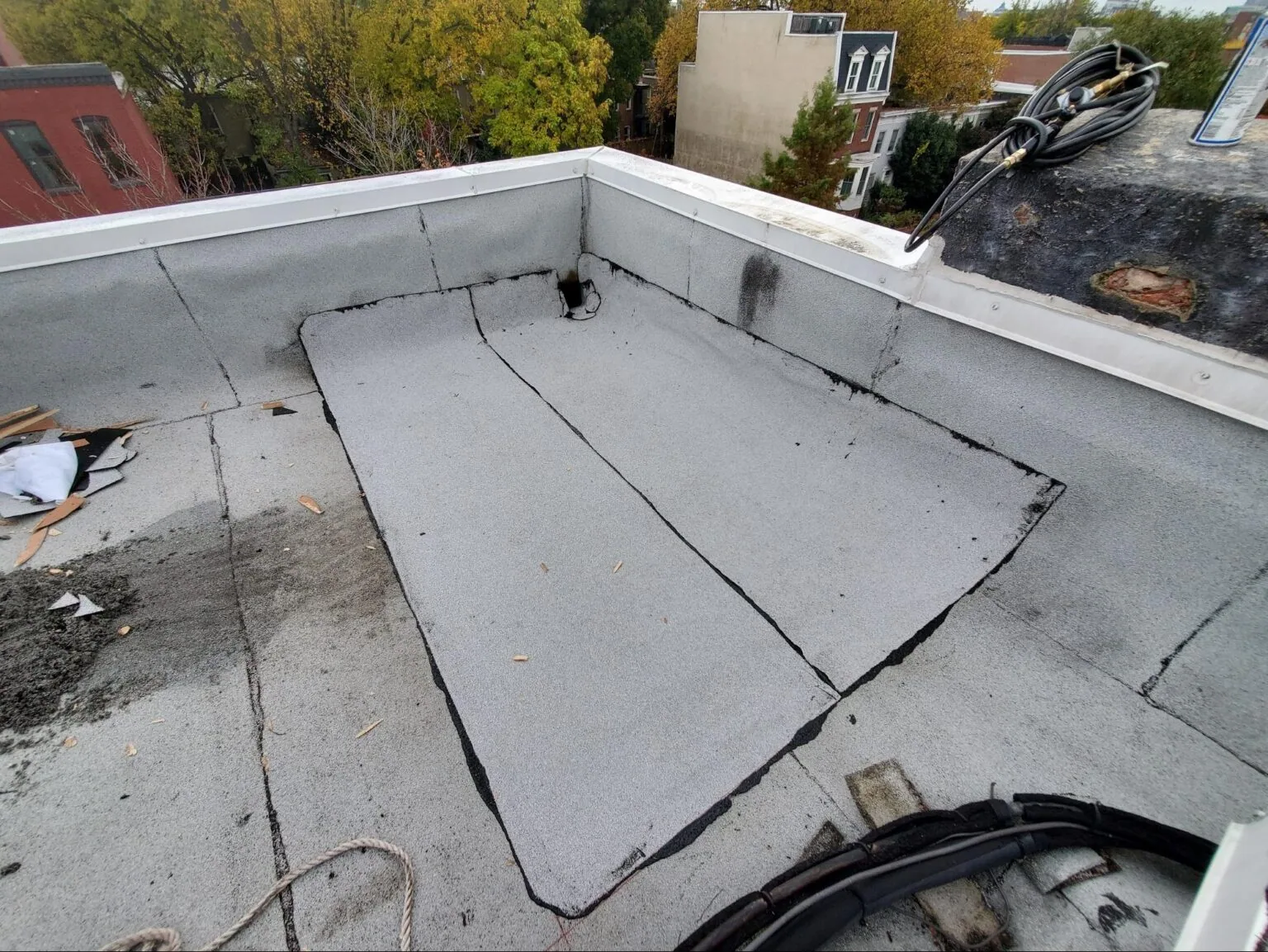
Work planned around the building and its daily operations.