
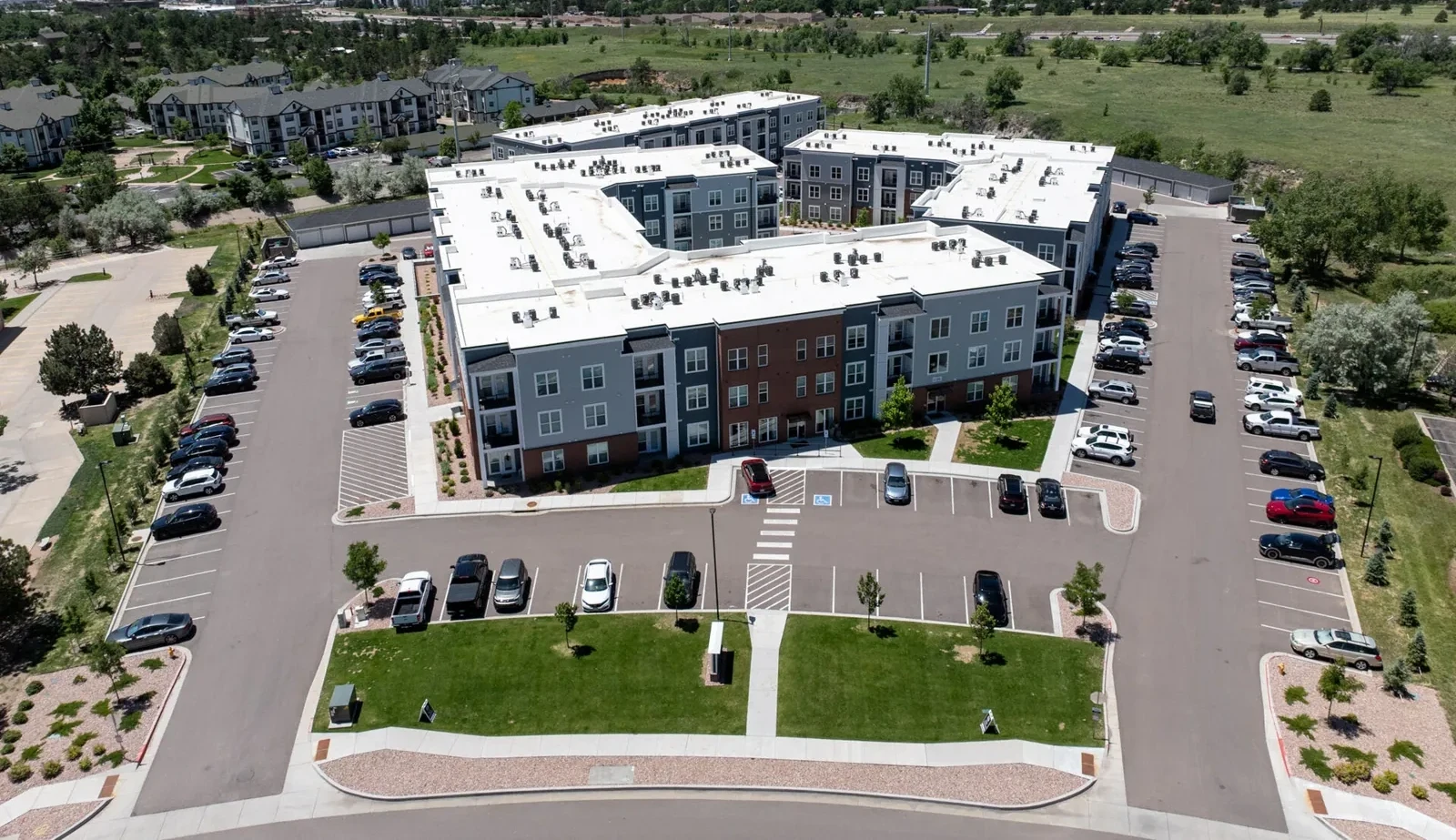
Multi-Site Commercial Roof Programs in Mesquite, TX
A portfolio program needs one way to compare work and one accurate record for each roof. We set common fields for condition, priority, access, repair status, and follow-up, then keep each building's findings separate. A leak over a dock, a drain problem at a retail property, and a planned replacement do not belong in one undifferentiated work list. The program makes urgent water control visible without letting an emergency erase the capital decisions on other sites.
Mesquite's Skyline Logistics Hub includes manufacturing and distribution businesses around Big Town and Town East Boulevards. Towne Centre and Market East includes retail, office, industrial, and service activity. Those are different operating settings, so the crew plan must reflect each site's loading, occupancy, and access. We can coordinate a roof program in the Skyline district alongside a Towne Centre service plan, supported by asset records organized by roof section.
How Does One Request Reach the Right Crew?
Each request starts with a building identifier, contact, leak timeline, affected interior area, and safe access window. We confirm whether water is active, what operations sit below the roof, and whether temporary protection is already in place. That triage determines whether the first visit needs an emergency crew, a planned inspection, or a survey for a larger capital question. The work order stays tied to one property even when the portfolio uses a central call point.
For industrial sites, we confirm dock lanes, trailer movement, lift access, material staging, and who can release the work zone. The Skyline district has businesses relying heavily on long-haul carriers; the facility's own dispatch schedule determines the usable window. At a Towne Centre retail property, customer and service access can require another sequence. A round-the-clock response can stabilize water entry, while a planned work sequence handles larger repairs without mixing those scopes.
Which Fields Should Every Site Share?
Use a consistent identifier for the property and each roof section. Record system type, approximate limits, access route, drainage points, recurring leak locations, prior repairs, warranty documents, and open tests. The shared format makes reports easier to compare, but the field evidence stays local to the asset. A warehouse and a medical office may use the same status labels while having different safety controls, interior exposure, and access requirements.
We define status terms before the program starts: reported, inspected, temporarily protected, repaired, tested, monitored, or awaiting access. Each status needs a date, owner, and next action. A roof condition report can include photos and mark areas that were not safely reached. Section-level reports create a common handoff while preserving building-specific findings. If the roof plan uses labels that do not match site signage, we reconcile them once and use the current names on future tickets.
What Triggers a Wider Review?
Repeated leak tickets at one section, failures after similar repairs, or moisture findings across several areas can signal a portfolio-level issue. We review the pattern, then inspect the individual assemblies before recommending a system-wide action. A shared material or detail may explain a repeated repair type, but it does not establish that every roof has the same defect. Each site gets its own condition, repair boundary, and work authorization.
Dallas-Fort Worth summers are hot and humid, and spring brings the region's primary severe-weather period. Those patterns can shape inspection timing across a portfolio, but they do not establish damage at a building. We log a property-level observation after a storm and keep any confirmed repair separate from the regional event. The wind-damage review or hail inspection can be assigned to affected sites based on reported conditions, not a blanket portfolio assumption.
How Do You Keep Funding Decisions Comparable?
Compare costs only after each scope defines the same kind of work. A local patch, full section repair, recover, and replacement have different material quantities and operational effects. We document access, protection, insulation, drainage, edge metal, and potential concealed work. If quantities depend on test cuts, the open assumption remains visible. Portfolio reporting can then rank urgency and budget exposure without presenting unlike projects as equivalents.
The IH-20 area around McKenzie Road is planned with a contiguous industrial tract for logistics and refrigerated storage. Town East-Skyline has a distinct mix of industrial and mixed-use commercial property. These areas may create different delivery and phasing needs. The owner decides budget timing after reviewing each roof's condition. A capital sequence by section can keep high-priority work visible, and replacement planning can proceed for roofs where the assembly evidence supports broader renewal.
Who Owns the Next Action?
Every open item needs a named role, a due point, and the record that closes it. The facility contact confirms access; maintenance shares the leak history; ownership authorizes scope; and the crew documents the work. A central team can see the portfolio status, while the local manager controls site-specific rules. We identify the person who can stop loading, protect inventory, or approve an added repair if removal exposes a changed condition.
Garland's I-30 corridor extends toward Lake Ray Hubbard and includes commercial redevelopment opportunities. Rowlett has employment and mixed-use development opportunities across several community districts. The surrounding market includes varied property activity, but each building's work remains under its own access and approval process. We keep portfolio reports from implying a common roof condition simply because sites share an operator. A Garland corridor visit and a Rowlett roof review receive separate property records, even if one ownership team reviews both.
What Does a Completed Program Look Like?
The portfolio view shows the status of each request, while the underlying file preserves the report, photos, approvals, materials, and unresolved conditions. A completed repair lists its boundary and closeout date. A temporary measure remains marked until permanent work is finished. A site waiting for access does not disappear from the list; it retains the next contact and coordination step. That keeps the program useful between emergency calls and scheduled inspections.
We review the open list with the owner on a cadence that fits the portfolio's operations. The review closes resolved items, confirms work that needs monitoring, and identifies roofs that require a deeper inspection or capital decision. A warranty record can travel with maintenance history, while a transaction survey can be commissioned when a specific property enters a financing or sale process. The program remains a working control for each roof, not a substitute for field verification.
Commercial Roofing Questions
Can one service agreement cover different roof systems?
A program can coordinate several buildings, but the scope must identify each assembly and the work it needs. We record membrane or panel type, attachment, drainage, access, and repair history by roof section. Shared scheduling does not make materials interchangeable. Each work order names compatible materials and the detail being corrected.
How do you prioritize a leak across several active properties?
We triage water entry, safety, inventory or equipment exposure, and the ability to protect the affected area. The site with an active leak may need a response before planned work elsewhere. We keep emergency stabilization separate from permanent repair and update the central list with a property-level status and next action.
Can a central office approve repairs for every building?
The owner can set approval limits, but each site still needs a contact who can confirm access, operating constraints, and conditions below the roof. We record who can release a work zone and who approves added work after removal. That prevents a portfolio procedure from overriding a local safety or operational requirement.
How often should the portfolio list be reviewed?
Review it after emergency work, major construction, recurring leaks, and scheduled inspections. A fixed calendar can help, but roof condition and operating activity determine which assets need attention first. The review should close completed repairs, retain untested areas, and identify when a capital decision needs current field evidence.
What information should be collected for the first portfolio visit?
Send the property list, roof plans, access contacts, known leak tickets, prior repair records, and any loading or occupancy limits. Identify buildings with active water and sensitive areas below the roof. We can validate section labels during the visit and mark missing documents or restricted areas for follow-up.
Set One Program With Site-Level Records
Send the building list, roof plans, open tickets, prior work, contacts, and operating windows. We will set triage and reporting fields, then inspect each roof on its own evidence and access plan.
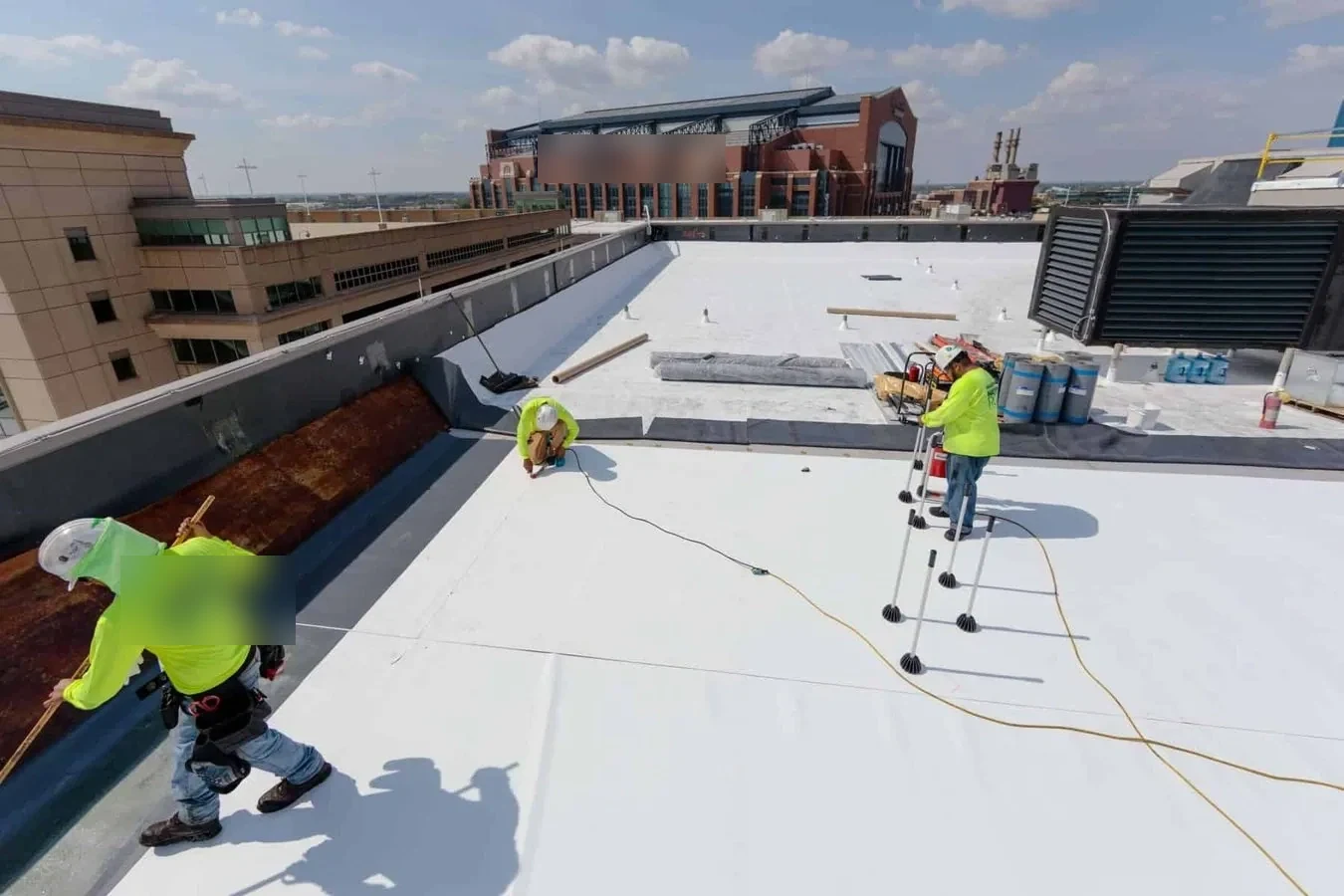
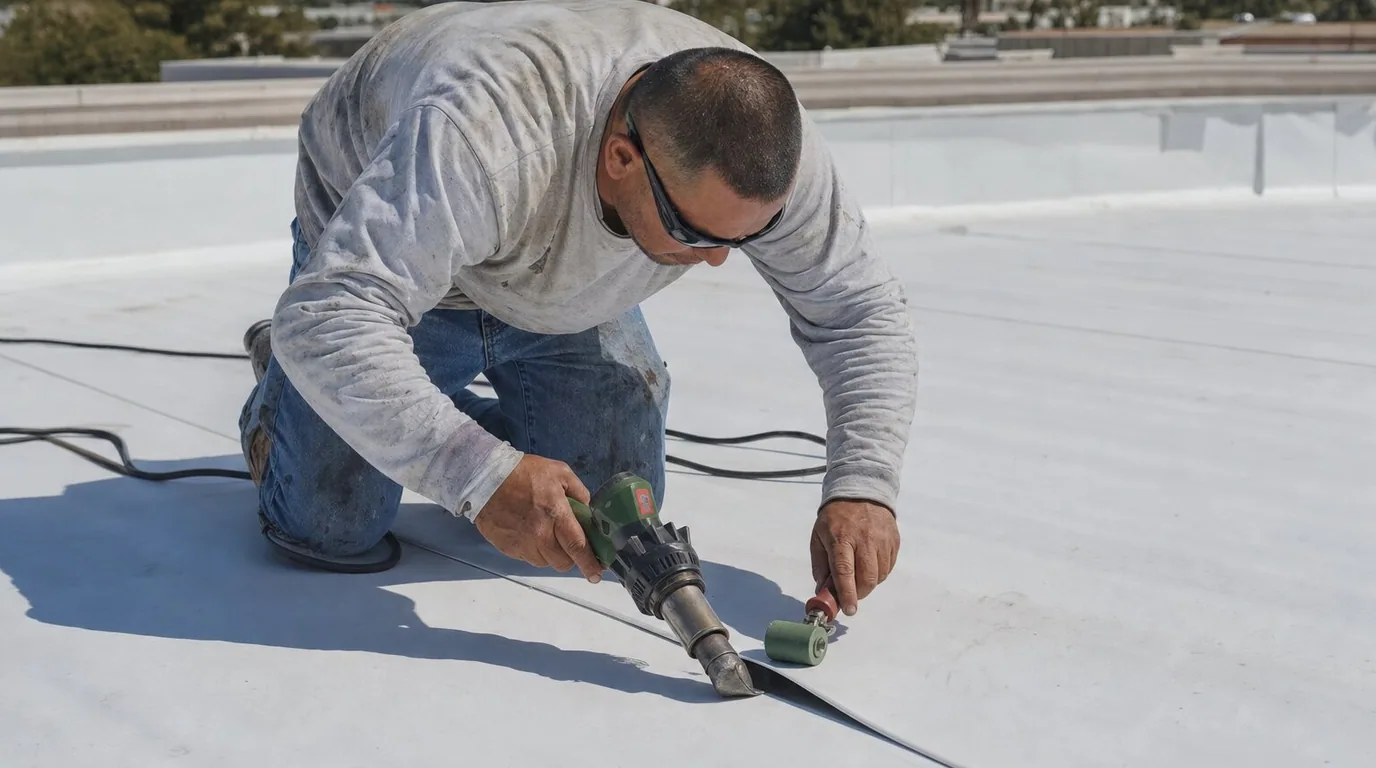
Work planned around the building and its daily operations.