
Commercial Roofing in Rowlett, TX
A seam opening above an occupied work area needs a boundary before a crew starts pulling membrane. In Rowlett, TX, we inspect the roof section, curb details, drains, and edge transitions around the reported leak. The first visit separates water control from the permanent repair. We mark what is wet, what remains sound, and what needs an opening to confirm the assembly.
Commercial and mixed-use opportunities sit across several Rowlett community districts. Lakeview Parkway and the President George Bush Turnpike are identified as major commercial corridors, so access planning can matter as much as the roof detail. We coordinate the work zone with the building schedule, then document the roof conditions that set the repair limit. A commercial roof inspection with a photo record gives the owner a usable starting point.
Where Does the First Roof Walk Begin?
Water staining inside identifies a room to protect, not a roof cut to make. We trace the likely path uphill and check laps, wall transitions, drains, scuppers, curbs, and nearby fasteners. A probe can reveal an open seam, while a moisture survey can narrow the places where a test opening may be useful. We compare each observation with the roof plan and mark areas that remain unconfirmed.
A first walk also checks roof access, fall protection, equipment clearances, and the path for materials. If an occupied suite or work area sits below the symptom, we set interior protection before opening the assembly. Photos show the starting condition and the limits of the inspection. When moisture is suspected beneath a membrane, an infrared moisture survey can help direct the next check, but a test cut establishes what lies under the sheet.
How Do Lakeview Parkway and Transit Affect Access?
Lakeview Parkway is a major commercial corridor, and Rowlett has regional access by the President George Bush Turnpike, highways, and DART Blue Line service. Those facts describe regional connections, not a route to a particular roof. We confirm the property's actual gate, staging area, delivery path, and work hours before scheduling a lift or material drop. The roof plan and site contact settle the details.
Dispatch and occupied-space needs shape how much roof can be opened at one time. We divide work into sections that can be dried in before the next shift, then identify where a temporary cover remains if conditions interrupt the repair. For facilities with scheduled deliveries, the loading window belongs in the sequence. A commercial roof review in the North Shore district also starts with the specific building and access arrangement, not a corridor-wide assumption.
When Is a Local Repair Enough?
A bounded seam or flashing failure may support a local repair when the surrounding membrane, attachment, insulation, and deck remain serviceable. We clean and prepare the surface, use compatible material, and test the completed seam or transition after it cools. The scope records the area repaired and any adjacent condition that was not included. Sealant over a moving or open lap does not restore the connection.
Wet insulation changes that decision. We mark the affected section, remove material to a dry boundary, and rebuild the layers the roof needs. A recover is considered only after checking moisture, existing layers, drainage, attachment, and project requirements. Where those conditions do not support an overlay, a replacement plan divided by roof section can set removal limits and closeout timing. Each option should show what is confirmed and what remains concealed.
What Do Summer Heat and Storm Season Change?
The roof crew needs a workable surface, not just a workable calendar. Dallas-Fort Worth carries humid summer conditions; July and August afternoons are usually in the 90s, and readings can exceed 100 degrees. We check the roof temperature and the product's application limits before coating or welding. Mesquite is the basis of that regional climate description, and the on-site reading controls the actual work window.
North Texas convective weather is most active in spring and can combine hail, wind, heavy rain, and tornado threats. A report tells us when to investigate, not what failed. We photograph the edge securement, penetrations, seams, and drainage, then connect observed damage to the likely entry path. After a hail alert, a commercial roof impact inspection documents openings and displaced components before the repair begins.
Which Conditions Move the Scope and Schedule?
The work area, tear-off depth, wet insulation, deck repairs, roof height, lift access, and number of penetrations all affect timing and cost. A small seam repair differs from removing several wet roof sections around curbs and drains. We separate confirmed labor and materials from conditions hidden until the assembly opens. That lets the owner compare options without treating an unknown deck condition as a settled quantity.
Regional movement and access also matter. Rowlett's commercial, employment, and mixed-use planning spans multiple community districts, but each facility keeps its own operating requirements. We confirm who can approve roof access, which interior areas need protection, and when noise or deliveries are acceptable. A roofing scope for the Lakeview Business District should still follow that property's plans and field conditions. Schedule changes are reported when weather or an exposed condition changes the sequence.
What Belongs in the Roof Record?
Closeout should leave the next inspection with a clear point of comparison. We mark the repair on the roof plan, add before-and-after photos, identify materials used, and note drains, edges, and transitions within the work limit. If a test opening found moisture, the record shows where wet insulation ended and dry material began. A list of areas outside the scope keeps later review from confusing an excluded condition with completed work.
After repairs, we probe the finished weld or inspect the rebuilt flashing, clear debris, and confirm the drainage path remains open. The owner can use the record to schedule a follow-up after severe weather or track a recurring detail. A preventive maintenance visit can carry those marked items forward. Send the roof plan, leak timeline, interior photos, affected work area, equipment schedule, and safe access window. We will set a focused inspection before defining the repair limit.
Commercial Roofing Questions
Can the crew repair one seam without replacing the whole roof?
Yes, when the opening is limited and the nearby sheet, insulation, and attachment remain serviceable. We test the weld, prepare the membrane, and verify the completed edge. If moisture continues below the seam or similar failures recur across sections, the inspection may support a wider repair or replacement option. The written scope marks that boundary.
What if water appears far from a curb or drain?
The interior location is a starting point. We check uphill and across the roof section, then compare seams, flashing, penetrations, and drainage with the plan. Selective openings can confirm whether water traveled through insulation. The repair limit follows the field evidence, so a ceiling mark alone does not decide how much material must be removed.
Does an infrared scan confirm wet insulation?
It can identify areas that warrant closer review, but a test opening confirms the layers and moisture condition directly. We document scan limits, select representative points, and mark the confirmed wet-to-dry edge before pricing removal. That distinction keeps the proposed repair tied to the roof assembly instead of treating a color pattern as a final diagnosis.
Can roof work fit around a Rowlett business schedule?
We plan a workable sequence after confirming access, interior use, delivery periods, and any restrictions on staging. A localized repair may need a shorter window than section replacement. We tell the facility contact which area is open, what temporary protection remains, and when the crew expects to close the roof before the next operating period.
What information helps price a repair accurately?
Provide the roof plan, leak dates, photos from inside and above, prior repair records, access rules, and the schedule for equipment or deliveries. We can then separate visible conditions from items that need a test cut. Pricing identifies the included roof section, removal assumptions, rebuilt details, and any concealed condition that could change the work after opening.
Set a Rowlett Roof Inspection
Share the roof plan, leak timeline, interior photographs, affected work area, operating schedule, and safe access window. We will inspect the assembly, record the confirmed conditions, and set a repair limit before recommending the next scope.
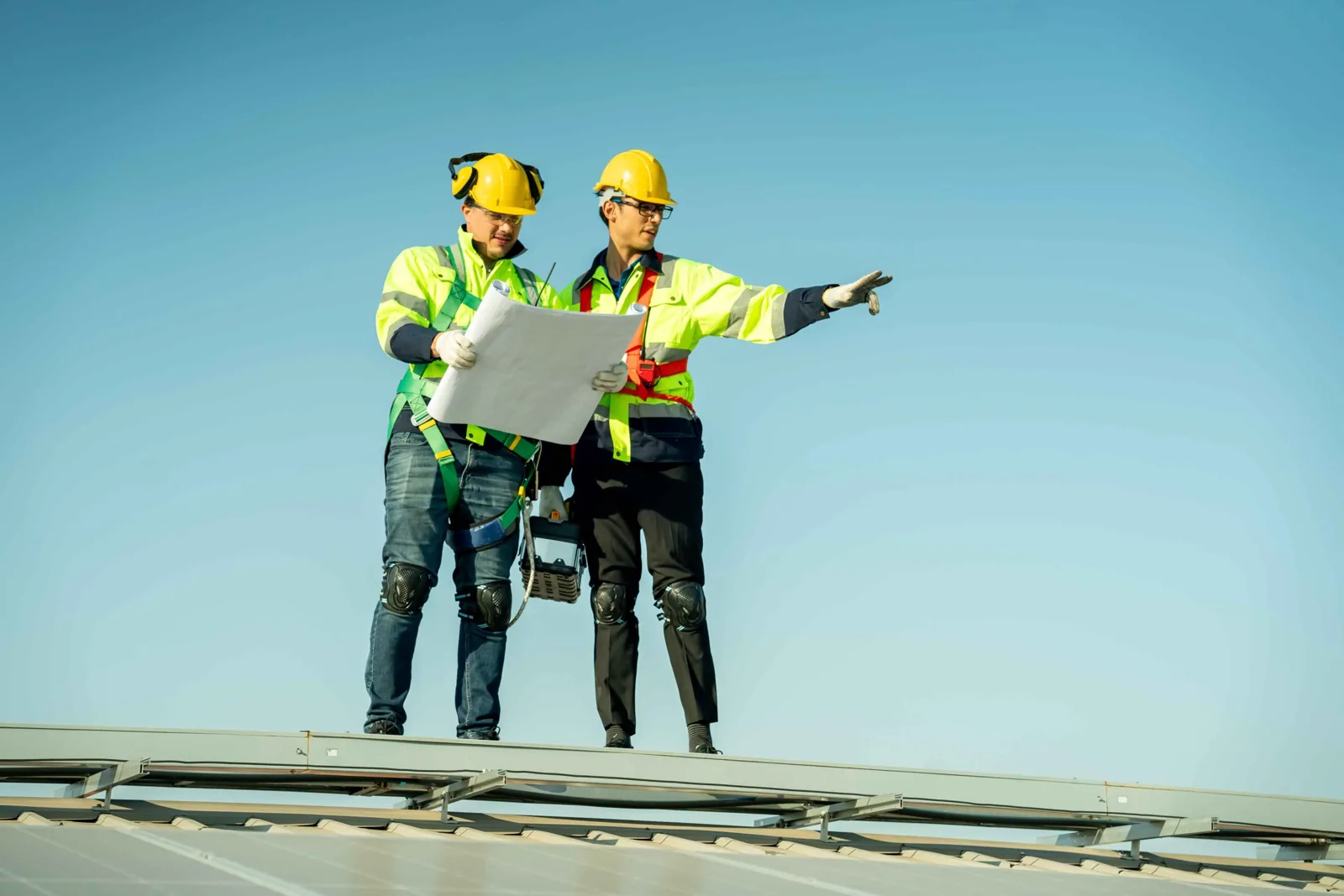
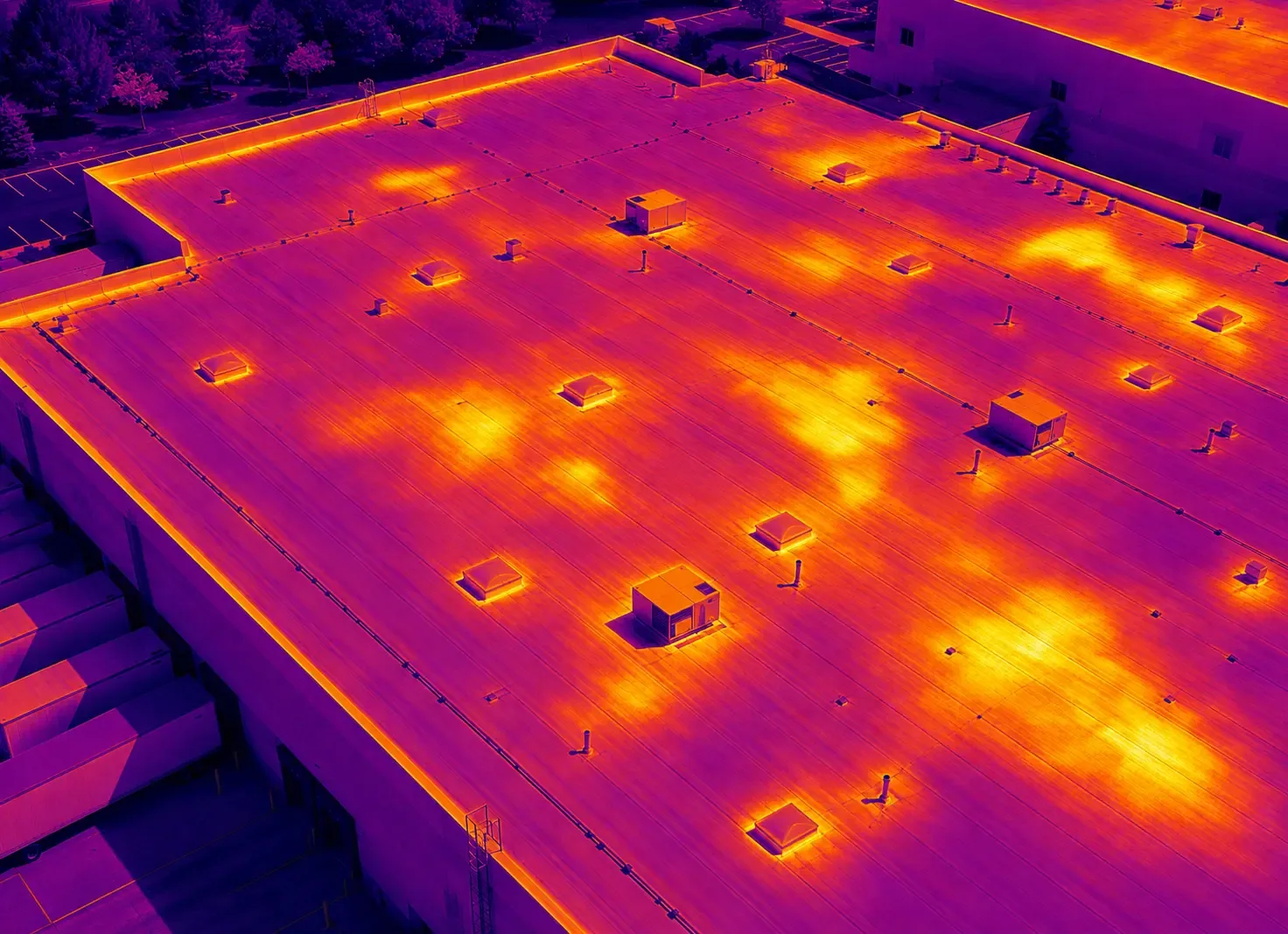
Roof conditions recorded with photos and written findings.
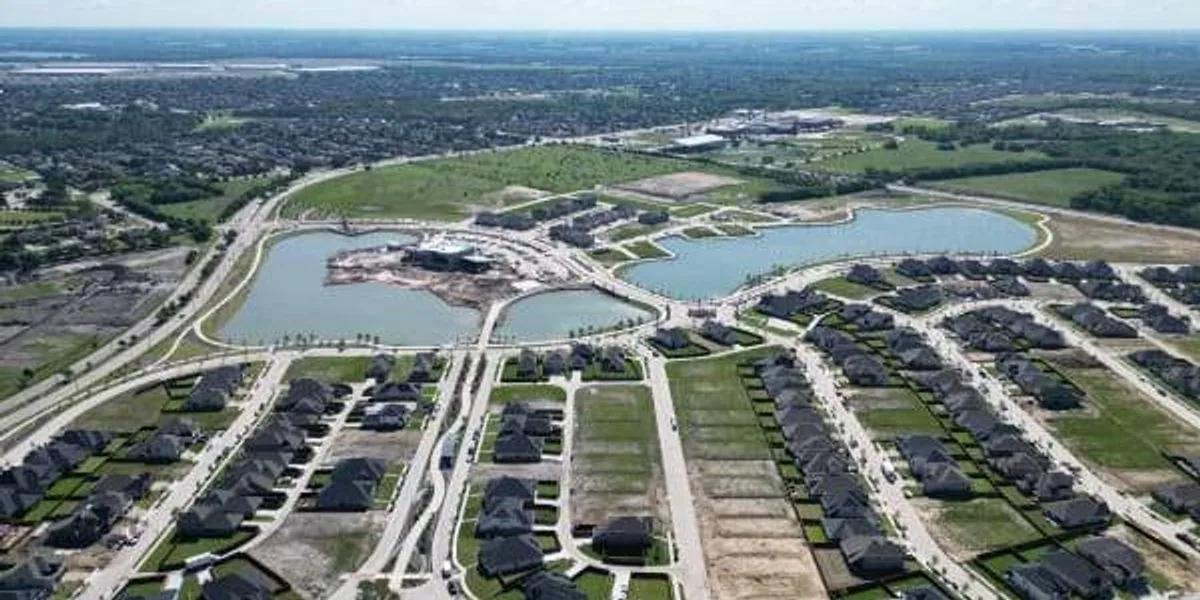
Work planned around the building and its daily operations.