
Commercial Roof Due Diligence Surveys in Mesquite, TX
A roof survey for a transaction needs to answer what the buyer or lender must verify before closing. We inspect accessible sections, identify the assembly, document visible conditions, and separate confirmed defects from questions that need testing. The report can describe near-term repairs, likely capital work, and limits on the inspection. It does not replace legal or financial review, and it does not assign a roof condition to areas the crew could not reach.
Mesquite's Spradley Farms area combines planned commercial components with residential and open-space uses, while the Peachtree and Interstate 635 district has a mixed-use development context. Those land-use facts do not describe an individual building's roof. The survey stays tied to the property address and the assembly inspected. We can prepare a roof review serving the Spradley Farms area or a survey near Peachtree and IH-635 and organize findings in a photo-supported report.
What Can the Survey Confirm?
We record system type, roof section, access, drainage, seams, flashings, penetrations, edge metal, visible repairs, and interior symptoms provided for review. Each issue receives a location and a practical action. The report distinguishes active leakage from aging, staining, or surface wear. If the assembly conceals moisture, we identify a survey method or test opening that could narrow the area. A visual visit does not confirm conditions beneath an intact membrane.
Access limits matter to a transaction. A locked roof hatch, unsafe ladder, occupied work zone, or weather restriction can leave an area unchecked. We name the limit rather than implying full coverage. Where a buyer needs additional certainty, a follow-up roof inspection or moisture survey can answer a defined question. The scope records which areas were observed, which were not, and what evidence would change the repair boundary.
We also record roof access equipment, fall-protection points, rooftop units, and any active construction that could limit the visit. Those items affect whether the inspection represents the full surface or only the areas safely reached. If the seller expects a particular question to be answered, we put it in the scope before the visit. The final report then states whether that question was resolved or needs a separate inspection.
Which Findings Can Change the Deal?
Active water, widespread wet insulation, repeated seam failure, loose edge conditions, poor drainage, or deck deterioration can change the expected work. A single puncture may remain a local repair. Repeated failures across connected sections can require a larger scope. We identify the evidence, affected limits, and urgency separately so the buyer can distinguish a current service item from a capital exposure. The report does not turn a tentative moisture pattern into a confirmed removal quantity.
Mesquite's hot summers and spring severe-weather season can raise the value of checking roof transitions, drainage, and repairs before a transaction. Regional exposure does not establish damage at the subject property. We inspect for specific impact, open seams, displaced metal, and moisture, then document what the visit supports. If a storm-related question remains, a hail condition review can focus on observed roof details. Any uncertainty stays in the report so the buyer can decide whether more testing belongs before closing.
How Should Near-Term Work Be Described?
We separate immediate protection, repair, maintenance, and possible replacement. Each line item names the location, material or detail, work limit, access need, and remaining assumption. A buyer can compare the cost implications without treating an unverified allowance as a fixed scope. If concealed deck work could affect the price, we state the inspection point and approval process that would establish the quantity.
The adopted development framework at Spradley Farms includes commercial components alongside residential and open-space areas. The broader district at Peachtree and IH-635 has a mixed-use development context. Those contexts can help a buyer understand the surrounding development setting, but they do not establish the subject roof's construction, age, or condition. We rely on the roof plan, field inspection, and available maintenance records. A capital plan by section can carry confirmed findings into a funding schedule after the transaction team decides how to handle open questions.
Which Records Improve the Review?
Provide roof plans, installation or replacement documents, warranty paperwork, prior reports, leak tickets, repair invoices, and records of equipment or tenant changes. We compare those materials with the field condition and flag mismatches. If a plan identifies a drain that is no longer present or a section name that does not match current access, the report shows the discrepancy. The reviewer can then request the missing document or authorize another inspection.
Warranty terms depend on the actual executed document, transfer provisions, and maintenance requirements. We do not infer coverage from a system label or a seller's summary. A warranty-file review can identify missing records and notice questions. For a property with multiple buildings, asset tracking keeps each roof section and repair history distinct. The transaction report should preserve the building identity and avoid combining unrelated findings into one portfolio grade.
What Does the Buyer Receive?
The handoff includes a summary, marked roof sections, photos, observed conditions, priority actions, access limits, and follow-up questions. We can identify whether an item is confirmed, suspected, or outside the inspection scope. The buyer can use that distinction to request a test, obtain a repair proposal, or plan a capital reserve. The report is dated and tied to the conditions visible during the visit.
For a refinancing review, the lender or owner may need a concise condition picture and a response to specific questions. We can organize findings around the requested decision while preserving the underlying section detail. For an acquisition, urgent protection and longer-term capital exposure remain separate. A repair scope can address confirmed localized work, while a replacement proposal follows broader assembly failure. The final record lets the next decision-maker see what the roof needs and what still requires confirmation.
Commercial Roofing Questions
Can a roof survey be completed before the seller provides every record?
Yes, but missing records become explicit limits. We inspect accessible areas and identify where the available plans or repair history do not match field conditions. A missing warranty or installation record is not replaced with an assumption. The report lists what additional document or test would narrow the uncertainty.
Will you estimate remaining roof life?
We describe observed condition and recommend repair, monitoring, or renewal based on inspected evidence. A single remaining-life number can hide section differences, concealed moisture, and access limitations. If the transaction needs a planning horizon, we state the assumptions and what could change it. We do not present an unverified date as a remaining-life commitment.
Can we ask the survey to focus on active leaks?
Yes. Provide the leak timeline, interior locations, and any temporary protection already installed. We trace the likely path and document the opening or test needed to confirm it. The report can prioritize the active issue while still noting roof conditions that materially affect the purchase or financing decision.
Does an infrared scan show exactly how much insulation to remove?
No. A scan can show thermal patterns that help select test locations, but the roof assembly and test opening determine whether insulation is wet. We distinguish the scan result from confirmed material condition. Removal quantities stay provisional until field verification defines the boundary.
Can one report cover multiple buildings?
Yes, if each building and roof section has its own observations, photos, access notes, and action list. We do not blend unrelated roofs into one grade. The summary can compare urgency across properties while preserving separate scopes. A missing plan or inaccessible area remains visible on the individual asset record.
Set the Roof Questions Before Closing
Send the property list, roof plans, repair records, warranty documents, and transaction questions. We will inspect accessible sections, mark confirmed conditions, and identify the tests or records still needed.
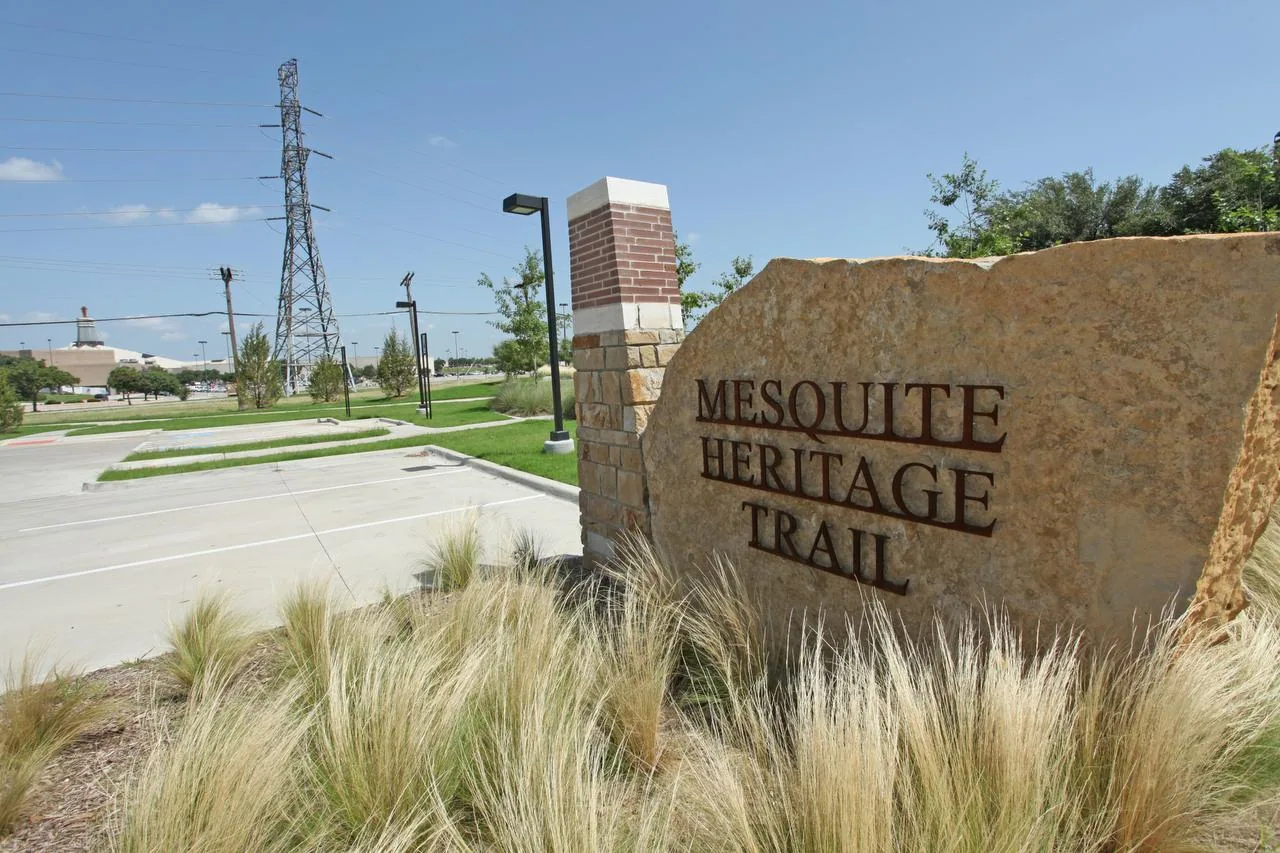

Roof conditions recorded with photos and written findings.
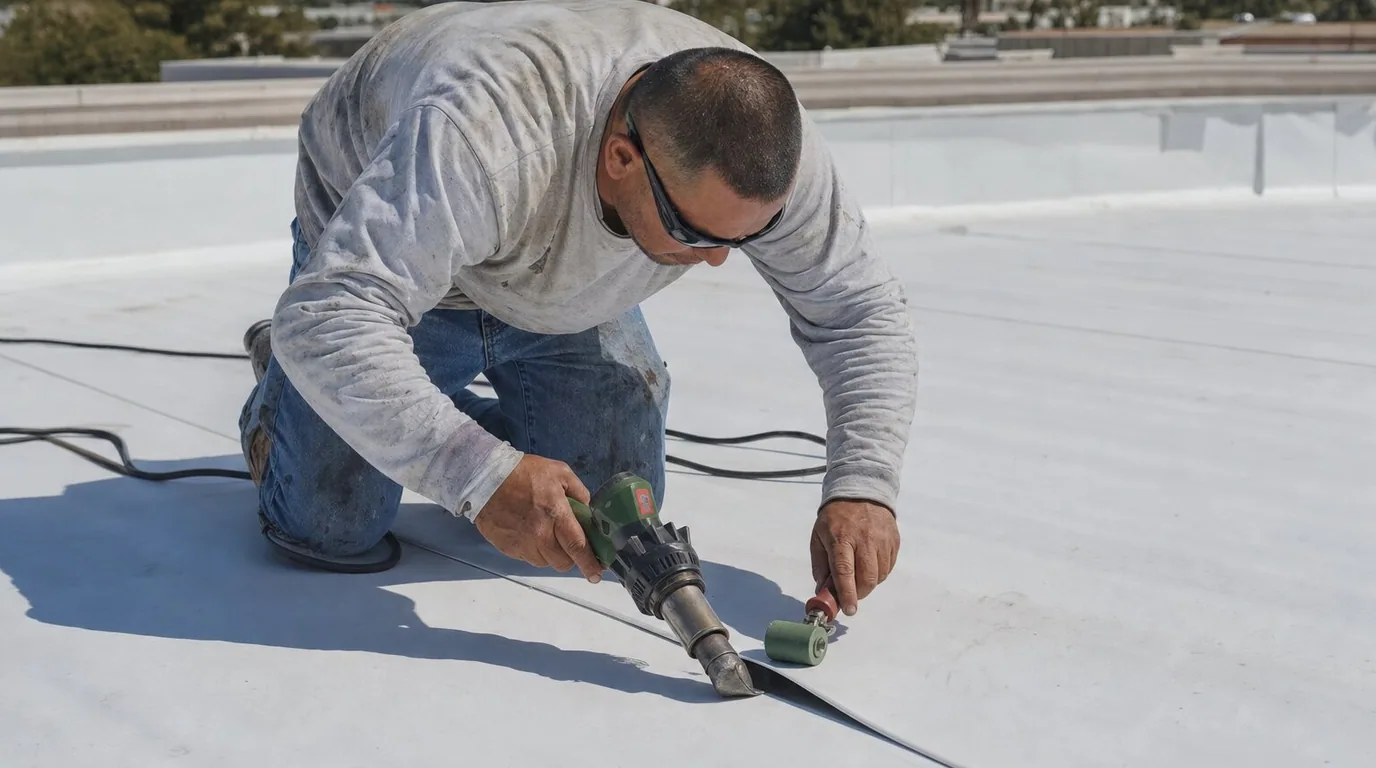
Work planned around the building and its daily operations.