
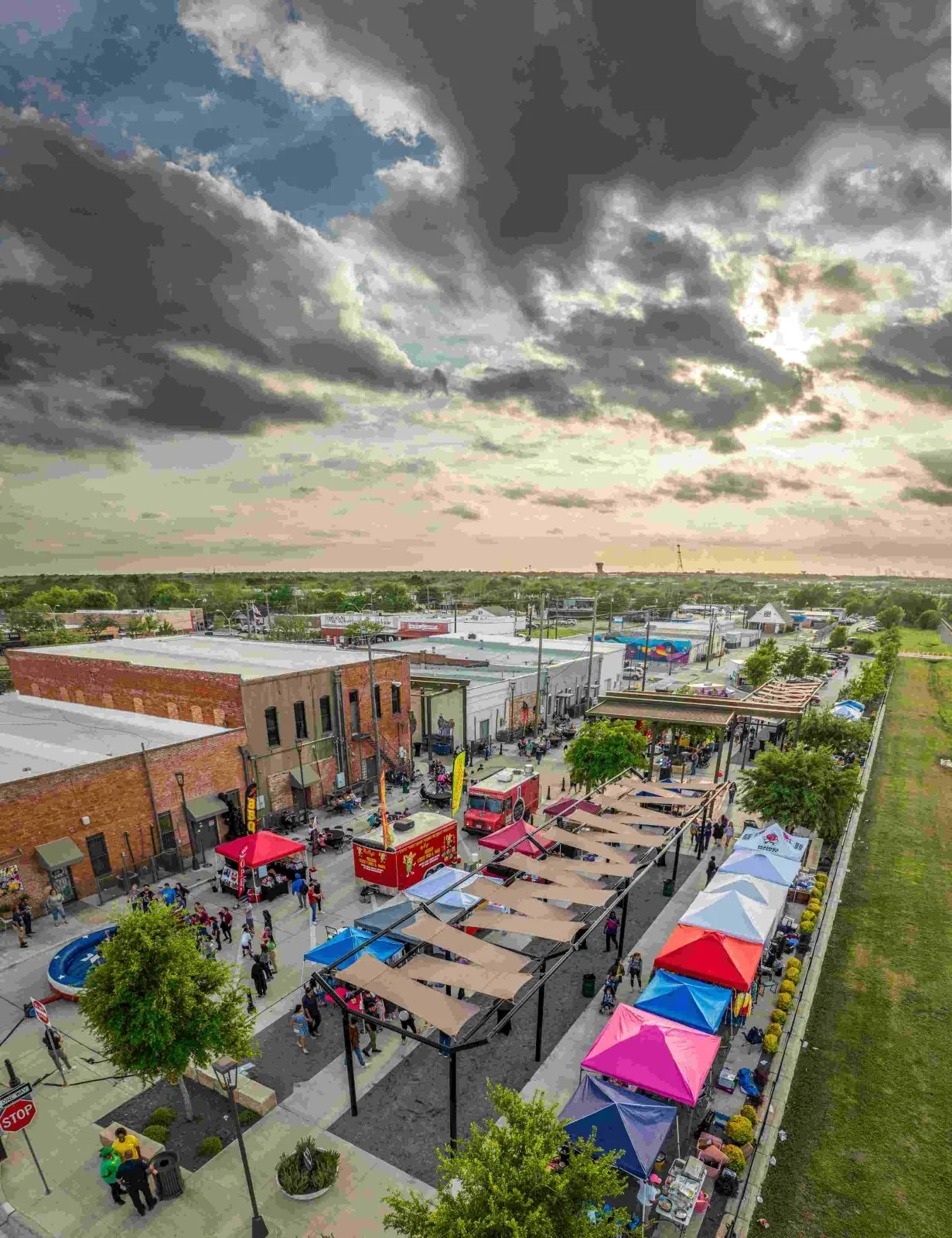
Commercial Roofing in the Peachtree and Interstate 635 District, Mesquite, TX
A roof leak in the Peachtree and Interstate 635 district needs a boundary tied to the actual building, not the broader development plan. We start at the reported interior area, inspect the roof section above it, and check seams, curbs, drains, and transitions uphill. The mixed-use area is about 60 acres, south of Gross Road, east of Peachtree Road, and west of IH-635. Those boundaries describe a district, not an individual roof system.
The broader Verde Center at Peachtree development has a medical-district context, while IH-635 and Town East are commercial investment areas in Mesquite. That context may shape how a property schedules access, but it does not establish that a particular building is occupied or identify its roof assembly. We confirm the address, records, roof access, and affected interior space before assigning work. A commercial roof visit along the IH-635 corridor and Town East inspection each need their own site contact and work plan.
Where Should the Inspection Start?
The inspection starts where water appears, then follows the roof uphill. We record the room, timing, rain conditions, equipment below, and any prior repair at the same section. A ceiling mark can be distant from the entry point. Water may track through insulation or along the deck before showing indoors. We check the connected seams, parapets, penetrations, drains, and curb flashing before setting a patch boundary.
At a medical-office use, interior protection and equipment access may affect the work window. The fact that the wider district has a medical-development context does not confirm a medical tenant at the property. The site contact identifies the actual use, spaces that remain occupied, and any equipment that cannot be interrupted. We plan around those instructions rather than making assumptions from a planning label.
The roof assembly must be confirmed before selecting materials. A membrane, coating, metal panel, or built-up roof has different preparation and detail work. We inspect prior patches, seam adhesion, edge metal, drainage, and any accessible attachment clues. If the records and roof appearance disagree, we flag the question and identify what inspection step could resolve it. A commercial roof inspection can connect findings to the owner's roof plan and photo record.
Which Conditions Belong in the Repair Scope?
Dallas-Fort Worth summers bring heat and humidity. July and August daytime temperatures stay in the 90s and often exceed 100 degrees. We look for changes in exposed sealant, membrane laps, coating edges, and curb flashing. Those observations can point to maintenance or a repair, but the regional climate does not establish damage at any one address. The existing assembly and field condition set the scope.
Spring is the region's most active severe-weather period. Hail, damaging wind, flooding, and tornadoes recur in the Metroplex, though impacts vary by location and event. After a reported storm, we inspect the affected section for punctures, open seams, shifted metal, debris, and water intrusion. We mark what is visible and separate it from areas that need testing. A wind damage roof inspection or hail impact review can narrow the visit to the owner's reported concern.
Rainwater needs a separate route check. We inspect slope toward drains, overflow openings, and scuppers, then look for ponding or movement at the outlet flashing. If water remains after nearby surfaces clear, we determine whether a blocked drain, low section, or wet insulation is involved. The repair should address the cause that the inspection finds, not merely the visible pool.
How Can a Mixed-Use Work Window Stay Safe?
Access starts with the property contact. We confirm the roof entrance, staging area, lift route, business hours, and the ground-level space that needs protection. A project with offices, retail, or other uses can have different access windows, but the owner tells us what is operating at this address. If an entrance or service route must stay open, we set the work zone away from it or schedule a period when the route can be controlled.
Temporary water control and permanent repair are separate decisions. When active water threatens an occupied area, we identify a safe short-term measure and its limit. The photo record states what was covered, what remains exposed, and what part of the assembly still needs inspection. A later repair can proceed once materials, weather, and access support a durable tie-in. If the site cannot release a roof section, we note the boundary and arrange a return rather than opening it without a closure plan.
Pricing reflects measured quantities, roof height, compatible materials, access equipment, weather, and conditions below any opened area. Wet insulation or a deteriorated deck may alter the work after removal begins. We show the affected location and revised scope to the property contact before proceeding. For an active leak that cannot wait for a full bid, a commercial emergency response can address immediate water entry while a permanent repair is planned.
When Does the Roof Need a Broader Decision?
A local repair is suitable when dry, stable material surrounds the failure and the detail can tie into the existing assembly. We prepare the surface, correct the opening, and examine nearby seams or flashing that share the water path. A coating requires sound adhesion and a suitable substrate. A metal roof needs its panel laps and fasteners checked. The method follows the roof we find, not the mixed-use designation.
Repeated leaks, widespread moisture, or movement across connected sections can justify comparing a repair with recover or replacement. We use the roof plan to show the included area, the sections not tested, and any material that must be removed. The owner can see what a patch solves and what it leaves unresolved. A replacement evaluation can compare that boundary with a larger scope when the inspection supports it.
IH-635 and Town East are important commercial investment areas. That citywide context helps explain why building access and project scheduling can vary, but it says nothing about an individual roof's age or condition. We inspect the actual section and record what is known, what remains concealed, and which test would change the decision.
What Should the Property Record Keep?
Before demobilization, the crew and property contact compare completed work with the approved scope and review the accessible perimeter. The closeout lists the installed material, work date, rooftop photographs, and any coordination item awaiting owner direction. Mark excluded sections clearly so a maintenance team does not assume they were inspected. If roof access was limited, identify the part that could not be viewed and arrange a separate review.
When several roof sections are involved, organize the record by building area and repair date. That lets the next facilities review distinguish a new condition from an older repair without treating one visit as a roof-wide assessment. A roof condition report with photos can retain the observations and scope boundaries for that follow-up.
To arrange an inspection near Peachtree Road, send the property address, roof plan, leak timeline, affected room, and safe access period. Include roof-entry instructions and any equipment or entrance that needs to stay in service. We will confirm the visit, inspect the reported section, and return a work scope tied to the assembly.
Commercial Roofing Questions
Does the Peachtree district plan identify the roof on a building?
No. It outlines a mixed-use area and its development context, not a property's membrane, metal, age, or condition. We inspect the installed assembly before choosing a repair method.
What should a manager send before a roof inspection?
The property address, roof plan, leak timeline, affected room, access contact, and any restricted hours are useful. We use those details to set the route and identify what needs protection below.
Can roofing work be scheduled around office or retail activity?
The site contact sets the safe access period and the areas that must remain open. We define the staging route and work zone around those operating conditions before dispatch.
Will a regional hail or wind event prove roof damage here?
No. The weather pattern helps prioritize an inspection. We document the conditions on the actual roof and separate visible damage from areas that require testing.
Which field findings support a broader replacement review?
A wider repair boundary, repeated openings, or moisture beyond the visible area may support that comparison. We show what is confirmed, what remains concealed, and what a broader scope would change.
Set a Peachtree District Roof Walk
Send the address, roof plan, reported symptom, affected space, and approved access period. We will inspect the installed roof, mark its repair boundary, and document any separate testing needed.
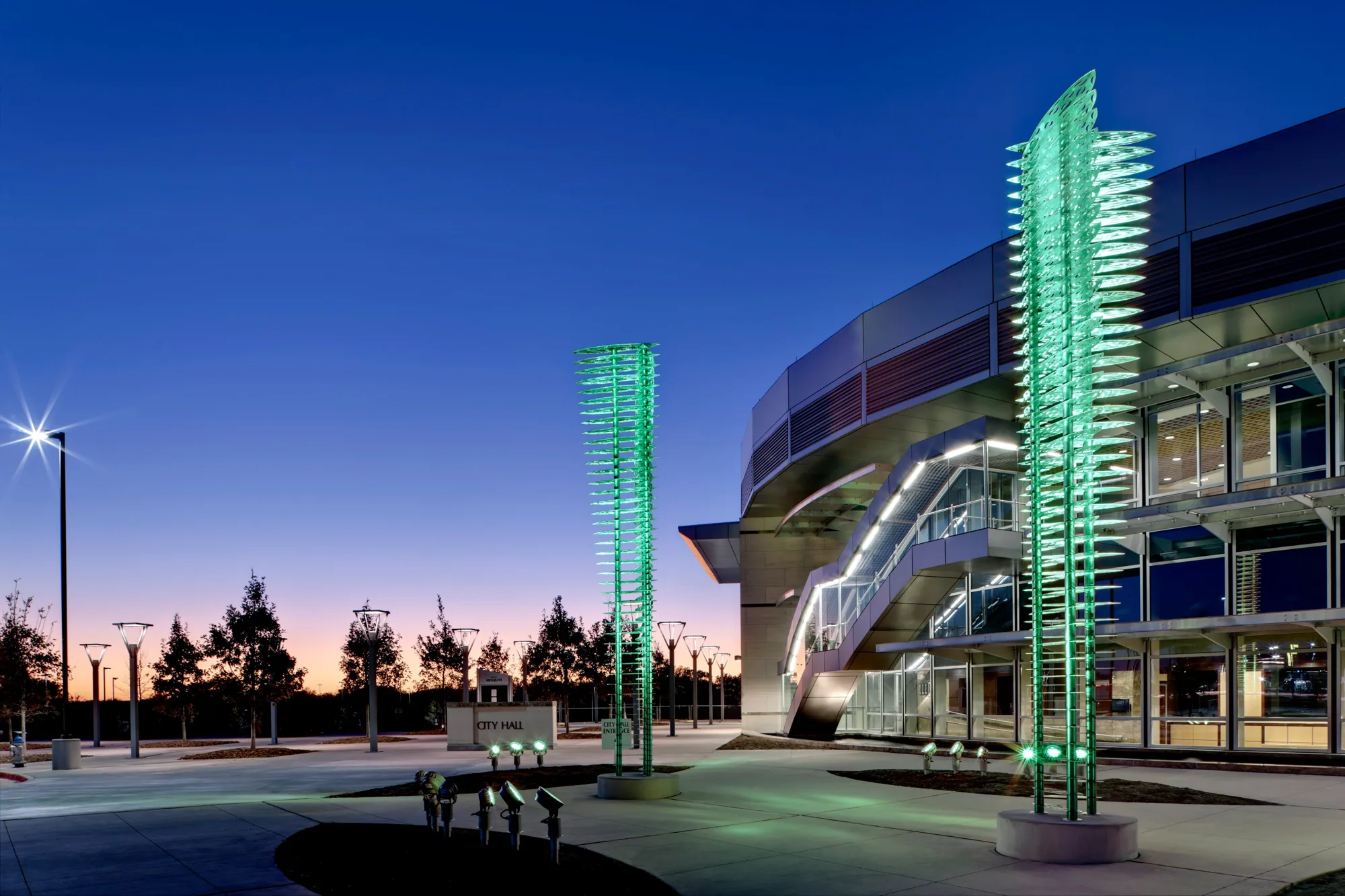
Scope, access and schedule reviewed before work begins.