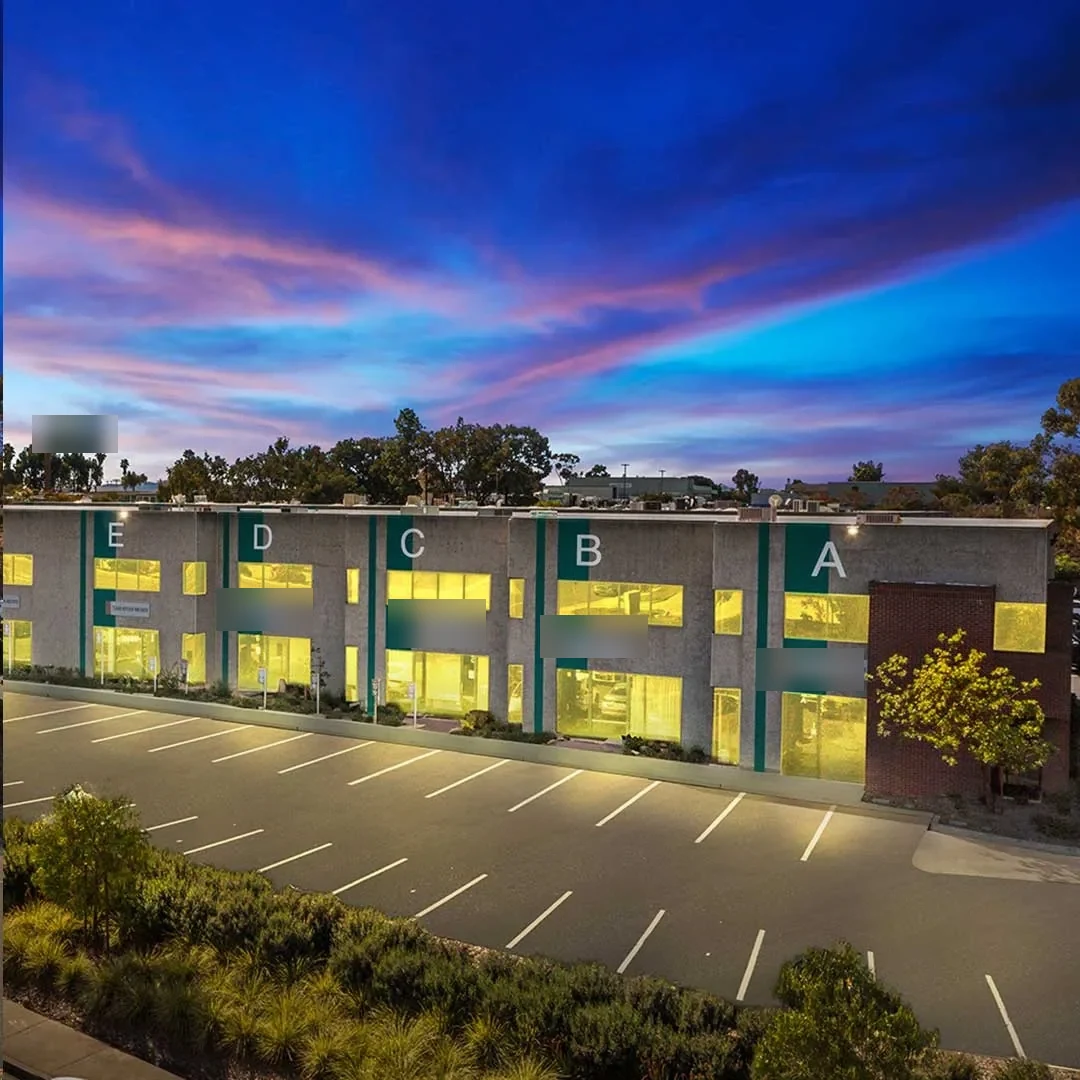

Commercial Roofing along Interstate 635, Mesquite, TX
Retail and commercial roofs along IH-635 need a clear work boundary before a crew blocks access or opens the surface. We start with the leak, wear, or storm report, then trace the roof path and identify the section that needs attention. Interstate 635 is one of the major routes crossing Mesquite. The wider corridor includes reinvestment areas and commercial districts, but that regional setting does not establish the assembly or condition at any address.
The Towne Centre reinvestment area supports retail and other commercial districts along the IH-635 corridor. Infrastructure and commercial reinvestment have focused around the highway. These are broad planning patterns, not property-level roof facts. We confirm the building's address, access contact, roof plan, and operating hours before the inspection. A Peachtree and 635 district roof visit or Town East property inspection uses that site's own schedule.
Which Roof Section Needs the First Look?
We record where water appears, when it began, and what lies beneath that area. Then we inspect uphill across the membrane or panel to seams, penetrations, drains, curbs, walls, and roof edges. Water can move before it reaches a ceiling or equipment. The interior mark helps us choose the first roof section; it does not set the final patch boundary.
Assembly identification comes before material selection. A metal panel, membrane, built-up roof, foam, or coating has different closure details. We check prior patches, surface condition, drainage, flashing, and the limits of safe access. If a moisture reading or test opening would affect whether the owner selects repair or a larger project, we identify the proposed area and what the result could clarify. A roof inspection with photos can tie those observations to the roof plan.
Corridor context does not tell us the building use. Some properties may rely on customer access; others may have deliveries or restricted equipment windows. The manager identifies the actual activity and the ground areas that must stay open. We plan lift placement, material staging, and debris movement around those instructions instead of assuming that all sites along the same highway operate alike.
What Should Heat or Storm Exposure Trigger?
Dallas-Fort Worth summer heat and humidity put exposed roof details on the inspection list. July and August daytime temperatures regularly stay in the 90s and often pass 100 degrees. We check edge metal, seam closures, coating adhesion, and sealant at penetrations for changes that could affect water control. Climate explains why those details merit attention; only the field condition determines whether a repair is needed.
Spring brings the Metroplex's strongest thunderstorm and severe-weather activity. Hail, damaging wind, flooding, and tornadoes occur across the region, but their effects do not fall evenly on every address. After a report, we compare its timing with observed conditions on the roof. Photos show impact marks, displaced metal, open seams, debris, and any interior water. A wind damage inspection or hail damage roof review can focus on the affected section.
Water management is a separate check. We trace slope to drains, scuppers, and overflow points and look at the flashing around each outlet. A blocked drain and a depressed deck can both hold water, but one cannot be treated as the other. If the low area stays wet after the rest of the roof clears, we map its boundary and determine whether testing below the membrane would change the scope.
How Can Work Avoid a Route Conflict?
Before dispatch, the contact identifies the service entrance, roof hatch, staging point, delivery period, and the spaces below the repair. A lift may need a short closure; a crew carrying material may use another path. We agree on those limits first. If the site cannot release the roof section during normal hours, the plan can use a different shift or separate the inspection from permanent work.
When water is active, temporary protection may need to happen before the full assembly is understood. We define the area covered and the area still exposed. A permanent repair follows after the roof system, moisture condition, and tie-in area are confirmed. If weather or access stops the work, the closeout records what the next shift needs to know before reopening the affected space.
Schedule and price reflect roof height, measured repair area, compatible material, staging requirements, moisture or deck findings, weather, and any separate work windows. If removal reveals a larger wet area, we stop at the agreed boundary, photograph the condition, and ask the owner before expanding permanent quantities. The emergency roofing response can address immediate water control while a broader inspection proceeds.
When Does the Corridor Roof Need a Larger Scope?
A localized repair can work when material around the failure is stable, dry, and compatible with the proposed patch. We prepare the surface, address the opening, and check connected seams and flashing. If the roof has a coating, we test adhesion and moisture conditions before adding another layer. For metal, panel laps, fasteners, and edge details must close as a system.
Repeated leaks or moisture extending beneath the surface can change the decision. We compare the repair boundary with recover or replacement options, showing what each would remove, retain, or leave untested. Concealed conditions remain separate until the owner authorizes a test or opening. A replacement scope review helps compare a recurring repair with a wider project when findings justify it.
Because the IH-635 route links multiple commercial areas, operating schedules can differ from block to block. The highway's status as a major Mesquite route does not describe the roof, tenant hours, or service entrance at a specific site. We ground the recommendation in the building's actual condition and the manager's schedule. A condition report with section photos keeps the basis for the decision available to the property team.
What Should the Repair Handoff Show?
The handoff identifies the assembly, inspected section, observed defect, preparation, installed material, and completed tie-in. Photos should be connected to the roof plan. Any area not reached remains clearly outside the repair boundary. Temporary protection gets its own limit and follow-up action so it is not mistaken for permanent work.
For a property with several roof sections, the report can show the location and status of each repair. That gives a future maintenance visit a clear place to resume. It also helps separate an observed issue from a condition that still needs access or testing. The property manager can keep that record with tenant notices and work-window approvals.
To schedule along IH-635, send the site address, roof plan, reported symptom, date or timeline, and safe access period. Include delivery hours, work areas below, and any entrance that must remain open. We will inspect the right section, define the repair limit, and return a scope tied to the roof conditions found.
Commercial Roofing Questions
Does a building on IH-635 need the same roof treatment as its neighbor?
No. Roof system, age, damage, drainage, access, and the use below can differ by property. We inspect the actual assembly and set the repair boundary from field conditions.
Can a roof visit be scheduled outside customer or delivery hours?
The property contact can identify the approved window, entrance, and staging route. We plan the work zone around the areas that need to remain open and confirm access before dispatch.
How do you decide whether water standing on a roof needs repair?
We inspect slope, outlets, overflow, membrane condition, and the area below the surface. A blockage, low deck, and wet insulation require different next steps, so we map the condition before recommending work.
What will you document after a storm inspection?
The photo record identifies each inspected roof section, visible impact or displacement, interior symptoms, and areas needing a test. We keep those findings separate from any section that was not reached.
What changes the timing of a commercial roof repair?
Roof height, staging, material compatibility, concealed moisture, weather, and the site's operating window affect sequence. We identify those constraints and pause for direction if removal changes the expected scope.
Set a Roof Inspection Around the Route
Send the property address, roof plan, leak timeline, access contact, and the hours that must remain open. We will inspect the assembly, define the repair area, and document the next work window.
Scope, access and schedule reviewed before work begins.