Grocery Store Roofing in Mesquite, TX
A drip above a refrigeration case or stockroom can become an operations issue before the roof source is known. We locate the interior symptom, compare it with the roof plan, and inspect the nearest seams, equipment curbs, drains, and wall returns. Water can travel across a deck before showing indoors. We confirm the affected layers and keep temporary water control separate from the permanent repair scope.
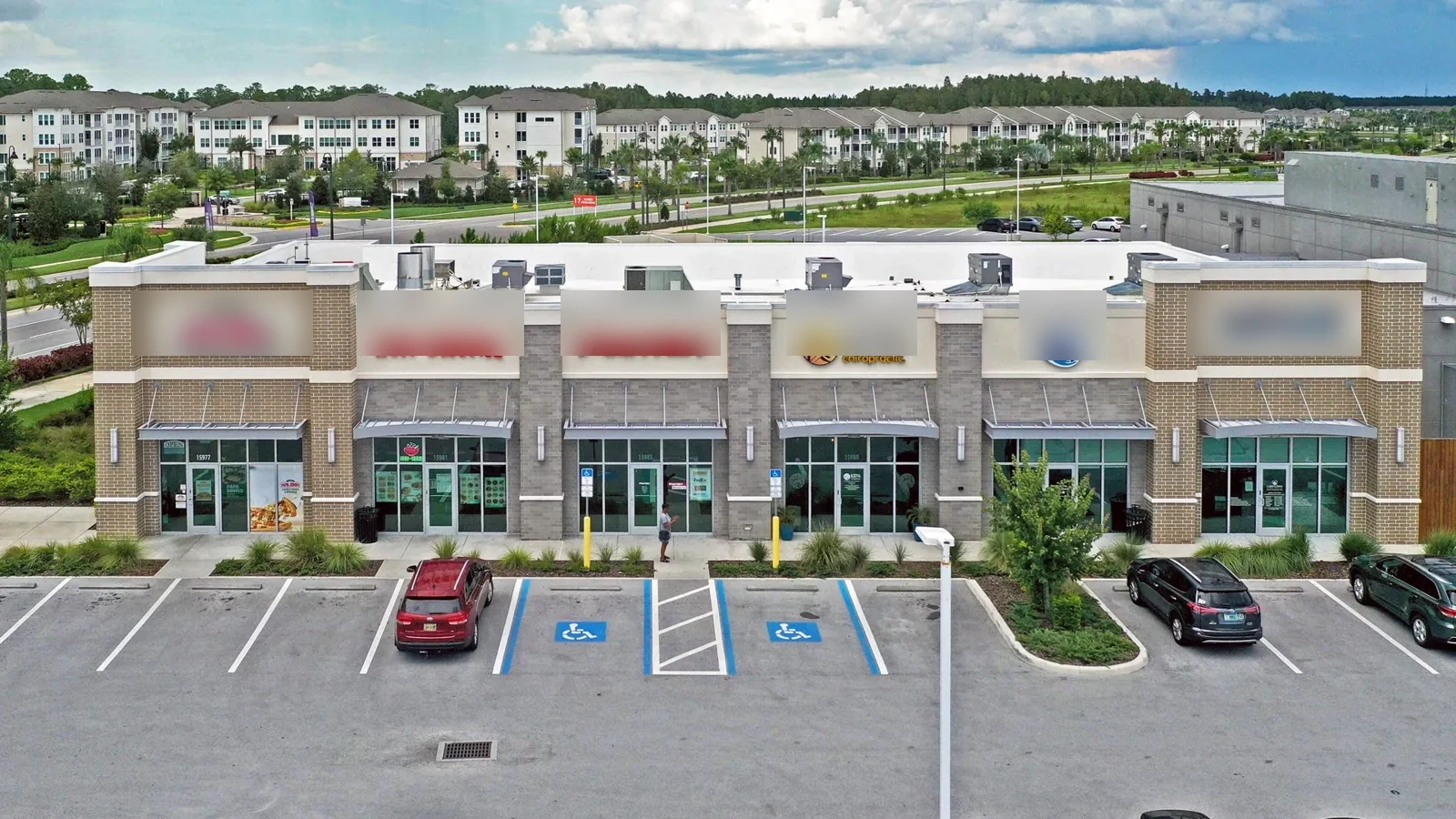
Mesquite's Town East retail and restaurant area is a contiguous commercial district, and the city's larger Towne Centre and Market East area includes retail and service activity. Grocery deliveries and customer traffic still follow the individual store's operating plan. We coordinate access around receiving, refrigeration service, public entrances, and food-safety controls before staging or opening a roof section.
Which Refrigeration Areas Need Immediate Protection?
Start with the affected case, walk-in, electrical panel, and stock route. The store contact identifies temperature-sensitive goods and equipment that cannot be exposed to water or dust. We inspect roof-mounted lines and curbs for failed flashing, loose supports, damaged sealant, and movement at the membrane. If water is active, temporary protection comes first. The inspection then determines whether insulation or the deck needs to be opened and replaced.
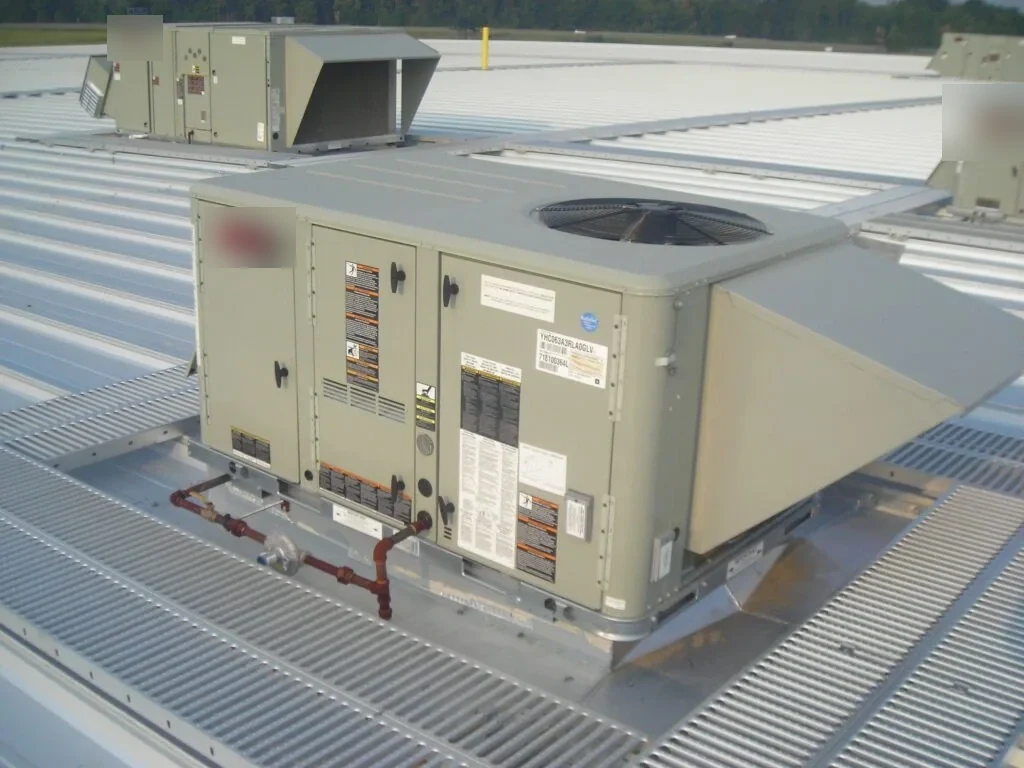
Refrigeration penetrations are not interchangeable details. Pipe supports, line sets, exhausts, and equipment rails need flashing that matches the membrane and allows service access. We record the repair limit so a later refrigeration visit does not cut through a new seam. Where a roof replacement is planned, equipment curb and support work can be coordinated before the new membrane covers the transition.
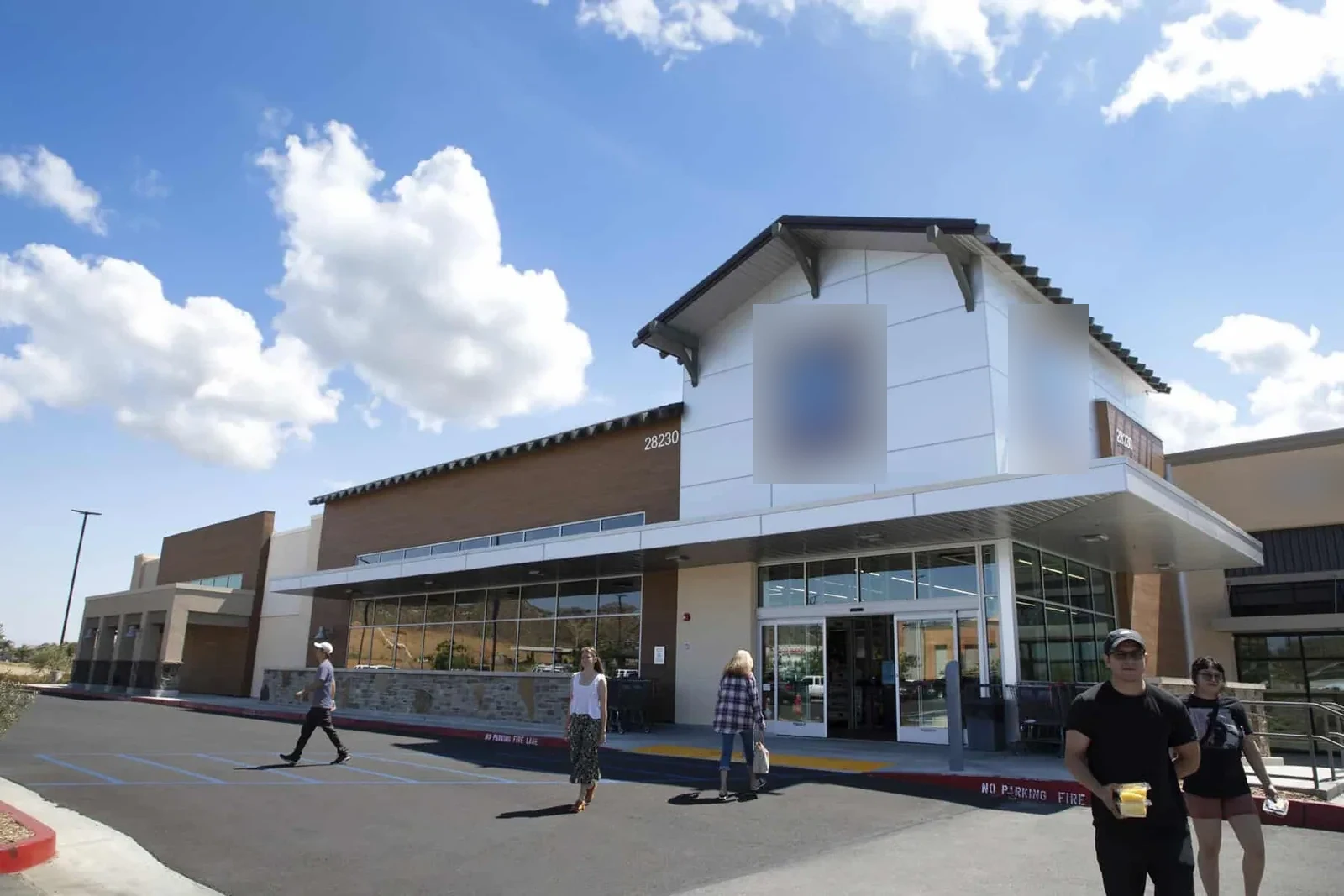
A standalone grocery may have a roof footprint and loading pattern closer to a big-box retail property, but refrigeration penetrations and cold-chain exposure call for their own checks. We mark line supports, equipment bases, and service clearances on the roof record. This gives refrigeration technicians a clear route and keeps later work from opening the repaired leak boundary or compressing the insulation near a curb.
Can the Receiving Schedule Stay Intact?
Food deliveries, waste removal, and customer entry can occupy different sides of a store. We confirm which door or loading lane has to remain clear, how a lift can reach the roof, and where the ground work zone can be set. The sequence should keep truck movement and pedestrian routes separated from overhead work. If weather interrupts removal, the open area needs a defined dry-in before the crew leaves.
U.S. Highway 80 connects Mesquite commercial areas, while the Towne Centre investment district follows the I-635 corridor. That regional access can help set a dispatch route, but it does not replace the store's delivery plan. The Town East retail district includes retail, restaurant, and entertainment activity, which is useful context for coordinating local deliveries. A nearby shopping center roof can have separate tenant routes; each property still needs its own staging map.
Are Drains Keeping Water Away from Cooler Curbs?
Water that backs up near refrigeration equipment can reach seams, curbs, and insulation before it enters the store. We follow the roof slope, inspect drain bowls and strainers, and check low transitions around equipment pads. Debris removal can restore flow when a strainer is blocked. A separated flashing or sagging section needs a different correction. We identify each condition before treating ponding as a membrane failure.
The Metroplex spring storm season includes large hail, damaging gusts, flooding, and tornadoes. We inspect the store for impact, shifted metal, opened seams, and drainage trouble instead of assuming a particular property took a hit. We do not assume every building received the same weather exposure. Drain and scupper repairs can address a verified outlet defect. If multiple leaks are reported, a moisture survey can help select test openings, with physical checks confirming wet insulation.
Which Membrane Fits the Store's Roof?
We identify the existing system before comparing replacement choices. TPO and PVC use heat-welded seams, while EPDM details rely on adhered or taped joints. Modified bitumen has reinforced asphalt sheets and different flashing transitions. The assembly, drainage, deck, and equipment layout narrow the options. Product names do not solve a roof that still has wet insulation, loose substrate, or unsupported curbs.
Mesquite's July and August daytime highs across Dallas-Fort Worth remain in the 90s and often reach 100 degrees or more. Heat affects work conditions and installation windows. We follow product requirements and schedule the roof area accordingly. For a compatible assembly, PVC roofing can be considered where the project specifications support it. If the surface and substrate are suitable, a coating restoration assessment may be compared with selective removal and replacement.
What Should the Store Keep in Its Roof File?
Record the affected roof section, equipment curb, materials removed, insulation condition, repair product, and remaining limits. Before-and-after photos help facilities staff distinguish a new leak from the repaired location. Include any test cut, dry-in boundary, and follow-up inspection point. That record is useful when refrigeration technicians or another roofing crew need to work near the same equipment.
A store may have several roof areas added or repaired at different times. We map those boundaries and do not carry a finding from one area to another without inspection. A maintenance plan can track drains, seams, equipment flashings, and reported leaks by section. For a larger chain, multi-location retail roof coordination can standardize records while keeping each store's findings distinct.
Commercial Roofing Questions
Can you repair a grocery roof without interrupting food deliveries?
We coordinate staging and lift access with the receiving schedule and keep the approved delivery lane clear. Work near overhead doors may need a different sequence than roof areas away from loading. The store contact also identifies pedestrian routes and the times when food-handling activity is most sensitive. If the repair cannot be closed before the next delivery period, we plan an interim dry-in and a safe return window.
What if a roof leak is near refrigeration lines?
We inspect the curb, line supports, nearby membrane, and drainage path, then coordinate with the refrigeration contact before changing any service detail. The roof scope should protect the equipment and leave access for future maintenance. Test openings show whether insulation is wet below the leak. We document the flashing repair and mark the work area so later service does not damage the new membrane.
Does a blocked drain mean the roof membrane needs replacement?
Not by itself. We clear and inspect the outlet, then check the surrounding membrane, drain bowl, seams, and insulation. If water has remained against an open lap, that detail may need repair even after the drain flows again. Test cuts establish whether the assembly below is wet. Replacement is considered only when the broader roof condition supports it.
How do you keep dust or debris away from food areas?
The work plan identifies roof access, debris handling, interior protection, and the ground zone below each active section. Store staff define sensitive rooms, intake locations, and customer routes before materials move. We remove roofing debris in controlled loads and close each section against rain at shift end. If a task risks exposure to an operating area, we change the sequence or set additional containment first.
When can a coating be used on a grocery store roof?
The existing membrane must be compatible, attached, dry, and prepared to the selected product requirements. Open seams, failed curb flashing, saturated insulation, or drainage problems need correction before coating. We inspect adhesion and substrate condition, then state what repairs remain outside a restoration scope. That lets the owner compare coating with selective removal or full replacement using actual roof conditions.
Coordinate Roof Work With Receiving and Refrigeration
Share the leak time, affected cases or stock areas, refrigeration schedule, roof plan, and delivery windows. We will inspect the curb, membrane, and drainage path, then set protection and repair limits by section.
Scope, access and schedule reviewed before work begins.