Commercial Roofing for Retail and Restaurant Chains in Mesquite, TX
A drip over a dining room, sales floor, or point-of-sale area can force a manager to move customers before anyone knows where the roof opened. We protect the occupied space, trace water to the roof section, and define the repair boundary before choosing a permanent fix. The store or restaurant lead identifies delivery hours, customer entrances, and areas that cannot close. We plan roof access around those constraints and record temporary cover separately from completed work.
Mesquite's Town East overlay addresses a contiguous business district with concentrations of retail, restaurant, and entertainment uses. The overlay retains underlying zoning except where its rules modify it, so conditions vary across the larger area. A roof visit in Town East retail and restaurant district should match each location's loading door, storefront, and operating schedule. For brands with several sites, a multi-location operations plan can help align dispatch without carrying one building's findings into another's file.
What Must Stay Open During Roof Work?
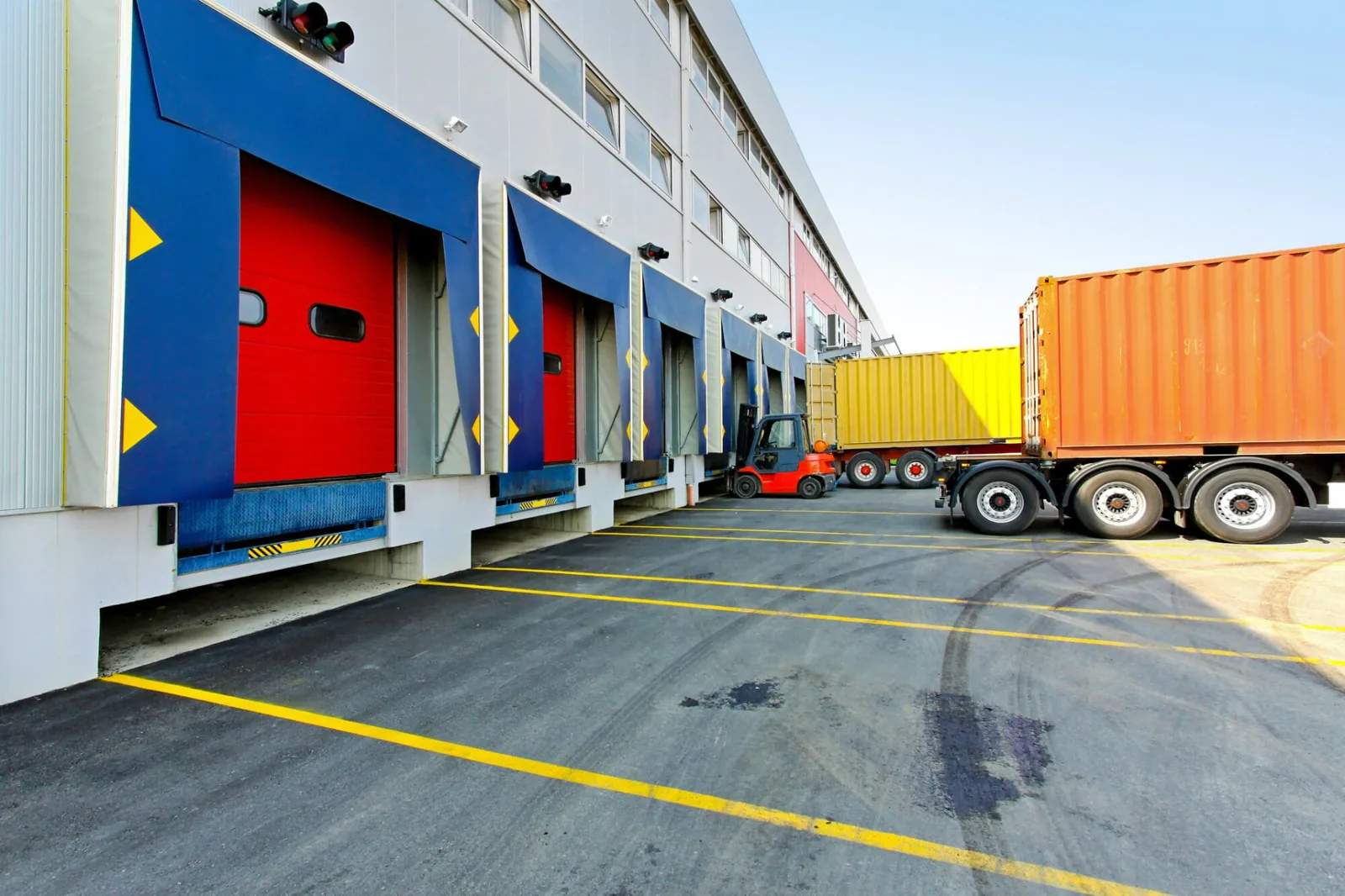
We identify the customer route, kitchen exhaust, deliveries, storage areas, and any space below the reported leak before setting a work zone. A restaurant may need its service entrance clear while a retailer needs access to a receiving dock. The property contact confirms which room can be protected or temporarily closed. We stage materials away from public entry and secure the roof opening before a shift ends. The scope names the area affected so a store lead can notify staff with a specific plan.
Mesquite's Towne Centre reinvestment area supports Town East retail and commercial redevelopment along Interstate 635. That district includes varied properties, so the route to the roof and timing of deliveries must be confirmed at each address. If a leak is active during business hours, our emergency response can control water while the crew checks the entry point. A leak repair visit then tests the surrounding seam, curb, and drainage path before a permanent scope is approved.
How Do We Find the Opening Above a Customer Area?
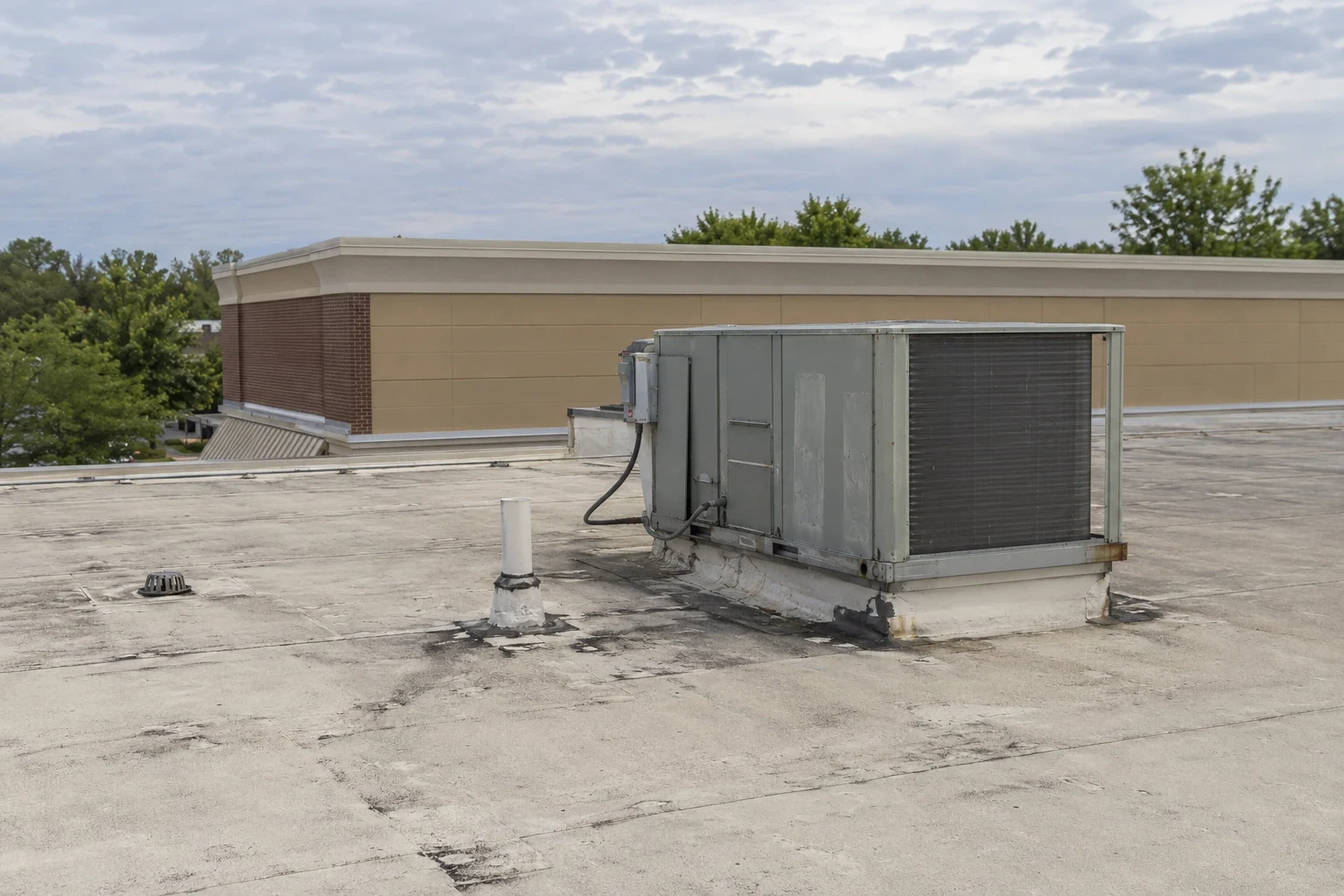
We use the interior report as a starting point, then inspect the roof section above and trace uphill. Water may travel beneath a membrane before it reaches a ceiling tile or wall. We check seams, drain bowls, scuppers, curb flashing, skylight edges, and prior patches. A damp area below a rooftop unit may come from the curb, a nearby seam, or condensate handling. We record what the roof shows rather than assigning cause from the room alone.
North Texas spring weather can bring severe thunderstorms, hail, damaging wind, flooding, and tornadoes, though no single property experiences every event each year. A storm alert does not prove a store roof was hit. We inspect for actual punctures, displaced edge metal, open laps, and water entry. Our storm-damage inspection separates observed impact from older wear. If the roof contains a TPO membrane, a TPO seam check verifies welds and compatible flashing before a repair is closed.
How Can Locations Share a Roof Record Without Sharing Assumptions?
Each address needs its own roof map, photos, and repair status. Chain operators can use common labels for location number, section, entrance, and tenant contact, but a similar roof system does not establish similar condition. We record the actual membrane, drainage, penetrations, and prior repairs at each site. If one store shows water after a storm, other locations are not automatically marked damaged. The portfolio register helps schedule checks; the field report sets the repair boundary for that specific roof.
Retail is part of Mesquite's business mix, and the Town East district combines commercial uses. That context can shape a route plan, while each operator controls its own opening hours and deliveries. A multi-site roof schedule can arrange inspections and closeouts by location. For a landlord coordinating multiple tenants, property manager roof records can track access and repair status. Those shared tools organize work, but the photos and conclusions stay address-specific.
When Is a Patch Enough for the Store?
A repair can stay local when inspection finds sound membrane, attachment, and insulation beyond the opening. We extend the check until the failed detail meets material that can hold a compatible patch. A recurring leak near the same entry may indicate that a prior patch did not reach the full failure. We compare a local repair with broader work when failures repeat across seams, flashing, or drainage areas. The price and schedule should identify closures, daily dry-in, and any equipment shutdown.
Mesquite's retail centers are reached from several regional routes. For roof work, the store's receiving lane and back-of-house plan control delivery and staging. A roof inspection can map adjacent details before repair. If the failure is widespread, a replacement review states removal depth, insulation, edge details, and customer-area protections. We keep the immediate leak response distinct from the larger option so operations can decide what to approve.
What Should the Store Lead Receive?
The closeout identifies the roof section, repaired detail, material, and before-and-after photos. It states whether temporary protection remains and what follow-up check is needed. The store lead should know whether the customer area can reopen and whether a future roof visit is planned. If a test opening was made, we record its location and restoration. That gives facilities and local staff the same account of the repair without asking anyone to interpret an invoice line. We photograph the closed section before reopening the area below.
The Town East retail district is a broad business area with uses that vary by property. That context supports local planning, not a claim about a particular brand or building. For repeat maintenance, planned roof checks can document drains, seams, and flashing at agreed intervals. A hospitality roof plan can apply similar operating coordination where guests occupy the building, while each location keeps its own record. If a roof needs a capital review, the photos and section notes provide the next step.
Commercial Roofing Questions
Can roof work avoid the busiest customer hours?
We can schedule around hours the operator identifies, subject to safe access and weather. We confirm deliveries, kitchen or store operations, customer routes, and interior protection before setting the work zone. If a roof opening cannot be secured within the available window, the scope needs a longer closure or another sequence.
What should a manager do when water reaches a dining or sales area?
Protect customers and staff, move inventory or equipment where safe, and report the location and timing to facilities. We coordinate temporary water control and inspect the roof above the symptom. The field check determines whether the opening is at a seam, curb, drain, or another transition.
How do you handle a chain with multiple Mesquite locations?
A central facilities team can schedule visits and maintain a shared register, while keeping findings, photos, and repair limits separate for each address. The operator can provide common access procedures and location contacts. A condition at one store does not establish that another roof has the same issue.
Will a storm automatically require a new roof?
No. We inspect for actual membrane punctures, displaced metal, opened seams, and wet areas. If the damage is limited, a targeted repair may be suitable. A replacement estimate follows only when the observed condition and extent of failure support a broader scope.
What is included in the repair handoff?
The closeout lists the repaired section and detail, materials, photos, temporary measures, and open follow-up items. It also confirms the work-zone release with the site contact. This lets store staff know what has changed and what should be reported if water returns.
Plan Roof Work Around Store Hours
Send the location address, leak timeline, affected customer or back-of-house area, delivery windows, and roof records. We will inspect the reported section, protect operations, and return a clear repair boundary for approval.