
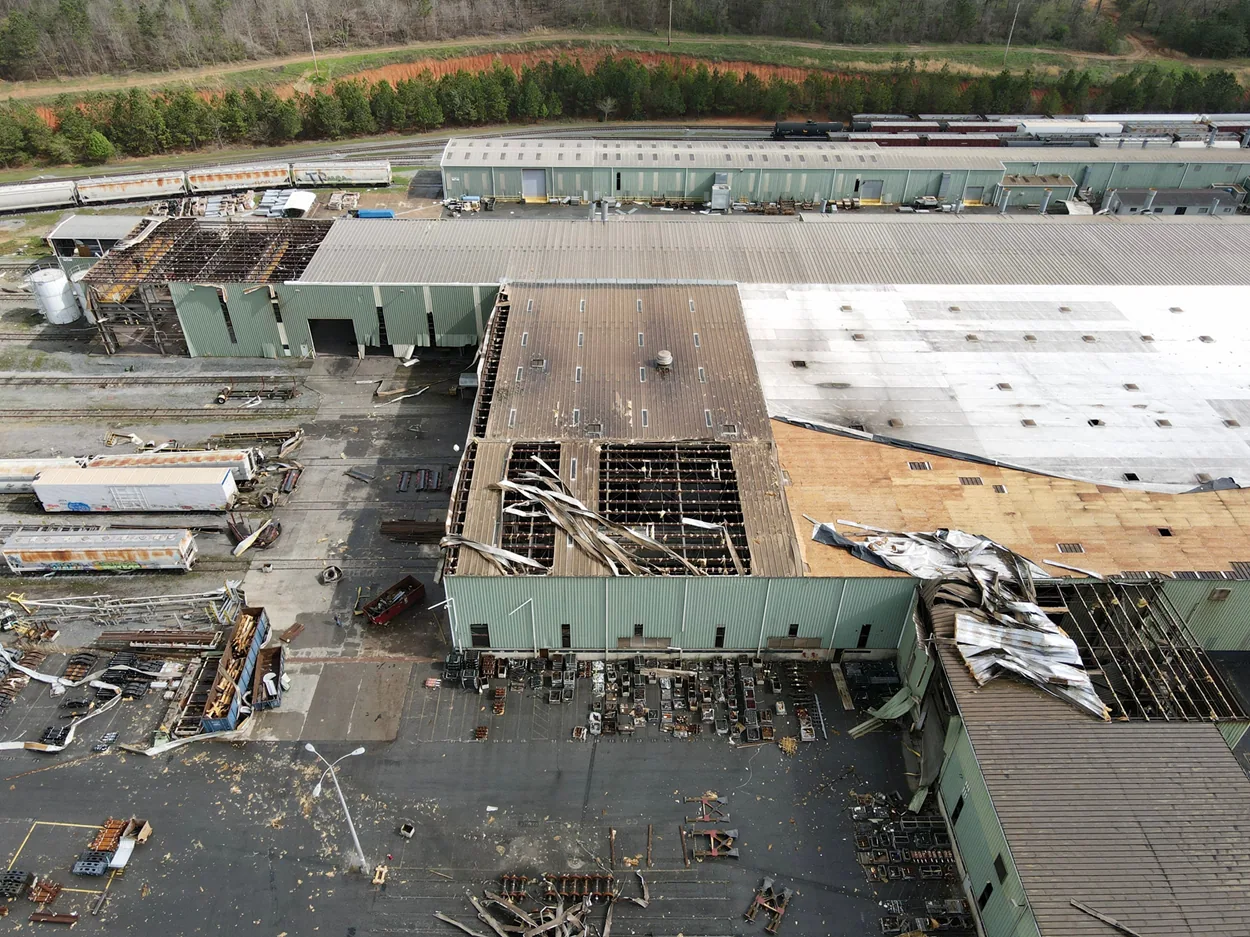
Storm Damage Roof Repair in Mesquite, TX
After a storm, the first question is which roof section needs protection now. We inspect for displaced edge metal, punctures, loose flashing, impact marks, blocked drains, and interior water, then separate immediate stabilization from permanent repair. North Texas spring storms can bring hail and damaging wind across the Dallas-Fort Worth region. That regional pattern helps set inspection priorities; it does not show that every building was struck. A distribution property near Urban District 30 and a retail roof in the Town East area may have different exposure, access, and operating needs. The record starts with observed conditions at the site.
We ask when the event occurred, where water appeared, what operations were running, and whether other trades accessed the roof. The crew photographs the affected details and checks nearby seams, curbs, drains, and perimeter edges. If water is active, emergency protection is available at any hour, including weekends and holidays. We can inspect the Urban District 30 area with access coordinated to the facility. For an active opening, emergency roof response can stabilize the interior risk before the full repair scope is complete.
What Needs Attention First?
People, electrical systems, inventory, and equipment come before roof diagnosis. Keep staff clear of a sagging ceiling or a wet electrical area. Do not send someone onto a slippery roof to take pictures. A facility contact can identify the affected room, access point, loading limits, and any area where operations cannot pause. We confirm those limits before staging a crew or lift. If the roof is not safe to access, we protect what we can from below and return when conditions permit.
Once access is safe, we walk the reported area and adjacent roof details. Wind can lift a termination; hail may mark a membrane or accessory; rain can expose a drain problem. The observed defect and its location matter more than the storm label. We check the interior location against the roof plan and follow water upslope where appropriate. A temporary cover has a defined edge and return action. The owner knows which area is stabilized, which needs permanent work, and which remains unverified.
How Do We Document the Damage?
We record the roof system, affected section, visible condition, and nearby transitions. Photos show scale and context, not just a close-up of a tear. We note whether the membrane is punctured, seams have separated, edge metal moved, or debris has obstructed a drain. Where a condition is uncertain, the report labels it for testing rather than expanding the scope without evidence. A photo-based condition report can organize the findings by section for repair and budgeting.
Storm context belongs to the timeline, not as a conclusion by itself. We compare the reported event with new interior symptoms, prior repair notes, and roof changes. A surface mark can predate the storm; a leak may relate to a nearby penetration. For moisture hidden below the membrane, an infrared survey can identify areas for verification. If the roof needs close-up access across a broad field, aerial imaging can support the route, with field inspection used for actual damage findings.
What Repair Boundary Fits?
A small puncture in a sound membrane may need a focused patch. A lifted edge, failed flashing, or wet insulation can require opening and rebuilding a larger area. We identify where material is sound, where the assembly needs confirmation, and whether drainage or equipment details also contributed. The repair should reach an appropriate boundary, not stop at the first visible mark. If several roof sections have recurring issues, we compare repair with coating, recovery, or replacement using the verified condition.
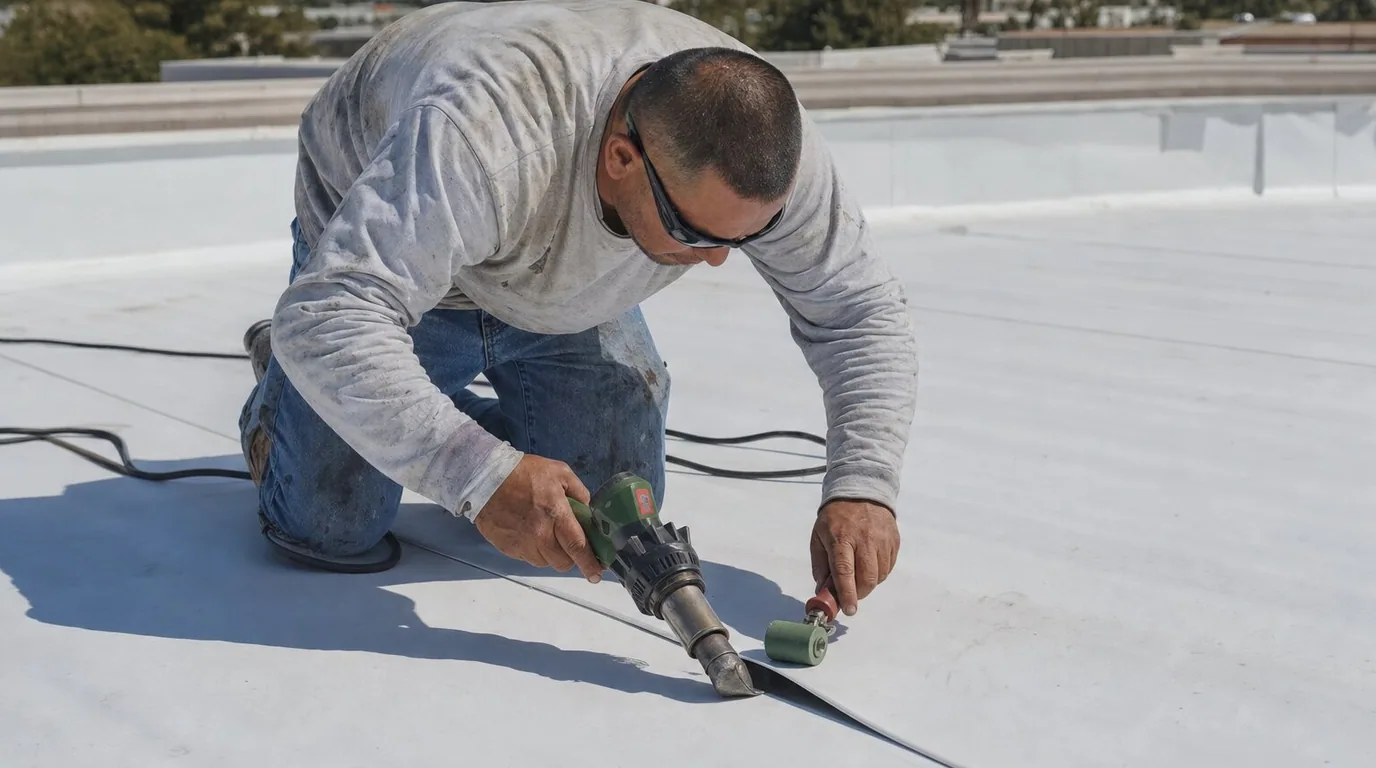
Material choice follows the existing system. A welded thermoplastic membrane, EPDM, modified bitumen, built-up roofing, and metal each need specific preparation and attachment details. We do not place an incompatible patch over a clean-looking surface. Where water is entering around a curb, the equipment-support and curb repair may be distinct from field membrane work. A permanent roof repair scope identifies each detail and the work needed to restore it.
How Do We Work Around the Site?
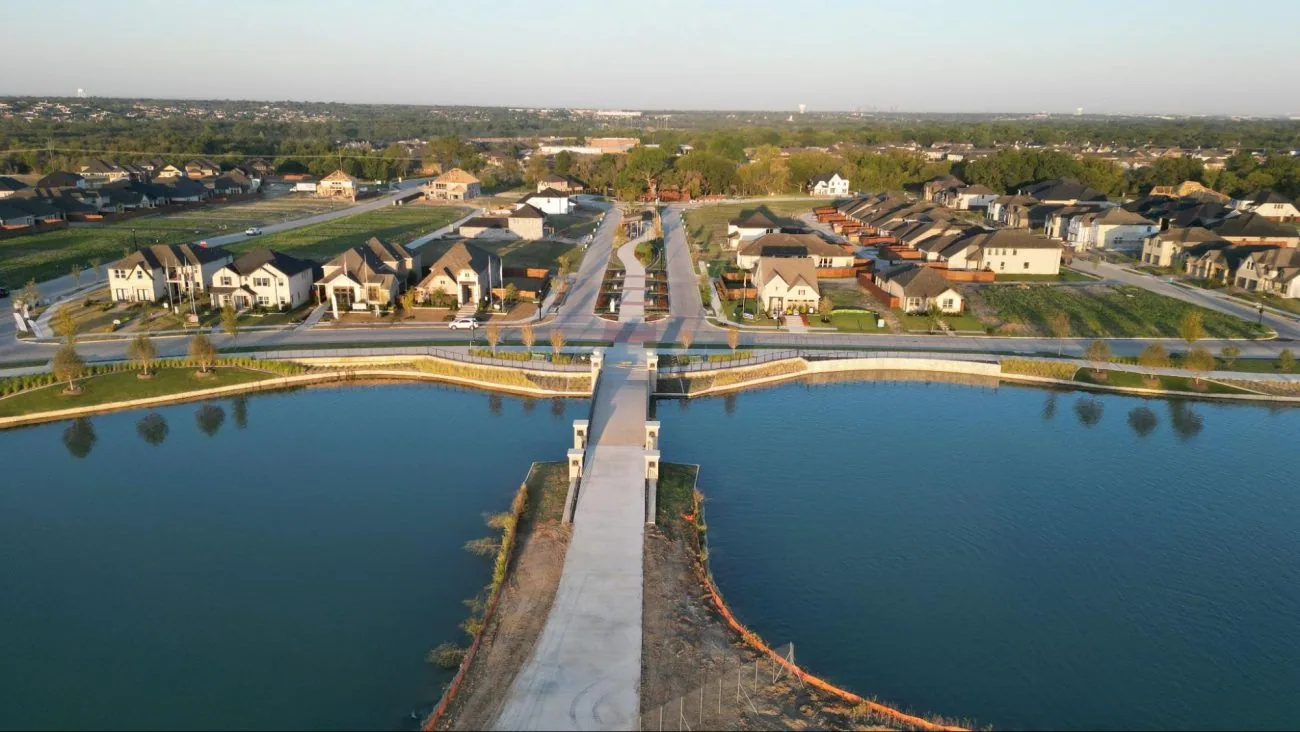
A storm repair can overlap with loading, retail hours, or production. We identify staging, roof access, overhead protection, interior boundaries, and routes that must remain open. The Town East-Skyline district includes manufacturing and distribution property between I-30 and Skyline Boulevard. Those uses can call for delivery coordination and a defined work zone. The site contact can set an access window and identify inventory or equipment that should remain protected. The crew closes each day's opening against weather before leaving the roof.
If rain continues, permanent repair may need to wait for dry conditions and safe footing. We provide temporary control when suitable and explain what it cannot confirm. Work can be staged in smaller sections so operations continue below. For a facility with multiple buildings, a multi-building roof program can record the affected roofs and compare next steps, while each repair remains tied to its own roof findings. We keep emergency stabilization, permanent correction, and unrelated maintenance as separate scopes.
What Does the Repair Record Support?
The closeout shows the reported event date, inspected roof sections, photographs, temporary protection, and permanent work completed. It identifies any area that was inaccessible or still requires testing. That record can support the owner's maintenance and claim file, but it does not decide coverage or prove a roof condition that was not observed. We give the facility a clear list of remaining work and a contact for follow-up after the next rain.
Where the roof remains sound outside a defined repair, a maintenance visit can check drains, seams, and edge details through the year. If damage extends across a large area or insulation is wet, we compare the repair cost and disruption with replacement planning. For buildings near the IH-20 Business Park, loading and access constraints can influence the order of work. The owner's next decision should follow the confirmed roof condition and the building schedule.
Commercial Roofing Questions
Does a storm report establish that our roof was damaged?
No. Regional weather tells us what to inspect, but the roof must show a condition tied to the site. We photograph the detail, compare it with the leak timeline and prior records, and note anything that needs testing. This separates an observed impact, lifted edge, or opening from a condition that is only suspected.
What can you do while rain is still falling?
When access is safe, we may protect the interior or secure a temporary cover with a defined boundary. Wet surfaces, high wind, or lightning can prevent roof work. We tell the facility contact what was stabilized and when a permanent repair can proceed. We do not leave an exposed opening without a weather-control plan.
Should we make temporary repairs before inspection?
Avoid climbing onto a wet roof or changing evidence near a suspected opening. Protect people and contents from inside if safe, and photograph the leak area without entering a hazard. Share the roof plan and prior service notes. We will document the roof condition and can include an authorized temporary measure before permanent work.
Can the repair be completed while production continues?
The work zone and access window decide the sequence. We coordinate staging, overhead protection, ventilation, and the route for employees or deliveries. A small isolated repair may fit between operating periods. A larger opening may need a phased schedule and dry-in boundary. The facility contact receives updates when the crew moves to another roof section.
What information should go into the claim file?
Keep the reported date, interior locations, photos, repair history, roof plan, inspection notes, temporary measures, and completed work together. We document field conditions and provide a written scope; the carrier determines policy coverage. Do not add a cause that the inspection did not establish. Our report distinguishes observed damage from areas that need further review.
Document the Roof Before the Scope Grows
Share the event timeline, affected rooms, roof plan, repair records, and access limits. We will inspect safe roof areas, stabilize urgent openings where possible, and document a permanent repair boundary.
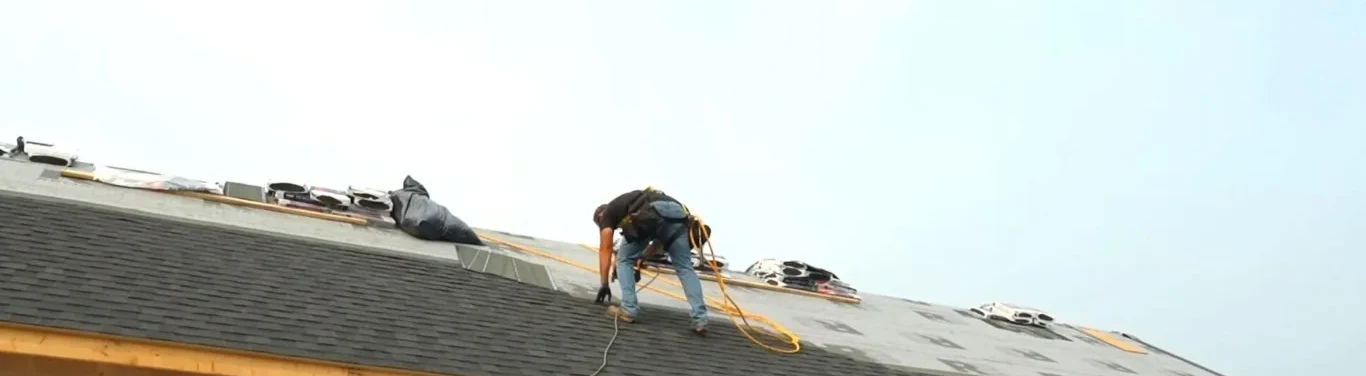
Work planned around the building and its daily operations.