Commercial Rooftop Equipment Curbs and Supports in Mesquite, TX
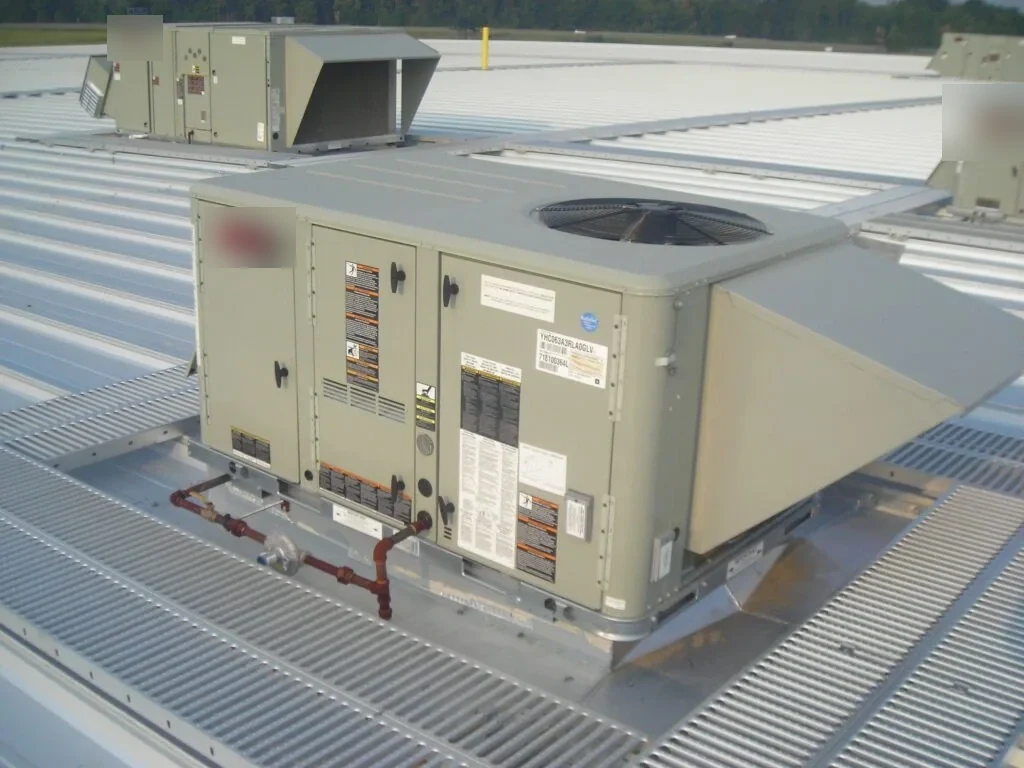
A leaking rooftop unit curb can put both the mechanical system and the space below at risk. We inspect the curb, equipment support, flashing, membrane, and water path before deciding whether to patch, rebuild, or replace the detail. The unit may be stable while its flashing has opened. A curb can also move as the equipment vibrates or as fasteners loosen. We mark the leak boundary and separate roof work from mechanical work before the crew begins.
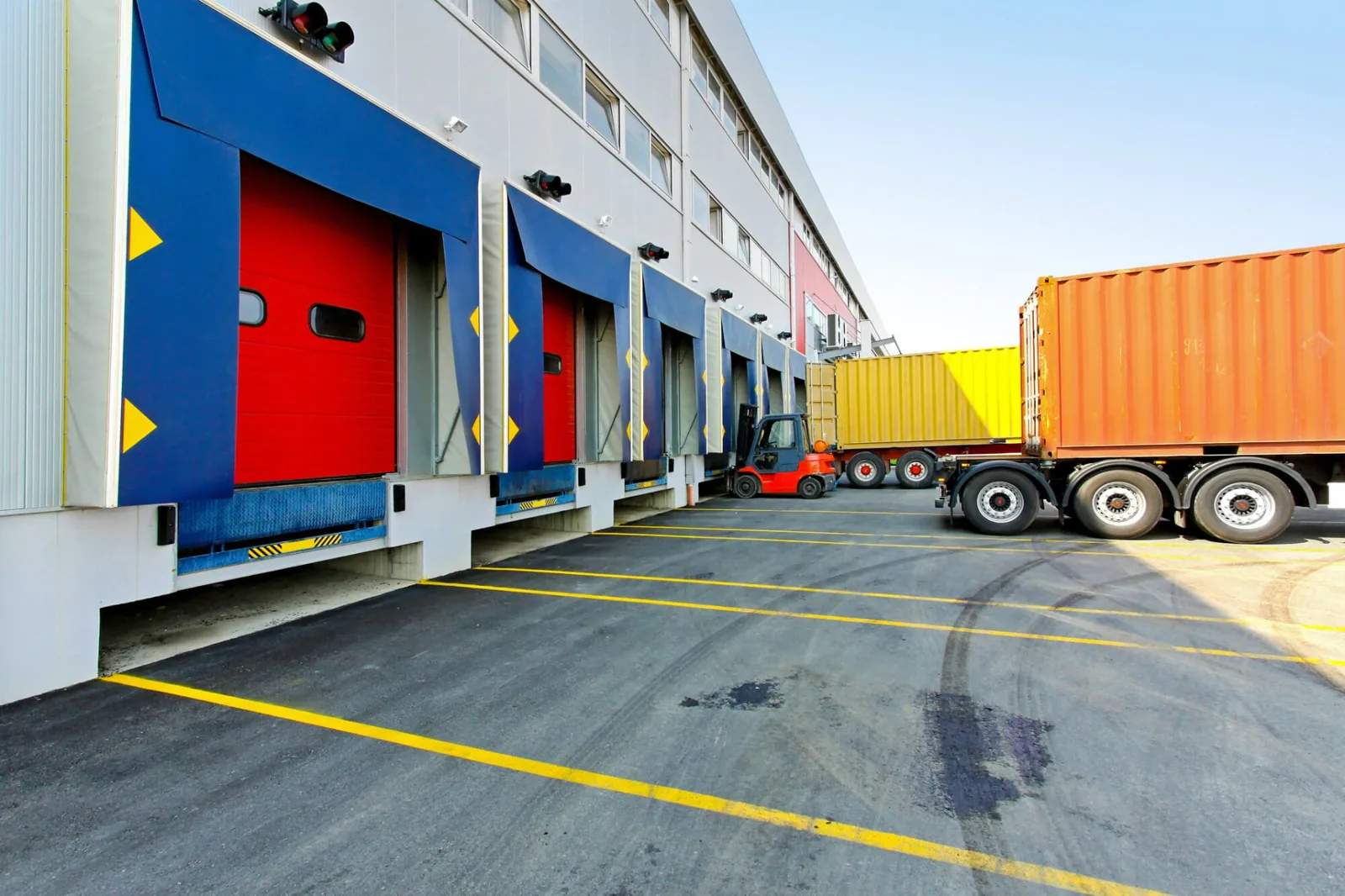
Mesquite facilities span busy commercial corridors and industrial districts. The Skyline Logistics Hub area includes manufacturing and distribution uses between Interstate 30 and Skyline Boulevard, where equipment access may compete with loading windows. The IH-20 Business Park plan includes an area along McKenzie Road with a retail tract and a larger contiguous industrial-park area; each roof and mechanical setup still needs an individual inspection. A roof repair near Skyline Logistics Hub starts by confirming equipment shutdown, crane or lift access, and the area below the curb. If water is already entering, leak tracing can set temporary protection while we check the permanent detail.
Is the Curb Moving or the Flashing Failing?
We look at the curb walls, corners, counterflashing, fasteners, support rails, and the membrane connection. Gaps at a corner can let water reach the insulation even when the top of the curb appears dry. A split in the field membrane may be unrelated to the unit. We compare the inside symptom with the exterior detail and inspect the uphill side, where water can collect or move beneath a flashing leg.
Vibration can work on a fastener or seam over time. If the unit rocks or a support is loose, a roofing repair alone may not correct the movement. We document the observed condition and identify where a mechanical contractor should isolate or stabilize equipment. We do not remove or reset a unit without a safe lift plan and clear responsibility for disconnects. The roof inspection can record nearby penetrations so another curb does not enter the work area unnoticed.
What Is Carrying the Equipment Load?
Equipment loads pass through the curb, rails, sleepers, or structural supports into the roof deck. We check for crushing, deflection, corrosion, loose connections, and footings that bear unevenly. A support that presses into the membrane can create a leak or damage the insulation below. We inspect the roof surface and ask for equipment information before recommending a change in support height or spacing.
Walk pads or protection boards can limit wear where service technicians travel, but they do not correct an unstable support or failed flashing. We map the route to the unit and note whether hoses, conduit, or service lines cross the roof. A cover board review can help identify whether the substrate remains firm at a support foot. If the roof section has several units, we label each location and record which one requires attention rather than treating the entire array as one defect.
Some facilities near Town East have a mix of retail, service, and office uses. The actual unit spacing, exhaust needs, and access restrictions vary by building. The crew confirms the live mechanical condition with the facility contact, then plans roofing work around that information. A curb should not be raised or altered until the connection to ducts, piping, and electrical service is understood.
How Do We Keep Water Out During the Repair?
We protect the opening before removing flashing or membrane. The crew stages compatible materials and confirms that the repair can be closed before weather interrupts the shift. North Texas spring storms bring regional hail, wind, and heavy rain, but regional conditions do not prove a particular curb is damaged. We use the forecast to plan safe handling and dry-in timing, then base the repair on the detail in front of us.
At Urban District 30, a business park approved for industrial development near Interstate 30 and Republic Parkway, roof work still depends on each building's access and operating rules. When a facility uses a loading or production window, the Urban District 30 service area can be scheduled around equipment downtime and lift placement. We isolate the curb, remove failed material to a sound boundary, rebuild the transition, and test or inspect the finished connection as the system allows. A penetration flashing review can also address nearby openings when the same roof section shows related failures.
Which Flashing Method Fits the Membrane?
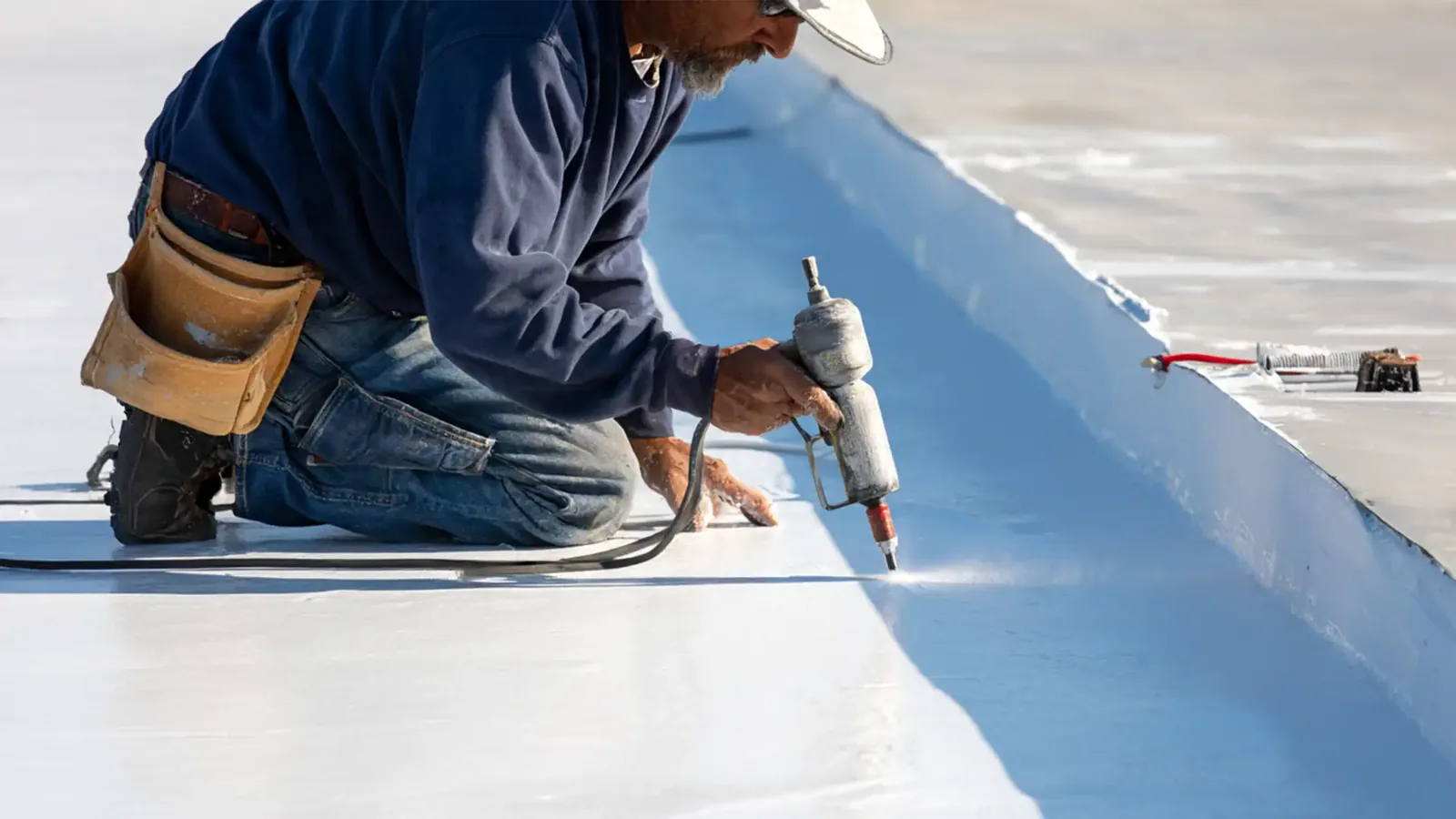
The existing roof system controls the repair method. TPO, PVC, EPDM, modified bitumen, and built-up roofs use different seam and flashing techniques. We identify the membrane, check its condition, and choose a compatible transition around the curb. A patch that is not bonded or welded correctly can create another entry point. The repair also needs enough height and sound substrate to turn the membrane up the curb and secure the top edge.
Metal counterflashing can protect a termination, while a new curb wrap may be needed when material is split or brittle. We check corners and changes in plane before closing the work. If the curb itself is deteriorated, simply applying a membrane patch will not restore a stable base. The TPO system and EPDM assembly each require their own compatible accessories and attachment. We show the selected detail and the limits of the roofing scope before installation.
What Does the Equipment Record Need to Show?
The closeout identifies the unit or support, curb condition, membrane tie-in, material used, and any mechanical work left outside the roofing scope. Photos show corners and terminations before they are covered. If vibration or access remains unresolved, we record it for the facility contact. That gives the next service visit a clear starting point and helps separate a new leak from the repaired curb.
Where multiple units need review, a roof condition report can group observations by section and priority. A maintenance visit can check fasteners, flashing edges, and walk paths after the work. If replacement is already planned, roof replacement planning can coordinate curb height and equipment transitions before the new membrane is installed. The repair record stays tied to what the crew inspected and completed.
Commercial Roofing Questions
Can you repair a curb while the rooftop unit stays in place?
Often, when the curb is accessible and the flashing can be rebuilt without disturbing the unit. We inspect the membrane termination, curb walls, corners, and nearby seams first. A roof repair does not include disconnecting mechanical or electrical lines. If the unit blocks the failed area or the support is unstable, we coordinate the needed mechanical work and lifting window before opening the roof.
How do you handle a unit that vibrates?
We record movement, support condition, and any damage at the curb or membrane. The mechanical cause may need to be corrected before roofing work can remain stable. We identify the point where vibration transfers into the roof detail and explain whether a roofer, mechanical contractor, or both need to act. A flashing patch alone is not a fix for a support that keeps moving.
What if the curb is too low for a proper flashing turn-up?
We measure the available height and inspect the surrounding roof layers. The options may include modifying the curb, replacing it, or coordinating equipment elevation before rebuilding the membrane transition. Added insulation or a recover can also change finished roof height. We show how each option affects service lines, access, and drainage before work begins.
Can roof crews work around an active loading dock?
The facility sets a loading window and identifies the route for a lift, material staging, and the crew. We protect the area below the unit and keep the work boundary clear of active traffic. If the curb cannot be safely reached without crossing a live route, the shift or lift position has to change. We confirm that plan before opening the membrane.
What should be documented after a curb repair?
The record should identify the unit, curb, support condition, repair materials, membrane connection, photos, and any work deferred to another trade. It should also show the repair limit and the date of closeout. That lets facilities staff compare future observations against the finished detail and arrange a targeted follow-up if movement or moisture returns.
Check the Curb Before the Unit Is Lifted
Share the leak location, roof plan, equipment schedule, mechanical contacts, and safe lift window. We will inspect the curb, supports, membrane, and drainage, then define the roofing repair and any coordination needed.