
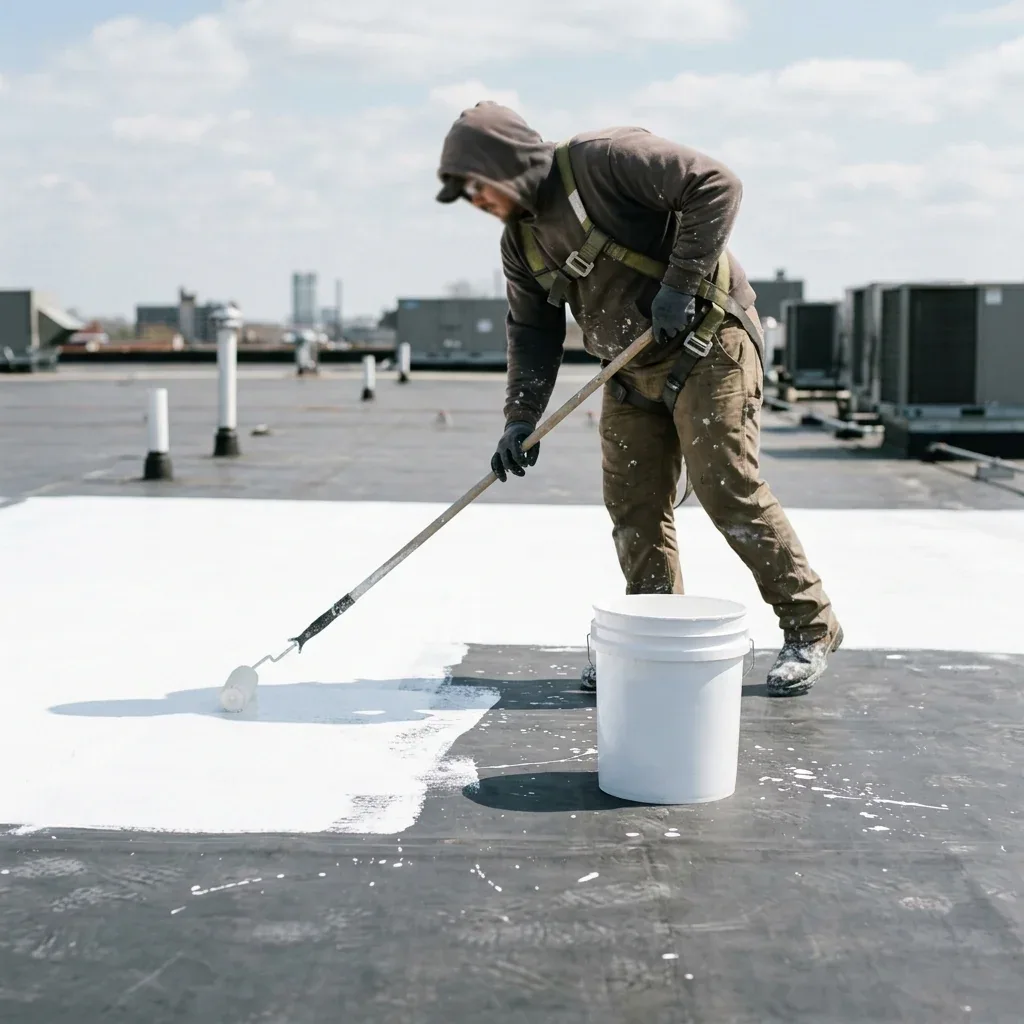
Commercial Acrylic Roof Coatings in Mesquite, TX
Acrylic coating needs a roof that sheds water. We inspect slope, drains, seams, existing coatings, and the substrate before recommending restoration. If water stays after rain or insulation is wet, the coating decision waits until those conditions are resolved. The crew maps repairs, checks adhesion, and protects openings before application.
Mesquite's Towne Centre and Market East redevelopment area spans retail, office, industrial, and service uses. A retail roof may need work staged around entrances and deliveries, while an industrial building may have a longer roof access window but more rooftop equipment. We review the actual property instead of treating the district as one building type. A roof assessment in Towne Centre and Market East starts with water movement and business access; a review along the Mesquite I-635 corridor can account for traffic and lift placement.
Does the Roof Have the Right Slope?
Acrylic systems are commonly used on roofs with positive drainage, but water that remains in place can expose a poor fit. We check the roof profile, outlets, crickets, drain bowls, and discharge path. Ponding may come from debris, a blocked drain, a settled deck, or an unplanned curb. The cause matters. A drain correction can restore a clear path before coating. If slope is inadequate, the owner may need a different system or a drainage redesign.
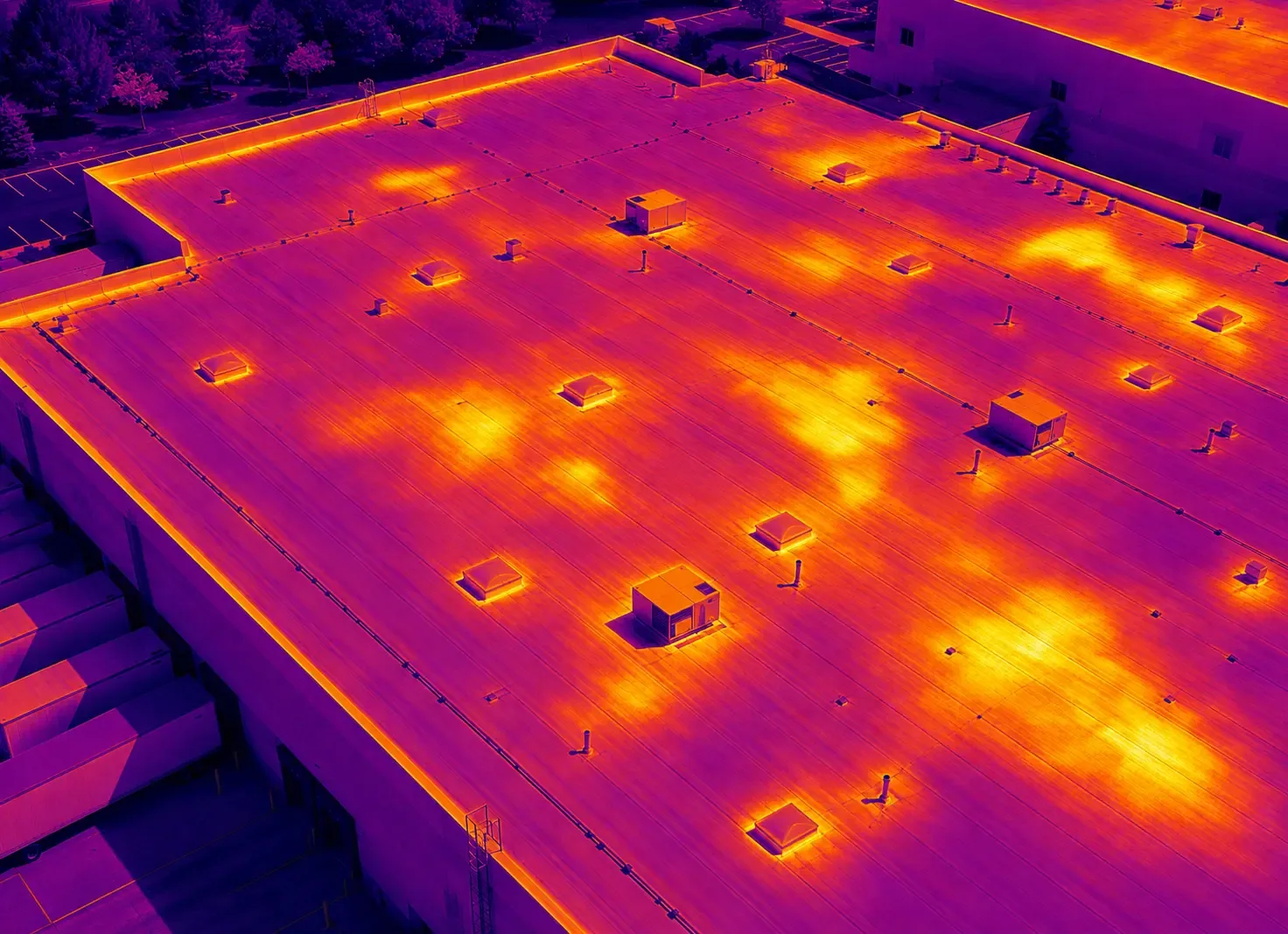
We inspect the existing roof for blisters, cracks, loose seams, punctures, and prior repair materials. Acrylic bonds only when the surface is clean and compatible. Chalk, oil, dust, and loose coating must be addressed during preparation. We test representative areas and follow the product's surface requirements. An infrared survey can help locate suspected moisture in an appropriate assembly, with openings or other field checks used to confirm the findings.
At curbs and roof edges, the coating has to connect with flashings that remain secure. We check parapet transitions, skylight frames, vents, drains, and equipment supports. A coping and gutter review can identify loose metal or an edge condition that should be repaired first. The coating detail stops at the proper boundary. It should not disguise failed metal or an open penetration.
What Repairs Come Before the Coating?
Preparation starts with removing loose material and cleaning the roof to the required standard. We repair open seams, cracks, flashing laps, and punctures with materials suited to the existing roof and coating. Wet insulation is removed to a dry limit, then the assembly is restored before the surface receives a finish layer. The owner sees these repairs as separate line items so the application does not conceal added work or a change in the roof condition.
Penetrations need a clean, inspectable tie-in. We identify HVAC curbs, conduit, skylights, and abandoned supports. If mechanical service is planned, the contractor should finish before the final coating pass. A curb flashing repair can be coordinated with the roofer to avoid an exposed seam or unsupported patch. We also mask intake openings, rooftop equipment, walls, and parked vehicles as the work zone requires.
Once repairs pass inspection, we apply primer where specified and build the coating to the required coverage. The crew records conditions and stops when wind, moisture, or temperature falls outside the product instructions. A thin spot around a drain or curb is difficult to see from the ground, so we check those transitions before moving equipment and masking to the next section.
How Does North Texas Weather Set the Window?
Acrylic has to dry between steps, so weather controls whether the crew can finish an area in one shift. Mesquite sits in a region where midsummer afternoons combine humidity with July and August readings in the 90s, often above 100 degrees. We check the roof surface and forecast before applying, then hold the next coat until the product interval is met. If the conditions close the window, the crew protects the section and resets the sequence.
Spring is the Metroplex's peak thunderstorm season, with hail, damaging wind, flooding, and intense rain occurring across the region. That regional pattern does not establish damage to a specific property. It does affect the forecast review and the size of each daily work zone. We finish a section only when the surface and edge can be protected for the expected conditions. If a storm changes the plan, the facility receives an updated boundary and the roof remains secured.
Dry time also affects access. The building contact marks routes that technicians or other trades may need. The crew restricts access until the surface is ready. Rooftop work after the coating can puncture the system, so the maintenance team receives the allowed access route and a record of any new penetration.
Can Coating Work Fit a Busy Property?
We plan mobilization around deliveries, customer access, and the equipment that must remain online. The facility identifies occupied zones, air intakes, and delivery windows. We divide the roof into areas that can be prepared, coated, and protected within each shift.
Trade coordination is part of the roof scope. HVAC crews may need to lift or disconnect equipment, and electricians may add supports or conduit. We schedule those tasks before coating the final transition. A new penetration made after restoration can create a leak path through fresh work. The project contact should route rooftop requests through the designated lead and record the area affected.
Manufacturing, logistics, retail, energy technology, furniture, and commercial activity are part of Mesquite’s business mix. Those uses set different access limits. We define each work area with the people who run the building.
When Should the Owner Choose Another System?
Acrylic may be a candidate when the roof is sound, cleanable, compatible, and able to drain. If wet insulation, widespread membrane failure, or poor slope is present, a coating can delay rather than solve the decision. A restoration assessment separates surface renewal from repairs to the roof below. Where removal is more appropriate, replacement planning compares roof assemblies and building downtime.
A silicone coating may tolerate different water exposure, subject to system instructions and roof condition. A TPO membrane uses a different seam layout and flashing approach. We compare these options against drainage, expected maintenance, roof details, and the facilities' access plan. The owner receives the limits and preparation items that affect each selection, not a one-material answer.
After installation, planned checks focus on coating wear, drains, seams, edges, and penetrations. Maintenance staff should note any new rooftop work, especially around units and conduit. A photo record can give the next review a baseline and make changes easier to locate.
Commercial Roofing Questions
Does acrylic coating work on a flat commercial roof?
The roof needs positive drainage and a substrate that can accept the system. We check the slope, outlets, existing coating, and moisture before proposing an acrylic layer. Persistent ponding, wet insulation, or loose seams must be corrected first. A roof with a poor drainage path may need another assembly or corrective work.
Can you coat over an older acrylic layer?
Possibly, after checking adhesion, chalking, dirt, repairs, and product compatibility. We clean and prepare the surface, then test an area when the system calls for it. Loose material is removed. If the old layer has failed or the roof below is wet, the proposal must address those conditions before adding coating.
Will a coating repair a crack around a drain?
The drain detail needs repair before broad application. We inspect the bowl, clamping or flashing arrangement, surrounding slope, and membrane termination. A crack caused by movement or a poor transition needs a compatible repair. The finish coat follows after water has a clear path and the drain connection is secure.
How do you protect store entrances during coating work?
We agree on the work zone, masking, delivery route, and access period with the property contact. Entrances stay clear where required, and the roof crew coordinates lifts and equipment so pedestrians are separated from material handling. Each shift ends with the exposed roof boundary secured and the completed area identified.
What if the roof leaks during the coating project?
We locate the entry path and protect the affected interior while the crew checks the work boundary. A leak may come from an existing defect outside the coated section or a new opening created by another trade. The response records where the water entered, what was repaired, and what remains under observation.
Check Slope and Substrate Before Selecting Acrylic
Send the roof plan, drainage locations, coating history, leak notes, and building schedule. We will inspect the surface, identify repairs, and define the sections that can accept restoration.
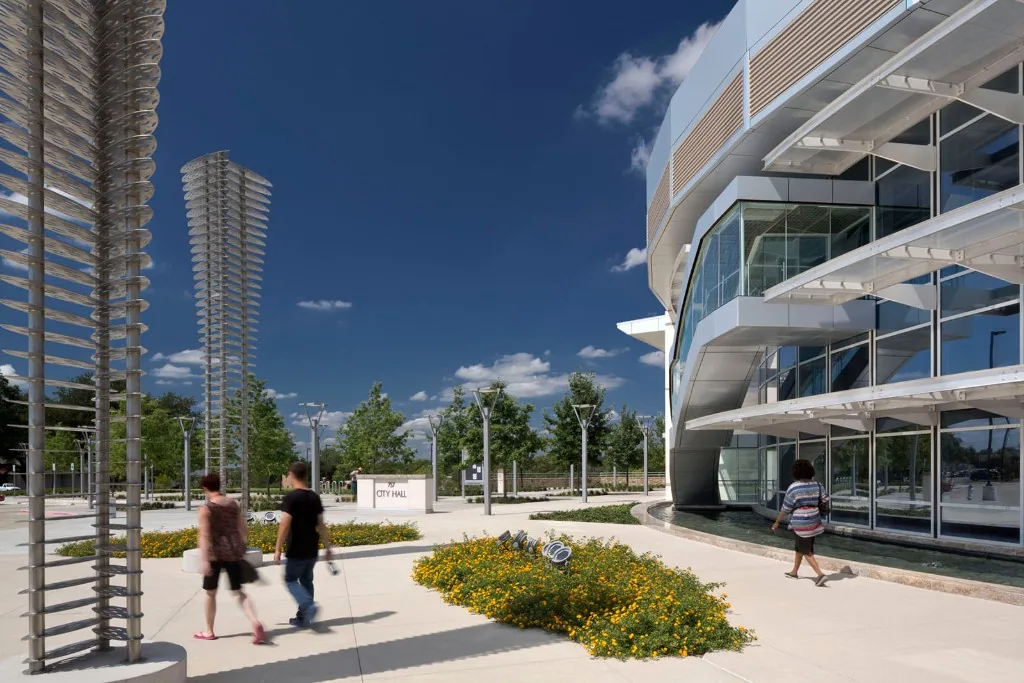
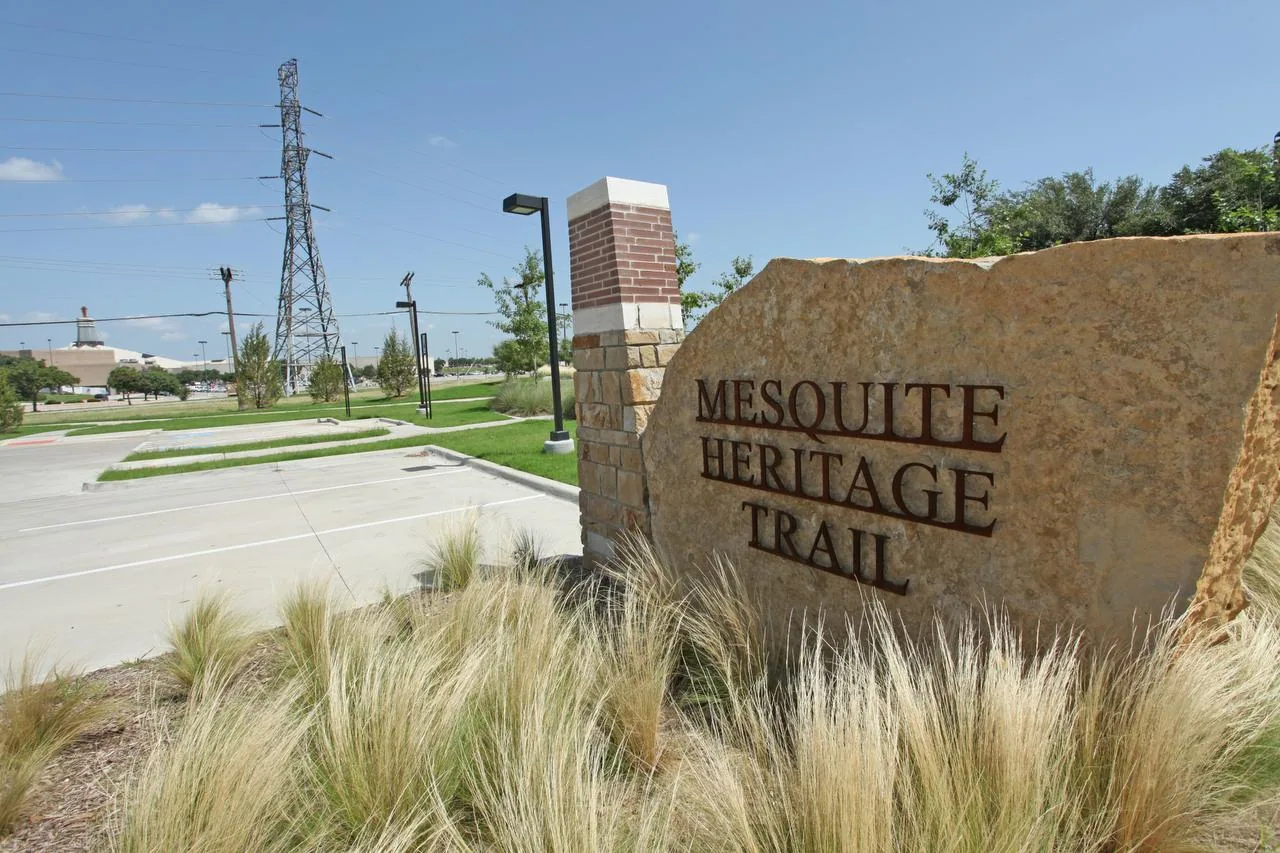
Roof conditions recorded with photos and written findings.
Work planned around the building and its daily operations.