Commercial Silicone Roof Coatings in Mesquite, TX
A coating only helps a roof that can hold it. We inspect the existing surface for wet insulation, loose seams, ponding, failed flashing, and poor adhesion before recommending silicone. A sound roof with coating wear may be restorable; a wet or unstable assembly needs repair or removal first. The inspection marks the preparation area, repairs, and edges where the coating must stop. It also identifies drains and equipment that cannot be blocked or sprayed.
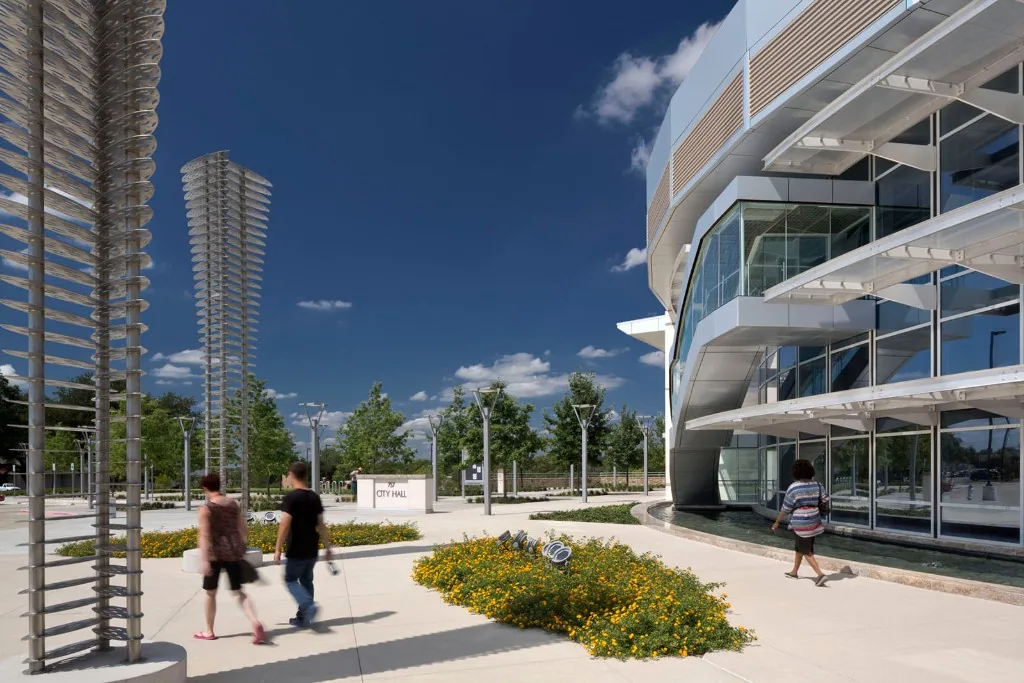
The U.S. 80 Mesquite Corridor links commercial areas, with industrial, restaurant, retail, and entertainment uses in its development mix. A coating crew may work beside deliveries or customer traffic. The roof needs a work plan that respects those ground-level operations. Downtown Mesquite's mix of business uses calls for the same roof-first decision, with access and occupied areas mapped to the building. A commercial roof review along U.S. 80 can account for loading movement, while a Downtown Mesquite roof visit can set a safer staging and pedestrian route.
Does the Existing Surface Accept a New Coat?
We check the existing membrane or built-up surface, seam condition, repairs, blisters, and coating layers. Dirt, chalking, oil, loose material, or an incompatible prior coating can interfere with adhesion. The crew tests representative areas and checks the manufacturer's preparation requirements before the application scope is set. Where the roof has wet insulation, a coating cannot dry it. Suspect areas are mapped and opened as needed so replacement boundaries are visible.
Drainage is another go-or-stop item. Silicone can tolerate standing water better than many coating chemistries, but a blocked outlet or structural low spot still deserves correction. We trace water from high points to drains and scuppers, check for debris and backflow, and note the depth and duration of ponding. Drain and scupper repair can precede coating where water is not leaving the roof as intended. The coating must not close a drain, bridge moving joints, or conceal a failed flashing.
At rooftop equipment, we inspect curb flashing, conduit, pitch pans, and service paths. A new mechanical opening can cut through restored work if trades are not sequenced. Curb flashing work can be coordinated before the coating crew makes its final pass. We identify every penetration, who owns it, and whether the detail is included so no opening is left with a raw coating edge.
What Must Be Repaired Before Application?
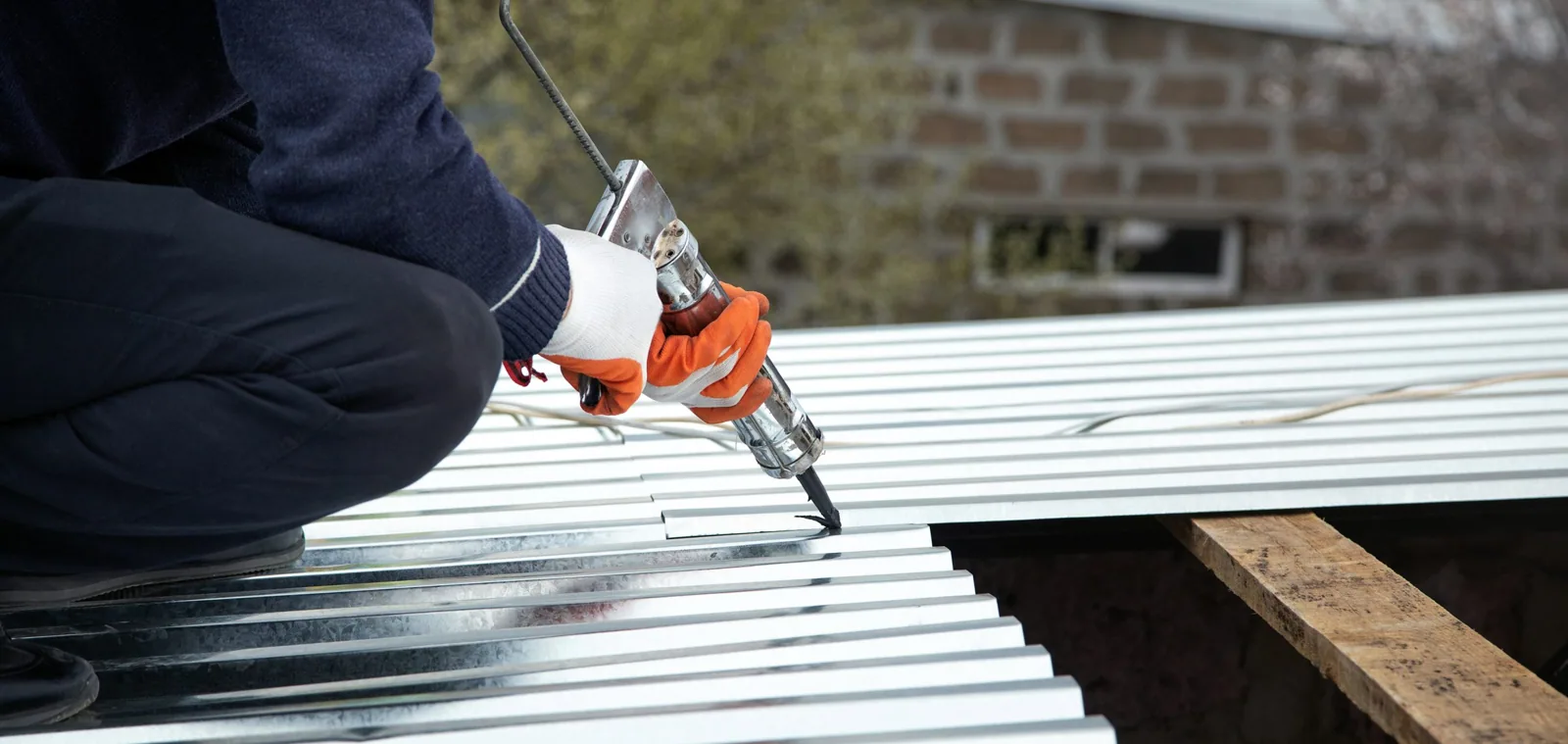
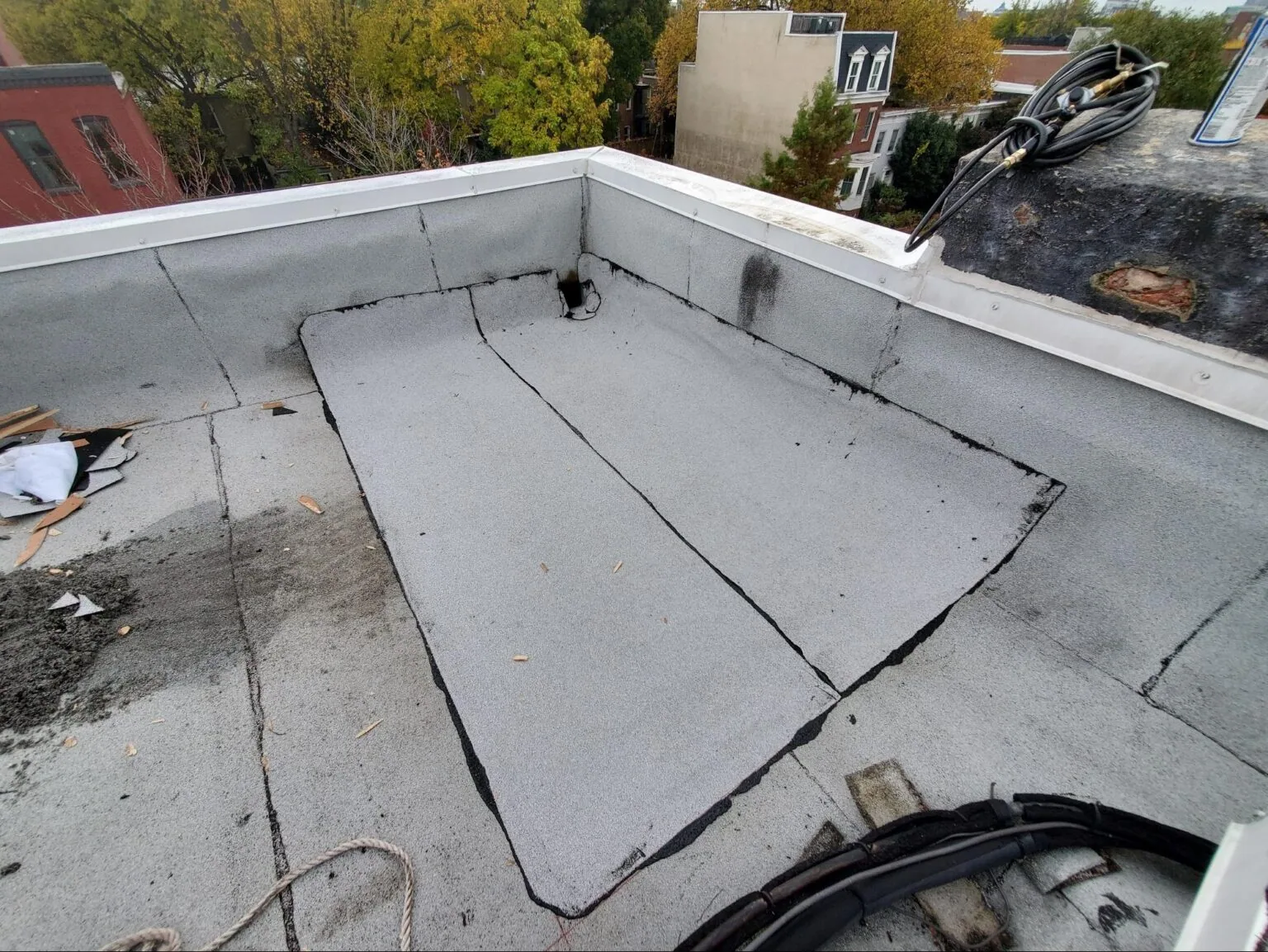
Preparation removes contaminants and weak material, then brings the roof to the required surface condition. We repair open seams, loose flashing, cracks, and isolated punctures with compatible materials. Wet insulation is cut out to dry, secure limits, and the opening is rebuilt before it is covered. A coating restoration scope separates those repairs from the coating itself. The owner sees where the substrate is sound, what must be replaced, and which areas are excluded.
Edge transitions need a termination that can be inspected. We check parapets, metal edges, gutters, wall flashings, and roof-to-wall joints. If an edge is loose or corroded, coating over it can leave the weak connection untouched. A coping and edge repair can secure the perimeter first. The detail changes with wall height, existing metal, and water direction, so the installer records how the coating ties into each edge.
We protect drains, vents, skylights, and nearby equipment from overspray. The building contact identifies air intakes and sensitive processes, and the crew agrees on masking and access before the surface is prepared. During application, the work area remains restricted until the coating reaches the condition required for inspection or the next step.
How Do Heat and Rain Affect the Work Window?
Surface temperature, moisture, wind, and forecast control the application window. We check the roof, not just the phone forecast, before opening a work section. The substrate must be dry enough for the specified coating process. Wind can move spray beyond the work zone, and dew can interfere with adhesion or cure. The crew divides the roof so a section can be prepared, coated, and secured without leaving exposed substrate overnight.
In July and August, muggy Dallas-Fort Worth afternoons can climb from the 90s past the 100-degree mark. The coating crew checks the roof surface and follows the specified temperature range before mixing a batch. Hot conditions can shorten open time, so materials and tools are staged before an application run. We size the daily work area to the conditions on the roof, not an assumed clock schedule.
Spring brings the Metroplex's peak thunderstorm season. Hail, damaging wind, flooding, and intense rain occur across the region, though a regional pattern does not establish damage at a particular property. We watch the immediate forecast and finish a secure boundary before moving to the next area. If a storm interrupts work, the facility contact receives a clear map of coated, curing, and protected sections.
When Is Another Roof System the Better Fit?
Coating should be compared with the condition and service needs of the whole roof. If water is trapped below the surface, repairs are widespread, or the substrate has lost bond, replacement may offer a clearer path than repeated restoration. A replacement assessment compares removal, recover, and restoration boundaries. It also identifies mechanical work, edge height, and insulation changes that affect downtime.
Silicone is one option, not a universal cap. An acrylic coating system can be considered for a different drainage and exposure profile, subject to the existing roof and product requirements. A membrane option such as TPO roofing changes the assembly, seams, and flashing details. We compare adhesion, drainage, surface repairs, and access before recommending a coating chemistry.
At retail properties near Town East, work hours may need to avoid customer entrances and delivery peaks. At industrial roofs, the limiting factor may be active docks or equipment access. Planned maintenance can preserve a sound restored roof by catching punctures, open edges, and drain blockage before they spread.
What Should the Coating Record Include?
Closeout records show preparation, repairs, coating locations, edges, drain protection, and areas not included. Photos taken before application preserve the substrate condition and hidden repairs. We identify the installed products from project records and note any access restriction or follow-up check. The roof plan should help maintenance staff find the coating limits without relying on memory or a verbal handoff.
A condition report can establish a baseline for future inspections. The next review checks coating wear, new penetrations, edge movement, and water flow to outlets. If a maintenance trade walks the roof, its access path should be recorded, especially around coated seams and curbs. That record lets the facility act on a small defect before water reaches occupied space.
Commercial Roofing Questions
Can silicone go over an existing roof coating?
Only if the existing layer is clean, secure, and compatible with the new product. We check adhesion, chalking, contamination, seam condition, and prior repair materials. A test area may be required before broad application. Loose or incompatible coating must be removed or isolated so the new layer bonds to a sound surface.
Will silicone fix a roof with wet insulation?
No. Wet insulation needs to be located and removed to a dry boundary before coating. We map suspected areas, verify them with field checks, and rebuild the roof section. The restored surface then ties into the repair. Covering moisture can preserve the visible leak while leaving the assembly damaged below.
What if water remains after the coating is installed?
We check that drains, scuppers, and discharge paths are open and compare the ponding area with the roof slope. Silicone's water tolerance does not correct a blocked outlet or structural depression. The closeout should record remaining low spots and whether additional drainage work is in scope.
Can a coating project be split around business hours?
Yes. We set work zones, delivery times, roof access, masking, and the daily stopping point with the facility contact. Retail entrances, loading docks, and air intakes can set the sequence. Each completed section is protected and marked before crews move to the next area.
How do we know whether to coat or replace the roof?
We inspect the substrate, moisture, seams, edges, drains, and repair history. A sound assembly with isolated defects may be a restoration candidate. Widespread wet material or failed attachment points toward broader work. The report separates repairable sections from conditions that make coating a poor fit.
Verify Adhesion and Drainage Before Coating
Share the roof plan, prior coating records, leak locations, and operating schedule. We will check the surface, mark repairs and outlets, then set a coating boundary that the facility can inspect.

Work planned around the building and its daily operations.