Commercial Fire Damage Roof Repair in Mesquite, TX
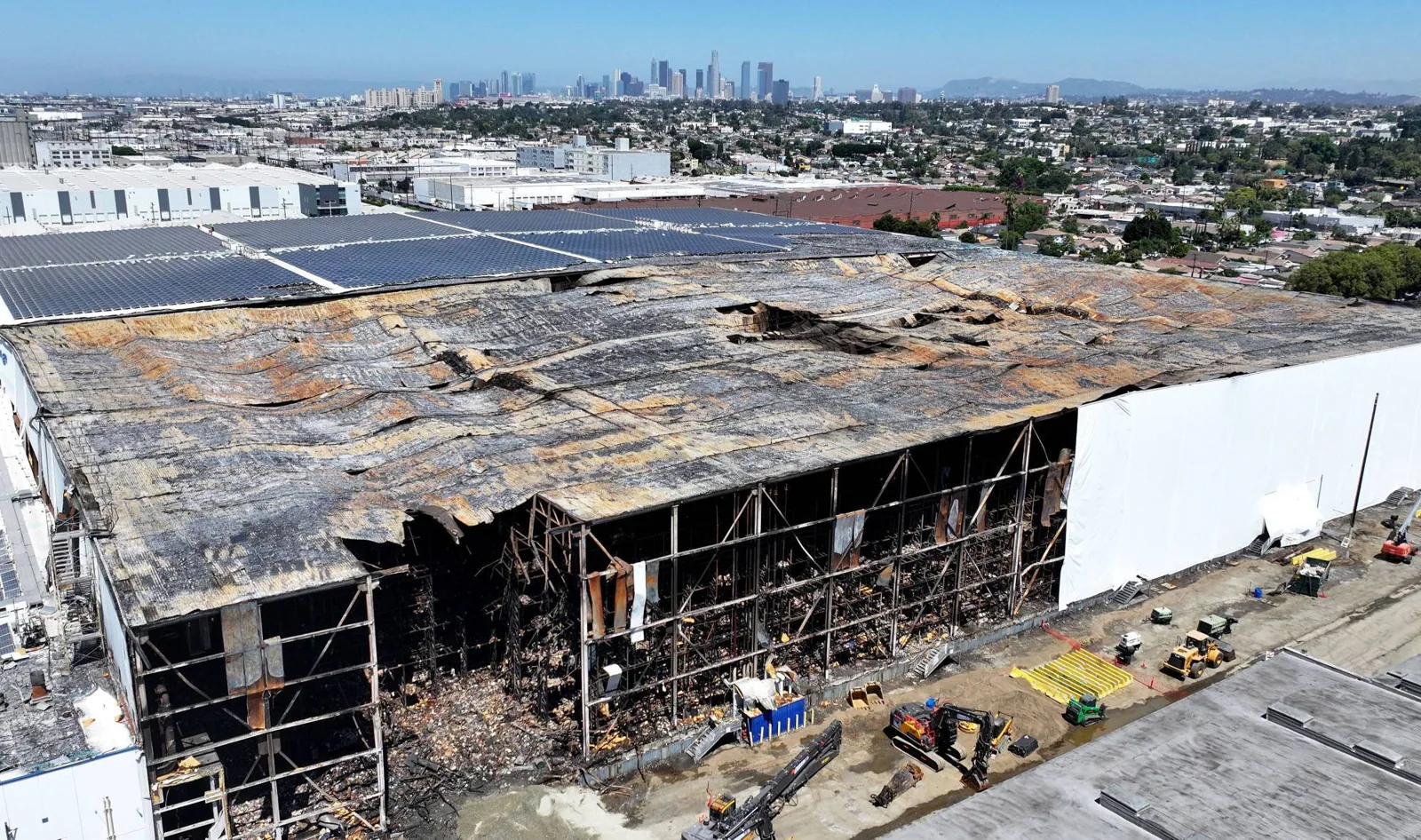
After a roof fire, the first decision is whether the affected section can be approached safely. We coordinate access with the property contact and any fire or structural review already underway, then inspect the roof without disturbing an unsafe area. Heat can damage membrane, insulation, deck, supports, and nearby flashing beyond the visible burn mark. We map what is accessible and separate immediate weather protection from permanent repair. The owner receives the evidence needed to set the next approval.
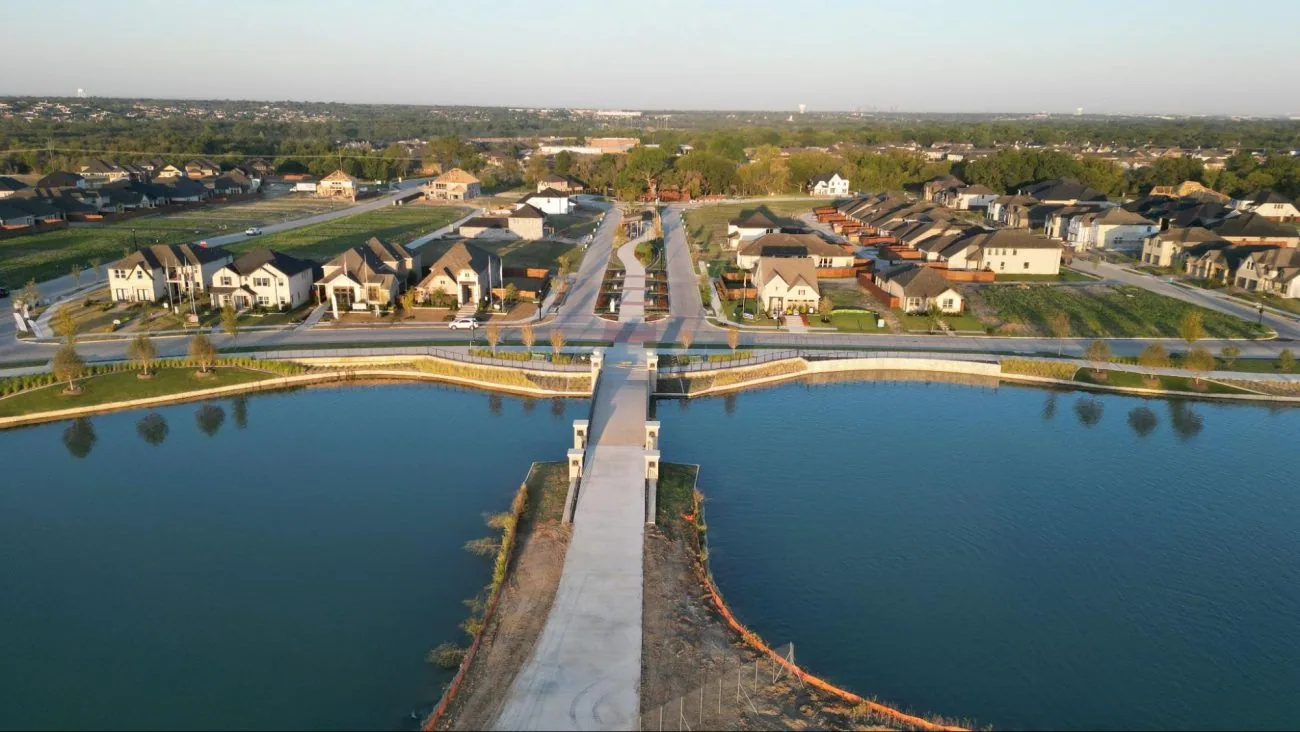
Urban District 30 sits by the I-30 and Republic Parkway connection; the IH-20 Business Park is a separate planned industrial area. Those settings help coordinate access, not identify damage. For a building in either area, we verify the address, access route, and operating contact before staging. A commercial roof visit near Urban District 30 begins with the property's own safety boundary.
Can the Crew Reach the Roof Safely?
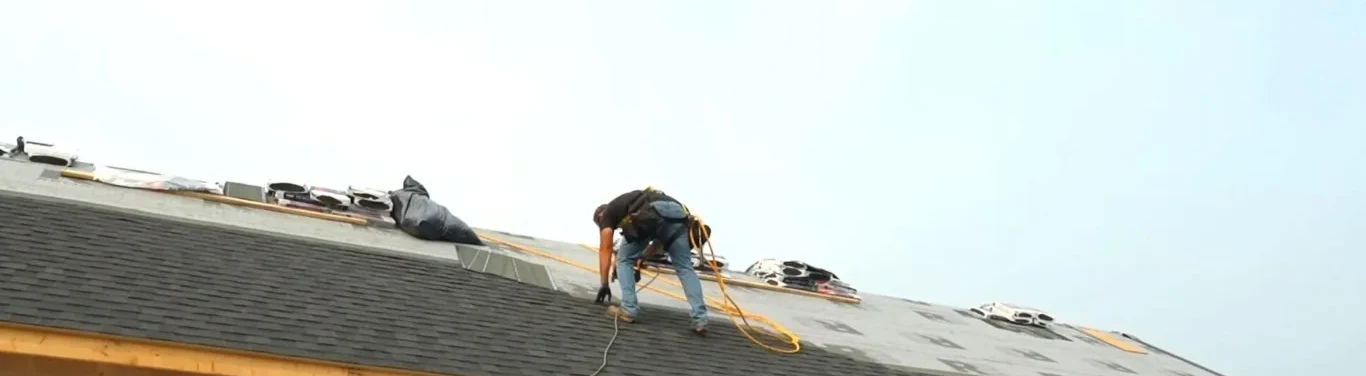
Fire response can leave a roof unstable, hot, wet, or blocked by equipment. We follow the access conditions established by the authority having jurisdiction and the site's safety lead. If the deck cannot be entered, we use permitted ground-level observations and wait for clearance before close inspection. The report states which sections were unavailable, rather than treating them as undamaged. A roof condition inspection can proceed in stages as access is released.
The interior contact identifies areas that need protection from rain, smoke residue, or loose material. We locate a safe temporary cover only where it can be installed without crossing an unsafe section. The work plan lists lift placement, overhead lines, fire-system equipment, and the path for debris. The contact also identifies which doors remain available to occupants, whether alarms or sensors need protection, and when the temporary cover will be rechecked. That keeps roofing access within the released boundary and gives the next shift a specific status. A 24-hour emergency response can address active water exposure, but temporary work remains distinct from restoration after the roof and structure have been evaluated.
How Far Did Heat Affect the Assembly?
A scorched membrane may sit beside insulation that has softened or a deck that has lost capacity. We map the visible burn area, blistering, melted flashing, displaced fasteners, and changes at roof supports. Heat and suppression water can affect different sections. A test opening can establish whether damage continues beneath an apparently intact surface. We record observations by roof section and identify what requires a structural engineer or other specialist before removal.
Smoke residue can obscure seams and make a surface look different from the underlying condition. We document the area before cleaning or cutting. If equipment curbs, pipe supports, or conduit cross the damaged zone, each transition is listed separately. A moisture survey may help locate wet insulation after firefighting water, while sampling or an opening confirms the removal boundary. The owner sees what was observed, what was tested, and what remains concealed.
What Should Be Covered Before Weather Returns?
Temporary dry-in protects an exposed deck or opening until permanent work can proceed. We define the cover limit, attachment method, and daily check with the site contact. It must not rely on a damaged curb or unstable edge. If water remains inside, staff protect equipment and move inventory only under the facility's direction. We identify which interior area is isolated and when the next status update is due.
Mesquite updated its locally amended existing-building rules in May 2026. Before a fire project changes roof height or assembly, the design contact should confirm which provisions and approvals apply. We keep that review separate from the emergency cover so immediate water control can be authorized without implying the final repair is known. Each stage has its own limit, material, and approval.
Repair the Burned Area or Replace the Section?
A localized repair may fit when the deck, insulation, and surrounding membrane remain suitable and the transition can be tied to sound material. Fire exposure across several layers may require removal to the deck and replacement of supports or insulation. We compare those conditions with adjacent sections before defining a boundary. A wind-damage inspection may document separate weather effects if a storm occurred during the incident, but the fire scope stays based on its own findings.
The proposal lists removal depth, deck work, insulation, membrane, flashing, equipment coordination, and a daily dry-in point. If the scope includes a new system, a replacement plan can show sequence and concealed-condition approval. We identify any sections not opened and avoid extending an allowance across the whole roof without supporting evidence. The facility director can separate areas ready for pricing from those that still depend on engineering or testing. That distinction keeps a weather cover from being mistaken for completed restoration. A hail-damage review can document hail marks separately when both hazards occurred, but that assessment does not expand the fire removal quantity. We list the incident-related observations by roof zone and keep the repair basis tied to the materials affected by heat, smoke, or suppression water.
Which Fire-Roof Records Should Be Kept?
Keep photographs, roof-plan marks, access restrictions, test locations, material removal limits, and the temporary cover status together. Record who released each area and whether a specialist review remains open. A condition report can connect the roof work with the facility's restoration schedule without combining separate safety approvals.
For an industrial property near the IH-20 Business Park area, delivery and equipment routes come from the operator, not the development plan. A later inspection can revisit repaired transitions and sections left closed during the first visit. The closeout states which roof areas were completed, which remain temporary, and what approval or test is still needed. That gives the next shift a usable status rather than a general statement about the whole building.
Commercial Roofing Questions
Can a fire-damaged roof be inspected before the building reopens?
We can inspect only where the authority and site safety contact allow access. If a section is unstable, we keep it outside the work zone and record that limit. Ground observations or photographs may support an initial map, with closer testing scheduled after clearance. The roof report does not replace fire, structural, or building-safety approval.
Does a blackened membrane need full replacement?
A surface mark alone does not set the removal boundary. We check the membrane, insulation, deck, supports, and nearby transitions, then use an opening or specialist review when needed. If heat affected several layers, removal may extend beyond the visible area. The proposal shows the evidence and any remaining uncertainty by section.
What if firefighting water entered the roof assembly?
We look for wet insulation, trapped water, and openings created during suppression or debris removal. A moisture scan can guide test locations, but a sample or cut confirms the material condition. We document what is wet and where removal should stop. Temporary protection is recorded separately from permanent restoration.
Can temporary covering count as the completed repair?
No. A temporary cover limits weather exposure until the roof can be inspected and rebuilt. We label the covered section, attachment, inspection interval, and next approval. The permanent scope follows after safe access and testing establish which layers remain serviceable.
Who decides when the roof is safe to enter?
The applicable fire, building, structural, and site-safety authorities set access conditions. We follow their release and identify any area they have not cleared. Once entry is permitted, our inspection documents roof-system condition and repair needs. Roofing work does not substitute for a structural or life-safety determination.
Set the Fire-Damage Roof Boundary
Share the incident timeline, roof plan, access release, affected interior areas, and any structural findings. We will inspect the accessible assembly, map the damaged section, and separate temporary protection from permanent restoration.