
Commercial Tornado Damage Roof Repair in Mesquite, TX
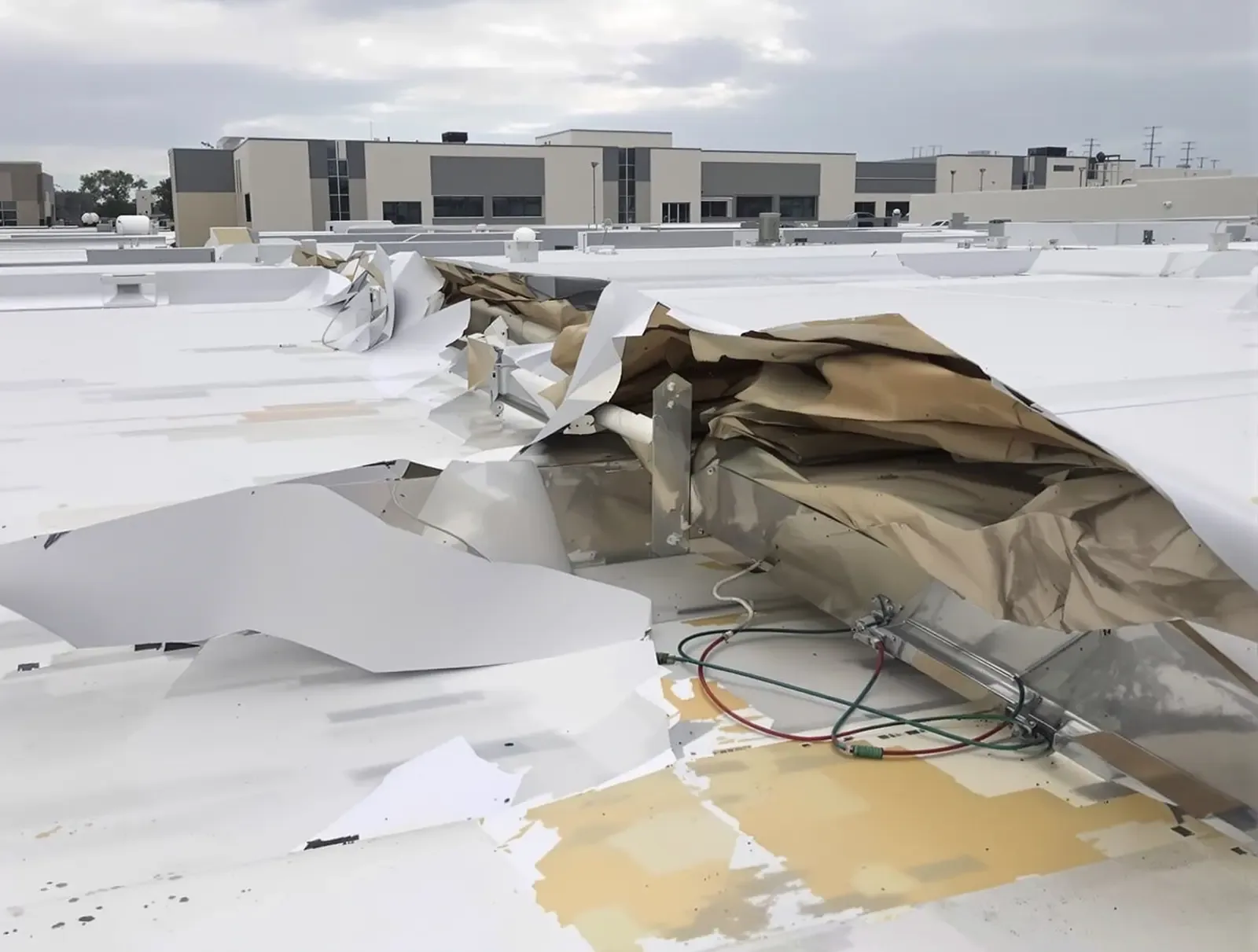
After a tornado warning or confirmed touchdown, keep people away from the roof and any area with visible ceiling, wall, or structural changes. Tornado-related roof damage can include displaced panels, torn membrane, failed edges, punctures from debris, damaged rooftop equipment, and water entry that continues after the storm has passed. The first job is to establish a safe boundary, not to climb onto an unstable roof.
Commercial Roofing Mesquite coordinates a controlled review when conditions permit. We confirm the property contact, inspect from safe access points, and separate immediate hazards from repairable roof conditions. A damaged curb, shifted unit, bent edge, or opening through the deck can affect more than one roof layer. The site needs a measured plan before material or crew scope is set. If access is unsafe or weather remains active, we identify the hold point and arrange the next review when conditions allow.
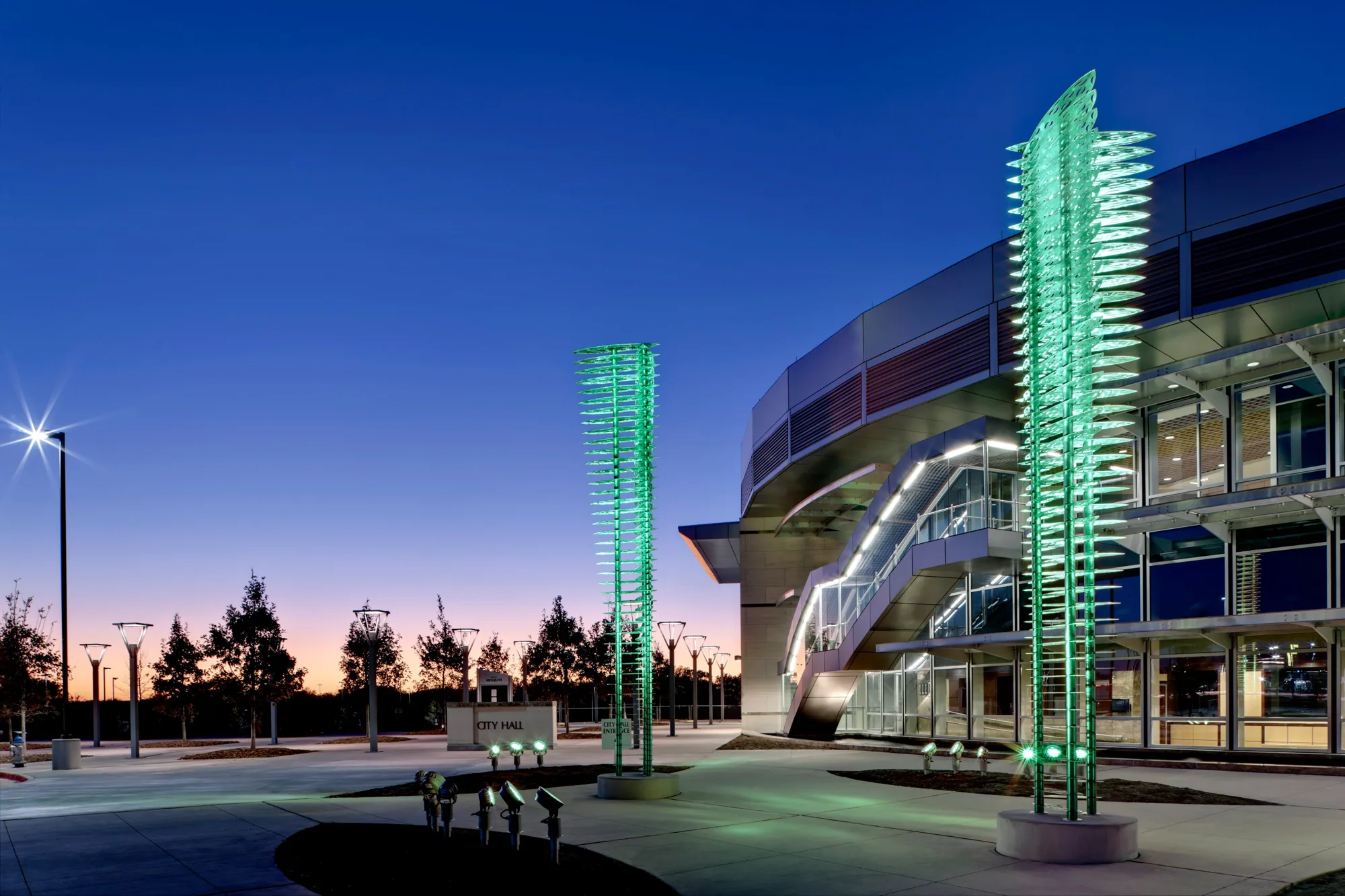
Mesquite properties near the Skyline Logistics Hub and the Gus Thomasson Corridor have different layouts and operations. A roof review remains specific to the address, building section, and observed damage, regardless of the district name.
What Needs to Be Secured Before Roof Access?
We begin with the ground-level view. Look for loose metal, hanging fascia, displaced rooftop units, broken glazing, downed conductors, debris, and ceiling material at risk of falling. Do not enter a room where the roof deck or supporting structure appears compromised. Keep workers, tenants, and customers outside the marked area until a qualified person can assess it. Emergency services or a structural professional may be needed before roofing work starts.
Once the site contact confirms safe entry, we review the access route and the roof's condition from the least exposed point. We do not cross unstable sections to reach a leak. That limit belongs in the work record because it changes what the inspection can establish.
Active water entry receives its own plan. We identify the interior location, protect equipment and contents where practical, and trace the likely path without assuming that the ceiling stain marks the roof opening. Temporary covering or controlled water diversion may help, but it must not add unsafe loading or conceal a structural concern. The work sequence stays clear: life safety first, temporary water control second, permanent repair after the damaged area and attachment conditions can be evaluated.
Uplifted edges and displaced components receive a focused wind-damage roof assessment. If the event leaves an active opening that needs immediate attention, our emergency commercial roof response can assess safe temporary measures.
How Should Damage Be Mapped by Roof Section?
When access is approved, the inspection follows the building plan and the damage pattern. We record membrane tears, displaced seams, damaged flashing, punctures, open penetrations, shifted equipment, bent edge metal, and debris impact.
Tornadoes do not leave a uniform line across a roof. One elevation can show exposed deck while an adjacent section remains intact. A rooftop unit can move and stress its curb; a falling branch can puncture a membrane; pressure changes can lift a perimeter detail. We record each condition by location, probable source, and operational consequence. The report marks confirmed openings separately from areas that require follow-up testing or better access.
Dallas County has tornado occurrences documented from 1880 to the present. That historical record gives property teams regional context for preparedness. It does not confirm that a particular building was struck or that every nearby roof needs replacement. We use the address-level evidence, site timeline, and observed assembly condition to define the work.
For roof damage involving storm debris or multiple weather effects, our storm damage roof repair service can coordinate the broader repair sequence. If impact marks or penetrations are present, a focused membrane puncture inspection can document those locations without treating them as the only possible source of entry. A mapped roof condition report can preserve the inspection findings for later review.
Which Repair Fits the Assembly We Find?
Repair depends on what moved, what opened, and what remains sound. A membrane tear needs a compatible repair detail tied into clean, stable material. Metal panel damage may require replacement or seam and fastener work. A shifted curb can need both roofing and mechanical coordination. Bent edge metal may need removal and reattachment after the substrate is checked. If the deck or framing is damaged, roofing work waits for the structural scope and safe access plan.
We define each boundary before installation. The proposal identifies the roof area, preparation, materials, tie-in, and any access or weather dependency. A repair closes only after the completed edge is inspected and its location and materials are recorded.
For system-specific decisions, review our TPO roof system service or commercial roof repair process. If the roof needs a full replacement evaluation instead of isolated work, the commercial roof replacement team can assess the larger capital scope.
How Can Work Fit Around Mesquite Operations?
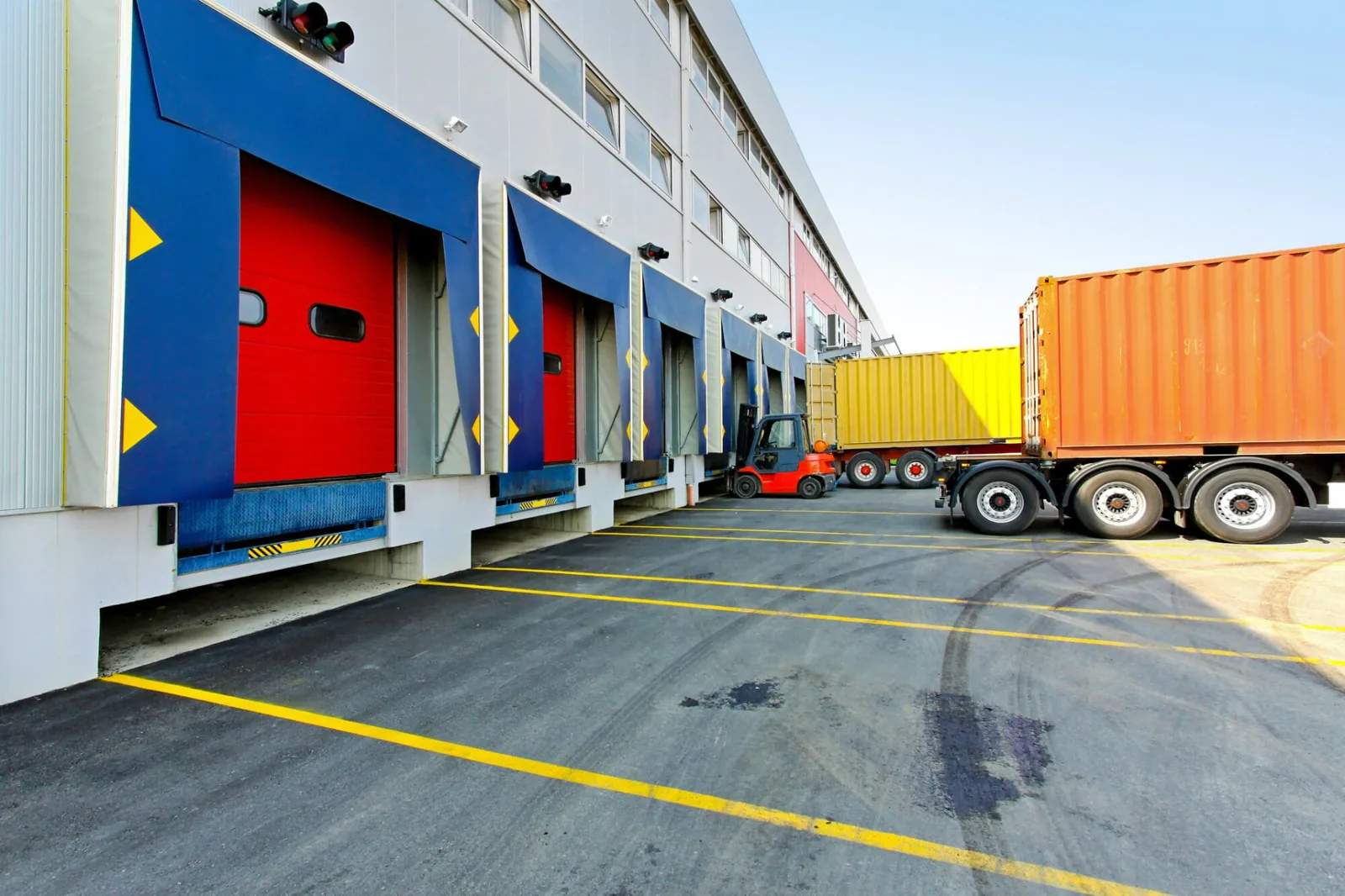
Restoration planning must account for how a building runs. The Skyline industrial area is tied to freight activity near Big Town and Town East. Dock access, trailer movement, and delivery windows can affect staging at a property there. We coordinate with the property representative; the district description does not identify any particular building as damaged.
Before work starts, we confirm loading and lift areas, tenant hours, roof access, equipment that must remain online, and interior zones where temporary protection is needed. We stage materials away from damaged edges and keep a safe path for occupants and responders. The manager receives updates when conditions change the repair boundary or expected access window.
For a location review in the broader Town East retail and restaurant area, we coordinate customer traffic and operating hours with the authorized site contact. A preventive roof maintenance visit after restoration can record repaired details and set a follow-up interval based on observed conditions. The repair file should include before-and-after photographs, locations, materials, any testing, and items deferred for later access.
When Can a Tornado-Damage Review Be Scheduled Safely?
Send the address, roof plan, storm date, current interior symptoms, and the name of the person controlling site access. Identify any suspected structural damage, downed utilities, unstable ceiling, or restricted area before a visit is scheduled. Do not send staff onto a roof that has not been cleared for access.
We will review the available information, confirm the safest inspection approach, and document what can be reached. The next step may be temporary protection, a structural evaluation, a roof repair proposal, or a return visit after safe access is restored. The scope will identify the observed boundary and any condition that still needs verification.
Commercial Roofing Questions
Should employees enter a building after a tornado if the roof is leaking?
Only when the area is safe and authorized. Keep people clear of unstable ceilings, exposed wiring, falling debris, and suspected structural movement. Have emergency responders or a qualified professional evaluate hazards before roofing access.
Can you install temporary protection before permanent repairs?
We can evaluate temporary controls when the roof and access route are safe. The method must not conceal structural damage, overload a weakened area, or create a new hazard. Permanent repair is scoped after the assembly is inspected.
How do you tell tornado damage from prior roof wear?
We compare the property timeline with photographs, repair history, debris patterns, displaced components, and the condition of adjacent areas. Findings are labeled by location and confidence so older conditions are not presented as new storm damage.
Will you inspect a roof that has a damaged deck?
Not by crossing an unsafe section. We document the access limit and coordinate structural review or stabilization before returning. Safe access determines the inspection boundary.
What information helps schedule a tornado-damage visit?
Provide the site address, roof plan, event date, affected rooms, active water locations, access contact, and known hazards. Include operating limits such as dock schedules or equipment that must remain in service.
Coordinate a Safe Tornado-Damage Roof Review
Share the property address, storm timeline, roof plan, active symptoms, and safety restrictions. We will confirm access conditions, document the roof boundary, and outline the next repair or stabilization step.
Work planned around the building and its daily operations.