
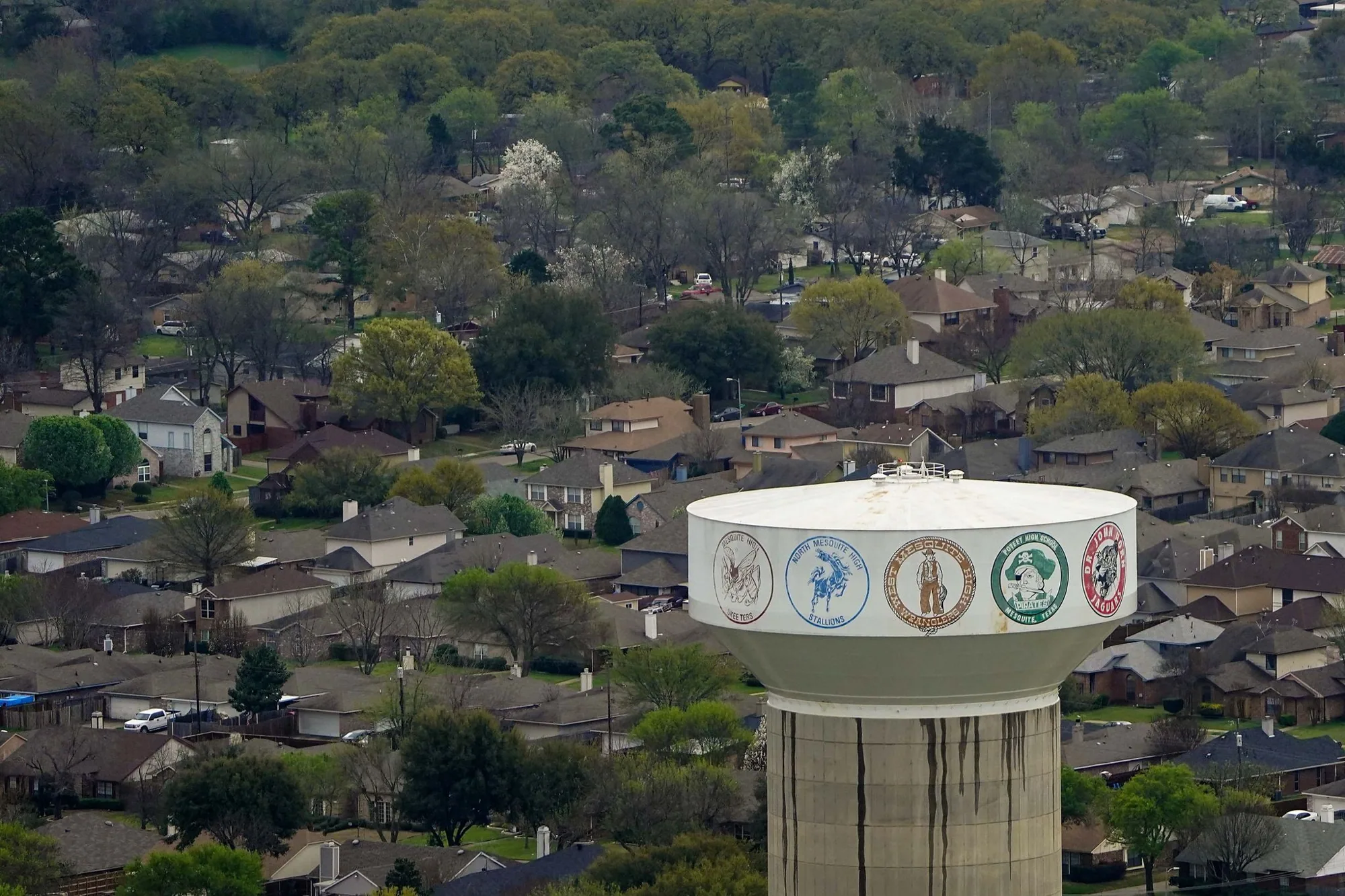
Commercial Heat and UV Roof Damage Repair in Mesquite, TX
Heat and ultraviolet exposure change a roof over time. The visible result may be a faded surface, brittle coating, open seam, shrinking membrane, or cracked sealant around a penetration. Some changes affect appearance only. Others reduce flexibility, expose reinforcement, or create a path for water. We inspect the assembly and locate the point where aging has become a functional roof issue.
Dallas-Fort Worth summers are hot and humid. July and August daytime readings are regularly in the 90s and can reach or pass 100 degrees. Those conditions help property teams plan seasonal inspections, but they do not diagnose a roof from the street. The roof system, installation history, drainage, shade, equipment, and previous repairs all influence what a particular surface shows. Commercial Roofing Mesquite records the observed condition before recommending coating, repair, restoration, or replacement.
Facilities near the Skyline Logistics Hub and Urban District 30 can have different roof assemblies and operating constraints. The approved business park sits by the I-30 and Republic Parkway connection, where the property contact still sets safe access. We check the actual property, not an assumed condition based on its location or use.
Which Findings Separate Surface Aging from Active Failure?
The review begins with the roof type and its exposed layers. On a membrane, we look for surface erosion, open seams, shrinkage at edges, punctures, loose terminations, and repairs that have lifted. On a coated roof, we inspect continuity, adhesion, cracking, exposed substrate, and areas where water or debris collects. A metal assembly needs a different look at panel movement, fasteners, seams, coating condition, and penetrations. An observed color change alone is not enough to select a repair.
We also check transitions. Heat movement can stress a roof at parapets, drains, curbs, skylights, expansion joints, and dissimilar materials. A seam may look intact in the field but open near a termination. Sealant can split while the metal beneath it remains sound, or corrosion can exist under a coating that still looks continuous. Each observation is labeled by roof area, condition, and practical consequence. This lets the facilities team separate a defect that needs work from a stable surface change that belongs in a later review.
Interior symptoms add context. A ceiling stain, odor, or damp insulation may reflect a long-standing path rather than the nearest visible surface defect. We compare the interior location with roof penetrations, drainage paths, and previous repairs. Moisture testing may be warranted where the assembly cannot be evaluated visually. If access or testing is incomplete, we say what remains unknown instead of treating a limited view as a full diagnosis.
Where heat-related movement has opened a roof edge or penetration, our flashing failure repair review can isolate that detail. For water that remains after rainfall, the ponding-water assessment examines the drainage condition separately from surface aging.
What Repair Can the Existing Roof Assembly Accept?
Repair scope depends on the material and the condition beneath it. A compatible membrane patch may address a localized split after the surface is clean and stable. A coating restoration can work only when the substrate and adhesion conditions support it. If a roof has broad loss of flexibility, repeated open seams, wet insulation, or failed attachment, isolated patching may only defer the larger decision. We identify the evidence that supports the chosen boundary and explain when additional testing is needed.
Preparation determines whether the repair bonds and remains continuous through normal roof movement. The crew checks moisture, surface contamination, and nearby terminations before committing to a detail. If the material cannot be prepared to a sound edge, the repair boundary must expand or the method must change. Preparation is part of the repair. The crew needs to know whether the surface must be cleaned, dried, primed, reinforced, or cut back to sound material. We check compatibility with the existing system and manufacturer requirements before applying a product. At edges and penetrations, the detail must accommodate movement while maintaining continuity. A repair closeout should state the areas addressed, materials used, and any remaining condition that requires monitoring.
For a membrane roof, our TPO roofing service can address system-specific detailing. If broad coating failure is present, the roof coating restoration team can evaluate whether the substrate is suitable. A location-marked roof condition report preserves the inspection record for maintenance and capital planning.
Which Local Operating Constraints Affect the Inspection Window?
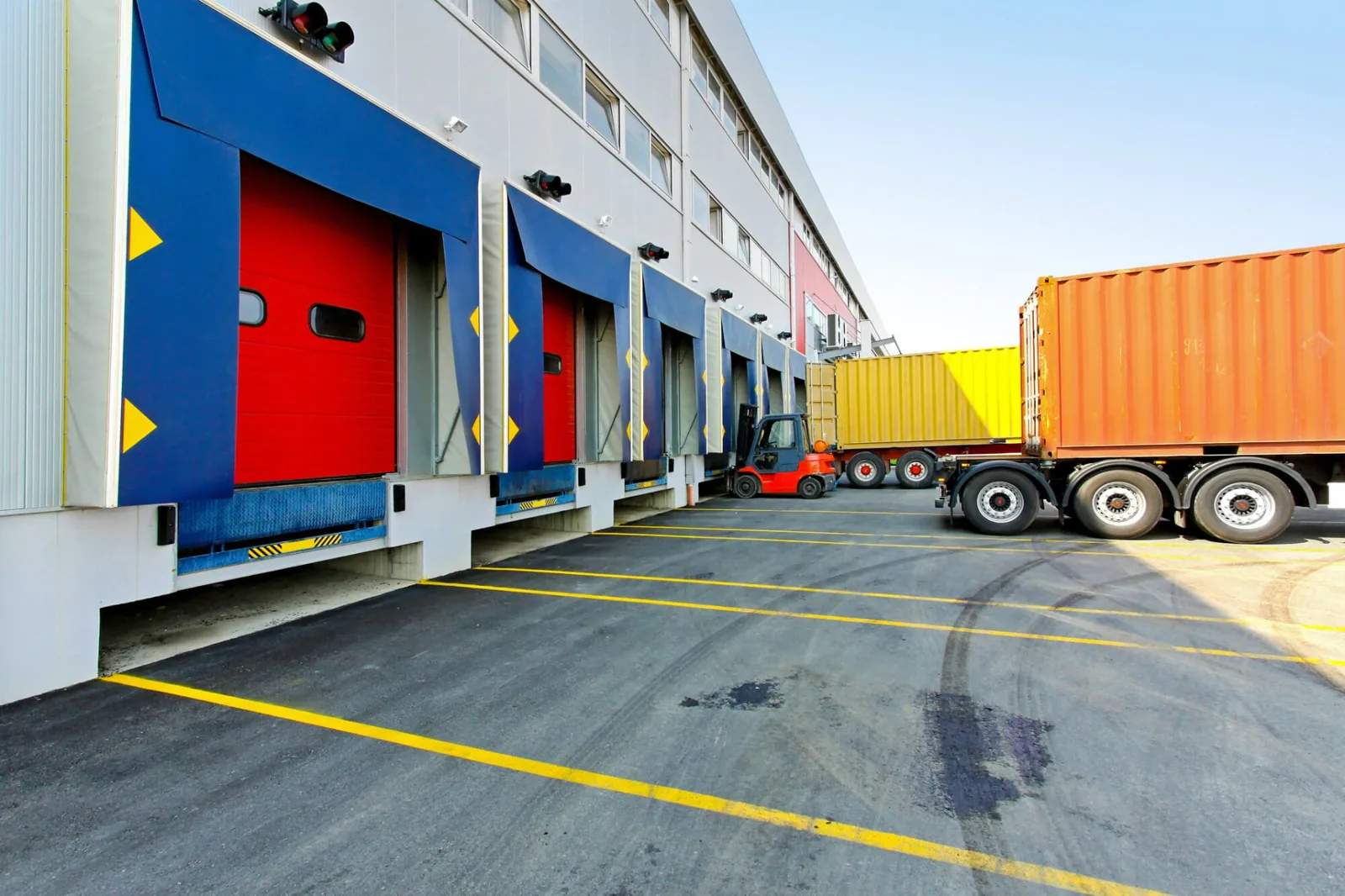
Roof access often depends on the property, not the weather alone. A building may have controlled entries, active loading, rooftop equipment that cannot be shut down, or tenants below the inspection area. We confirm the access contact, work window, lift or ladder limits, and any interior space that needs protection. The inspection can then cover the authorized areas without interrupting more of the operation than necessary.
I-20 and US 80 cross Mesquite alongside I-30, I-635, and SH 352. For a roof near the IH-20 Business Park, the site contact may need to coordinate inspection timing with truck movement or delivery activity. We use the supplied address and access instructions to plan that visit. A corridor label does not set the inspection boundary or arrival schedule.
After the review, we separate urgent openings from longer-term aging. The manager receives the photos, mapped roof areas, recommended work, and any testing or access that remains. A preventive roof maintenance visit can track the repaired area over time. If the inspection finds a puncture or impact mark rather than gradual exposure damage, our membrane puncture repair assessment can address that location directly. The right next step follows the condition observed, not the age label alone.
What Condition-Based Work Plan Fits the Roof Findings?
A heat and UV review gives the building team a current record of the roof's exposed condition. We document surface changes, stress points, transitions, active leaks, and conditions that need testing. Then we rank the work by consequence: water entry or exposed substrate first, vulnerable details next, and stable aging surfaces for planned follow-up. The report can support a repair authorization, a maintenance schedule, or a broader capital review.
Send the site address, roof plan, known system, recent repair notes, interior symptoms, and safe access window. Include rooftop equipment constraints and occupied areas that need protection. We will confirm what can be inspected, identify any limitations, and provide a scope tied to the actual assembly. The owner can make a decision from the mapped findings instead of relying on a generic product recommendation.
Commercial Roofing Questions
Does a faded commercial roof need replacement?
Not by appearance alone. We check the exposed surface, seams, edges, penetrations, moisture condition, and repair history. The findings determine whether cleaning, localized repair, restoration, further testing, or replacement should be considered.
How can heat affect a roof seam?
Temperature movement can stress seams and transitions, especially where materials meet or terminate. We inspect the seam and adjacent attachment, then determine whether the detail is open, loose, or still performing.
Can a coating fix a roof that is already brittle?
Only if the existing surface and substrate can accept the proposed system. We evaluate adhesion, cracking, moisture, and exposed layers first. If those conditions are not suitable, another repair or replacement path may be needed.
Will your inspection include the roof interior?
If the site contact can provide access, we can compare interior symptoms with roof conditions. Any restricted room or untested area is listed as a limitation so the report stays clear about what was verified.
What should a facilities manager provide before a roof review?
Provide the property address, roof plan, system information, repair history, current leak locations, access contact, and any work-hour or equipment restrictions. That helps us set a practical inspection route.
Request a Heat and UV Roof Assessment
Share the property address, roof plan, system type, recent repairs, interior symptoms, and access window. We will document aging conditions and identify a repair or maintenance path based on the assembly.
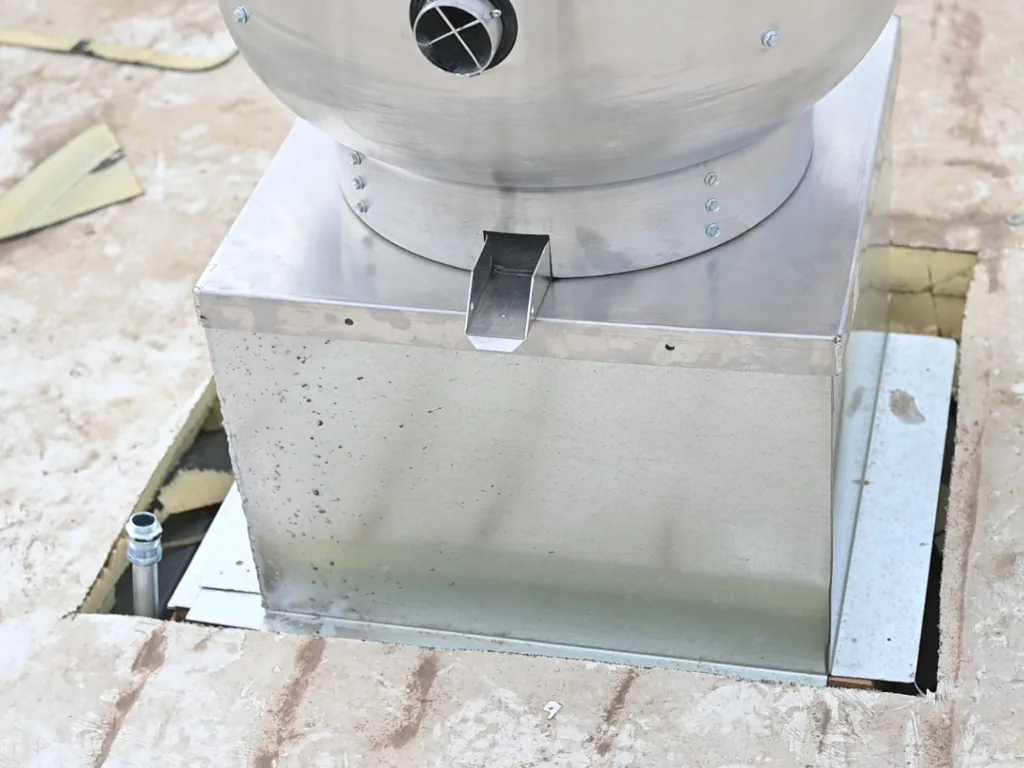
Roof conditions recorded with photos and written findings.
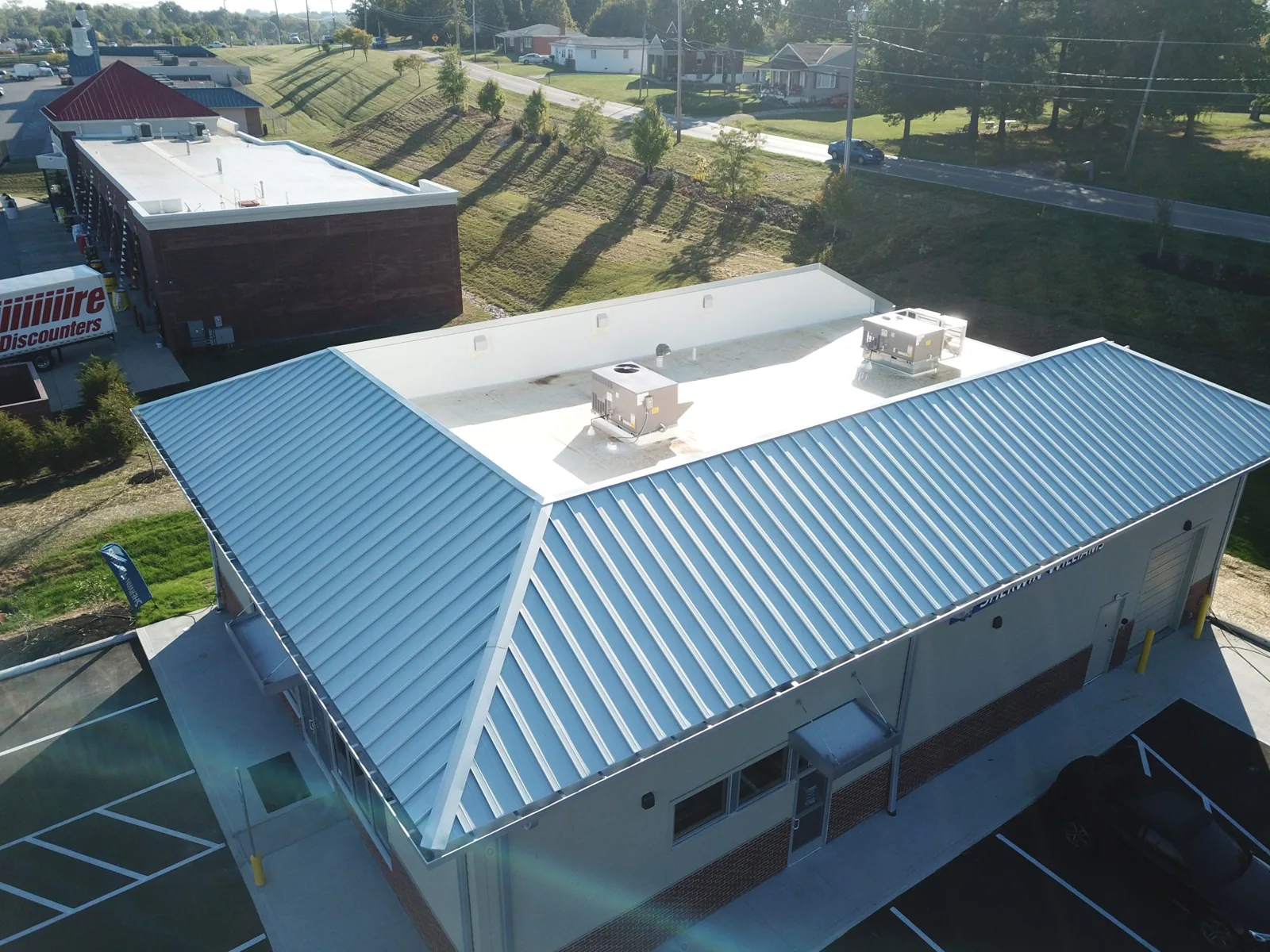
Work planned around the building and its daily operations.