
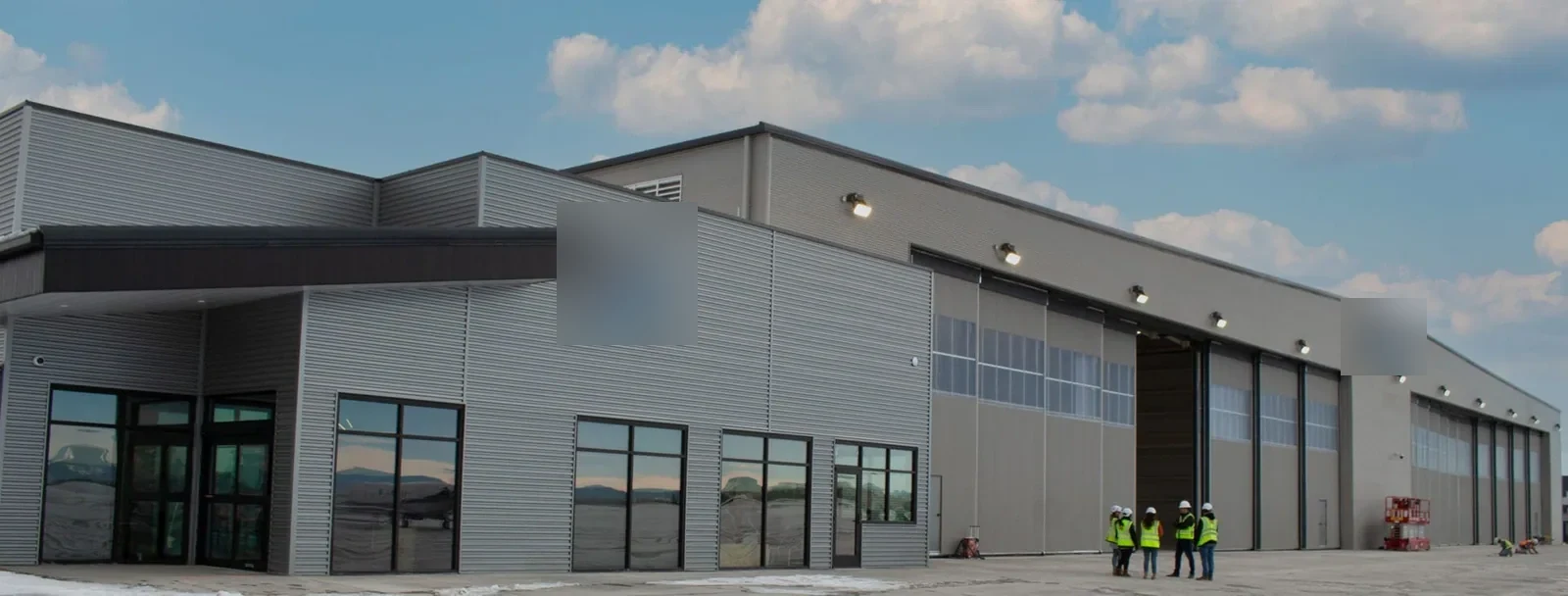
Aircraft Hangar Roofing in Mesquite, TX
A roof leak inside a hangar can put an aircraft, ground equipment, and an active work area at risk. We begin by confirming which bay is affected, what is stored beneath it, and whether water is moving now. The field review then traces the roof condition to a specific section instead of treating the entire clear-span building as one repair unit. A commercial roof inspection records access limits, observed conditions, and the next safe decision.
Hangar doors, roof height, aircraft movement, and tenant schedules change the work plan. We confirm each condition at the property and coordinate the sequence with the person controlling the bay.
Where Should the Bay Boundary Sit Before Roof Access?
Identify the hangar bay, door track, aircraft position, ground-support equipment, and any adjoining office or maintenance room. Establish the protected floor area before using lifts, ladders, or material staging. Door operation can be a critical part of daily movement, so confirm whether the door must remain functional and where a lift can travel without crossing a turning path.
At roof level, note the clear-span framing, deck transitions, penetrations, drains, curbs, and prior repair patches. Do not infer the roof's support condition from an interior leak mark. Record what is visible, what is concealed, and what would require a controlled test opening. A warehouse roof review shares the need for section mapping, but aircraft clearance and door-track coordination make the hangar plan distinct.
Before a lift enters, confirm floor loading limits with the facility contact, whether a spotter is required, and how the aircraft or equipment will be protected from overhead work. Keep debris collection below the active roof cut. Establish a no-entry boundary and a signal for stopping work if aircraft movement or door operation is required.
Protect an aircraft before raising tools. Move it only with operator approval and a safe route; otherwise use an approved shield that preserves ventilation and egress. Record who verified the boundary.
How Should the Roof Path Be Traced Across a Large Clear Span?
Large uninterrupted roof areas can make a small opening difficult to locate from below. Start with the interior bay position, then compare it with seams, fasteners, membrane laps, roof-to-wall joints, skylight or vent curbs, and drainage points overhead. Water can travel along the deck or framing before appearing near the reported spot. Photograph a broad reference view and the suspect detail, with consistent bay labels.
Mesquite's Alcott Logistics Station district lies west of Mesquite Metro Airport and southwest of Scyene Road. That context does not establish aviation use or ownership at any parcel. A nearby site in the Alcott district still needs its own access and roof review.
Check drains, scuppers, overflow paths, low points, edge conditions, and discharge routes. A drainage review can distinguish outlet blockage from a membrane defect. If moisture mapping is proposed, note the method and its limits. Confirm suspected wet insulation before expanding quantities. Keep the inspection boundary visible on a roof plan so another shift can see what was tested and what remains open.
A Mesquite existing-building project falls under local amendments to the 2024 IEBC adopted in May 2026, subject to the governing authority and work scope. Confirm the applicable review before an assembly is altered. Do not assume that a prior hangar project or tenant improvement establishes the present approval path. Document any project-specific review before insulation, framing, or membrane is concealed.
How Can Temporary Protection Hold Through a Shift Change?
Plan tear-off in small enough areas to reach a verified dry-in point before the crew leaves. Set the removal boundary, temporary seal method, material storage, and responsibility for the final check. A large roof can expose more area than one shift can close. The foreman and facility contact should agree on the stop point before removal starts, not when weather arrives.
The Dallas-Fort Worth region has hot, humid summers, with July and August daytime temperatures often in the 90s and at times above 100. Spring is also the region's peak period for thunderstorms and severe weather. These regional patterns help with scheduling and material protection, but they do not predict conditions at a specific hangar. Check the current forecast and the roof surface before opening the assembly.
For a leak that needs immediate control, a bounded roof repair should show the temporary measure, compatible permanent repair, and any remaining test. If severe weather has damaged a section, document the condition before moving equipment or removing loose material where safe to do so. An urgent response should not promise a permanent correction until the roof and access can be inspected.
Sequence noisy work around aircraft movement and door cycles. Keep egress and fire equipment clear; secure tools and verify the dry-in before leaving the bay.
When Does a Local Repair Give Way to a Larger Scope?
A localized repair may fit when the opening, failed flashing, or seam defect is isolated and nearby material can support a sound tie-in. List preparation, compatible components, repair limits, exclusions, and a follow-up check. If the leak returns, the record should show whether it is the same bay, the same roof path, or a new condition.
Consider a broader review when moisture crosses several bays, fastener or seam failures repeat, deck conditions are unknown, or a prior patch has not controlled movement at a transition. A replacement assessment should outline tear-off, substrate review, insulation, drainage, edge detailing, temporary protection, debris handling, and a phased dry-in sequence. If a recover is considered, verify existing layers, attachment, moisture, height, and applicable restrictions before presenting it as an option.
Near McKenzie Road, the IH-20 Business Park includes retail and contiguous industrial land with planned distribution and cold-storage uses. It does not establish aviation use. A visit to the IH-20 area still needs site access approval and a roof review.
Price alternatives on one roof map. Separate immediate water control from permanent work, and flag any height, drainage, door-clearance, permit, or equipment-movement assumption for verification.
What Should the Closeout Record Say About the Bay?
At the end of each shift, list the roof sections completed, temporary seals, open test results, and next access step. Photograph the inside and outside of the protected area. Note whether the bay can return to normal use, whether the door was tested, and who accepted the handoff. An open condition should have a named owner and review time.
For a permanent repair, record material, prep, seam or flashing detail, weather conditions during installation, repair boundary, and dated closeout photos. If a test opening was made, describe exactly what it revealed. One test point does not establish the condition of the entire clear span.
Scheduled roof maintenance can track drains, seams, door-area transitions, and prior repairs over time. Keep that record separate from an industrial facility's loading or equipment plan; the manufacturing roof review follows different production-access controls.
The final packet should let a new facility manager answer four questions quickly: which bay was affected, what was done, what remains uncertain, and who approves the next step. Keep the approved scope, changes, photos, material notes, and inspection date together. That record makes a later leak comparison more useful than a standalone invoice.
Commercial Roofing Questions
Can aircraft remain in the hangar during roof repairs?
That depends on the work zone, overhead protection, lift path, and operator's safety rules. The facility contact decides whether an aircraft can remain or must be moved before work begins.
How do you locate a leak in a large hangar roof?
We map the interior bay, then inspect the corresponding seams, penetrations, edges, and drainage details. Water may travel before it appears below, so confirmed findings stay separate from suspected paths.
Will the hangar door remain available during work?
The sequence should protect the door track and preserve a safe movement path where possible. If a closure is needed, the operator approves its length and alternate access before the crew stages equipment.
What if a roof opening cannot be closed before the crew leaves?
Set a defined dry-in point and temporary seal before removal starts. The shift handoff records the opening, protection method, weather check, and person who verifies the seal.
When should a hangar roof move from repair to replacement review?
Repeated failures across bays, wider moisture, unknown deck conditions, or recurring seam movement can justify a larger assessment. The decision should follow a mapped inspection and documented limits.
Coordinate Roof Work with Bay Operations
Share the affected bay, door and aircraft movement rules, roof plan, access contact, and safe work window. We will map the inspection boundary and define the next dry-in or repair decision.

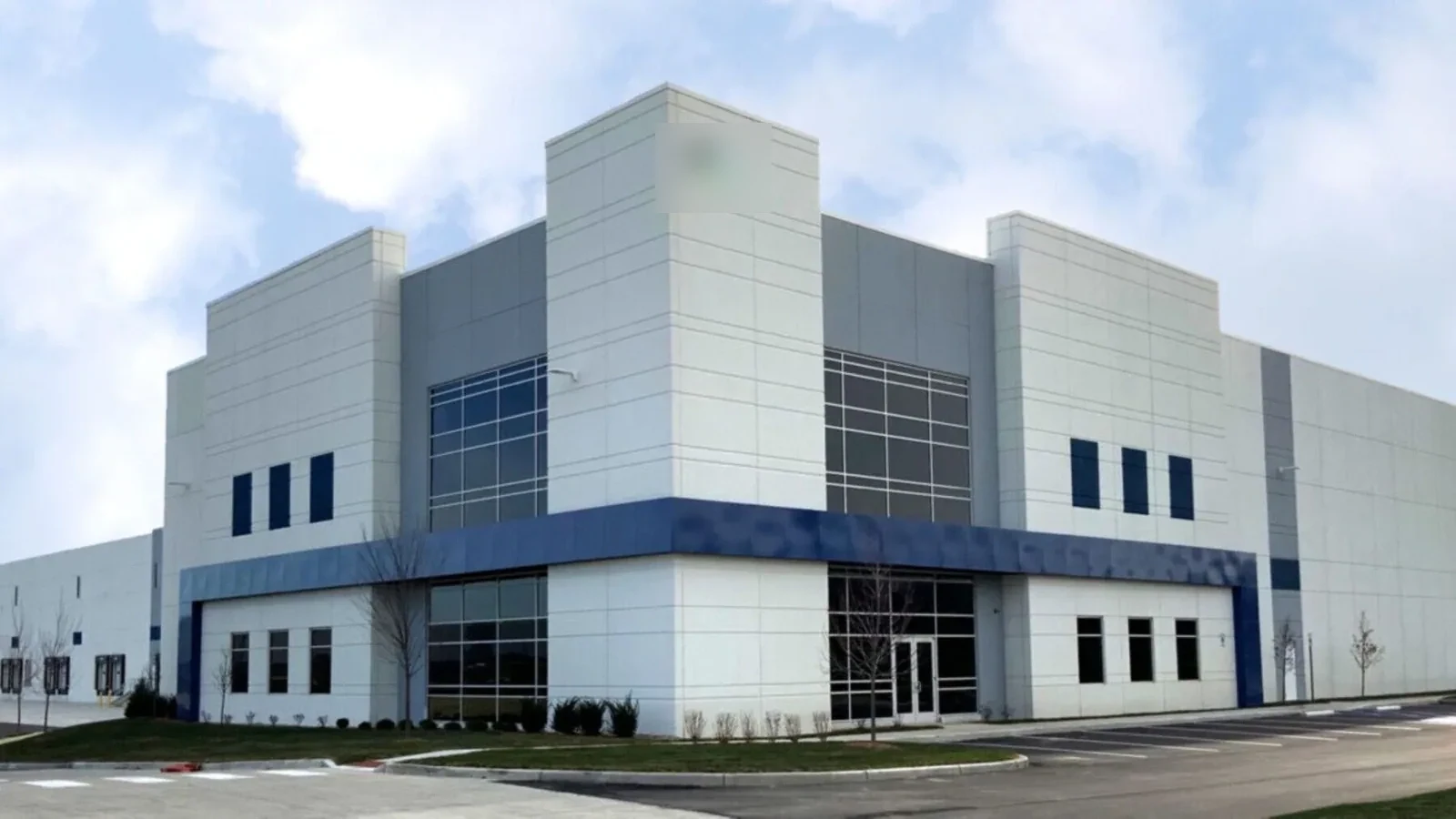

Work planned around the building and its daily operations.