Commercial Roof Insurance and Restoration in Mesquite, TX
An adjuster needs a roof-section reference before photos can guide a repair decision. We locate the reported opening, protect the area below, and record the membrane and transition before permanent restoration begins. An adjuster or restoration manager needs a condition record tied to a place on the roof, not a collection of unlabeled images. We separate temporary cover, confirmed damage, and unrelated wear so the next scope follows what the field inspection establishes.
The Dallas-Fort Worth severe-weather record includes spring hail, damaging gusts, flooding, and tornadoes. These are regional hazards, not proof that a particular Mesquite roof was struck. Mesquite includes commercial and industrial areas such as the Town East-Skyline district, where access and operations can shape a roof visit. The storm report starts the inspection; observed damage defines the repair boundary.
What Should Be Protected Before Documentation?
We identify active water, the room or inventory beneath it, electrical exposure, and any public or production route that needs to stay clear. Temporary cover or interior containment may be needed before a full assessment. The facility contact releases roof access and the work zone below. We record when the symptom began and whether it changes after rain. That timeline helps direct the roof walk but does not prove which detail failed.
Road access is one dispatch consideration; the property's gate, delivery path, and lift location set the actual staging plan. We confirm those points with the owner or restoration contact before unloading. Our emergency roof response documents temporary measures. A later storm-damage inspection can examine seams, edges, flashings, penetrations, and drains after conditions are safe.
How Do We Separate Storm Damage From Older Wear?
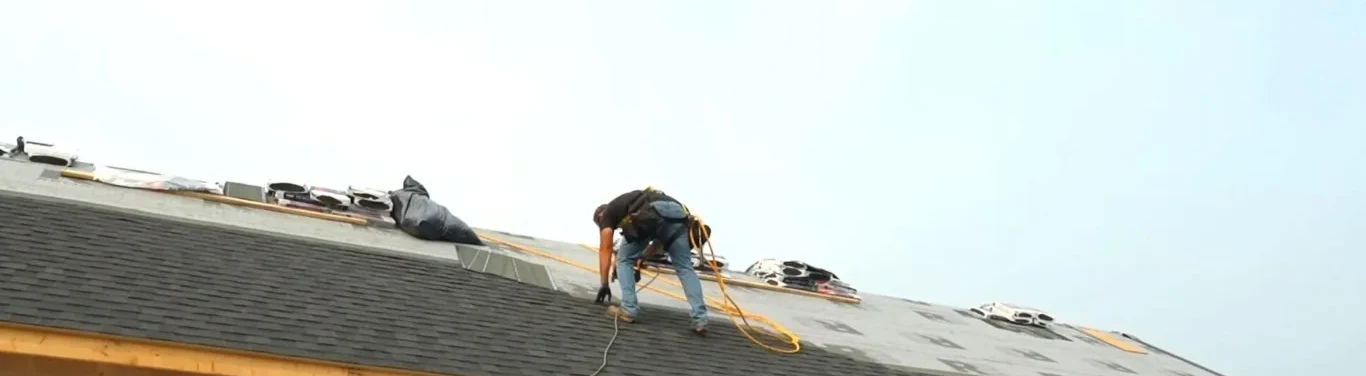
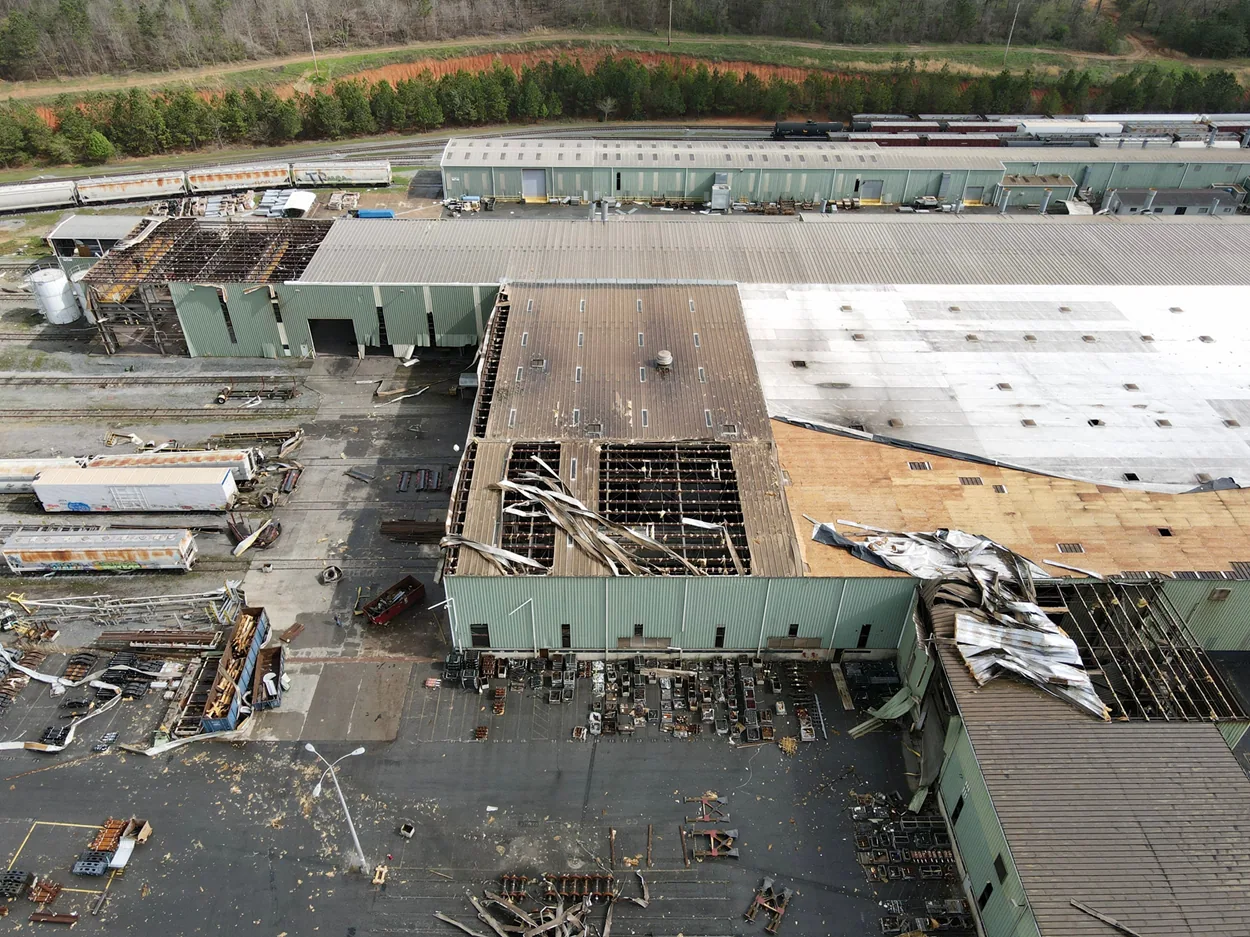
We photograph the roof condition by section and identify the observed detail: puncture, displaced metal, open seam, lifted flashing, or water entry. We also note aged sealant, prior patches, and drainage conditions that may predate the event. A storm date alone does not attribute every roof condition to that event. If a repair history exists, we compare the recorded location with the field evidence. If the membrane is wet below the surface, a test opening may be needed to determine the removal limit.
The Skyline district, between Interstate 30 and Skyline Boulevard, includes manufacturing and distribution activity. That is local context, not proof that a named property experienced a particular storm or damage. We document the inspected building only. An inspection report can map each condition and identify what testing remains. If the roof is TPO, a TPO seam review checks welds and repair compatibility. The result states what is observed, what is confirmed by testing, and what still requires access.
What Belongs in the Repair Estimate?
A repair estimate should state the roof section, material, quantity, preparation, flashing or seam work, and final test or photo record. It should distinguish temporary protection from permanent restoration. If wet insulation is confirmed, the scope identifies its removal and replacement boundary. If a drain or edge detail contributed to entry, the estimate includes that correction instead of covering only the visible puncture. Concealed conditions are listed as a field item that needs approval before the work expands.
Mesquite's Towne Centre and Market East area supports retail, office, industrial, and service activity along commercial corridors. A business building there may require customer protection or after-hours access; the actual operator sets the window. We can prepare a hail repair scope when impact is observed and a commercial repair estimate for the confirmed work. A restoration manager can share the itemized conditions and photos with the property representative. We do not set claim coverage or promise an insurer's decision; our scope describes the roof work and evidence available.
How Can the Roofer Work With an Adjuster?
We can walk the roof with the owner or adjuster when access and schedule allow. The record identifies the conditions we observed, their locations, and any test that supports an area of wet insulation. Questions about policy terms and coverage remain with the carrier and policyholder. Our work file can provide photos, a marked roof plan, repair quantities, and a separate invoice for completed emergency measures. That keeps the roofing scope focused on physical conditions and completed work.
The project team should verify its review path before permanent restoration is specified. An inspection establishes roof condition; it does not determine coverage or replace project approval. For an occupied site, an occupied-building work plan can set access and protection steps. The general contractor coordination file can track tie-ins and trade sequencing where a larger restoration project is underway. Each record remains limited to the work inspected and approved. Assemble the roof plan revision, interior incident timeline, dated photographs, and earlier repair notes under one claim reference. Mark confirmed wet insulation separately from a thermal pattern that still needs a test cut. Keep safe field evidence visible while a temporary cover controls water. The final repair file should show the changed detail, material used, and point where sound membrane resumes. We keep each note attached to its roof section.
What Does the Restoration File Need After Work?
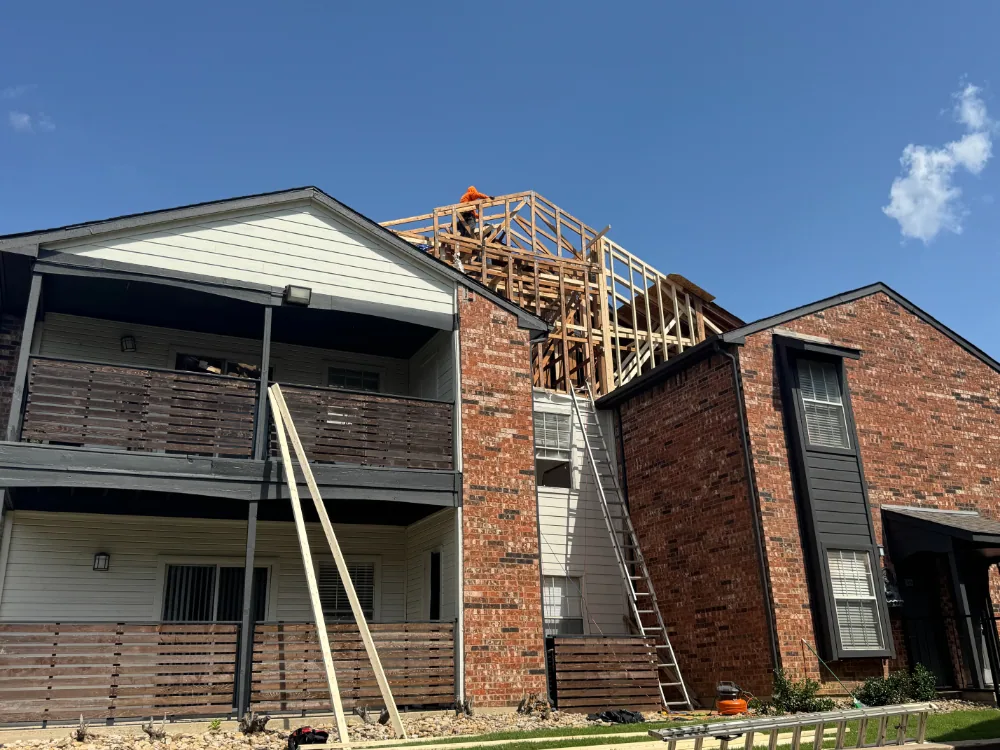
Closeout should show the condition before repair, the completed section, materials installed, and any open item. We photograph the final seam or flashing and identify whether temporary cover was removed or remains. If the repair exposed wet insulation or a deck condition, the record notes what was found and how it was addressed. If testing remains incomplete, we name the affected section and the access needed for the next visit.
Skyline's industrial district depends on freight movement, so a restoration sequence there needs an operator-approved lane and access window. We record the agreed release with the repair photos. For larger assets, a photo condition report can preserve the repair history. A property manager record can organize follow-up across addresses without carrying damage assumptions between them. We leave the facility contact with the repair boundary, photos, and next check.
Commercial Roofing Questions
Can you provide documentation for a roof insurance review?
We can provide a marked roof map, photos, observed conditions, repair quantities, and a record of work completed. We describe what the field inspection establishes and identify any test or access item still open. Coverage and claim decisions remain with the policyholder and carrier.
Does hail in Mesquite mean my roof has covered damage?
A regional hail event is a reason to inspect, not a finding about one roof or a policy decision. We check the membrane, metal, flashings, and interior reports for actual conditions. The report distinguishes observed impact from age, prior repairs, and any damage that requires testing.
Should emergency work wait until an adjuster arrives?
Active water may need temporary protection to limit further interior exposure. We document the condition and emergency measure before and after, then preserve the affected area where safe and practical for review. The owner or carrier can direct any additional inspection before permanent restoration proceeds.
How do you keep storm repairs separate from maintenance items?
Each roof finding is mapped and photographed. We note the physical condition and whether records or testing help establish its timing. Items unrelated to the reported event are listed separately, so the repair scope reflects observed roof work rather than a blended estimate.
What if hidden moisture is found during tear-off?
We photograph the exposed assembly, mark the extent, and pause at the approved work boundary while direction is obtained. The revised scope states removal and replacement quantities and the restored tie-in. That keeps the change visible before the roof section is closed.
Request a Documented Roof Response
Share the property address, reported storm date, leak timeline, interior area at risk, access contact, and any roof plan or prior repair record. We will protect active areas, inspect the roof section, and document confirmed conditions and next steps.
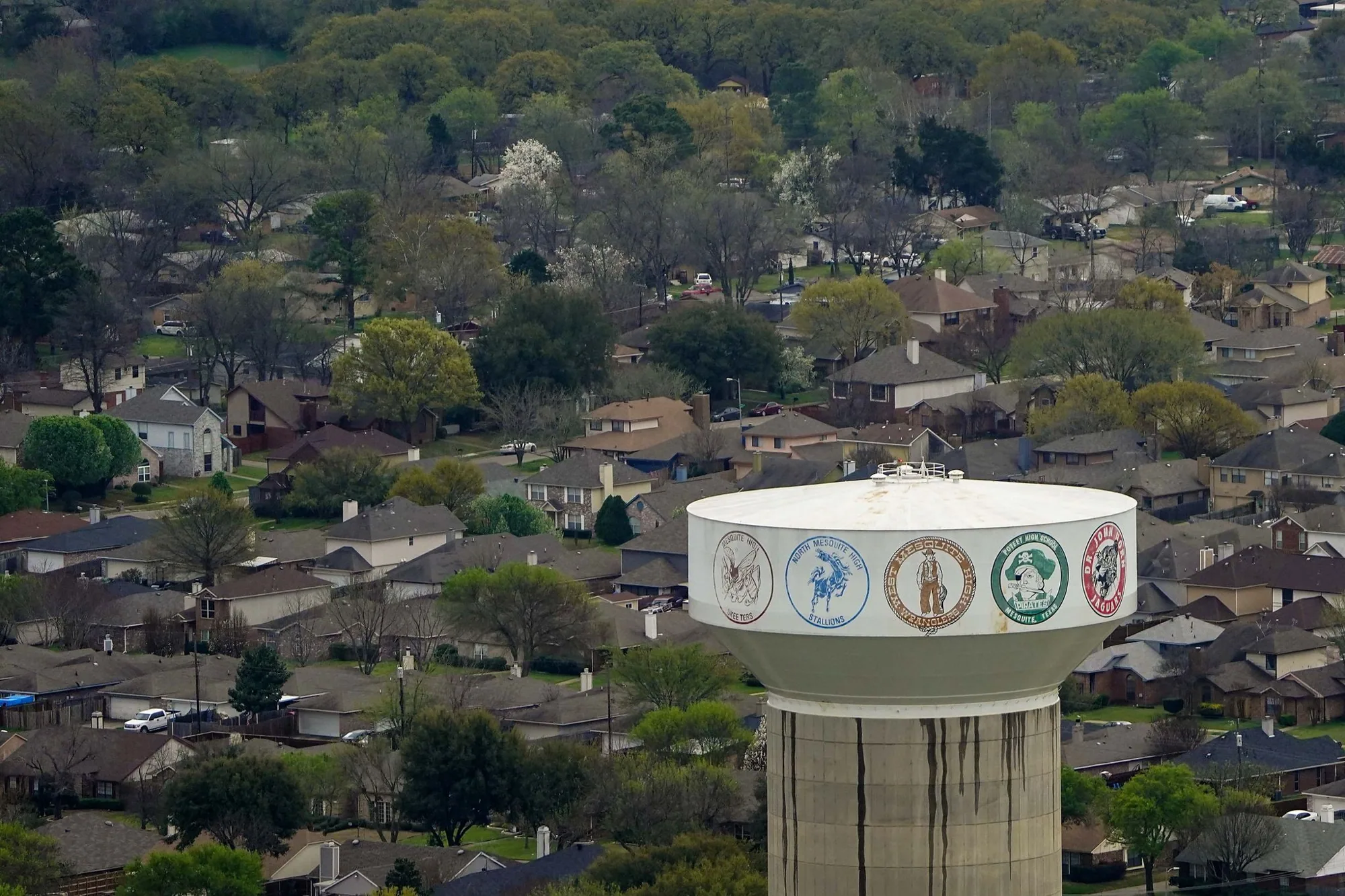
Scope, access and schedule reviewed before work begins.